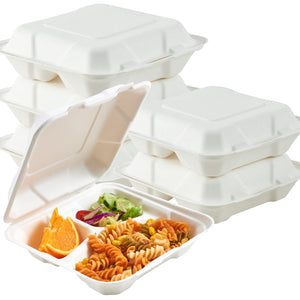
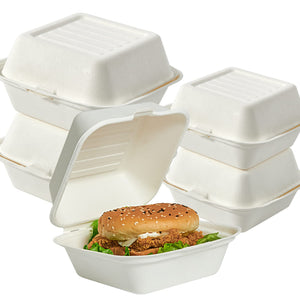
Ready for a greener kitchen? You can start a Sustainable Kitchen Audit and see just how easy it is to make eco swaps. Ecolipak helps you create a sustainable space with eco products. Every eco swap counts. Compostable sugarcane to go boxes bring eco style to your kitchen and keep meals safe.
Key Takeaways
Start your sustainable kitchen audit by identifying plastic hotspots. Make a list of plastic items you use daily to prioritize your swaps.
Switch to reusable alternatives like beeswax wraps and glass containers. These swaps reduce waste and protect your health from harmful chemicals.
Celebrate small victories in your journey to a plastic-free kitchen. Each swap counts and helps build lasting eco-friendly habits.
Sustainable Kitchen Audit Steps
Spot Plastic Hotspots
Ready to start your sustainable kitchen audit? Walk into your kitchen and look around. Where do you see plastic? You might spot food packaging, bottles, storage containers, or even plastic wrap. Many kitchens have repurposed takeout containers, single-use bags, and plastic utensils. These items add up fast and create a lot of waste.
Tip: Grab a notebook or your phone. Make a quick list of every plastic item you see. Don’t forget things like plastic spatulas, cutting boards, and cleaning sprays.
Here are some common sources of plastic waste in kitchens:
Food packaging and wrappers
Single-use bags and bottles
Plastic storage containers
Takeout containers
Plastic cutlery and plates
Kitchen sponges
List What You Use Most
Now, focus your sustainable kitchen audit on the items you use every day. These are the best places to start making swaps. If you reach for plastic wrap, sandwich bags, or a plastic sponge often, put them at the top of your list.
Check out this handy table for ideas:
Checklist Item |
Problem Description |
Suggested Alternative |
|---|---|---|
Plastic Cling Wrap |
Hard to reuse or recycle |
Beeswax wraps or silicone lids |
Plastic Trash Bags |
Holds trash, adds to landfill |
Compostable food waste bags |
Dishwashing Sponge |
Sheds microplastics |
Loofah or wood fiber brush |
Takeout Containers |
Not microwave safe, adds waste |
Sugarcane pulp packaging containers |
Paper Towels |
Creates constant waste |
Bamboo fiber towels or dishcloth |
A sustainable kitchen audit helps you track your progress. You can measure how much plastic waste you reduce each week and see how many reusable items you add. Review your list often and adjust your swaps for the biggest impact.
Why a Plastic-Free Kitchen Matters
Healthier Home
You want your kitchen to be a safe place for your family. When you cut down on plastic, you lower your risk of harmful chemicals getting into your food. Plastics can release things like phthalates, PFAS, and BPA. These chemicals can mess with your hormones and have been linked to cancer and problems with growth. Kids are especially at risk. They can face learning and behavior issues if exposed to these chemicals. Microplastics can sneak into your food from containers, especially when you heat or reuse them. Studies show that people eat thousands of plastic particles each year, which can lead to inflammation and hormone problems.
Switching to an anti-plastic kitchen helps you breathe easier, too. Plastics can release chemicals into the air, so cutting down on plastic improves indoor air quality.
Environmental Impact
Every time you cut down on plastic in your kitchen, you help the planet. Plastic production creates pollution and adds greenhouse gases to the air. Most plastic ends up as waste, not recycled. Over 400 million tons of plastic are made each year, but only a tiny bit gets reused. The rest piles up in landfills and oceans, hurting animals and plants. Food packaging and kitchen items are big sources of this waste. Microplastics from your kitchen can end up in soil and water, making it harder for nature to stay healthy.
Ecolipak believes in a sustainable future. They use renewable materials like sugarcane and bamboo. Their products break down naturally and do not add to plastic waste. When you choose Ecolipak, you support a cleaner, greener world.
Top Plastic-Free Kitchen Swaps
Ready to make your kitchen greener? You can start with these plastic-free kitchen swaps. Each swap is easy to try and makes a big impact. You’ll find that switching to reusable and sustainable products helps you cut waste and protect your health. Let’s walk through the best swaps for your kitchen.
Reusable Grocery and Produce Bags
You can ditch single-use plastic bags by switching to reusable produce bags made from cotton or linen. These bags are washable and durable. They keep your fruits and veggies fresh and help you avoid thousands of plastic bags each year. A set of 15 reusable bags has earned over 24,000 five-star reviews for sturdy fabric and locking drawstrings. The UN Environment Program says people use up to 5 trillion plastic bags every year. Making this swap is one of the most effective ways to reduce plastic waste in your kitchen.
Tip: Keep a few reusable bags in your car or by your door so you never forget them when shopping.
Beeswax Wraps Instead of Plastic Wrap
Beeswax wraps are a simple swap for plastic wrap. They breathe and seal well, which keeps food fresh and preserves flavor. Beeswax wraps are made from natural materials and are compostable. You won’t have to worry about harmful chemicals leaching into your food. Plastic wraps can contain plasticizers that migrate into fatty foods, posing health risks. Beeswax wraps give you a protective layer without the risk.
Beeswax wraps reduce oxidation and preserve flavor.
They are compostable and safe for food storage.
Plastic wraps can leach chemicals, especially when heated.
You can use beeswax wraps for sandwiches, snacks, and covering bowls. They last for months and are easy to clean.
Glass or Metal Food Storage
Switching to glass or stainless steel storage containers is a smart move. These containers last for years and rarely need replacement. You save money over time and limit chemical exposure. Glass containers are recyclable, making them a sustainable choice. Stainless steel is tough and won’t stain or absorb odors. You can use them for leftovers, meal prep, and snacks.
Glass and metal containers offer long-term cost savings.
They help you avoid chemicals found in plastic storage.
Glass containers are recyclable and eco-friendly.
Try using a refillable container for snacks or lunches. You’ll find that food stays fresher and tastes better.
Ecolipak Biodegradable CPLA Cutlery
Ecolipak Biodegradable CPLA Cutlery stands out among plastic-free kitchen swaps. These utensils are made from cornstarch, not plastic. They are compostable and break down in composting. You can use them for hot foods because they handle heat well. The cutlery feels sturdy, just like regular plastic, but it won’t end up in a landfill.
Made from plant-based materials
Compostable and biodegradable
Handles hot foods effectively
Modern design and smooth grip
Families who care about health love these utensils. You can use them for picnics, parties, or everyday meals. One customer shared, “I switched to Ecolipak for my family gatherings and work events. The cups hold up well, look great, and I love knowing they won’t end up polluting the planet.” Ecolipak’s mission is to protect the planet while keeping quality and convenience.
Compostable Sugarcane Clamshell Boxes
Ecolipak’s compostable sugarcane clamshell boxes are a top swap for takeout and leftovers. These boxes are made from plant-based materials and break down in 90–180 days at a compost facility. They leave no residue and return to the soil. Traditional plastic containers take over 400 years to break down and cause permanent pollution.
Feature |
Compostable Clamshells |
Traditional Plastic Clamshells |
|---|---|---|
Material |
Plant-based (bagasse, PLA) |
Petroleum-based |
Breakdown Time |
90–180 days |
400+ years |
Residue |
None, returns to soil |
Permanent pollution |
Certifications |
BPI Certified, ASTM D6400 |
None |
Eco Impact |
High positive |
Negative |
Ecolipak clamshells are heavy-duty, leak-resistant, microwave and freezer safe. You can use them for picnics, takeout, or meal prep. They keep food safe from plastic and support eco-conscious living.
Wooden or Metal Utensils
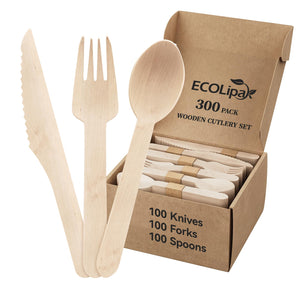
Wooden and metal utensils are great swaps for plastic cutlery. Wooden cutlery breaks down into natural components and can be composted. It supports sustainable forestry and holds fewer bacteria than plastic. Metal utensils last for years and are easy to clean.
Feature |
Description |
|---|---|
Biodegradable |
Wooden cutlery reduces landfill waste |
Compostable |
Enhances soil health after use |
Sustainable Forestry |
Promotes responsible wood sourcing |
Hygienic |
Holds fewer bacteria than plastic |
Did you know that 73% of consumers are willing to change habits for environmental impact? Choosing wooden or metal utensils is an easy eco-friendly swap.
Reusable Water Bottles and Straws
You can replace single-use plastic bottles and straws with reusable options. Stainless steel or glass water bottles last for years and keep drinks cold or hot. Silicone or metal straws are easy to clean and carry. This swap helps you avoid plastic waste and keeps your kitchen tidy.
Note: Try keeping a reusable water bottle at your desk or in your bag. You’ll always have a drink on hand and avoid buying bottled water.
Compostable Sponges and Brushes
Compostable sponges and brushes are made from vegetable cellulose. They can be composted at the end of their life cycle, reducing landfill waste. Traditional sponges release microplastics into waterways, which harm wildlife. Compostable alternatives do not contribute to this pollution.
Traditional sponges release microplastics.
Compostable sponges are safer for the ecosystem.
Vegetable cellulose sponges break down naturally.
You can use loofah or wood fiber brushes for dishwashing. They clean well and last longer than plastic sponges.
Reusable Snack Container
A reusable snack container is perfect for packing lunches or storing leftovers. You can choose stainless steel, glass, or silicone containers. They are easy to wash and keep food fresh. This swap helps you avoid single-use plastic bags and keeps your kitchen organized.
Refillable Container for Bulk Goods
Buying in bulk and using a refillable container for grains, nuts, or snacks is a smart swap. You reduce packaging waste and save money. Glass jars or stainless steel bins work well for storage. You can label them and stack them neatly in your kitchen.
Callout: Start with one or two swaps this weekend. You’ll see how easy it is to make your kitchen more sustainable. Every swap counts!
Top 10 Plastic-Free Kitchen Swaps Table
Swap |
Plastic Item Replaced |
Sustainable Alternative |
Key Features / Tips |
|---|---|---|---|
Grocery & Produce Bags |
Single-use plastic bags |
Cotton/linen reusable produce bags |
Washable, durable, locking drawstring |
Beeswax Wraps |
Plastic cling wrap |
Beeswax wraps or silicone lids |
Compostable, preserves flavor, safe |
Food Storage Containers |
Plastic containers |
Glass/stainless steel storage containers |
Durable, recyclable, chemical-free |
Cutlery |
Plastic utensils |
Ecolipak Biodegradable CPLA Cutlery |
Compostable, sturdy, heat-resistant |
Takeout Containers |
Plastic clamshells |
Ecolipak sugarcane clamshell boxes |
Leak-proof, microwave safe, compostable |
Dishwashing Sponge |
Plastic sponge |
Loofah/wood fiber brush |
Compostable, no microplastics |
Paper Towels |
Paper towels |
Bamboo fiber towels/dishcloth |
Reusable, washable, eco-friendly |
Water Bottles & Straws |
Plastic bottles & straws |
Stainless steel/glass bottles, metal straws |
Reusable, easy to clean, long-lasting |
Snack Container |
Plastic snack bags |
Reusable snack container |
Keeps food fresh, easy to wash |
Bulk Storage |
Plastic packaging |
Refillable container (glass/metal) |
Reduces waste, stackable, neat |
You can start with the swaps that fit your lifestyle best. If you want to make a big impact, focus on the items you use most. Ecolipak offers sustainable products that make eco-friendly swaps simple and accessible. Many customers have shared their success stories, saying Ecolipak products are sturdy, visually appealing, and give peace of mind.
Note: Don’t worry about swapping everything at once. Gradually transition by prioritizing swaps that make the biggest difference for your health and kitchen. Repurpose existing items and build confidence with easy swaps first.
You can make your kitchen a plastic-free zone with these swaps. Every step helps protect your health and the planet.
Stay Motivated for a Plastic-Free Kitchen
Celebrate Small Wins
You might feel overwhelmed when you start making changes in your kitchen. Remember, every small step counts. Celebrate when you swap out a plastic item for a reusable one or finish a week without using plastic wrap. These small victories help you stay positive and make new habits stick. When you notice your progress, you feel good and want to keep going. Even something simple, like switching to a bamboo dishcloth, deserves a little celebration.
Tip: Keep a list of your swaps on the fridge. Check off each one and reward yourself with a favorite treat or a fun family night.
Make Swaps Work for You
You do not have to change everything in your kitchen at once. Start with one or two swaps that matter most to you. Maybe you use a lot of plastic bags or single-use containers. Try switching to reusable produce bags or Ecolipak’s compostable food waste bags. As you get used to these changes, add more swaps over time. Focus on progress, not perfection. Each swap helps reduce waste and supports a cleaner kitchen.
Use what you have first before buying new items.
Try a concentrated dish soap bar instead of liquid soap in plastic bottles.
Support brands like Ecolipak that care about the planet.
Involve Family and Friends
Getting your family and friends involved makes your plastic-free kitchen journey more fun. Invite them to join a plastic-free challenge for a week. Share tips and ideas with each other. Give kids small jobs, like sorting recyclables or packing lunches in reusable containers. Turn these tasks into games or friendly competitions. When everyone helps, you build habits that last.
Note: Sharing your progress with others can inspire them to make changes too. Together, you can make a bigger impact.
Ecolipak is here to support you with practical, eco-friendly solutions for every kitchen. You are not alone on this journey!
You don’t have to change everything overnight. Pick one or two swaps this weekend—maybe beeswax wraps or a reusable water bottle. Small steps, like using sturdy Ecolipak cutlery, really add up. Share your favorite swap or story below! For more ideas, check out Ecolipak’s sustainable kitchen solutions.
FAQ
How do I start making plastic-free kitchen swaps?
You can start with one or two easy swaps, like beeswax wraps or reusable bags. Pick what you use most and swap those first.
Are Ecolipak compostable bags really leak-proof and odorless?
Yes! Ecolipak compostable food waste bags keep leaks and smells in check. You can toss food scraps without worry.
Can I microwave Ecolipak sugarcane containers?
Absolutely. Ecolipak sugarcane containers handle the microwave and freezer. You can reheat leftovers with no problem.