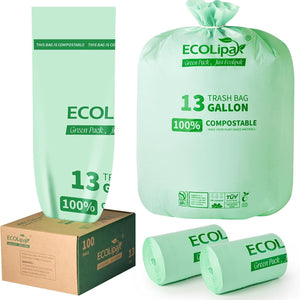
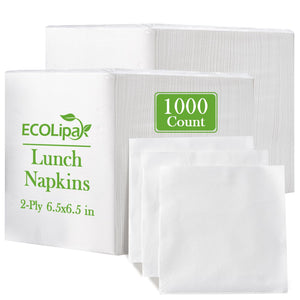
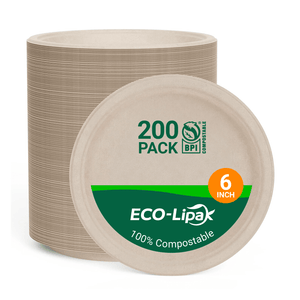
Imagine hosting a sustainable event without worrying about waste piling up. You can use an eco-event checklist to keep your event organized and climate-friendly. When you choose compostable trash bags and other smart products, your waste management gets easier. Look at how waste rates improve when you follow a checklist:
Metric |
Description |
|---|---|
Waste Generation Rate |
Less waste per guest means cleaner events |
Diversion Rate |
More recycling and composting keeps trash out of landfills |
Contamination Rates |
Cleaner bins help recycling and composting succeed |
Comparison to Baseline |
Better results than past events or goals |
You can plan with confidence and style.
Key Takeaways
An eco-event checklist helps you plan a waste-free event by guiding your choices, from compostable plates to waste management strategies.
Using compostable products, like Ecolipak’s sugarcane plates, reduces waste and impresses guests with your commitment to the environment.
Setting up clear waste stations with labeled bins boosts recycling rates and makes it easy for guests to sort their trash correctly.
Involve your team and guests in sustainability efforts to create a more organized and eco-friendly event experience.
Track your waste management results after the event to identify successes and areas for improvement for future gatherings.
What Is an Eco-Event Checklist?
Purpose and Benefits
An eco-event checklist is your secret weapon for planning a sophisticated, waste-free event. You use it to make sure every part of your event supports the planet. This checklist helps you remember the small details that make a big difference, like choosing compostable plates or skipping balloons. When you follow a checklist, you feel more organized and confident. You know you are making choices that help the earth and impress your guests.
Ecolipak leads the way in eco-friendly event planning. The brand’s mission is to make green living easy and stylish. When you use products like Ecolipak’s compostable sugarcane plates, you show your guests that you care about quality and the environment. You can host a beautiful event and protect the planet at the same time.
How It Reduces Waste
You might wonder how an eco-event checklist actually cuts down on waste. The answer is simple: it guides you to make better choices at every step. Here are some things you might find on a typical eco-event checklist:
Ditch the single-use plastics
No more balloons
Create a waste management plan
Skip the individual sauce sachets
Partner with eco-conscious vendors
Choose sustainable venues
Use energy-efficient lighting and equipment
Pick sustainable catering options
Involve your attendees
Measure and monitor your results
Each step helps you avoid waste before it starts. You swap out plastic for compostable items, like Ecolipak’s sturdy plates. You set up clear waste stations so guests know where to put their trash. You even track your progress, so you can do even better next time. With an eco-event checklist, you turn waste worries into a thing of the past.
Why Waste Management Matters
Common Event Waste Issues
You probably notice how much trash piles up at events. Food scraps, drink containers, boxes, promotional materials, and décor all end up in the waste stream. These items fill bins quickly and can make cleanup a headache. When you add in attendee travel and transportation, the environmental impact grows even more.
Did you know? Large events can create up to 100 tons of trash. Less than 20% of this waste gets recycled. That means most of it heads straight to landfills, hurting the planet and your event’s reputation.
If you don’t manage waste well, you risk overflowing bins, messy venues, and unhappy guests. Poor waste management can also stretch your budget and make your event look less professional. You want your event to shine, not get remembered for trash problems.
Stress for Organizers
Planning an event takes a lot of energy. Waste management adds another layer of stress. You need to figure out what kind of waste your event will produce. You also have to pick the right size dumpsters and make sure you have enough bins for everything. Managing the volume and type of waste can feel overwhelming, especially when you want everything to run smoothly.
Many organizers share these worries. They want to do the right thing but feel stuck with old habits or limited options. That’s where Ecolipak customers found relief. They switched to compostable sugarcane plates and eco-friendly trash bags. Their feedback shows less stress, easier cleanup, and happier guests. One customer said their event looked cleaner and felt more organized. They loved knowing their choices helped the environment.
You can enjoy the same peace of mind. With the right checklist and sustainable products, you turn waste from a problem into a point of pride.
Eco-Event Checklist Steps
Planning for Climate-Friendly Events
You want your event to stand out for all the right reasons. Start with a clear plan that puts the planet first. Here’s how you can kick off climate-friendly event planning:
Look at your current event practices. Find spots where you can cut waste and save energy.
Connect with suppliers and partners who share your eco values.
Get everyone involved. Teach your team, vendors, and guests about your green goals. Invite them to join in.
When you choose eco-friendly venues, check if they use renewable energy, water-saving appliances, and non-toxic cleaning products. Pick a location that’s easy to reach by public transport. This helps minimize environmental impacts from travel. Visit the site yourself to see if their green claims hold up.
Tip: A central venue with sustainability certifications like LEED or Energy STAR makes a big difference.
Sourcing Sustainable Products (Ecolipak)
The products you pick shape your event’s footprint. Swap out single-use plastics for compostable and biodegradable options. Ecolipak’s Compostable Sugarcane Plates, sugarcane pulp trays, and white CPLA cutlery bring both style and responsibility to your table. These items look elegant and handle everything from appetizers to main courses.
Here’s a quick guide to certifications you should look for when choosing compostable products:
Certification Name |
Accrediting Body |
What It Ensures for Compostable Products |
|---|---|---|
ASTM D6400 |
Biodegradable Products Institute (BPI) |
Confirms compostability in commercial composting facilities, meeting strict biodegradation and safety standards. |
ASTM D6868 |
Biodegradable Products Institute (BPI) |
Ensures compostability of products with biodegradable plastics or coatings. |
EN 13432 |
TÜV AUSTRIA (OK compost HOME & INDUSTRIAL) |
Certifies that packaging is compostable and made from renewable, rapidly degradable materials. |
BPI Certified Compostable |
Biodegradable Products Institute (BPI) |
Guarantees products meet ASTM D6400 compostability standards. |
OK compost HOME & INDUSTRIAL |
TÜV AUSTRIA |
Certifies compliance with EN 13432 for home and industrial composting. |
Compost Manufacturing Alliance |
CMA |
Requires passing ASTM D6400 or D6868 lab and field tests for compostability. |
Ecolipak’s plates and trays meet or exceed these standards. You can trust that they break down safely and leave no harmful residue. For outdoor parties, add biodegradable bags and compostable trash bags to your checklist. These make cleanup simple and keep your event waste-free.
Note: Compostable products like Ecolipak’s plates come from bagasse, a renewable plant material. They break down naturally and help turn waste into something useful.
Setting Up Waste Stations
Waste stations are your secret weapon for a clean event. Place them in busy spots—near food tables, restrooms, and entrances. Use color-coded bins with clear labels for recycling, compost, and trash. Keep a 1:1 ratio of recycling bins to trash cans. This setup makes it easy for guests to sort their waste.
A study found that putting bins together boosts recycling rates by 30% and cuts contamination by 15%. Add signs and friendly volunteers to guide guests. You’ll see cleaner bins and less mess.
Pro Tip: Use your event planning checklist to map out where each waste station goes. This keeps everything organized and stress-free.
Reducing and Sorting Waste
You can cut waste before it starts. Use these plastic reduction strategies:
Refuse: Say no to single-use plastics. Go digital with tickets and programs.
Reduce: Work with vendors who use compostable packaging. Encourage guests to bring reusable bottles.
Reuse: Rent décor and serving items. Offer refill stations for drinks.
Recycle: Make recycling easy with clear labels and regular collection.
Repurpose: Get creative—turn old banners into tote bags or donate leftover food.
Educate your guests with signs and announcements. Show them how to sort waste the right way. Track your waste diversion rate. With good sorting, you can keep up to 90% of event waste out of landfills.
Callout: Compostable sugarcane plates, pulp trays, and white CPLA cutlery from Ecolipak make sorting simple. Guests know exactly what goes in the compost bin.
Post-Event Actions
Your work isn’t done when the last guest leaves. Review your results to keep improving. Here’s what you can do:
Analyze your waste data. See what worked and what didn’t.
Share your findings with your team and partners.
Set new goals for your next event.
Assign tasks and check progress regularly.
Ask guests for feedback. Did they find the waste stations easy to use? Did they notice your efforts to minimize environmental impacts? Use this info to make your next event even better.
Remember: A strong eco-event checklist helps you celebrate your wins and spot new ways to improve.
With these steps, you can plan a sophisticated, waste-free, and eco-friendly event. Ecolipak’s compostable sugarcane plates, pulp trays, white CPLA cutlery, and biodegradable bags bring elegance and practicality to any gathering. Your guests will notice the difference—and so will the planet.
How the Checklist Eases Waste Worries
Simplified Event Planning
You want your event to run smoothly and look impressive. Using a checklist makes everything easier. You don’t have to remember every detail or worry about missing something important. You just follow each step and watch your plan come together. Professional event planners say checklists turn chaos into order. You get a clear path to follow, so you can focus on making your event special instead of stressing about waste.
When you use Ecolipak’s compostable plates and trash bags, cleanup feels simple. You know exactly where waste goes. Guests see clear bins and labels, so they sort their trash without confusion. You spend less time managing messes and more time enjoying your event. Many organizers share that their stress drops when they use a checklist. They feel confident and proud of their results.
“I felt so much more relaxed at my last event. The checklist kept me on track, and Ecolipak’s products made cleanup a breeze.” — Ecolipak customer
Achieving Sustainability Goals
You want your event to make a positive impact. A checklist helps you reach your sustainability goals step by step. You track how much waste you create and how much you divert from landfills. You choose materials that are safe for the planet, like compostable plates and reusable signs. You pick vendors who care about the environment and avoid single-use plastics.
Here are some common sustainability goals you can achieve:
Waste reduction by tracking total waste and what gets recycled or composted
Using sustainable materials for signs, décor, and serving items
Selecting responsible vendors who offer eco-friendly catering and supplies
You see real results. Your event looks clean and stylish. Guests notice your efforts and appreciate your commitment. You feel proud knowing you helped protect the planet and made waste worries vanish.
Event Planning Checklist Tips
Customizing for Your Event
You want your event planning checklist to fit your unique event. Start with a basic template that covers the essentials. Adjust it for your event type. For example, a trade show needs booth design and engagement strategies. A client dinner focuses on menu planning and logistics. A sales conference balances learning and lead generation. Check out this table for quick ideas:
Event Type |
Key Considerations |
|---|---|
Trade Show |
Booth design, engagement, lead capture |
Client Dinner |
Menu, logistics, post-dinner activities |
Sales Conference |
Learning, lead generation |
Here are some practical tips to help you customize:
Begin with a general checklist.
Make changes based on your event’s needs.
Match your checklist to your event goals.
Team Involvement
You don’t have to do it alone. Get your team involved early. Include staff who know about environmental health and safety. They help spot risks and make sure you follow rules. Train your team leaders to notice safety and environmental needs. Assign someone as your go-to for eco questions. Use a checklist that covers safety and environmental needs. When your team works together, you catch problems before they start. You also make your event safer and more sustainable.
Tip: Teamwork makes your checklist stronger and your event smoother.
Tracking Success
You want to know if your event planning checklist works. Track your results. Measure how much waste you reduce. Count how many guests use compostable products. Ask your team and guests for feedback. Celebrate your wins. Share your success with everyone involved. Use these practical tips to keep improving:
Set clear goals for waste reduction.
Review your checklist after the event.
Celebrate every sustainability win, big or small.
You can make each event better than the last. Tracking your progress helps you see what works and what needs a tweak.
You can make waste worries disappear with an eco-event checklist and Ecolipak’s compostable products. Users love how these products support their sustainability goals and handle big events with ease.
Compostable design fits your green values
Strong enough for heavy loads
Helps manage waste at festivals
When you use eco-friendly checklists and products, you unlock long-term benefits:
Benefit |
Description |
|---|---|
Cost Reduction |
Save money over time |
Improved Image and Prestige |
Boost your reputation |
Increased Customer Satisfaction |
Make guests happy and loyal |
Ready to plan your next event? Choose energy-smart venues, manage waste wisely, and pick sustainable suppliers. Visit Ecolipak for more eco-friendly solutions!
FAQ
What is an eco-event checklist?
You use an eco-event checklist to plan a green event. It helps you remember steps like picking compostable plates, setting up waste stations, and teaching guests about recycling. This tool keeps your event organized and waste-free.
Why should I choose compostable sugarcane plates?
Compostable sugarcane plates look stylish and work for hot or cold foods. You can trust them to hold up during your event. They break down naturally, so you help the planet and impress your guests.
How do I set up waste stations at my event?
Place bins for recycling, compost, and trash in busy spots. Use clear signs and colors. Ask a helper to guide guests. This setup keeps your event clean and makes sorting easy.
Can compostable trash bags handle heavy loads?
Yes! Ecolipak’s compostable trash bags are strong and leak-resistant. You can use them for kitchen waste, outdoor parties, or big events. They make cleanup simple and eco-friendly.
How do I know if my event is truly eco-friendly?
Track your waste and see how much you recycle or compost. Ask guests for feedback. Use products with trusted certifications. Celebrate your wins and keep improving for next time.