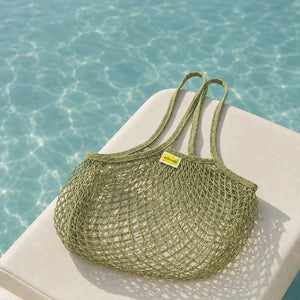
Quick Answer: An open-weave cotton mesh grocery bag works best for larger, dry items that will not slip through its openings: sturdy fruit, whole vegetables, a loaf in its own wrap, or everyday carry items. Keep loose berries, tiny produce, powders and anything that may leak in a separate washable container or suitable closed package. ECO-Lipak's olive-green cotton string tote has long handles and is currently offered as a one- or three-pack; the open mesh is a feature for visibility and flexibility, not a substitute for a sealed bag.
Key Takeaways
- Choose the mesh bag for whole, reasonably sturdy groceries; add a container for small or fragile items that could fall through.
- Keep raw meat, poultry and seafood separate from ready-to-eat food. An open mesh tote is not leakproof.
- Load heavy items low and distribute the weight; the apparent capacity changes as the net stretches.
- Wash and dry the reusable bag according to its care label and food-safety needs. Reuse is the practical benefit, not a claim that cotton can be discarded anywhere.
Why the Open Weave Changes Your Packing List
The product is a cotton string mesh tote with a visibly open diamond weave and long straps. Its shape expands around irregular groceries, which makes a market haul easy to inspect. The same openings make it unsuitable for tiny loose items, wet packages and anything that needs a barrier from other food. The weave also exposes groceries to dust, splash and sunlight, so use the bag as a carrier, not as long-term storage or a food-safe enclosure.
Pack for the actual trip, not for a glossy photo. A few apples or oranges can sit low in the net. A bunch of carrots or kale can be tucked above them without crushing delicate leaves. Loose blueberries need a closed box or bowl inside another secure carrier. A glass jar should be protected against knocks rather than resting directly against the stretched mesh. If a loaf has no wrapper, think about keeping it clean and separated from soil-covered produce.
| Item or task | Open mesh tote alone? | Better packing choice |
|---|---|---|
| Whole apples, oranges, carrots | Usually, if comfortably sized | Load low; avoid overfilling |
| Loose berries, cherry tomatoes, herbs | No | Use a small washable container or secure produce box |
| Unwrapped bread or baked goods | Not ideal | Use a clean food-appropriate wrap or separate container |
| Raw meat, poultry or seafood | No | Keep in leak-contained packaging and a separate carrier |
| Beach towel and larger dry items | Yes, after a fit check | Protect keys and small valuables separately |
These are practical packing judgments, not a laboratory rating for a particular product. The current listing mentions a high weight capacity, but without an independent test available here it is safer to avoid treating that number as permission to overload a bag. Check the seams and straps before each trip, then carry a sensible load that feels stable on your shoulder. You can compare the current one- and three-pack options on the product page.

Three Trips, Three Ways to Pack
Farmers market produce run
Begin with a few whole oranges or apples as the base, add firm vegetables, then tuck greens on top where they will not be crushed. Keep berries in a closed clamshell or small reusable box. If an item is wet from misting, put it in its own washable container rather than letting moisture soak all your groceries. At home, unload promptly and use the storage method appropriate to each fruit or vegetable; leaving everything in a stretched tote is convenient only for the trip.
Mixed supermarket trip
Use the mesh bag for produce or sealed dry goods, not for an unprotected raw-meat package beside bread or fruit. The FDA's produce-safety guidance advises packing fruits and vegetables separately from raw meat, poultry and seafood. If your shopping list includes these foods, bring a distinct leak-contained carrier. The open mesh makes a leak visible, but does nothing to contain it.
Beach or picnic outing
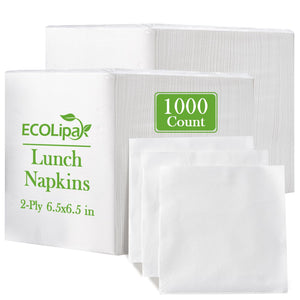
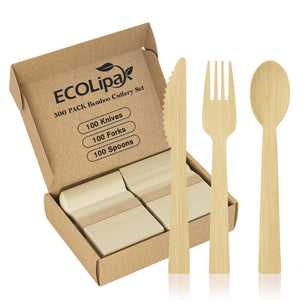
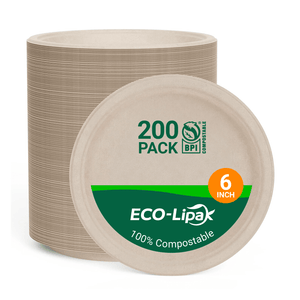
A cotton string tote can carry a towel, a larger water bottle and other dry items when they fit securely, but the mesh is not sand-proof or a protective pocket. Place keys, sunscreen caps and small items in a closed pouch. Keep ready-to-eat food in food-appropriate containers. For a picnic table, the plate collection is a separate service decision; the tote carries the supplies, while the plate must fit the meal. Do not equate a reusable carry bag with the disposal rules for event tableware.

One Bag or Three?
The current listing shows one bag for $13.99 and a three-pack for $28.99, before shipping or tax. That is about $9.66 per bag in the three-pack, but this article is about carry fit, not the cheapest pack count. One bag is a sensible trial for a small produce-only trip. Three bags can help a household separate clean produce, dry goods and non-food items across repeated trips, but they do not make an open mesh tote appropriate for raw meat or leaking packages. If you already own other sturdy reusable bags, add only the mesh capacity you will actually use.
A quick loading test is more useful than a size claim: put in a typical weekly haul, lift by both handles, walk across the room, and check whether contents protrude or settle too low. An open net changes shape under load. The long handles also change how far a filled bag hangs from the shoulder, so test the carry before heading to a busy market. For a focused pack-count comparison, see our one- versus three-pack mesh bag guide.
Cleaning and End of Life
Clean the bag after grocery trips according to its care label, especially after any contact with food residue. Let it dry fully before storing it. The bag's fabric instructions should guide water temperature and washing method; do not assume a hot wash is appropriate for every dyed cotton tote. Do not use a bag that still smells damp or has a damaged strap. Keep a clean spare if one bag is being washed.
The US EPA recommends reusing grocery bags to avoid waste. That benefit depends on actual repeated use, not a vague biodegradable label. The product page uses broad environmental phrases; avoid assuming that a used, dyed, stitched tote will be accepted by every compost program. Repair a loose seam where practical, reuse while sound, and follow local textile or waste guidance when it is worn out. ECO-Lipak's About Us page gives broader brand context, but the shopping decision still rests on the bag's real utility in your routine.
Buying Decision
Buy an open-weave mesh tote when your usual load includes whole produce, dry everyday items and the occasional picnic supply. Add a secure container when contents are small, wet, sharp, delicate or hygiene-sensitive. If you want a single closed bag for all groceries, this is the wrong format. If you want a flexible tote for a predictable subset of the trip, try one first, then consider a three-pack once you know how many you actually reuse.
Frequently Asked Questions
Will berries fall through a cotton mesh grocery bag?
Loose small berries can slip through an open weave or be crushed by heavier groceries. Use a secure washable box or bowl rather than putting them loose in the net.
Can I carry raw meat in the mesh tote?
Do not use it as the sole barrier for raw meat, poultry or seafood. Keep those foods in leak-contained packaging and separate from fresh produce and ready-to-eat foods.
Does the tote hold 35 pounds?
The current product description advertises that capacity, but a safe practical load depends on seams, straps, item shape and how the bag is carried. Test with a modest load and do not treat the claim as a reason to overfill it.
How do I clean a cotton mesh shopping bag?
Follow the sewn care label and clean it after grocery use or when soiled; dry it fully before reuse. Keep it separate from food while it is wet or dirty.
Is one bag enough for a weekly grocery run?
It may be enough for a small whole-produce haul. A larger or mixed trip needs separate secure carriers for tiny items, fragile goods and any leak-prone raw food.