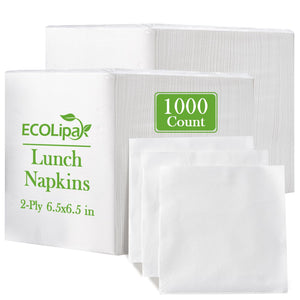
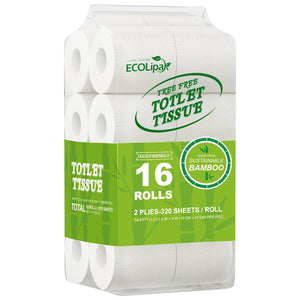
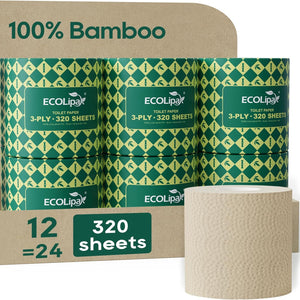
You want to know if virgin paper pulp tableware is a sustainable and effective choice for a circular economy picnic. The answer is yes. Virgin paper pulp products, including Cocktail Napkins, offer a sustainable solution for your circular economy picnic. Eco-friendly and compostable items create a sustainable environment for modern outdoor gatherings. Compostable materials like bamboo, wheat straw, and natural fibers help you achieve a sustainable circular economy picnic. Sustainable temporary structures and biodegradable utensils leave no waste behind at your circular economy picnic. Sustainable tableware ensures your circular economy picnic supports environmental goals and reduces plastic waste. Choose sustainable options for your next circular economy picnic and experience a cleaner, healthier planet.
Key Takeaways
Choose virgin paper pulp tableware for your picnic to support a sustainable circular economy and reduce plastic waste.
Ecolipak's compostable plates and napkins break down quickly, enriching soil and promoting a healthier environment.
Look for certifications like BPI and USDA BioPreferred to ensure your tableware meets strict composting standards.
Follow best practices for disposal by composting used tableware to close the loop on sustainability and support a zero-waste future.
Using eco-friendly tableware not only protects the planet but also inspires others to make environmentally conscious choices.
Circular Economy Picnic Essentials
Virgin Paper Pulp Tableware Overview
You want your picnic to leave no trace. Ecolipak helps you achieve this goal with tableware made from virgin paper pulp. When you choose eco-friendly disposable plates and sugarcane pulp bowls, you support a circular economy. These products start as renewable resources and return to the earth as compostable material. You can trust that compostable paper plates and sugarcane pulp bowls from Ecolipak break down quickly after use. This process keeps waste out of landfills and supports healthy soil.
Ecolipak’s compostable paper plates and sugarcane pulp bowls use only pure pulp. This means you avoid harmful coatings or chemicals. The pulp comes from responsibly managed sources. You get sturdy, eco-friendly disposable plates that hold up to any meal. Compostable paper plates and sugarcane pulp bowls work for hot, cold, oily, or saucy foods. You can use them at any event, knowing they will not harm the environment.
Tip: Compostable paper plates and sugarcane pulp bowls from Ecolipak are microwave and freezer safe. You can serve any dish with confidence.
Eco-Friendly Napkins and Plates
Eco-friendly disposable plates and napkins from Ecolipak make your picnic both practical and sustainable. Virgin paper pulp napkins feel soft and absorbent. They handle spills and keep your dining area clean. Compostable paper plates and sugarcane pulp bowls offer a reliable surface for every meal. You can compost these items at home or in commercial facilities.
Ecolipak’s eco-friendly disposable plates and napkins meet top environmental standards. Look for these certifications:
Certification Name |
Description |
|---|---|
BPI® |
Biodegradable Products Institute |
CMA® |
Composting Manufacturers Alliance |
USDA® BioPreferred |
U.S. Department of Agriculture's BioPreferred program |
You may wonder about the difference between virgin paper pulp and recycled fiber plates. Virgin pulp ensures compostable paper plates and sugarcane pulp bowls remain free from coatings. Recycled fiber plates sometimes contain additives that limit compostability.
Material Type |
Source |
Eco-Friendliness Level |
Pros |
Cons |
|---|---|---|---|---|
Recycled Fiber Plates |
Recycled paper pulp |
Medium |
Reduces virgin material use |
May contain coatings, limited compostability |
When you choose Ecolipak’s compostable paper plates, sugarcane pulp bowls, and napkins, you support a zero-waste lifestyle. You help protect green spaces and promote a cradle-to-cradle cycle. Eco-friendly disposable plates and sugarcane pulp bowls return nutrients to the soil, closing the loop for your picnic and the planet.
Environmental Benefits
Biodegradable and Compostable Features
You want your picnic to support the environment and leave no waste behind. Ecolipak’s biodegradable and compostable tableware gives you a clear path to zero-waste gatherings. These products use renewable resources like sugarcane bagasse and virgin paper pulp. You can trust that every plate and napkin starts as a renewable material and ends as clean humus, supporting the environment.
Biodegradable napkins break down quickly under industrial composting conditions. You place them in a compost bin, and natural plant fibers begin to decompose. Microorganisms thrive in the warm, moist environment. They digest the fibers, turning them into nutrient-rich humus. This process takes only weeks in a commercial facility. You see the environmental benefits as the napkins vanish, leaving no pollution or toxic residue. The environment gains healthy soil, and you avoid waste.
Compostable plates require specific industrial composting parameters. You need controlled temperature and moisture for rapid decomposition. The plates turn into agricultural humus, supporting crops and green spaces. You help the environment by closing the loop. You start with renewable resources, use them for your meal, and return them to the earth. The environmental impact stays positive throughout the lifecycle.
Here are the main differences between biodegradable and compostable features in tableware:
Biodegradable tableware breaks down naturally over time. You do not need special conditions.
Compostable tableware needs industrial composting. You get faster decomposition and high-quality compost.
Biodegradable products may take months or years to degrade. Compostable products finish in weeks or months.
Compostable tableware improves soil health. Biodegradable products may cause pollution if not disposed of properly.
You see the environmental benefits in every phase. You start with renewable resources, use them for your picnic, and return them to the environment as clean humus. You avoid pollution and support a zero-waste legacy for large events.
Note: You help the environment when you choose biodegradable and compostable napkins and plates. You support university green initiatives, eco-conscious event marketers, and sustainability directors who want to reduce waste and pollution.
Reducing Plastic Waste
You want to protect the environment and reduce pollution. Ecolipak’s biodegradable and compostable tableware helps you achieve this goal. You replace plastic plates and napkins with renewable alternatives. You see less waste at your picnic, and you avoid plastic pollution.
Plastic waste harms the environment. It stays in landfills for hundreds of years. It pollutes rivers, parks, and oceans. You can change this by choosing biodegradable and compostable products. You use renewable resources, and you support the environment.
Ecolipak’s napkins and plates break down quickly in industrial composting facilities. You see the environmental impact as waste disappears. You help protect green spaces and support a cleaner environment. You avoid pollution and support sustainability.
Here is a simple table showing the environmental benefits of switching to biodegradable and compostable tableware:
Tableware Type |
Decomposition Time |
Environmental Impact |
Waste Reduction |
Pollution Risk |
|---|---|---|---|---|
Plastic |
Centuries |
Negative |
Low |
High |
Biodegradable |
Months to Years |
Positive |
Medium |
Medium |
Compostable |
Highly Positive |
High |
Low |
You see the environmental benefits when you choose Ecolipak. You support renewable resources, reduce waste, and avoid pollution. You help the environment thrive. You create a zero-waste legacy for your picnic and every event.
Tip: You can compost Ecolipak napkins and plates at home or in commercial facilities. You support the environment and reduce waste every time you use them.
You make a difference with every choice. You support the environment, reduce pollution, and promote sustainability. You help create a cleaner planet for everyone.
Eco-Friendly Tableware Comparison
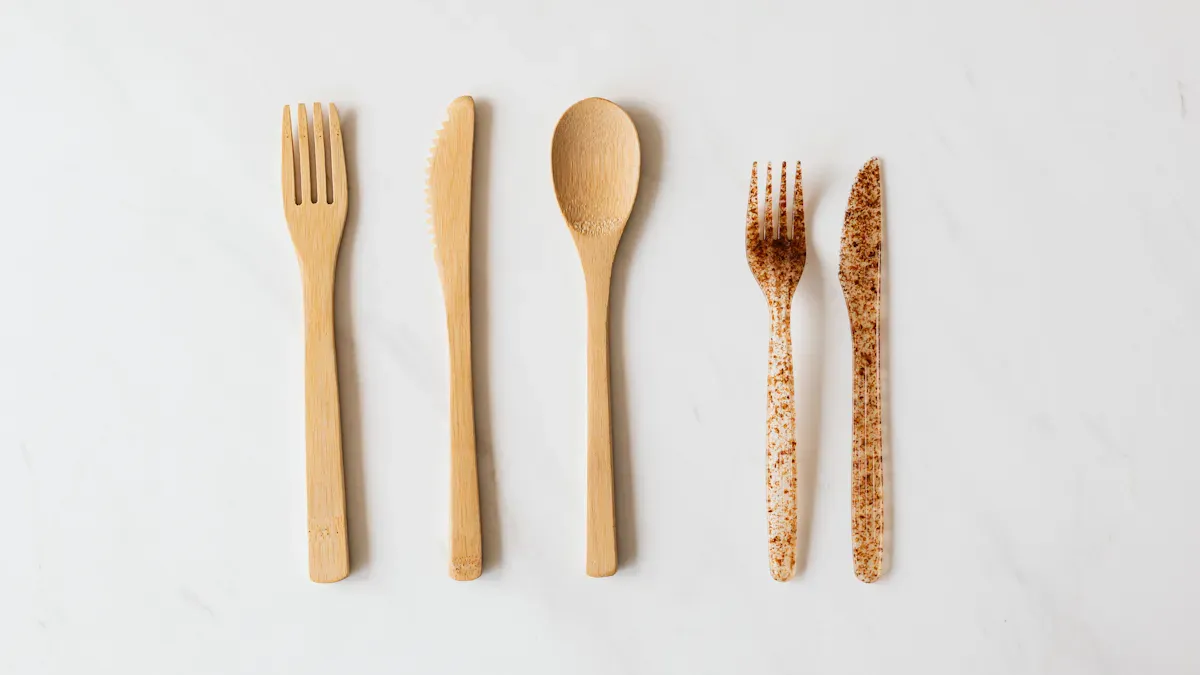
Compostable Paper Plates vs. Traditional Options
You want to choose tableware that supports the environment throughout its lifecycle. Compostable plates and biodegradable plates from Ecolipak start as renewable sugarcane fibers. You use them for your meal, then compost them to enrich the soil. Plastic plates begin as petroleum, stay in landfills for centuries, and create microplastics. Kraft paper bowls and biodegradable plates break down quickly, leaving no toxic residue.
Here is a table showing the environmental impact of different plates:
Aspect |
Biodegradable Plates (Bagasse) |
Plastic Plates |
|---|---|---|
Material Source |
Sugarcane fiber |
Petroleum-based |
Decomposition Time |
Hundreds of years |
|
Environmental Impact |
Turns into compost |
Adds to landfill |
Compostable plates decompose in weeks or months. Plastic plates last for hundreds of years. Biodegradable plates do not leave harmful chemicals. You help reduce plastic pollution by over 70% when you use compostable options. Kraft paper bowls support a zero-waste lifecycle and cradle-to-cradle environmental science.
Compostable plates improve soil health. When you compost them, they turn into natural matter. This process supports plant growth and keeps the nutrient cycle moving. You avoid microplastics and pollution. Kraft paper bowls and biodegradable plates help you create a cleaner planet.
Tip: Bagasse plates withstand temperatures up to 120°C. You can serve hot foods like soups and curries without worry.
Ecolipak vs. Other Brands
You want eco-friendly tableware that performs well and supports sustainability. Ecolipak offers compostable and biodegradable plates that break down naturally. Other brands may offer some compostable products, but not all qualify. Ecolipak ensures every product supports a zero-waste lifecycle.
Here is a comparison table:
Feature |
Ecolipak |
Other Brands |
|---|---|---|
Compostability |
100% compostable |
Some options available |
Biodegradability |
Breaks down within weeks |
Takes hundreds of years |
Ecolipak’s kraft paper bowls and biodegradable plates excel in heat tolerance, compostability, and chemical safety. You can use them for hot, oily, or saucy foods. Kraft paper bowls from Ecolipak are sturdy and reliable. Customer satisfaction remains high because you get eco-friendly products that work well.
You also want value. Ecolipak offers competitive pricing. For example, a 150-pack costs $79.99, while other brands charge more for similar eco-friendly products. You save money and support the environment.
Kraft paper bowls and biodegradable plates from Ecolipak help you track the full ecological lifecycle. You start with renewable materials, use them for your meal, and return them to the earth. You support university green initiatives, sustainability directors, and eco-conscious event marketers. You create a zero-waste legacy with every choice.
Note: Ecolipak’s compostable tableware supports cradle-to-cradle environmental science. You help protect green spaces and promote a healthier planet.
Practical Tips for Sustainable Picnics
Choosing Compostable Tableware
You want your picnic to support sustainability from start to finish. When you select tableware, look for these important features:
Check for certifications. Choose products with labels like BPI, EN13432, or OK Compost. These show that the items meet strict composting standards.
Review the material composition. Pick tableware made from renewable resources such as sugarcane, bamboo, or cornstarch. These materials support sustainability and break down quickly during composting.
Test durability and functionality. Make sure your plates and napkins can handle hot, oily, or saucy foods. Sturdy tableware prevents spills and waste.
Compare costs. Consider the long-term value of compostable options. They help you support sustainability and reduce waste over time.
Here is a table of common certifications you might see:
Certification |
Description |
|---|---|
BPI |
Ensures biodegradability in municipal composting. |
EN13432 |
European gold standard for compostability. |
OK Compost |
Suitable for industrial or home composting. |
ASTM D6400 |
U.S. standard for compostable plastics. |
ISO 17088 |
International composting standard. |
FSC |
Supports sustainable forestry practices. |
Best Practices for Disposal
You can close the loop on sustainability by following smart disposal steps. Composting is the key to turning used tableware into healthy soil. Here is how you can do it:
Check local composting guidelines. Learn what your area accepts for composting.
Separate compostable tableware from other trash. Use special bins for composting.
Clean your dishes. Rinse off food scraps before composting.
Place items in the correct compost bin. Make sure everything goes to the right place for composting.
Monitor your compost pile. Check that composting is working well.
You can also recycle or upcycle tableware if composting is not available. Some local programs accept compostable items for recycling. You can repurpose plates and napkins for crafts or organizing.
Every step you take supports sustainability. You help create a cradle-to-cradle cycle. Composting turns your picnic waste into nutrients for new plants. You protect green spaces and support a zero-waste future. Eco-conscious event marketers, university green initiatives, and sustainability directors all benefit from your choices. You make sustainability part of every picnic.
You see many benefits when you choose Ecolipak for your picnic. Compostable tableware helps you reduce plastic waste, enrich soil, and lower greenhouse gas emissions. You support a cleaner planet and healthier plants. The benefits extend to protecting wildlife and inspiring others to make eco-friendly choices. You also help conserve resources and promote a cradle-to-cradle cycle. Every plate and napkin you use returns to the earth, showing the benefits of zero-waste dining. Try Ecolipak’s Compostable Sugarcane Plates and napkins for your next picnic and enjoy the benefits of sustainable gatherings.
Benefit |
Impact |
|---|---|
Less Plastic Waste |
Land and water stay cleaner |
Healthier Soil |
Plants can grow better |
Lower Emissions |
Climate problems are less |
FAQ
What makes Ecolipak tableware a good choice for eco-friendly picnics?
You choose Ecolipak tableware because it supports environmental consciousness. The products use renewable materials. They break down quickly after use. You help the planet by picking recyclable and biodegradable options for your gatherings.
Can I compost Ecolipak napkins and plates at home?
You can compost Ecolipak napkins and plates in your home compost bin. These compostable options turn into healthy soil. You support waste reduction and help plants grow. Always check local composting guidelines for best results.
How do Ecolipak products help reduce plastic waste?
You replace plastic with Ecolipak’s recyclable and biodegradable options. These products break down fast. You keep harmful plastics out of landfills and oceans. You support waste reduction and protect green spaces.
Are Ecolipak products safe for hot and oily foods?
You can use Ecolipak plates and napkins for hot or oily foods. The sturdy design prevents leaks. You enjoy your meal without worry. The products remain safe and reliable for all types of dishes.
Why should event planners and schools choose compostable options?
You show environmental consciousness when you pick compostable options for events. You support a cradle-to-cradle cycle. You help with waste reduction and inspire others to make eco-friendly choices.