Is your lunch box hiding a health risk? The answer is often yes. This hidden risk comes from chemicals in your food packaging called PFAS. These "forever chemicals" are used to stop grease from soaking through the packaging. The problem is that PFAS can get into your food, posing a risk to your health. Studies show how widespread PFAS are in everyday food packaging.
You have the power to avoid this hidden risk. Choosing safer options, like certified sugarcane food packaging, protects your food.
Key Takeaways
PFAS are "forever chemicals" in food packaging. They make packaging grease-proof. These chemicals can move into your food.
PFAS chemicals link to serious health problems. These include cancer, immune system damage, and hormone issues. Heat, fat, and acid make PFAS move into food faster.
You can avoid PFAS. Use glass or stainless steel containers. Transfer takeout food to safe dishes right away. Never reheat food in its original disposable packaging.
Look for "PFAS-Free" labels. Certified compostable products are a good choice. Ecolipak offers safe sugarcane containers.
Many states are banning PFAS in food packaging. This pushes companies to use safer materials. Choosing PFAS-free options protects your health and the environment.
The Hidden Risk in Your Food Packaging
Your takeout container might look harmless, but it can present a hidden risk. This danger comes from a group of chemicals used in the packaging itself. Understanding these chemicals is the first step toward protecting your food.
What Are PFAS Chemicals?
PFAS are a large group of synthetic chemicals. They are often called "forever chemicals." This name comes from their structure. Per- and polyfluoroalkyl substances have a very strong bond between carbon and fluorine atoms. This bond makes them extremely slow to break down in the environment. The U.S. Environmental Protection Agency tracks nearly 15,000 different PFAS chemicals. Two of the most well-known polyfluoroalkyl substances are:
PFOA (perfluorooctanoic acid)
PFOS (perfluorooctanoic sulfonic acid)
Why They Are Used in Packaging
Manufacturers use PFAS to make food packaging grease-proof and water-resistant. These chemicals create a barrier. This barrier stops oil and moisture from soaking through the packaging. Think of how ink bleeds through a thin piece of paper. PFAS prevent your food's grease from doing the same thing to its container. This property has made polyfluoroalkyl substances a key ingredient in many food packaging products for decades. The problem is that these chemicals can move from the packaging into your food.
Common Items Containing PFAS
PFAS are found in many common food packaging items. Studies have found them in wrappers and containers from major fast-food chains and grocery stores.
Did You Know? A 2020 study found PFAS in packaging from chains like McDonald's, Burger King, and even health-focused restaurants like Cava and Sweetgreen. The packaging for a 'Big Mac' and a 'Whopper' both tested positive for high fluorine levels, indicating the presence of PFAS.
Molded Fiber Takeout Bowls
Many people think molded fiber bowls are a safe, eco-friendly choice. However, these bowls often contain PFAS to hold greasy or saucy food. Salad bowls from several popular chains have tested positive for these forever chemicals.
Fast Food Wrappers and Bags
Wrappers for burgers, sandwiches, and other greasy food frequently contain PFAS. Paper bags used for items like French fries or cookies also often have this chemical treatment. The packaging is designed to keep your hands clean, but it introduces PFAS to your meal.
Microwave Popcorn Bags
Microwave popcorn bags are another common source of PFAS. The chemicals line the inside of the bag. They prevent the oil from leaking out during heating. Studies have detected several types of PFAS in these bags, which can transfer to the popcorn as it cooks.
Understanding PFAS and Its Health Dangers
The convenience of disposable food packaging can introduce a hidden risk to your meals. These dangerous chemicals, known as PFAS, do not stay in the packaging. They can move into your food, leading to a range of health concerns. Understanding how this happens is key to protecting your health.
Major Health Concerns Linked to Exposure
Scientific studies show that PFAS exposure is linked to serious health problems. The U.S. Environmental Protection Agency (EPA) connects these polyfluoroalkyl substances to several health risks. Even low levels of exposure can be harmful over time. Major health concerns include:
Increased Cancer Risk: Studies suggest a link between high PFAS levels and a greater risk for kidney, prostate, and testicular cancers.
Immune System Damage: Exposure can weaken the body's ability to fight infections. It may also reduce the effectiveness of vaccines.
Hormone Disruption: PFAS can interfere with the body's natural hormones, affecting development and reproduction.
Liver and Thyroid Issues: These toxic compounds are associated with liver problems and thyroid disease.
Increased Cholesterol: Higher PFAS levels in the body have been linked to increased cholesterol.
These health risks make it important to limit your exposure to PFAS from all sources, including food packaging.
How Chemicals Leach Into Your Food
Chemicals move from food packaging to your food through a process called leaching or migration. PFAS are not chemically bonded to the packaging material. Instead, they are added as a surface coating. When your food touches the packaging, these toxic polyfluoroalkyl substances can transfer directly into your meal. This contamination happens without any visible signs. The longer your food sits in the packaging, the more PFAS can transfer. This process turns a simple meal into a source of unwanted chemical exposure.
When Is the Risk Highest?
Certain conditions can make PFAS contamination worse. The risk of these chemicals leaching from food packaging into your food increases significantly with heat, fat, and acid.
Hot, fatty, or acidic foods are most likely to absorb high PFAS levels from their packaging. Think about a hot, greasy burger in a wrapper or a salad with vinaigrette dressing in a fiber bowl. The heat and fats act like magnets, pulling the PFAS from the packaging into your food. Storing leftovers in the original packaging and then reheating them creates a prime scenario for high exposure. This is why you should never microwave food in takeout containers. The combination of these factors dramatically raises the PFAS levels in your meal.
A Practical Guide to Safer Lunches
Knowing the risks of PFAS is the first step. The next is taking action. You can significantly lower your chemical exposure with a few simple changes to your daily routine. This guide provides practical, easy-to-follow tips for safer meals.
Ditch Disposable Packaging Quickly
The longer your food sits in its original packaging, the more time chemicals have to migrate. Make it a habit to transfer your takeout or leftovers into a safe container as soon as you get home. This single step can dramatically reduce the amount of PFAS that leaches into your meal. Storing food in its takeout packaging is a habit worth breaking for your health.
Never Reheat in Takeout Containers
Heating food in disposable packaging is one of the biggest risks for chemical exposure. Heat accelerates the transfer of PFAS and other chemicals, like endocrine disruptors (EDCs), from the packaging directly into your food. These EDCs can interfere with your body's hormones and are linked to numerous health problems.
Even if a plastic container is labeled "microwave-safe," this label only means the plastic will not melt or warp. It does not guarantee that chemicals will not leach into your food. Public health warnings specifically advise against microwaving in disposable containers, especially black plastic packaging, which may contain hazardous flame retardants.
Safety Tip 📝 Always transfer your food to a glass or ceramic container before heating it in the microwave. Use a paper towel to cover your food instead of plastic wrap to prevent chemicals from dripping into your meal.
Choose Reusables: Glass and Steel
The best way to avoid chemicals in disposable packaging is to use reusable containers. Glass and stainless steel are the gold standard for food safety and are excellent safer alternatives. These materials offer several key benefits:
No Chemical Leaching: They are free from harmful additives like PFAS, BPA, and phthalates.
Non-Reactive: Glass and steel are chemically stable and will not react with acidic foods like tomato sauce or salad dressing. Your food's original flavor is preserved.
Durable and Non-Porous: They do not absorb food odors, flavors, or stains, making them easy to clean and long-lasting.
High-Temperature Safe: You can safely use them for reheating in the microwave (glass) or oven, without worrying about toxins being released.
Investing in a set of quality glass or steel containers is a simple and effective way to protect your food.
Look for PFAS-Free Labels
When you need the convenience of disposable packaging, look for products that are certified to be free of PFAS. As more states begin to restrict these chemicals in food packaging, many companies are shifting to safer alternatives. Choosing certified products is a form of "risk management" that ensures your packaging is compliant and safe.
To reduce PFAS exposure, check for labels from trusted third-party certifiers. Some organizations that provide "PFAS-Free" certification for food packaging include:
GreenScreen Certified®
NSF
If a product claims to be PFAS-free but lacks a clear certification, you can visit the manufacturer's website or contact them directly to verify. Making the effort to find certified packaging gives you peace of mind.
Ecolipak: A Safe and Sustainable Choice
Choosing safer food packaging is easier than you think. Ecolipak offers a reliable and sustainable packaging solution that protects your health and the environment. This choice empowers you to avoid the hidden risks of PFAS chemicals in everyday packaging.
Meet Ecolipak's Sugarcane To-Go Boxes
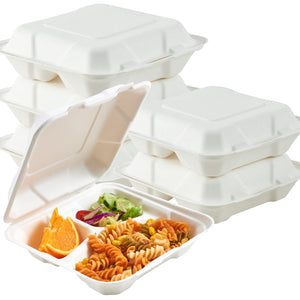
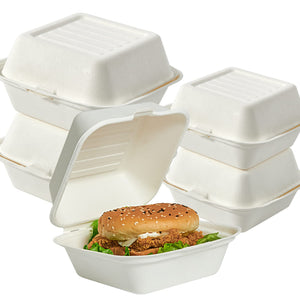
Ecolipak's 8 inch Compostable Sugarcane 3 Compartment To Go Boxes are a premier PFAS-free, eco-friendly solution. These containers are made from 100% sugarcane fiber, a renewable resource. This sustainable packaging provides a safe home for your food. You no longer need to worry about harmful chemicals leaching into your meals. This is a simple switch that benefits both your family and the planet.
Certified Safe: BPI and BPA-Free
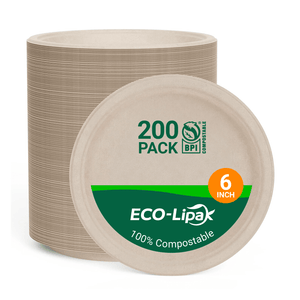
Ecolipak prioritizes safety and transparency. Our food packaging products are certified by leading organizations to ensure they are free from harmful substances like PFAS and BPA.
BPI Certified Compostable: The Biodegradable Products Institute (BPI) certifies that our packaging will break down into natural elements in a commercial composting facility within 90 days, leaving no toxic residue behind.
BPA-Free Assurance: Our packaging also meets rigorous standards to be BPA-free. This means it has undergone testing to ensure that chemical transfer into your food remains below the FDA's threshold for negligible exposure.
These certifications guarantee the packaging you use is truly safe for your food and the environment.
Designed for Real Life: Sturdy and Leak-Proof
Eco-friendly packaging should also be practical. Ecolipak's containers are designed for your daily life. Customers praise their sturdy, leak-proof construction that securely holds everything from salads to hot meals. Unlike flimsy alternatives, this packaging won't let you down. The containers are also microwave-safe, allowing you to reheat food without the risk of chemical exposure. This makes them a perfect, convenient choice for meal prep and leftovers.
From a Brand You Can Trust
Ecolipak is dedicated to making sustainability accessible. Our mission is to provide high-quality, compostable packaging that you can rely on. As states move to restrict PFAS, choosing certified PFAS-free options is a smart form of risk management. It ensures your food is safe and your choices support a healthier environment.
For Green Packaging, Go with Ecolipak Trust Ecolipak to keep your food away from plastic and harmful chemicals. Our commitment to quality and sustainability means you can pack every meal with confidence.
The Industry Shift Away From PFAS
Growing awareness of PFAS health risks is driving a major industry shift. Consumers, regulators, and brands are all pushing for safer food packaging. This change is creating a new market focused on health and sustainability. The move away from PFAS is not just a trend; it is a necessary evolution for a safer environment.
State-Level Bans Paving the Way
Governments are leading the charge against PFAS. Many U.S. states have already passed laws to ban these forever chemicals from food packaging. This legislative action forces manufacturers to find and adopt safer alternatives. The number of states with PFAS bans is growing, showing a clear trend toward stricter regulations.
State |
Effective Date |
Packaging Distinction |
|---|---|---|
New York |
December 31, 2022 |
Plant-based material |
California |
January 1, 2023 |
Plant-based material |
Washington |
February 1, 2023 |
Plant-based material |
Vermont |
July 1, 2023 |
All materials |
Colorado |
January 1, 2024 |
Plant-based material |
Maryland |
January 1, 2024 |
Plant-based material |
Connecticut |
January 1, 2024 |
All materials |
Minnesota |
January 1, 2024 |
All materials |
This momentum is expected to continue, making the search for PFAS-free packaging more urgent than ever.
Innovation in Safer Materials
The demand for PFAS-free packaging has sparked incredible innovation. Scientists and companies are conducting research to develop new materials that are both safe and effective. One promising area of research involves using graphene oxide to create a grease-proof barrier on paper. This technology strengthens the packaging without using harmful PFAS. Other companies are developing shorter-chain alternatives or plant-based coatings. This ongoing research is key to creating a new generation of sustainable packaging that protects both people and the environment. These new alternatives are designed to deliver performance without the risk of PFAS.
How to Identify Safer Alternatives
Navigating the world of eco-friendly packaging can be confusing. It is important to know the difference between terms.
Compostable vs. Biodegradable
Compostable packaging breaks down into nutrient-rich soil in a specific timeframe, leaving no toxic residue. It is a great indicator of a product free from PFAS.
Biodegradable packaging breaks down over time but may leave behind harmful substances.
For businesses like restaurants, choosing certified compostable packaging is a smart form of risk management. It ensures compliance with new laws and protects customers from PFAS. This proactive approach to sustainability makes it easier to pass audits and build trust. By selecting certified PFAS-free alternatives, you are making a safe choice for your food and supporting a healthier future.
You can significantly reduce the hidden risk from your food packaging. Making simple, conscious choices protects your health from harmful PFAS. Your daily food habits have a big impact on your well-being.
Here are the most effective actions you can take:
Pack your food in glass or stainless steel packaging.
Transfer takeout food out of its original packaging immediately.
Choose certified compostable packaging, like the safe options from Ecolipak, to avoid PFAS in your food.
These small changes empower you to take control of your health. Safer food packaging is a simple step toward a healthier life.
FAQ
What are PFAS chemicals?
PFAS are "forever chemicals" used to make food packaging grease-proof. They are a health concern because they can move from the packaging into your food. Studies link them to serious health problems like increased cancer risk and immune system issues.
How can I easily avoid PFAS in my food?
The simplest way is to use reusable glass or stainless steel containers. When you get takeout, transfer the food to a safe plate at home. Never reheat food in its original disposable packaging, as heat increases chemical transfer.
Are all "eco-friendly" bowls safe from PFAS?
No, not always. Some molded fiber bowls still use PFAS for grease resistance. To be sure, look for packaging that is explicitly labeled "PFAS-Free." Certified compostable products, like those from Ecolipak, are a reliable and safe choice.
Why should my restaurant choose certified PFAS-free packaging?
Choosing certified PFAS-free options is smart risk management. Many states are banning PFAS in food packaging. Using compliant products like sugarcane containers ensures you pass audits, protect your customers, and build trust in your brand.