You might notice your child reaching for soft blankets, plush toys, or gentle napkins during meals. Soft textures give your child comfort and emotional security. Many children prefer the Tactile Warmth Factor, which helps them feel safe and calm. Tactile experiences shape your child’s preferences and support healthy development.
Tactile perception plays a pivotal role in the early stages of human development. One of the primary means children use to explore and learn is through tactile experiences. Investigating tactile function in early childhood is critical as it can shape sensory preferences and engagement with the environment.
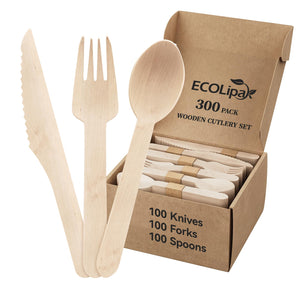
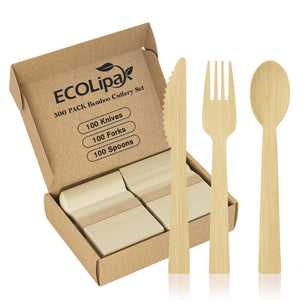
Safe tableware, like wooden cutlery, offers a warm touch and smooth edges, making it perfect for your child’s birthday party.
Key Takeaways
Soft materials provide comfort and emotional security for children, helping them feel safe and calm.
Daily tactile stimulation supports healthy development and can improve emotional regulation and social skills.
Choosing natural, soft fabrics for clothing and bedding enhances your child's comfort and reduces irritation.
Engaging with soft textures can help children manage stress and anxiety, promoting better focus and emotional stability.
Using eco-friendly products, like Ecolipak napkins and wooden tableware, supports your child's health and the environment.
The Tactile Warmth Factor in Childhood
The tactile warmth factor describes how children respond to soft, gentle textures. You see this when your child hugs a plush toy or wraps up in a cozy blanket. The sense of touch is one of the first ways children explore their world. Soft materials help your child feel safe and comfortable. The tactile warmth factor matters because it shapes sensory preferences and supports healthy development.
Research shows that children who lack tactile stimulation can face delays in development and health problems.
Just ten minutes of extra handling can improve physical health in infants.
Daily tactile stimulation for institutionalized infants leads to higher scores on developmental assessments.
The tactile warmth factor is not just about physical comfort. It also affects emotional well-being. Children who experience positive tactile interactions often show better emotional regulation and stronger social skills. You can support your child’s sensory needs by offering soft materials and safe tableware, like splinter-free wooden cutlery. These items provide a warm touch and smooth edges, making them ideal for birthday parties and everyday meals.
Comfort and Emotional Connection
Soft textures create a strong emotional bond for your child. When your child holds a favorite stuffed animal or uses a gentle napkin, they feel a sense of comfort. The tactile warmth factor helps children manage stress and anxiety. Exposure to soft materials can reduce anxiety and improve focus. Activities like squeezing a stress-relief toy or rolling a textured ball calm your child and help them regulate emotions.
The choice of art materials also influences emotional regulation. Dry materials, which are easier to control, tend to cause less anxiety than wet materials. This shows how tactile experiences shape emotional responses. Children who interact with comfort objects activate their parasympathetic nervous system, which lowers stress hormones. You can see your child’s emotional connection grow as they care for their comfort objects.
Psychological Function |
Description |
|---|---|
Separation anxiety management |
Comfort objects extend parental security, helping children explore independence safely. |
Emotional regulation |
Interaction with comfort objects reduces stress hormones during challenging situations. |
Identity development |
Caring for comfort objects lets children practice nurturing behaviors and responsibility. |
Symbolic thinking |
Comfort objects represent early abstract thinking, important for later learning. |
Object permanence reinforcement |
Comfort objects help children understand that things exist even when out of sight. |
Language development |
Children often talk about their comfort objects, which encourages early language skills. |
Independence practice |
Security from comfort objects helps children explore separation from caregivers confidently. |
Empathy development |
Children learn emotional recognition by attributing feelings to their comfort objects. |
Boundary establishment |
Comfort objects help children set and communicate personal boundaries. |
Security Through Softness
Soft materials give your child a sense of security. Attachment objects like blankets or stuffed animals act as emotional bridges. They remind your child of parental love and safety. When your child faces separation or new experiences, these objects help them manage anxiety. Children with strong bonds to comfort objects often report higher happiness and stronger attachments to parents.
Comfort objects also help your child regulate emotions. Physical interaction with soft items reduces stress hormones and supports emotional stability. Caring for a comfort object teaches responsibility and nurturing behaviors. Sensory-informed support, especially for children with texture sensitivities, can reduce anxiety and improve quality of life. Art therapy and tactile activities, such as squeezing a soft toy, help children manage stress and develop emotional regulation.
You can enhance your child’s sense of safety by choosing soft, safe materials for daily routines. Wooden tableware with smooth edges offers a warm touch and tactile comfort. This makes it perfect for young children’s birthday parties, where sensory experiences matter most. The tactile warmth factor guides you in selecting items that support your child’s sensory and emotional needs.
Texture and Touch: Shaping Preferences
Soft vs. Rough Materials
You notice that children respond differently to texture. Soft materials often bring comfort and calmness. Children with high sensory sensitivity prefer soft and smooth textures. They associate these textures with relaxation and emotional security. Rough textures can feel overwhelming or unpleasant for sensitive children. Some children with lower sensitivity show interest in rough textures and bold colors. Sensory research shows that children rate soft colors and smooth textures much higher than rough ones. When children touch soft fabrics like satin, they display soothing behaviors. Texture exploration helps children discover what feels best for them.
Children with high sensitivity prefer soft and smooth textures.
Lower sensitivity children tolerate or enjoy rough textures.
Soft textures receive higher emotional resonance scores (mean: 8.5) compared to rough textures (mean: 2.0).
As children grow, their preferences for food texture shift. Younger children like smooth foods, while older children and adults prefer harder textures. Mothers often choose harder foods more than their children. Texture exploration changes as children develop.
Natural vs. Synthetic Textures
Natural materials offer rich and intricate sensory experiences. When children engage with natural textures, they learn to regulate emotions and adapt to new sensations. Natural materials like wool and cotton provide authentic tactile experiences. Synthetic materials lack the genuineness found in natural materials. Children who interact with natural materials develop a sense of environmental stewardship. You can help your child by choosing natural materials for clothing, bedding, and tableware. Natural materials support sensory development and emotional well-being.
Natural materials provide diverse sensory experiences.
Engaging with natural textures helps children with sensory processing challenges.
Natural fibers foster a sense of truth and genuineness.
Using natural materials teaches children to care for the environment.
Wooden tableware, made from natural materials, offers a warm touch and safe edges. This makes it ideal for young children’s birthday parties. The texture of wooden utensils feels gentle and comfortable, supporting tactile psychology and sensory needs.
Ecolipak’s Soft Napkins for Kids
Ecolipak’s 2-Ply Soft&Absorbent White Paper Napkins use natural materials to deliver softness and absorbency. These napkins are gentle on children’s sensitive skin. You can rely on their durability, which reduces the number of napkins needed per meal. Ecolipak napkins are eco-friendly, made from premium paper fibers and BPA-free. The napkins provide a comfortable texture that children enjoy during meals.
Feature |
Benefit |
|---|---|
Durable |
Reduces the number of napkins needed per meal |
Eco-friendly |
Made from premium paper fibers and BPA-free |
Compared to other brands, Ecolipak napkins stand out for their softness, high absorbency, and durability. They also offer eco-friendliness, which supports your child’s health and the environment.
Feature |
Ecolipak Napkins |
Other Brands |
|---|---|---|
Softness |
Soft |
Varies |
Absorbency |
High (2-ply) |
Varies |
Durability |
High |
Varies |
Eco-friendliness |
Yes |
Varies |
You can choose Ecolipak napkins for your child’s meals, birthday parties, or daily routines. The texture of these napkins supports sensory comfort and environmental responsibility.
Sense of Touch in Daily Life
Clothing and Comfort Choices
You see the sense of touch guiding your child’s daily decisions. When your child gets dressed, the sense of touch helps them choose clothing that feels comfortable. Some children experience discomfort from certain fabrics, seams, or tags. This discomfort can lead to strong preferences or aversions. For example, a child may take a long time to get dressed because the sense of touch makes them sensitive to the texture of clothing. You notice your child prefers soft shirts or tagless socks. The sense of touch shapes these choices and helps your child feel secure.
Children with tactile sensitivity often avoid rough or scratchy textures. They may refuse to wear clothes with seams or tags. The sense of touch can cause pain or discomfort from non-threatening sensations. You can support your child by choosing clothing made from soft, natural materials. This helps your child feel comfortable and confident. You also see the sense of touch influencing choices in comfort items, such as blankets or plush toys. These items provide sensory comfort and emotional security.
Tip: Look for clothing labels that mention “sensory-friendly” or “seamless” designs. These options help children with tactile sensitivity enjoy daily routines.
Play, Self-Soothing, and Routines
The sense of touch plays a big role in your child’s play and self-soothing routines. Many children show tactile defensiveness, which affects their choice of play materials. Up to 16 percent of school-aged children display signs of tactile defensiveness. Children with Autism Spectrum Disorder often experience hypersensitivity to texture, which can limit their engagement in activities.
Children may avoid messy play, such as mud or finger paint.
Some children dislike grooming activities like hair brushing or nail trimming.
Many children show fussiness with food textures, avoiding lumpy or crunchy foods.
The sense of touch helps your child decide which activities feel safe and enjoyable. You notice your child prefers smooth toys or soft play mats. Sensory integration techniques can help your child adapt to new textures and experiences. You can offer sensory-friendly play materials and routines to support your child’s needs.
Tactile psychology shows that warm touch and edge safety matter in daily routines. Wooden tableware with smooth edges provides a gentle texture, making it perfect for young children’s birthday parties. You can choose tableware that supports your child’s sense of touch and sensory comfort.
Sensory Sensitivity Behaviors |
Description |
|---|---|
Dislike for messy play |
Avoids mud, glue, finger paint |
Clothing fussiness |
Refuses items with seams, tags, rough textures |
Grooming aversion |
Dislikes hair brushing, washing, nail trimming |
Food texture fussiness |
Avoids lumpy, mixed, or crunchy foods |
Research shows that only about 20 percent of the population is highly sensitive. You can identify sensory sensitivities by observing your child’s reactions to different textures and touch experiences. Support your child’s sense of touch by offering soft, safe, and sensory-friendly options in daily life.
Supporting Kids’ Tactile Needs
Choosing the Right Materials
You want your child to feel comfortable and safe every day. Choosing the right materials makes a big difference. Natural, breathable fabrics like organic cotton, TENCEL™, and merino wool help your child enjoy a gentle touch. These materials support your child’s sense of comfort and reduce irritation. Avoid flame-retardant-treated synthetics and bamboo rayon, which can cause discomfort. Look for trusted certifications such as GOTS and Oeko-Tex® Standard 100. These labels show that the materials are safe for your child. Always check for chemical-free dyes and finishes. Safety matters more than softness, so select products that protect your child’s health.
Tip: Prioritize soft, certified fabrics for clothing, bedding, and tableware. This helps your child feel secure and supports their sense of well-being.
Managing Sensitivities
Many children experience tactile sensitivity. You can help your child by cutting out tags and choosing seamless socks and soft fabrics. Let your child pick their own clothes when possible. Soft, breathable sheets and weighted blankets offer calming deep pressure. Create a quiet corner with soft pillows where your child can retreat if overwhelmed. Introduce new textures in a playful way, such as sensory bins with rice or water beads. Always give a heads-up before touching your child, and use firm, predictable pressure. Avoid tickling, as it can overstimulate your child. Homes and schools should have quiet areas and sensory-friendly spaces to help your child manage their sense of touch.
Therapeutic interventions like sensory integration therapy and occupational therapy can help your child build tolerance to different textures. Activities such as textured toys, gentle brushing, and heavy work like carrying groceries or jumping on a trampoline support emotional regulation and fine motor skills.
Eco-Friendly Options with Ecolipak
Eco-friendly materials protect your child and the planet. Many parents prefer organic and natural products because they are safe and high-quality. Ecolipak’s 2-Ply Soft&Absorbent White Paper Napkins use premium paper fibers and BPA-free materials. These napkins feel gentle on your child’s skin and support their sense of comfort. Sustainable sourcing and biodegradable materials reduce waste and environmental impact. Ecolipak’s packaging uses recycled and recyclable materials, minimizing waste and supporting responsible choices.
Wooden tableware from Ecolipak offers a warm touch and smooth edges. Tactile psychology shows that children respond positively to these features. The warm touch and edge safety make wooden tableware perfect for young children’s birthday parties. Parents can trust these materials to provide both comfort and safety, supporting their child’s sense of security during special events.
Material |
Benefit for Child |
|---|---|
Organic cotton |
Soft, breathable, safe |
Wooden tableware |
Warm touch, edge safety |
Ecolipak napkins |
Gentle, absorbent, eco-friendly |
Note: Choosing eco-friendly products supports your child’s health and helps protect the environment for future generations.
You play a vital role in nurturing your child’s tactile preferences. When you respect their need for soft materials, you support emotional regulation and healthy development. Children benefit from enhanced brain development, improved memory, and stronger problem-solving abilities. Pediatricians recommend safe, eco-friendly materials for daily routines. Ecolipak’s napkins and wooden tableware offer a warm touch and edge safety, making them ideal for birthday parties. Embrace your child’s unique sensory needs and create a comforting environment where every touch matters.
Finding |
Description |
|---|---|
Texture Preference |
Children prefer softer, uniform textures for comfort. |
Sensory Processing |
Supporting tactile needs improves emotional well-being. |
FAQ
What makes soft materials important for kids’ tactile learning?
Soft materials help you explore the world through touch. You build tactile learning skills by feeling gentle textures. This process supports your emotional development and helps you understand your environment. Softness encourages curiosity and makes play and learning more enjoyable.
How do sensory processing challenges affect daily routines?
Sensory processing challenges can make certain textures uncomfortable for you. You might avoid rough fabrics or messy play. Choosing soft materials helps you feel safe and calm. This support improves your emotional development and makes daily routines easier.
Why is wooden tableware recommended for young children’s birthday parties?
Wooden tableware offers a warm touch and edge safety. You feel comfortable holding these utensils. Tactile psychology shows that gentle textures help you relax. Wooden tableware supports play and learning during birthday parties and keeps you safe.
How do soft materials influence cognitive development?
Soft materials help you focus and feel secure. You use touch to build cognitive skills. This process supports learning and memory. Soft textures encourage you to explore new ideas and develop problem-solving abilities.
Can soft materials help with emotional development?
Soft materials provide comfort and security. You feel calm when you touch gentle fabrics or napkins. This comfort supports emotional development and helps you manage stress. Softness encourages positive feelings and builds confidence.