Zero-waste tailoring changes how you experience fashion. You see sustainable fashion everywhere, from luxury runways to your closet. When you choose zero-waste tailoring, you support sustainable designers and materials. Fashion becomes a daily statement for a better world. Sustainable fashion uses new ideas and eco-friendly practices. You notice sustainable details in every stitch, every choice of fabric, and every accessory. Fashion leaders now focus on sustainable collections and zero-waste tailoring with every new season. You can enjoy fashion that feels good and looks good. Sustainable products like Eco-friendly Compostable Cups show how easy it is to bring sustainability into fashion events and your daily routine. Zero-waste tailoring lets you care for the environment while living with style. Sustainable fashion is for everyone who wants a better future.
Key Takeaways
Zero-waste tailoring eliminates fabric waste, promoting sustainable fashion and reducing environmental impact.
Choosing sustainable designers supports eco-friendly practices and encourages a circular economy in the fashion industry.
Upcycling everyday items transforms old garments into unique pieces, minimizing waste and expressing personal style.
Building a sustainable wardrobe involves making thoughtful choices, such as buying secondhand and investing in quality pieces.
Participating in local workshops and online communities enhances knowledge of sustainable fashion and connects you with like-minded individuals.
Zero-Waste Tailoring Principles
What Is Zero-Waste Tailoring?
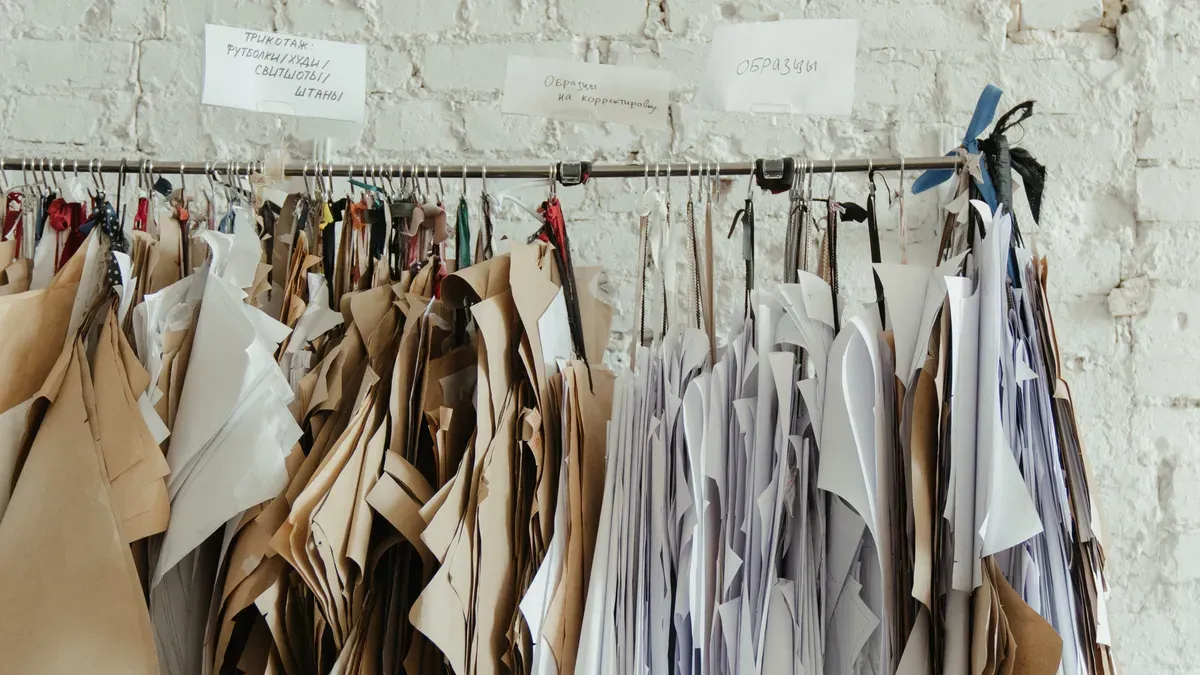
You see zero-waste tailoring as a core part of sustainable fashion. This approach uses innovative design methods that eliminate waste during garment production. Designers use the entire fabric, so nothing goes to the landfill. You notice that zero-waste tailoring combines creativity with scientific pattern-making. This process optimizes every inch of material, reducing the impact of fashion on the environment. You find that zero-waste tailoring uses several techniques:
Use of zero waste patterns
Piecing fabric together
Reducing seam allowances
Dividing fabric width for efficient layout
Creating unique style lines with creative construction
These methods help you support sustainability and make eco-conscious choices in your wardrobe.
Benefits for Modern Lifestyles
The core concept of zero-waste fashion design is to eliminate or minimize the generation of scrap material during clothing production, which is believed to have a smaller environmental impact than treating and reusing waste material. This approach enables sustainable clothing production.
You experience many benefits when you choose zero-waste tailoring. You help reduce waste and support a circular economy. You also enjoy garments that reflect your values and style. Many consumers now show higher satisfaction and purchase intention for zero-waste shirts, matching their interest in conventional fashion. When you highlight the environmental benefits, you increase the appeal and acceptance of sustainable fashion. This shift supports the wider adoption of circular design and eco-friendly practices in the industry.
ESG and Sustainability in Fashion
You see sustainability as a driving force in the fashion industry. Brands and event organizers focus on environmental, social, and governance (ESG) goals to reduce impact and promote sustainable fashion. In Europe and North America, you notice a strong commitment to sustainability, where both consumers and brands value environmental impact over profit. In Asia, especially China, the focus often remains on profitability, with slower adoption of sustainable practices. Government policies play a key role in shaping the industry:
Description |
|
|---|---|
Legislation for Waste Reduction |
Establishes laws that encourage reducing waste and promotes sustainable production methods. |
Bans on Single-Use Plastics |
Directly reduces the amount of waste generated from disposable items. |
Promotion of Circular Economy |
Supports systems that reuse materials, minimizing waste. |
Mandatory Recycling Programs |
Ensures that recycling is a requirement, increasing recycling rates. |
You see that adopting zero-waste tailoring leads to cost reductions for businesses and enhances brand reputation. As an eco-conscious consumer, you support companies that reflect your values. This commitment to sustainability drives long-term success and positive impact for both people and the planet.
Fashion Week and Sustainable Innovation
London Fashion Week’s Zero-Waste Approach
You see fashion week as a stage for new ideas and responsible choices. London Fashion Week leads the way in zero-waste tailoring and sustainable runway concepts. You notice designers using every piece of fabric, turning scraps into statement pieces. London Fashion Week sets high standards for eco-friendly practices. You watch as organizers choose green materials for everything, from invitations to event décor. You learn that London Fashion Week inspires other cities to follow its example. You see how this event makes zero-waste tailoring a symbol of modern luxury.
Recycled Materials on the Runway
You experience the excitement of fashion week when designers reveal collections made from recycled fabric. London Fashion Week and New York Fashion Week both showcase bold looks using upcycled materials. You see the Green Show at New York Fashion Week, where eco-conscious brands use sustainable production methods. You notice Ebay’s Endless Runway show, which features pre-loved designer looks. You realize that sustainable runway concepts now shape the future of fashion. You understand that recycled materials do not limit creativity—they spark new trends and set the tone for luxury streetwear and avant-garde designs.
At New York Fashion Week 2023, over 30 sustainable-focused brands showcased their designs.
The Green Show at New York Fashion Week highlights eco-conscious brands using sustainable production methods.
Ebay's Endless Runway show features pre-loved designer looks, available for purchase on Ebay.
Ecolipak Paper Cups at Fashion Events
You know that every detail matters at fashion week. London Fashion Week and New York Fashion Week both demand products that match their high standards. You see Ecolipak’s sleek white PLA-lined paper cups at exclusive pop-ups and backstage lounges. These cups offer a runway-ready eco-luxury solution. You notice how they complement avant-garde clothing displays and satisfy strict environmental guidelines. You feel the difference when you hold a compostable cup instead of a standard plastic one. The modern design and plant-based materials add to the sophisticated atmosphere. You help create a luxury experience while supporting the planet. Ecolipak cups show that sustainable choices belong at the heart of elite cultural moments. You make every sip part of the fashion story.
Practical Steps for Zero-Waste Tailoring
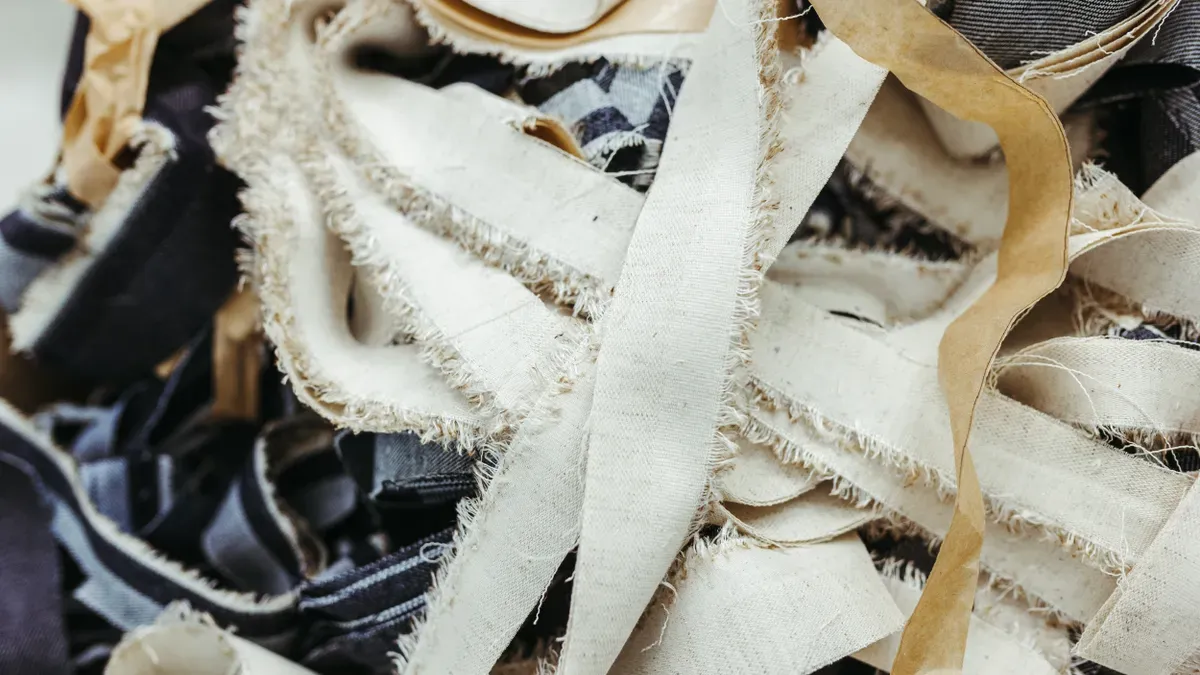
Choosing Sustainable Designers
You shape the future of fashion when you choose sustainable designers. These designers lead the way in sustainable fashion by using innovative design methods and eco-friendly practices. NJ3 Atelier stands out for its zero-waste design systems, which address textile waste and set new standards for luxury fashion. Loomstate, known for its sustainable production methods, introduced a zero-waste garment in partnership with Parsons The New School for Design. This project shows that sustainable designs can minimize waste and promote circularity in the industry. Zegna’s #UseTheExisting project uses pre-loved and post-consumer materials, proving that sustainable-focused brands can create high-quality, secondhand luxury pieces.
When you support sustainable designers, you help promote circular fashion and encourage others to adopt eco-conscious practices. You see that these brands use sustainable materials, transparent supply chains, and ethical labor. You make a difference by choosing brands that value the environment and prioritize sustainable consumption. Sustainable designers inspire you to look for secondhand options and invest in pieces that last.
Tip: Research sustainable designers before you shop. Look for brands that use secondhand materials and have a clear commitment to sustainable fashion.
Upcycling Everyday Items
You can transform your wardrobe by upcycling everyday items. Upcycling gives new life to secondhand clothes and reduces waste. You use creative techniques to turn old garments into unique fashion pieces. Here are some popular methods for upcycling:
Patchwork: Sew together pieces of old fabric to create new designs.
Dyeing & Tie-Dye: Refresh old clothes with color using tie-dye techniques.
Embroidery & Appliqué: Add decorative patterns to elevate garments.
Cutting & Reshaping: Turn jeans into shorts or shirts into bags.
Layering & Stacking: Combine fabrics to make unique clothing pieces.
Adding Decorative Details: Use buttons, lace, or embellishments to enhance secondhand garments.
You see that upcycling supports sustainable fashion and helps you express your style. You can find inspiration from sustainable designers who use upcycling in their collections. When you upcycle, you minimize waste and support a circular approach to fashion.
Note: Upcycling is a fun way to personalize your wardrobe and support sustainable consumption. You can join local workshops or online communities to learn new skills and share ideas.
Building a Sustainable Wardrobe
You build a sustainable wardrobe by making thoughtful choices. You start by changing your attitude toward shopping. Consider vintage or secondhand pieces, or rent special items for events. You research sustainable-focused brands and avoid fast fashion’s greenwashing. Buy fewer pieces that you will wear often and invest in trans-seasonal clothes that work all year.
Here are key steps to help you build a sustainable wardrobe:
Change your shopping habits by choosing vintage or renting secondhand items.
Learn about sustainable brands and check their commitment to eco-friendly practices.
Buy fewer, high-quality pieces that pass the “30 wears” test.
Invest in clothes you can wear in any season.
Donate unwanted clothes and follow a one-in, one-out policy.
Take care of your clothes and learn basic repair skills.
Prioritize quality over quantity and save for sustainable designs.
Spend on everyday essentials, not just occasional items.
Be intentional with every purchase, repair, or donation.
Check clothing labels for quality and care instructions.
Ask questions about the supply chain to hold brands accountable.
Get to know fabrics and their environmental impact.
Track what you wear to avoid unnecessary purchases.
Clear out your closet mindfully, considering circular options for secondhand clothes.
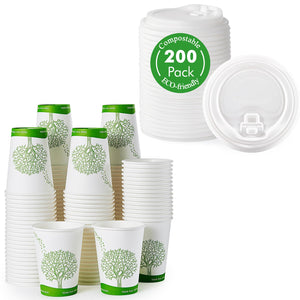
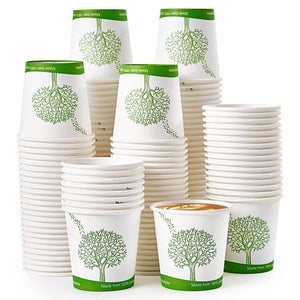
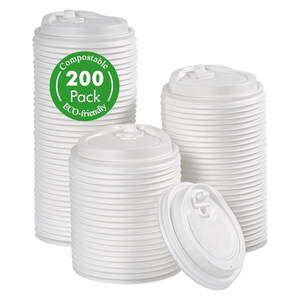
You can also use sustainable products in your daily routine. Ecolipak’s 12 oz Compostable Paper Coffee Cups with CPLA Lids offer a real-world example of sustainable product use. These cups are made from renewable resources and break down in compost facilities. They are BPA-free, food safe, and have eco-certifications. When you use these cups at events or in your daily life, you support sustainable consumption and reduce your carbon footprint.
Feature |
Compostable Disposable Cups |
Traditional Plastic-Lined Cups |
|---|---|---|
Made from renewable resources |
Yes |
No |
Breaks down in compost facility |
Yes |
No |
BPA-free and food safe |
Yes |
Sometimes |
Eco-certifications |
Yes |
Rarely |
Lower carbon footprint |
Yes |
No |
You see that compostable cups use renewable plants and create fewer greenhouse gas emissions. They decompose in 3–6 months in a composting facility, while traditional cups can take over 20 years in a landfill. You avoid microplastic risks and support a cleaner environment.
Customer Story: Many customers praise Ecolipak’s compostable cups for their durability and eco-friendly design. Event planners and families use these cups at parties, pop-ups, and luxury events. They find the cups sturdy, stylish, and safe for both hot and cold drinks. Customers appreciate that they can enjoy their beverages while supporting sustainable fashion and eco-friendly practices.
You make a positive impact when you choose sustainable products and secondhand options. You help promote circular fashion and inspire others to adopt sustainable habits. Every choice you make, from supporting sustainable designers to using compostable cups, brings you closer to a zero-waste lifestyle.
Practical Step |
Description |
|---|---|
Innovative Design Methods |
Use creative techniques to minimize fabric waste during the design stage. |
Upcycling |
Transform discarded materials into new products, giving them a new life. |
Recycling |
Convert waste materials into new resources, reducing the need for virgin materials. |
Creative Pattern-Making |
Use geometric shapes to create patterns that fit together, minimizing fabric waste. |
Employee Engagement |
Involve and train employees in zero-waste practices to foster a culture of sustainability. |
Establish Measurable Goals |
Set clear objectives to track progress towards achieving zero waste in tailoring. |
You face some barriers to adopting zero-waste tailoring, such as behavior change and lack of knowledge. You can overcome these by making sustainable systems easier to access, joining educational programs, and supporting policies that promote circular fashion.
Remember: Every step you take toward sustainable fashion, from upcycling secondhand clothes to using compostable cups, helps protect the environment and supports a luxury lifestyle rooted in eco-conscious practices.
Community and Resources for Sustainability
Local Workshops and Events
You can join local workshops and events to learn more about sustainable fashion. These gatherings bring together designers, students, and community members who want to make a difference. Many workshops teach you how to use zero-waste tailoring methods and showcase creative work. You see schools and young designers presenting their ideas and skills. Community events often focus on sustainable practices and highlight the importance of using eco-friendly materials. Some workshops blend culture with sustainability, showing how different traditions can inspire new fashion.
Workshop/Event Type |
Description |
|---|---|
Local Engagement |
Teaches schools and young designers about zero-waste fashion, showcasing their work. |
Community Mobilization |
Involves members in planning and running participatory workshops and forums. |
Sustainability Focus |
Promotes circularity, encourages no new clothes on the runway, and supports eco-friendly habits. |
Cultural Integration |
Blends cultural elements with sustainable designs. |
Educational Outreach |
Raises awareness and educates about sustainable fashion practices. |
You find that these events help you connect with others who share your passion for sustainable fashion.
Online Learning and Support
You can access many online resources to support your journey in sustainable fashion. Online courses, webinars, and forums give you the tools to learn about zero-waste tailoring from anywhere. You find step-by-step guides, video tutorials, and expert advice. Many platforms offer support groups where you can ask questions and share your progress. These resources help you stay updated on the latest trends in sustainable fashion and connect with a global community. You can also join virtual events that focus on sustainable materials, recycling, and upcycling.
Tip: Use online platforms to find inspiration and practical tips for your next sustainable fashion project.
Joining Sustainable Fashion Communities
You can join sustainable fashion communities to deepen your knowledge and expand your network. These groups teach you how to reduce waste through innovative designs. They promote the use of eco-friendly materials and encourage recycling and upcycling. You support local artisans and help minimize waste generation. By joining these communities, you become part of a movement that values sustainable choices and circular fashion systems. You gain access to workshops, events, and exclusive content that help you stay ahead in the world of sustainable fashion.
Learn sustainable practices from experienced designers.
Discover new ways to use recycled materials.
Support local artisans and eco-friendly brands.
Share your journey and inspire others to choose sustainable fashion.
You see that every step you take in these communities brings you closer to a luxury lifestyle that values both style and sustainability.
You see how sustainable fashion transforms your style and your responsibility to the planet. Sustainable fashion gives you the power to choose luxury and care for the environment. You support sustainable designers and brands like Ecolipak. You join sustainable community events and workshops. You notice that sustainable fashion faces challenges in some regions:
The textile industry creates environmental issues, especially where sustainable options are less affordable.
Many workers in fashion earn low wages and work in unsafe conditions.
You help change this by choosing sustainable fashion. You support circular systems and reduce waste. You create a sustainable future for everyone. Sustainable fashion can cut global waste in half and create green jobs. You make sustainable fashion part of every elite event and daily life. You inspire others to choose sustainable fashion for a better world.
FAQ
What is zero-waste tailoring?
Zero-waste tailoring uses every part of the fabric. You see no scraps left behind. Designers plan patterns to fit together perfectly. This method helps you reduce waste and supports a cleaner planet.
How do compostable cups fit into luxury events?
You create a premium experience when you use compostable cups at high-end events. These cups show your guests that you value both style and sustainability. Ecolipak’s modern design matches luxury branding and keeps your event eco-friendly.
Can you use Ecolipak cups for both hot and cold drinks?
Yes, you can. Ecolipak’s 12 oz compostable cups work for hot coffee or iced drinks. The sturdy design and CPLA lids keep your beverages safe. You serve guests with confidence at any event.
Why should you choose sustainable designers for fashion events?
You set your event apart when you choose sustainable designers. Their work highlights innovation and responsibility. Guests notice your commitment to the planet. This choice adds value to your brand and creates a memorable experience.
Where can you learn more about zero-waste tailoring?
You can join local workshops or online courses. Many fashion communities offer resources and support. You connect with experts and learn new skills. This helps you bring zero-waste ideas to your next event or collection.