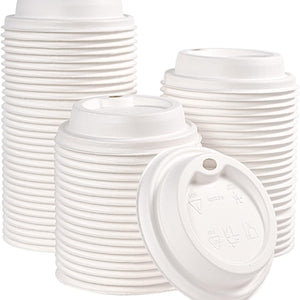
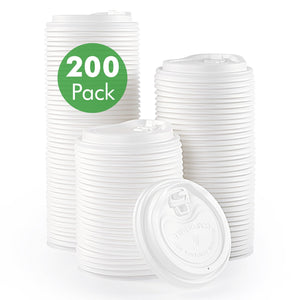
Quick Answer: Buy a 3.54-inch (90 mm) sugarcane coffee cup lid only after testing it on the exact paper cup you use. Cup capacity alone does not establish lid fit: the rolled rim diameter and shape do. ECO-Lipak's white molded-fiber sip lid is sold in 200-count boxes and 800-count cartons. Start with 200 for a new cup program; move to 800 after the snap fit, sip opening, and daily demand pass a real service test.
A lid may be the smallest item in a coffee order, yet it determines whether that order survives the walk from counter to car. The recent move toward fiber-based drink accessories makes the fit question more important, not less. A cafe can make a thoughtful material choice and still disappoint a customer if the lid pops loose. This guide is for buyers comparing ECO-Lipak's 3.54-inch sugarcane sip lid with the cups already on the shelf.
Key Takeaways
- Measure the outside diameter of the cup's rolled rim; “12 oz” and “16 oz” describe capacity, not necessarily the rim.
- Do a snap-on, gentle tilt, and sip test with the actual hot and cold drinks you sell. “Leak-resistant” is not a license to turn a full cup upside down.
- The product listing offers 200 lids per box or 800 per carton. A carton is four boxes' worth of lids, so base the decision on forecast use and storage.
- The molded lid has a raised drinking area and sip opening; it is not a flat sealing film or a straw-slot lid.
- Compostability depends on the exact certified item and a local collection program willing to accept it.
Why the 90 mm Detail Matters More Than Cup Ounces
The 3.54-inch figure is about 90 mm. It describes the lid's intended rim size, not its height or the amount of coffee beneath it. Two paper cups can both hold 12 ounces and have different mouth diameters. Conversely, a short 12-ounce cup and taller 16-ounce cup may share one rim. That is why a single lid can simplify stock only after a supplier's cups have been checked individually.
Use a caliper or a reliable ruler across the outside edge of a clean, unused cup rim. Check several cups from the current shipment rather than measuring one worn sample. If the rim is oval, unusually thick, or has a sharp seam, a nominal 90 mm measurement may still produce a poor snap. The product page describes fit across common 10-, 12-, 16-, and 20-ounce cups, but that is a starting claim to validate against your particular cup, not a universal guarantee.

A Five-Minute Fit Test Before You Order
- Take three unused cups of each size and supplier lot used at the counter.
- Press the lid down evenly around the complete rim. Listen and feel for a consistent snap; do not force one side to compensate for a loose side.
- Fill to your normal serving line, leaving the headspace your staff ordinarily use. Test a gentle walking tilt over a sink, not a theatrical inversion.
- Sip from the opening and check whether liquid flows cleanly without a rim leak.
- Repeat with a freshly prepared hot drink and a cold drink where relevant. Check after a short carry, because moisture and handling reveal different weaknesses.
If the first lid fails, a larger purchase is unlikely to solve the problem. Check the cup specification and another lot, and compare the 90 mm CPLA lid option only after confirming the material, fit, and disposal needs of your program. Fiber and CPLA are not interchangeable simply because both are marketed for compostable serviceware.
Choose 200 or 800 Without Guessing
First estimate cups that actually leave the station with a lid. Not every dine-in drink needs one; some event stations deliberately offer lids only on request. Multiply daily lidded drinks by days until your next delivery, then add a modest allowance for dropped lids, trial cups, and unusually busy days. Recalculate after the first week instead of treating an opening-day estimate as permanent.
| Service pattern | Planning math | Initial format | Why |
|---|---|---|---|
| Pop-up or small test | About 40 lidded drinks/day × 3 days = 120, plus reserve | 200-box | Enough to learn the true take rate without overstocking |
| Regular cafe | About 80/day × 8 days = 640, plus reserve | 800-carton | Convenient after fit and demand are stable |
| Mixed cup suppliers | Demand uncertain until each rim is checked | 200-box first | A carton is premature when one cup may not fit |
These are planning examples, not sales promises or fixed reorder points. Storage matters too: keep spare lids clean, dry, and protected from crushing. The current listing shows both 200/box and 800/carton variants; verify live availability and pricing on the product page before committing to a carton.

Three Service Scenarios
Independent cafe changing its 12-ounce cup
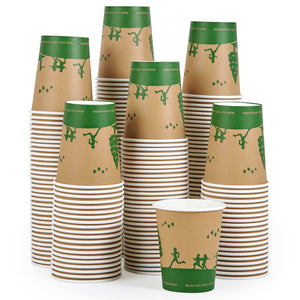
The buyer has used one paper cup for years and is adding a new supplier. Before changing lids, compare the old and new rim measurements and test both with the same lid. If only one cup passes, keep the lid inventory separate during the transition. The related hot beverage cup collection is useful for checking cup format, but no collection listing substitutes for a physical fit trial.
Office coffee station with two cup sizes
A facilities team may hope to keep one lid beside the dispenser for both short and tall cups. That can reduce errors if both rims match. Put a fitted sample of each cup size at the station during a pilot and count the lids used for one week. If the tall cup's rolled edge differs, label separate stacks rather than leaving people to push on a lid that does not seat.
Weekend market with uncertain weather
A market stall can have sharply different hot-drink demand on warm and cold mornings. A 200-box limits leftover stock for a new recipe or cup size. Once the team knows the lidded-drink count and the cup supplier is stable, the 800-carton may reduce reordering work. The buying decision is operational: fit first, then rate of use, then storage.
What the Material Claim Does and Does Not Tell You
The lid is marketed as a sugarcane-fiber, BPI-certified compostable item. Check the exact product's certification status in the BPI certified-products directory if certification is a purchasing requirement, and ask your local collector whether this kind of food-service lid is accepted. The EPA's food-service ware guidance also cautions buyers to consider local recovery options, not a material label alone. A compostable lid placed in a conventional recycling stream can contaminate that stream.
For teams designing a broader cup-and-lid station, compare why lid fit is becoming a coffee-station standard and review the compostable certification guide. Those resources cover the larger system. This article's decision is narrower: whether this 90 mm molded-fiber sip lid fits your cup and whether 200 or 800 is the right first order.
Frequently Asked Questions
Will a 90 mm lid fit every 12-ounce or 16-ounce paper cup?
No. Ounce size describes capacity. Measure the outside rolled rim and conduct a physical snap-and-carry test on each cup model.
Is the 3.54-inch sugarcane lid for hot drinks?
The product listing describes heat-resistant use for hot drinks. Test it with your served drink and normal fill level, and let staff handle hot liquids cautiously.
Does “leak-proof” mean I can tip the cup upside down?
No operational lid should be treated as an invitation to invert a filled hot cup. Check ordinary carry conditions and do not overfill.
When should I buy the 800-carton rather than the 200-box?
Choose 800 after every cup style passes the fit test and you have a repeatable lid-use forecast plus clean, dry storage. Begin with 200 when changing cups or piloting demand.
Can these lids go in a home compost bin?
Do not assume that. Verify the exact certification scope and what your local program accepts; absent an accepting collection route, follow local waste instructions.