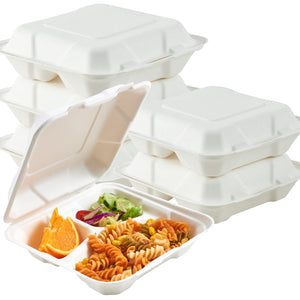
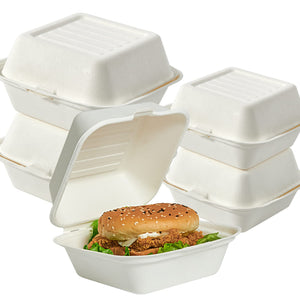
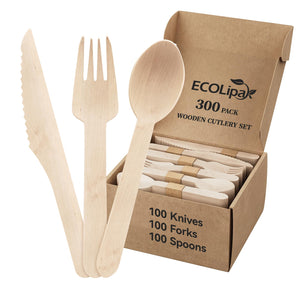
For most food packaging applications, bagasse is the superior choice. This sustainable material offers better heat resistance and is more practically compostable. PLA, another popular compostable packaging option, holds a key advantage with its transparency. This makes PLA a good choice for cold food where appearance is important. This comparison will help you understand the best uses for both bagasse and PLA packaging. Choosing the right sugarcane food packaging is simple when you know the facts.
Key Takeaways
Bagasse is best for hot foods. It handles high temperatures well. It is safe for microwave use.
PLA is best for cold foods. It is clear and shows the food inside. It melts with heat.
Bagasse is easy to compost at home. It breaks down quickly. PLA needs special composting places.
Bagasse uses sugarcane waste. This helps the environment. PLA uses new crops like corn.
Choose bagasse for most food packaging. It works better and is more eco-friendly.
Bagasse vs. PLA: Performance with Food
Choosing the right packaging depends heavily on the food it will hold. The performance of bagasse and PLA differs greatly when it comes to temperature. One material excels with heat, while the other offers a unique advantage for cold items.
Heat Resistance: Bagasse for Hot Foods
Bagasse is the clear winner for hot food applications. This material easily handles high temperatures, making it a reliable choice for restaurants, catering, and home use. Bagasse packaging can withstand heat up to 248°F (120°C) without losing its shape or strength.
Its impressive heat tolerance comes from its natural structure.
The strong, fibrous nature of bagasse creates a sturdy container.
It performs well in tests with boiling water and hot oil.
This material is also safe for microwave use, perfect for reheating leftovers.
In contrast, PLA (polylactic acid) is not suitable for heat. PLA containers begin to soften and deform at temperatures as low as 110°F (43°C). Placing hot food inside can cause the packaging to warp or even melt.
A direct comparison shows the significant difference in performance.
Material |
Heat Limit |
Best For |
|---|---|---|
Bagasse |
212–248°F (100–120°C) |
Hot soup, microwaving, oily food |
PLA |
110–140°F (43–60°C) |
Cold beverages, salads, desserts |
For any hot food, bagasse provides the durability and safety that businesses and consumers need.
Cold Applications: PLA's Advantage in Transparency
While bagasse dominates hot applications, PLA has a distinct advantage for cold food: transparency. PLA packaging is crystal clear, offering a glass-like appearance that showcases the product inside. This makes it an excellent option when visual appeal is a top priority.
Note: Use PLA for items where customers "eat with their eyes first." It is the ideal choice for colorful salads, layered desserts, fresh fruit cups, and iced coffees.
This clarity helps products stand out on shelves. However, it is critical to remember that PLA is strictly for cold use. Its low heat resistance means it cannot be used for hot items or be placed in a microwave. For businesses that serve exclusively cold food and want to highlight the quality of their ingredients, PLA is a functional and attractive packaging choice.
Environmental Impact of Compostable Packaging
A product's performance with food is only half the story. The true environmental impact of compostable packaging depends on its entire lifecycle, from where it comes from to how it breaks down. This is where the differences between bagasse and PLA become even more significant for sustainability.
Practical Compostability: Bagasse vs. PLA
The term "compostable" can be misleading if the right conditions are not available. Bagasse offers a major advantage because it is practical for home composting. This material breaks down efficiently in a backyard compost bin.
Material |
Composting Type |
Decomposition Time |
|---|---|---|
Bagasse |
Home |
45–90 days |
This quick decomposition time makes bagasse a truly circular option for consumers. It returns to the earth as nutrient-rich soil without needing special facilities. This level of compostability provides a real-world sustainable solution.
PLA (polylactic acid), however, has much stricter requirements. It needs industrial composting to break down properly.
PLA's Industrial Composting Needs PLA requires a highly controlled environment for proper degradation. These facilities must maintain specific conditions that are impossible to replicate in a home compost pile:
Temperature: 55–60 °C (131–140 °F)
Humidity: Approximately 60% water content
Oxygen: A consistent presence of oxygen
Most communities in the United States lack access to these industrial composting facilities. As a result, PLA products often end up in landfills, where they cannot break down as intended. This makes the home compostability of bagasse a clear environmental win.
Resource Origin: Upcycled Bagasse vs. Virgin PLA Crops
The journey of compostable materials begins long before they become packaging. The origin of the raw material plays a huge role in its overall sustainability.
Bagasse is an upcycled byproduct. It is made from the dry, fibrous residue left over after sugarcane stalks are crushed to extract their juice. The sugarcane industry produces about 279 million metric tons of this material annually. Using bagasse turns agricultural waste into valuable, sustainable food packaging. This process requires less energy and water compared to creating a material from scratch.
PLA, on the other hand, is typically derived from virgin crops like corn. While the production of polylactic acid uses a small fraction of the global corn supply (less than 0.03%), it still relies on dedicated agricultural resources.
A comparison of their resource footprints highlights the difference:
Bagasse: Uses a waste product, saving resources and reducing the environmental footprint of the sugar industry.
PLA: Requires land, water, and energy to grow and process crops specifically for its production. The manufacturing process itself is energy-intensive.
Choosing bagasse supports a more efficient and circular economy. It transforms a widely available byproduct into one of the best environmentally friendly alternatives for food service, making it a smarter choice for the planet.
Ecolipak: A Real-World Compostable Solution
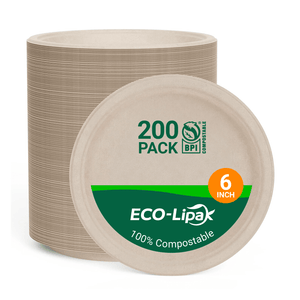
Understanding the benefits of bagasse is one thing; seeing it in action is another. Ecolipak offers a real-world solution with its line of sustainable tableware. The brand’s Compostable Sugarcane Plates are a prime example of high-quality bagasse products that deliver on both performance and environmental responsibility. These products show how a simple agricultural byproduct can become a superior packaging choice.
Heavy-Duty Performance with Sugarcane
Ecolipak designs its bagasse plates for reliability. They are not just eco-friendly; they are strong enough for the toughest meals. The plates undergo realistic duty tests, proving they can hold over a pound of food like a barbecue combo without buckling. This heavy-duty performance comes from the natural strength of sugarcane fiber.
Customers consistently praise the sturdiness of this sustainable option. Users like David Jenkins and Michael Powell found the plates held up against heavy picnic foods, including BBQ sauce and fried chicken. Others noted they handle hot, saucy dishes like lasagna without getting soggy or leaking.
This durability makes Ecolipak’s bagasse products a trustworthy choice for any event. The plates are also microwave and freezer safe, adding a layer of convenience for storing and reheating food.
Certified Safe and Eco-Friendly
Safety and true compostability are essential for any sustainable product. Ecolipak ensures its products meet the highest standards. The plates are BPI Certified, which means they have passed strict laboratory tests based on ASTM D6400 standards. This certification guarantees they will break down properly in a commercial composting facility.
Ecolipak also prioritizes food safety. The packaging is certified to be free from harmful chemicals like PFAS. Independent institutes perform tests to confirm no dangerous substances are added during manufacturing. This process ensures the material is completely safe for contact with food. Choosing these certified compostable products gives consumers peace of mind, knowing their packaging is both safe for them and genuinely better for the planet.
Quick Decision Guide: Bagasse or PLA?
Choosing between bagasse and PLA is simple when you match the material to the need. This guide breaks down the best uses for each sustainable packaging option.
For Hot Food & Microwaving
Bagasse is the undisputed champion for hot food. Its fibrous structure handles high temperatures without warping or leaking. This makes bagasse ideal for serving everything from steaming soups to saucy entrees. It is also microwave-safe for reheating.
Microwave Tip: For best results with bagasse containers, follow these guidelines:
800W Power: Heat for 4-5 minutes.
1000W Power: Heat for 3 minutes or less.
Many restaurants that switch to bagasse see a significant drop in single-use plastic waste.
For Cold Food & Drinks
PLA is the top choice for cold applications where appearance matters. Its crystal-clear transparency showcases the vibrant colors of the food inside. Use PLA for items like:
Iced teas and smoothies
Fresh salads and fruit cups
Dips, hummus, and desserts
While bagasse can hold cold items, it is opaque. PLA offers a rigid, glass-like container that enhances the visual appeal of cold products.
For Real-World Environmental Impact
Bagasse offers a more practical environmental advantage. It is home compostable, breaking down in a backyard bin in just a few months. This creates a truly circular lifecycle. In contrast, PLA requires industrial composting facilities, which are not widely available.
Unfortunately, most PLA packaging ends up in landfills. Composting facilities often cannot distinguish PLA from regular plastic, so they discard it as a contaminant. This makes the home-compostable nature of bagasse a major environmental win.
For Visual Transparency
If you need customers to see your product, PLA is the clear winner. Studies show that transparent packaging can make food appear fresher and tastier to consumers. This makes PLA an excellent marketing tool for products like grab-and-go salads, layered desserts, and colorful drinks. Bagasse, being opaque, cannot offer this visual benefit. For any application where transparency is critical, choose PLA.
For the majority of food packaging needs, bagasse emerges as the more versatile and genuinely sustainable choice. Its key advantages make it a clear winner for both businesses and consumers.
Why Bagasse Wins:
Functionality: Superior heat tolerance for hot foods and microwave use.
Sustainability: Made from an upcycled byproduct and is home compostable.
This combination of performance and true environmental benefit makes bagasse the superior compostable packaging. For a reliable, high-quality option, Ecolipak's bagasse products offer a perfect way to embrace a more sustainable future.
FAQ
Is bagasse packaging safe for food?
Yes, high-quality bagasse packaging is very safe. Brands like Ecolipak offer products that are BPI Certified and free from harmful chemicals like PFAS. This ensures the material is non-toxic and perfectly safe for direct contact with both hot and cold foods.
Can you recycle bagasse or PLA products? ♻️
No, compostable materials like bagasse and PLA should not go into recycling bins. They are designed to be composted. Mixing them with traditional recyclables like PET plastic can contaminate the recycling stream. Always compost these items to ensure they break down properly.
Which material is more affordable?
The cost of bagasse and PLA packaging is often very similar. Prices depend on the product's size, thickness, and quality. Both materials provide a cost-effective alternative to traditional plastic, making sustainability an accessible choice for businesses and consumers.
Why choose Ecolipak's bagasse products?
Ecolipak offers heavy-duty bagasse products that are proven to be sturdy and reliable. They are leak-resistant, microwave-safe, and BPI Certified for compostability. Customer feedback confirms their excellent performance, making them a trusted choice for sustainable packaging.