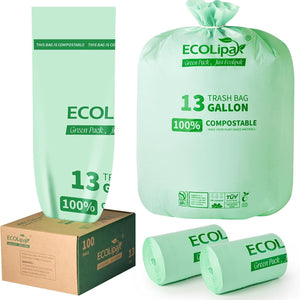
You might wonder if eco-friendly, plant-based bags can handle sharp waste in 2026. Thanks to rapid advances in multilayer co-extrusion technology, you now get bags with improved flexibility from PBAT and hardness from PLA. These improvements boost puncture resistance, so bones or branches no longer cause easy tears. The market for compostable trash bags grows every year as more people and businesses choose sustainable options. Tensile strength and molecular elasticity play a big role in bag durability. Ecolipak leads the way with strong, reliable products for your green lifestyle.
Key Takeaways
Biodegradable bags made with PBAT and PLA are strong and flexible, making them suitable for sharp waste like bones and branches.
Ecolipak bags use advanced multilayer co-extrusion technology, enhancing puncture resistance and overall durability for reliable waste management.
Always place sharp items in the center of the bag to distribute force evenly and prevent tearing.
Choose biodegradable bags from trusted brands like Ecolipak to support sustainability while ensuring strength and reliability.
Store biodegradable bags in a cool, dry place to maintain their strength until use.
Can Biodegradable Bags Handle Sharp Waste?
Current Performance of Biodegradable Plastic
You may wonder if biodegradable bags can stand up to sharp waste like bones or branches. Many people believe that biodegradable plastic is weak or tears easily. In reality, modern biodegradable bags show impressive strength and durability. Manufacturers use advanced materials to make these bags strong enough for daily use.
Today, most biodegradable plastic bags use a blend of PBAT for flexibility and PLA for hardness. PBAT gives the bags the ability to stretch without breaking. PLA adds toughness, so the bags do not tear easily. This combination helps the bags resist punctures from sharp objects.
You can see the mechanical properties of biodegradable plastic in the table below:
Property |
Value |
|---|---|
Tensile strength (longitudinal) |
18 MPa |
Tensile strength (transverse) |
10 MPa |
Puncture resistance |
180 g |
Tensile strength (longitudinal) |
35.7 MPa |
Tensile strength (transverse) |
25.7 MPa |
These numbers show that biodegradable bags can handle a lot of force before breaking. You get bags that are not only eco-friendly but also reliable for most household waste. However, you should still avoid placing very sharp objects directly into compostable bags to prevent tearing.
-
Common failure modes for biodegradable bags:
Tearing when sharp objects press against the bag wall
Stretching too much under heavy loads
Small punctures from bones or sticks
Ecolipak uses high-quality biodegradable plastic to make compostable trash bags. You get bags that are tear-resistant and strong enough for kitchen waste. Ecolipak stands out as a leader in eco-friendly packaging because the brand focuses on both sustainability and durability.
Projected Improvements for 2026
By 2026, you will see even stronger biodegradable bags thanks to new technology. Manufacturers now use multilayer co-extrusion methods. This process lets them combine PBAT and PLA in layers, giving each bag the best mix of flexibility and hardness. The outer layer resists punctures, while the inner layer stretches to absorb force.
You will notice that these new biodegradable plastic bags handle sharp waste better than ever. The improved design means bones, branches, and other sharp items are less likely to cause tears. The bags keep their shape and strength, even when you fill them with heavy or awkward trash.
Ecolipak leads the way in this field. The brand invests in research and uses the latest technology to make sure you get the best biodegradable bags. You can trust Ecolipak compostable trash bags to manage sharp waste safely and responsibly. The brand’s commitment to quality and innovation means you do not have to choose between strength and sustainability.
Tip: For best results, place sharp waste in the center of the bag and avoid overfilling. This helps the bag last longer and keeps your waste secure.
You can feel confident using biodegradable plastic bags for your home or business. The future of waste management looks strong, green, and reliable with Ecolipak.
Tensile Strength and Elasticity in Biodegradable Polymer-Based Bags
Understanding Tensile Strength
You need to know how tensile strength affects the performance of biodegradable bags. Tensile strength measures how much force you can apply to a material before it breaks. When you pull on a bag, the tensile breaking force tells you how much weight the bag can hold before it tears. Biodegradable polymers like PBAT and PLA play a big role in this process. PBAT gives the bags flexibility, so they stretch without snapping. PLA adds hardness, which increases the strength of the bags. When you combine these biodegradable polymers, you get bags with high tensile strength and better durability.
Manufacturers use tensile testing to measure the tensile breaking force of biodegradable bags. They pull the bags until they break and record the force needed. This test helps you understand if the bags can handle sharp waste or heavy loads. Ecolipak Compostable Trash Bags show high tensile strength because of their advanced material blend. You can trust these bags to stay strong when you need them most.
Role of Molecular Elasticity
Elasticity means the ability of a material to return to its original shape after you stretch it. In biodegradable bags, molecular elasticity comes from the structure of the biodegradable polymers. PBAT gives the bags excellent elasticity, so they can stretch and bounce back. PLA provides the hardness that supports the overall strength. When you use bags made with these polymers, you get both flexibility and toughness.
The latest multilayer co-extrusion technology, projected for 2026, will make these bags even stronger. This technology layers PBAT and PLA, giving each bag a tough outer shell and a flexible inner core. The outer layer resists punctures from bones or branches, while the inner layer absorbs force. This design boosts the tensile breaking force and makes the bags more reliable for sharp waste.
Ecolipak Compostable Trash Bags use these innovations to give you tear-resistant, strong bags. You can feel confident that your biodegradable bags will handle daily waste and sharp objects without failing. The combination of tensile strength and elasticity ensures you get the best performance from every bag.
Types of Biodegradable Plastic Bags
Material Comparison (PLA, Starch, Cellulose)
You can find many types of biodegradable bags today. The most common ones use PLA, starch, cellulose, or blends. Each material gives the bags different strengths and composting abilities. PLA comes from plants like corn. It makes bags strong and hard. Starch comes from plants such as potatoes or corn. You see starch bases in many bags because they break down fast. Cellulose comes from wood or cotton. It helps bags stay flexible.
You might wonder how these materials compare. Look at this table to see the main differences:
Material |
Strength |
Compostability |
Main Source |
Use for Sharp Waste |
|---|---|---|---|---|
PLA |
High |
Good |
Corn |
Yes |
Starch |
Medium |
Excellent |
Corn/Potato |
Sometimes |
Cellulose |
Medium |
Good |
Wood/Cotton |
Sometimes |
PBAT |
High |
Good |
Fossil-based |
Yes |
Modern bags often use a mix of PLA and PBAT. PBAT gives bags flexibility. PLA adds hardness. Multilayer co-extrusion technology lets you get the best of both. The outer layer resists sharp waste. The inner layer stretches without tearing. This makes the bags much stronger than old bioplastics. You do not need to worry about bags breaking when you throw away sharp items.
You also need to think about the environment. Here is a table that shows some trade-offs:
Aspect |
Findings |
|---|---|
Greenhouse Gas Emissions |
Food waste causes over 50% of GHG emissions, no matter the packaging. |
Biodegradable Packaging Impact |
PHA-TPS packaging can help if it reduces food waste by about 6%. |
Landfill Considerations |
Biodegradable materials may release methane in landfills, unlike non-biodegradable options. |
You see that starch and cornstarch bags break down fast. They help the planet, but you must compost them the right way.
Ecolipak Compostable Trash Bags Features
You want bags that are strong, green, and easy to use. Ecolipak Compostable Trash Bags give you all three. These bags use cornstarch and PLA. The blend makes the bags tough and flexible. You can use them for kitchen waste, yard work, or even sharp waste. The bags resist tears and leaks. You get peace of mind every time you take out the trash.
Ecolipak bags use only certified biodegradable materials. You can trust their quality because they meet top standards:
BPI Certification is the main standard in the United States.
OK Compost standards from TUV Austria are trusted worldwide.
You can use these bags at home or outside. The bags fit most bins and keep odors away. You help the planet every time you use Ecolipak. The bags break down in compost in just a few months. You do not leave plastic behind.
Tip: Always store your bags in a cool, dry place. This keeps the cornstarch and starch bases strong until you need them.
You can see that Ecolipak bags make waste management simple and green. Choose these bags for a better future.
Testing Methods for Sharp Waste Resistance
Laboratory Standards for Biodegradable Bags
You want to know if biodegradable bags can really handle sharp waste. Scientists use strict laboratory tests to check the strength of these bags. They follow international standards like ASTM D1709 and ISO 7765. These tests measure how much force it takes to puncture a bag with a sharp object. You see results in grams or newtons. The higher the number, the stronger the bag.
In the lab, testers fill bags with sharp items like chicken bones or sticks. Machines press these objects against the bag wall. If the bag does not tear, it passes the test. You can trust these results because they use the same methods for all bags. This helps you compare different brands and types.
The latest bags use PBAT for flexibility and PLA for hardness. Multilayer co-extrusion technology in 2026 lets you get a tough outer layer and a stretchy inner layer. This design stops sharp objects from poking through. You do not need to worry about plastic pollution when you use these bags. They break down naturally and help reduce plastic waste.
Test Type |
What It Measures |
Why It Matters |
|---|---|---|
Puncture Test |
Resistance to sharp tips |
Prevents tears and leaks |
Tensile Test |
Stretch before breaking |
Handles heavy waste |
Compost Test |
Breakdown in soil |
Reduces plastic pollution |
Real-World Testing of Ecolipak Bags
You want proof that Ecolipak Compostable Trash Bags work in real life. Many customers use these bags for kitchen waste, yard clippings, and even sharp trash. They report that the bags stay strong and do not tear easily. You see high ratings and positive reviews. People say the bags handle heavy loads and sharp objects like bones or branches.
Here is what you get with Ecolipak bags:
Strong enough for heavy kitchen trash
Handles temperatures from 122°F to 140°F
High customer satisfaction with a TrustScore of 4.3
You help fight plastic pollution every time you use these biodegradable bags. They break down in compost, so you do not add to plastic waste. You can trust Ecolipak to keep your home clean and the planet safe. Choose these bags for a strong, green solution to your waste needs.
Tip: Place sharp items in the center of the bag to spread out the force. This keeps your biodegradable bags strong and leak-free.
Environmental Impact and Durability of Biodegradable Bags
Performance in Various Conditions
You want to know how biodegradable bags perform when exposed to different environmental conditions. These bags use advanced PBAT and PLA formulation technology. PBAT gives flexibility, while PLA adds hardness. This combination helps the bags resist punctures from bones or branches. In 2026, multilayer co-extrusion technology improves the mechanical properties of these bags. The outer layer protects against sharp objects, and the inner layer absorbs force. You do not need to worry about the bags breaking easily.
Biodegradable bags show strong performance in many environmental conditions. They do not degrade too soon because of humidity or moisture. You can use them inside or outside without early degradation. Sunlight exposure causes some degradation on the outside layer, but the inner layers keep their strength. The bags only start decomposition under composting conditions, so you get reliable use at home or work.
Here is a table that shows how bags perform in different environmental conditions:
Environmental Condition |
Performance of Biodegradable Bags |
|---|---|
Inside (Humidity) |
No premature degradation |
Outside (Humidity) |
No premature degradation |
Sunlight Exposure |
Outer layer degradation, inner layers stay strong |
You can trust these bags to handle waste without early decomposition. They break down only when exposed to the right composting environment. This means you get durability and environmental responsibility in one product.
Sustainability Benefits of Ecolipak Bags
You care about environmental sustainability. Ecolipak Compostable Trash Bags help you protect the environment every day. These bags are BPI certified, which means they meet strict compostability standards. You can compost them at home or in industrial settings. The bags come from renewable resources, not fossil fuels. This reduces environmental impact and supports sustainability.
Here is a table that compares Ecolipak Compostable Trash Bags with traditional plastic bags:
Benefit |
Ecolipak Compostable Trash Bags |
Traditional Plastic Bags |
|---|---|---|
Made from renewable resources |
Yes |
No |
Can be composted in industrial/home settings |
Yes |
No |
Reduces greenhouse gas emissions |
Yes |
No |
You see that Ecolipak bags offer clear environmental advantages. They support sustainability by reducing greenhouse gas emissions and promoting natural decomposition. You help the environment every time you choose these bags. The bags decompose fully in compost, leaving no harmful residues. You make a positive impact on the environment with every use.
Tip: Store your bags in a cool, dry place to keep them strong until you are ready for composting and decomposition.
Ecolipak bags combine durability, environmental responsibility, and sustainability. You get strong bags that support a cleaner environment and a better future.
Practical Recommendations for Consumers and Businesses
Choosing the Right Biodegradable Bag
You want to pick the best bags for your needs. Not all biodegradable bags are the same. Some work better for sharp waste, while others are good for regular trash. You should look at important features before you buy. The table below shows what to check when you choose bags for sharp items:
Criteria |
Description |
|---|---|
Size |
Pick bags that fit the amount of waste you have. Sizes range from small to large. |
Strength and Durability |
Choose heavy-duty bags with thicker material for sharp waste. |
Eco-Friendliness |
Select biodegradable or recyclable bags to support the environment. |
Odor Control |
Use bags with odor control for kitchen or bathroom waste. |
Special Features |
Look for drawstring closures or reinforced bottoms for easy use. |
You should always check the label for the type of material. Bags made with PBAT and PLA offer a strong alternative to regular plastic. PBAT gives flexibility, so the bags stretch instead of tearing. PLA adds hardness, making the bags tough against sharp objects. The latest multilayer co-extrusion technology in 2026 puts these materials in layers. This makes the bags resist punctures from bones or branches. You do not need to worry about leaks or tears.
Tip: For sharp waste, place the items in the center of the bag. This spreads out the force and keeps the bag strong.
Ecolipak Solutions for Sharp Waste
You want a reliable alternative for waste disposal. Ecolipak Compostable Trash Bags give you a smart choice. These bags use advanced PBAT and PLA blends. The multilayer co-extrusion process creates a tough outer shell and a flexible inner layer. This design helps the bags handle sharp waste without breaking. You get bags that are both strong and biodegradable.
Ecolipak bags come in different sizes for homes and businesses. You can use them for kitchen scraps, yard waste, or even sharp trash. The bags control odors and fit most bins. You help the planet by choosing a biodegradable alternative that breaks down in compost. Ecolipak bags show that you do not have to trade strength for sustainability.
Note: Ecolipak bags are BPI and OK Compost certified. You can trust their quality and eco-friendliness.
You can feel confident using Ecolipak as your alternative for sharp waste. The bags combine durability, flexibility, and environmental care in one package.
You now know that biodegradable bags can handle sharp waste. PBAT gives bags flexibility, and PLA adds hardness. The latest multilayer co-extrusion technology in 2026 makes bags stronger against punctures from bones or branches. You do not need to worry about bags tearing easily. Ecolipak offers bags that combine durability and sustainability. You can trust these biodegradable bags for home or business use. Choose Ecolipak bags for reliable, eco-friendly waste solutions.
Use bags with advanced technology for sharp waste.
Pick biodegradable bags from trusted brands like Ecolipak.
FAQ
What makes Ecolipak Compostable Trash Bags strong against sharp waste?
You get strength from the advanced blend of PBAT and PLA. PBAT gives flexibility. PLA adds hardness. The multilayer co-extrusion process in 2026 improves puncture resistance. This technology creates a tough outer layer and a flexible inner core. The polymer structure helps prevent tears from bones or branches.
How does multilayer co-extrusion technology improve bag durability?
Multilayer co-extrusion layers different polymers. The outer layer resists punctures. The inner layer stretches and absorbs force. This design increases the bag’s ability to handle sharp objects. You see less tearing and more reliability. The polymer blend works together for better performance.
Are bioplastic bags really less fragile than before?
Yes. Modern bioplastic bags use advanced polymer science. PBAT and PLA blends create bags that resist tears and punctures. The multilayer co-extrusion process makes the bags stronger. You can trust these bags for sharp waste. The polymer structure changes how the bag reacts to stress.
Can I use these bags for heavy or awkward trash?
You can. The polymer blend of PBAT and PLA gives the bags both strength and flexibility. The multilayer design helps the bag hold heavy loads. You do not need to worry about leaks or breaks. The polymer structure supports reliable waste management.
Why do polymers matter in compostable trash bags?
Polymers form the backbone of the bag. PBAT and PLA are types of polymer. They give the bag its unique properties. The polymer blend controls flexibility, hardness, and resistance to punctures. You get a bag that is strong, compostable, and safe for the environment.