When choosing eco-friendly disposable tableware, bagasse is the clear winner. This article explores the environmental impact of this sustainable option. It compares it to other disposable tableware alternatives.
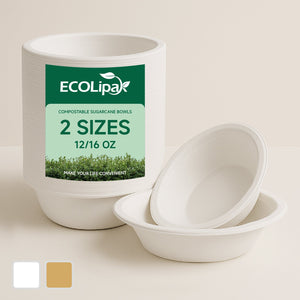
Ecolipak champions sustainability. The brand helps meet the growing demand for eco-friendly alternatives. It provides eco-friendly disposable dinnerware and greener alternatives like its Sugarcane Compostable Bowls. Choosing the right disposable tableware is vital. This choice of disposable tableware impacts the environment.
Key Takeaways
Bagasse tableware comes from sugarcane waste. This helps save trees and reduces landfill trash.
Making bagasse plates uses less energy and water. This is better for the planet than making paper plates.
Bagasse plates are strong and do not leak. Paper plates often need coatings that harm the environment.
Bagasse plates can turn into soil in a compost facility. Most paper plates end up in landfills.
Round 1: Raw Materials
The journey of any product begins with its raw materials. This first round examines the source of bagasse and paper. The origin story of disposable tableware reveals a great deal about its total environmental impact. One material builds on existing resources, while the other creates a new demand.
Bagasse: An Upcycled Byproduct
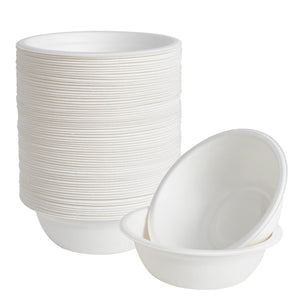
Bagasse is the fibrous pulp left over after juice is extracted from sugarcane stalks. The sugar industry produces over 500 million tons of this material globally each year. Instead of being discarded, this pulp is upcycled into durable products like bagasse plates and other bagasse tableware. This smart process offers several key benefits for the environment.
It Prevents Waste: Upcycling turns a massive agricultural byproduct into valuable eco-friendly disposable tableware. This practice reduces landfill waste. It also prevents the release of methane, a potent greenhouse gas that forms when organic materials like bagasse decompose in landfills.
It Protects Forests: Using bagasse for plates and bowls means fewer trees need to be cut down. This directly helps reduce deforestation and preserves vital ecosystems.
Choosing bagasse plates means you are choosing a product made from a rapidly renewable and reclaimed resource.
Paper: A Reliance on Trees
Paper products, including paper plates, come from wood pulp. This process requires harvesting trees. While some trees come from managed forests, the demand still puts pressure on global forest resources. The production of paper tableware is an intensive process.
Even recycling paper, while a better option than using virgin wood, has a significant footprint. Recycled paper production still consumes a large amount of energy and water. This makes the creation of paper plates a resource-heavy activity from the start.
A Quick Comparison: Virgin vs. Recycled Paper
Creating paper from recycled fibers is an improvement, but it is not without impact. The process still demands significant resources.
Metric
Virgin Paper Production
Recycled Paper Production
Energy Use
32 million BTUs/ton
22 million BTUs/ton (31% less)
Water Use
High
Up to 50% less
This data shows that even the more sustainable version of paper requires substantial energy and water. The manufacturing of paper plates always begins with a high environmental cost.
Verdict: Why Bagasse is Better for the Planet
Bagasse wins this round decisively. Its origin as an upcycled agricultural byproduct makes it an inherently more sustainable choice. Bagasse tableware repurposes a material that would otherwise go to waste. This approach avoids deforestation and reduces the energy and water needed for initial processing.
Paper, on the other hand, relies on a resource-intensive supply chain, whether from virgin trees or recycled materials. For truly eco-friendly disposable tableware, starting with a waste stream is far better for the planet. The choice between bagasse plates and paper plates is clear when you look at the source. Bagasse represents a circular model, while paper follows a more linear, demanding path. This makes bagasse one of the best biodegradable tableware materials available.
Round 2: The Manufacturing Footprint
The manufacturing process reveals the true environmental impact of disposable tableware. This round compares the resources needed to turn raw materials into finished plates. One process is efficient and streamlined, while the other is intensive and demanding.
The Efficient Process for Bagasse
The production of bagasse tableware is remarkably efficient. Since bagasse fiber is a byproduct of sugar extraction, it is already partially processed. This head start significantly reduces the energy and water needed for pulping. The manufacturing of bagasse products requires fewer harsh chemicals. This makes the entire process cleaner and less resource-intensive. Creating bagasse plates from this pre-processed pulp is a straightforward journey from agricultural waste to a sturdy, eco-friendly product. The result is a smaller carbon footprint for bagasse.
The Intensive Process for Paper
Creating paper plates is a far more intensive process. The journey from wood to paper plates consumes vast amounts of energy and water. Producing just one ton of virgin paper pulp can use 17,000 gallons of water. The process also involves chemicals like chlorine dioxide or hydrogen peroxide to bleach the pulp and achieve a white color for the paper plates. This chemical treatment adds another layer of strain on the environment.
The energy difference is stark. Manufacturing paper plates from virgin fiber is the most energy-demanding, while even recycled paper uses more than double the energy of bagasse.
This high consumption makes paper tableware a less sustainable option from a manufacturing standpoint.
Verdict: A Lower Impact on Resources
Bagasse wins this round with its significantly smaller manufacturing footprint. The efficient process for making bagasse tableware conserves energy, water, and reduces chemical use. In contrast, the production of paper plates and other paper tableware is a resource-heavy operation. For consumers looking for disposable tableware that minimizes its impact on the environment, bagasse plates are the superior choice. The evidence shows that bagasse offers a path to convenience without the high production cost to the planet.
Round 3: Performance and Durability
A product’s eco-friendliness means little if it cannot perform its job. This round tests the strength and reliability of bagasse versus paper. The results show that true sustainability does not require a sacrifice in quality.
The Natural Strength of Bagasse
Bagasse tableware offers superior performance due to its natural composition. The sugarcane fibers, rich in cellulose and lignin, create a dense, rigid structure. This makes bagasse plates incredibly sturdy and resistant to bending under the weight of heavy foods.
This inherent strength provides several key advantages for this type of disposable tableware:
Leak and Oil Resistance: The fibrous network naturally repels moisture and grease. This prevents soggy bottoms and leaks, even with saucy or oily dishes.
Temperature Versatility: Bagasse is both microwave and freezer safe. These plates can handle high heat up to 248°F (120°C) and remain intact in freezers at temperatures as low as -4°F (-20°C).
Ecolipak’s Compostable Sugarcane Plates are a prime example of this durability. This sugarcane dinnerware provides a reliable experience, proving that eco-friendly plates can be strong and functional. The performance of bagasse comes from the material itself, not from artificial additives.
The Weakness of Coated Paper
Paper plates often fail when it comes to durability. Uncoated paper quickly absorbs moisture and grease, losing its shape and integrity. To solve this problem, manufacturers add coatings to paper plates. These coatings, however, compromise the product's eco-friendliness.
Common coatings for paper plates include:
Polyethylene (PE): A petroleum-based plastic that creates a moisture barrier.
Wax: Both petroleum-based and natural waxes are used to repel grease.
While these layers make paper plates more functional, they create a new problem. The plastic or wax coatings make the paper difficult to recycle and prevent it from being compostable. This turns a seemingly simple paper product into a composite material destined for the landfill. The need for these coatings highlights the fundamental weakness of paper as a material for durable disposable tableware.
Verdict: Performance Without Compromise
Bagasse wins this round easily. Bagasse plates deliver exceptional performance without needing artificial enhancements. They are strong, leak-resistant, and versatile enough for hot and cold foods. This makes bagasse tableware a reliable choice. In contrast, paper plates require coatings that undermine their environmental claims. For consumers seeking compostable plates that are both strong and truly sustainable, bagasse is the clear choice. It offers performance without compromise.
Round 4: The Path to Sustainability
The final test for any disposable product is its end-of-life journey. This round explores what happens to bagasse and paper after a meal. The path to sustainability depends on a product's ability to return to the earth without causing harm. This final comparison reveals the true environmental impact of disposable tableware.
Bagasse: A Quick Return to Earth
Bagasse products offer a clean and simple end-of-life solution. The material is fully biodegradable and compostable. In a commercial composting facility, bagasse plates break down completely in about 60 to 90 days. This process turns the used plates back into nutrient-rich soil, completing a natural cycle. The biodegradability and compostability of bagasse are not just claims; they are verified.
Products like Ecolipak's bagasse plates earn BPI Certification. This certification means they meet strict ASTM D6400 standards. These standards ensure products will become compost in an industrial facility. The certification process checks for several key factors. It confirms the material will disintegrate, is free of harmful toxins like PFAS, and will biodegrade at a rate similar to other organic materials.
This verification gives consumers confidence. Choosing certified compostable bagasse means you are choosing a product designed for a circular system. The plates serve their purpose and then contribute positively to the environment. This makes bagasse an excellent material for biodegradable tableware.
Paper: A Complicated Disposal
The disposal of paper plates is far more complex. Most paper plates have a plastic or wax coating to prevent leaks. This coating creates a major problem for waste management. Recycling centers typically reject these coated paper products. The wax or plastic contaminates the paper recycling stream. As a result, most of these plates end up in landfills.
Composting is also not a simple solution for paper. A survey of composting facilities showed that 69% rejected bioplastic-coated paper products. The coatings on paper plates interfere with the composting process. In a landfill, these coated paper plates cause more issues. The paper component may eventually break down, but the plastic or petroleum-based wax coating resists degradation. It lingers for years, contributing to landfill waste. The compostability and biodegradability of these mixed-material plates are severely compromised. This makes paper a poor choice for disposable tableware.
Verdict: True Compostability Wins
Bagasse is the undisputed winner of this final round. Its ability to quickly and completely biodegrade in a commercial composting facility sets it apart. The clear, certified path back to the earth makes bagasse plates a truly responsible choice. This process supports sustainability by creating valuable compost from waste.
Paper plates, with their necessary coatings, face a dead end. They are difficult to recycle and often rejected by composters. Their final destination is usually a landfill, where they contribute to long-term waste. For consumers who care about the full lifecycle of their products, the choice is clear. The superior biodegradability of bagasse makes it the best option for biodegradable tableware. It offers convenience without the lasting environmental cost.
Ecolipak's Eco-Friendly Disposable Tableware
Choosing the right disposable products is a key step toward sustainability. Ecolipak provides a reliable solution for consumers seeking better alternatives. The brand has a clear mission to make green living accessible. It has already made a significant impact, selling over 59 million eco-products and helping consumers make responsible choices. Ecolipak offers a practical path for anyone wanting to reduce their environmental footprint with high-quality eco-friendly disposable tableware.
Our Commitment to Quality
Ecolipak proves its commitment to quality through rigorous standards. The brand’s bagasse tableware is not just strong; it is certified for safety and compostability. This ensures every product meets strict environmental guidelines.
Certified Compostable: The bagasse plates are BPI Certified, meeting ASTM D6400 standards for industrial composting.
Safety First: All bagasse products are BPA-Free and contain no intentionally added PFAS chemicals.
Proven Performance: The plates are sturdy, oil-proof, and microwave-safe, reflecting high performance controls.
This dedication to verified quality makes Ecolipak a trusted source for biodegradable tableware.
Ecolipak's Compostable Sugarcane Plates
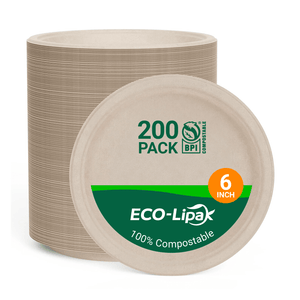
The brand’s Compostable Sugarcane Plates are a perfect example of performance meeting principles. These bagasse plates are BPI-Certified compostable. This certification means an independent body has verified the plates will completely break down in a commercial facility. The plates leave no harmful residues behind. Made from bagasse, these eco-friendly plates are also BPA-Free, ensuring food safety. These environmentally friendly plates offer a guilt-free dining experience, turning used plates into valuable compost. The bagasse plates are a leading choice in eco-friendly disposable tableware.
Join a Community of Conscious Consumers
Customers consistently praise Ecolipak’s products. Users find the bagasse plates to be sturdy, reliable, and visually appealing. They appreciate that choosing this biodegradable tableware does not mean sacrificing quality or paying a higher price. This community of conscious consumers enjoys the convenience of disposable plates without the environmental guilt. They have discovered that Ecolipak’s bagasse tableware provides an excellent experience, making the switch to sustainable options easy and rewarding.
The showdown is over, and bagasse is the definitive winner. Bagasse plates triumph due to sustainable sourcing, efficient production, and superior performance. The true compostability of bagasse plates makes them better for the planet. Choosing eco-friendly disposable tableware like Ecolipak's bagasse plates is a simple way to reduce your environmental impact. These eco-friendly plates help protect the environment. This makes bagasse the clear choice for responsible consumers.
Ready to make a difference? Green Pack, Go for ECOLipak and choose our certified compostable products for your next event or daily need.
FAQ
What is bagasse?
Bagasse is the dry, fibrous pulp that remains after sugarcane stalks are crushed to extract their juice. This material is an agricultural byproduct. Ecolipak upcycles this waste into durable, eco-friendly disposable tableware like plates and bowls, preventing it from ending up in landfills.
Are bagasse plates safe for hot food?
Yes, bagasse plates are excellent for hot food. The natural sugarcane fibers create a strong, heat-resistant structure. Ecolipak's plates can safely handle hot liquids and solids without leaking or losing their shape. They are also microwave-safe, adding to their convenience and versatility.
How do I dispose of Ecolipak's compostable plates?
Ecolipak's compostable plates should be sent to a commercial or industrial composting facility. These facilities provide the right conditions for the plates to break down completely. This process turns the used tableware back into nutrient-rich soil, completing a sustainable cycle.
Why is BPI Certification important?
BPI (Biodegradable Products Institute) Certification provides independent verification that a product is truly compostable. It confirms that products like Ecolipak's sugarcane plates meet strict scientific standards for breaking down in a commercial facility without leaving behind harmful toxins. This certification guarantees environmental safety and performance.