Quick Answer: Biodegradable plates and bowls are not automatically the sustainable choice. The stronger buying signal is whether the product clearly explains its material, use case, composting conditions, certifications or compliance claims, and end-of-life path. Sugarcane fiber, palm leaf, and bamboo tableware can be practical alternatives, but vague green language without proof is where buyers should slow down.
Key Takeaways
- "Biodegradable" is a broad claim; it does not always mean compostable in your local system.
- Strong product pages name the material, food use, heat or moisture limits, and disposal conditions.
- Compostable foodservice items need real collection access to deliver their environmental benefit.
- Buyers should look for specific claims rather than soft phrases like eco-friendly, green, or earth safe.
- For plates and bowls, sugarcane fiber is often a practical starting point because it handles meals, sides, and takeout formats.
The problem with "biodegradable" is that the word sounds complete. It feels like an answer. In actual foodservice purchasing, it is only the beginning of the question. What material is it? Under what conditions does it break down? Is the item meant for food contact? Does the venue have a composting partner? Will guests understand where it goes after the meal?

How To Spot A Better Claim
| Claim you see | What it may miss | Better buyer question |
|---|---|---|
| Biodegradable | Time, setting, and disposal conditions | Is it compostable in a real program? |
| Eco-friendly | Material proof and measurable benefit | What is it made from? |
| Plant-based | Food use limits and coatings | Does it fit hot, wet, or oily foods? |
| Compostable | Collection and facility access | Where will it go after the event? |
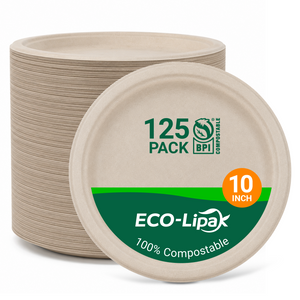
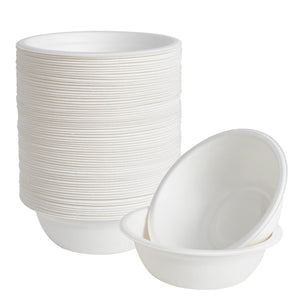
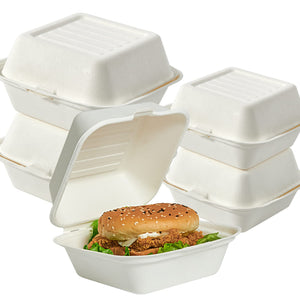
For a practical tableware system, compare ECO-Lipak's round sugarcane compostable plates, sugarcane bowls, sugarcane to-go boxes, and palm leaf plates. The right choice depends on the menu, temperature, presentation, and cleanup route.
A No-Greenwashing Buying Checklist
- Name the material. Sugarcane fiber, palm leaf, bamboo, paper, PLA, and CPLA behave differently.
- Match the food. Hot meals, oily foods, sauces, soups, and desserts need different formats.
- Check the claim language. Specific claims are more useful than broad green words.
- Plan collection. Compostable tableware needs a route after the event, not just a better label.
- Keep guests from guessing. Sorting instructions and staff training reduce contamination.

The EPA food service ware guidance encourages buyers to consider sourcing, use, and disposal together. The EPA composting overview is also useful when planning what happens after the meal.
FAQ
Are biodegradable plates the same as compostable plates?
No. Biodegradable is a broad term. Compostable usually implies a more specific breakdown pathway, often with defined conditions and collection needs.
What makes a disposable plate claim look like greenwashing?
Vague language, missing material details, no disposal guidance, and broad environmental claims without proof are warning signs.
Are sugarcane plates and bowls a good alternative?
They can be. Sugarcane fiber plates and bowls are useful for many meals because they are sturdy and foodservice-friendly, but the best choice still depends on the menu and disposal route.
What should buyers check before ordering compostable tableware?
Check material, food compatibility, size, heat and moisture needs, certifications or claim support, storage, and local composting or disposal access.