How to Use Paper Towels in the Microwave

How to Use Paper Towels in the Microwave - ECO-Lipak

Update: July 15, 2026

Quick Answer: Yes, you can usually put a plain, unprinted paper towel in the microwave for short reheating, especially when it is used loosely over food to reduce splatter. Use one flat layer, keep it away from metal, printed ink, plastic film, and very oily hot spots, and stop the microwave if you notice browning, smoke, or a scorched smell.

Key Takeaways

  • Use plain paper towels only. White, unprinted, microwave-safe paper towels are the safest everyday choice for covering food.
  • Keep the towel loose. Do not crumple, stack, or tightly wrap food, because dense folds can trap heat unevenly.
  • Dampen for moisture, not for long cooking. A lightly damp paper towel can help rice, pasta, bread, and tortillas reheat without drying out.
  • Heat in short intervals. Start with 30 to 60 seconds, check the towel and the food, then continue only if needed.
  • Choose the right paper for the job. Kitchen paper towels are useful for covering and cleanup; tissues, dyed napkins, and decorative paper are not good microwave covers.

Paper towels are one of those kitchen helpers that feel simple until the microwave is involved. They can keep sauce from splattering, help leftovers stay moist, and make cleanup easier, but they should be used with a little judgment. This guide explains when a paper towel makes sense in the microwave, when it does not, and how to choose a better everyday option for reheating at home or in a small office kitchen.

Why People Use Paper Towels in the Microwave

A paper towel works best as a light cover, not as cookware. It gives steam a place to escape while still catching small splatters from soup, pasta sauce, rice bowls, oatmeal, or reheated vegetables. That is different from sealing food tightly, which can build steam pressure and make a mess when the container is opened.

A plain paper towel loosely covering a bowl in an open microwave for splatter control
A loose paper towel cover helps control splatter while leaving room for steam to escape.

For food safety, always pair the paper towel with a microwave-safe dish and follow heating guidance for the food itself, especially meat, poultry, and leftovers. For paper covers, the most reliable everyday rule is to keep them plain, unprinted, loose, and used only for short reheating.

Dry vs. Damp Paper Towel: Which Should You Use?

The best choice depends on what you are reheating. A dry paper towel is usually enough for splatter control. A lightly damp towel is better when the food dries out quickly.

Food or task Use dry or damp? Best method What to avoid
Soup, chili, pasta sauce Dry Lay one towel loosely over the bowl Pressing the towel into hot liquid
Rice, pasta, grain bowls Lightly damp Cover loosely and reheat in short intervals Soaking the towel until it drips
Bread, tortillas, rolls Lightly damp Wrap loosely for a short warm-up Long heating that makes the towel dry and hot
Greasy foods Usually dry, with caution Use brief intervals and keep the towel above the food Letting paper touch oil pools or sugar-heavy sauce
Microwave cleanup Damp for wiping after heating Let surfaces cool, then wipe spills Cleaning while the interior is still very hot
A lightly damp paper towel covering leftovers before short microwave reheating
A lightly damp towel can help leftovers warm more evenly without becoming dry.

What Not to Put in the Microwave

A paper towel should look boring if it is going into the microwave. Avoid printed towels, dyed napkins, metallic trim, recycled paper with unknown additives, and anything that feels like a decorative party napkin rather than a kitchen towel. Also avoid using paper towels as a tight pouch for food, because trapped steam and uneven heat can make the towel dry out or scorch.

  • Do not use paper towels with foil, metallic ink, or glitter.
  • Do not cover food with several stacked layers.
  • Do not let paper touch a heating element or exposed microwave wall damage.
  • Do not use paper towels for long cooking cycles.
  • Do not leave the microwave unattended when testing a new food or towel type.

For longer reheating, a vented microwave-safe lid or an inverted microwave-safe plate is often better. Stirring or rotating food during microwave reheating also helps reduce cold spots, especially in dense leftovers.

How to Choose Kitchen Paper Towels for Reheating

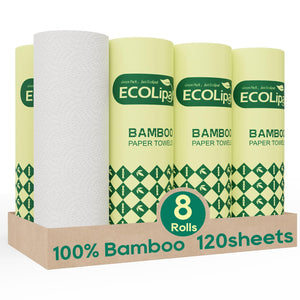
For everyday reheating, look for a plain kitchen towel that is absorbent, low lint, and free from added fragrance or decorative printing. ECO-Lipak’s 2-ply white bamboo kitchen paper towels are a practical fit when you want a clean-looking towel for covering bowls, blotting small spills, and wiping a microwave turntable after it cools.

If you prefer a less-bleached look for everyday cleanup, the 2-ply unbleached bamboo kitchen paper towels are better for countertop wiping, lunch prep, and routine kitchen tasks. For microwave use specifically, the safest habit is still simple: choose plain, unprinted paper and use it for short reheating rather than long cooking.

Bamboo kitchen paper towels beside a microwave after reheating and quick countertop cleanup
Kitchen paper towels are useful after reheating too, especially for small splatters and counter cleanup.

A Safer 5-Step Microwave Routine

  1. Use a microwave-safe dish. The container matters as much as the cover.
  2. Add one plain paper towel. Lay it loosely over the food or lightly drape it over the bowl.
  3. Dampen only when moisture helps. Rice, pasta, and bread usually benefit; soup usually does not need it.
  4. Heat briefly, then check. Use 30 to 60 second intervals and stir when appropriate.
  5. Remove carefully. Steam can collect under the towel, so lift it away from your face.

For households trying to reduce routine kitchen waste, it helps to match each material to the job: reusable containers for storage, microwave-safe lids for longer reheating, and paper towels for short covers or small cleanup moments. You can also browse ECO-Lipak’s kitchen paper towels collection when you want bamboo-based options for daily food prep and cleanup.

When a Paper Towel Is Not Enough

Use a lid, plate, or covered microwave-safe container instead when the food needs more than a quick warm-up. Large portions, dense casseroles, frozen meals, and meat dishes need more controlled heating. A paper towel can reduce splatter, but it cannot guarantee even cooking or safe internal temperature.

For broader microwave material decisions, read ECO-Lipak’s guide to whether paper bowls are microwave safe. If you are comparing hot drink packaging, the guide to paper coffee cup materials and insulation explains why different paper products behave differently around heat and moisture.

FAQ

Can you microwave a paper towel?

Yes, a plain, unprinted paper towel is usually fine for short microwave reheating when it is used loosely as a cover. Avoid decorative, printed, metallic, or unknown paper materials.

Should a paper towel be wet or dry in the microwave?

Use a dry towel for splatter control and a lightly damp towel when reheating foods that dry out, such as rice, pasta, bread, or tortillas. The towel should be damp, not dripping.

Can paper towels catch fire in the microwave?

They can scorch or burn if overheated, stacked, crumpled, dried out during a long cycle, or placed near very oily or sugary hot spots. Use short intervals and stay nearby.

Can you microwave printed paper towels or napkins?

It is better not to. Printed, dyed, or decorative paper can contain inks or finishes that are not meant for microwave heating. Choose plain kitchen paper towels instead.

Are bamboo paper towels microwave safe?

Plain bamboo kitchen paper towels can be used like other plain paper towels for short microwave covering, as long as they are unprinted and used loosely. They are not a replacement for microwave-safe cookware or vented lids.

What can I use instead of a paper towel?

For longer reheating, use a vented microwave-safe lid, a microwave-safe plate, or a container designed for microwave use. For quick splatter control, a plain paper towel is often convenient.

Recommended Reading

Sources


0 comments

Leave a comment

Please note, comments must be approved before they are published