


Quick Answer: The best paper plates are not simply the cheapest pack. Choose a 6- or 7-inch molded-fiber plate for samples, cake, snacks, and sides; a 9-inch plate for most lunches and everyday meals; and a 10-inch plate for full dinners, buffets, or larger portions. For hot, oily, or cut-with-a-knife foods, prioritize a rigid molded sugarcane plate with a raised rim, then compare cost per usable plate.
“Best paper plates” can mean sturdy, inexpensive, microwave suitable, attractive, or compostable. A useful answer starts with the meal. ECO-Lipak's wholesale round sugarcane plates come in 6-, 7-, 9-, and 10-inch sizes, with white and natural options depending on size. They are molded from sugarcane fiber rather than thin coated paper, and are described as cut resistant, leak resistant, microwave safe, freezer safe, PFAS-free, and BPI certified.
Key Takeaways
- Use plate diameter to match the course: 6–7 inches for light food, 9 inches for a standard meal, and 10 inches for a full or crowded plate.
- Strength depends on material, rim design, food weight, moisture, temperature, and hold time, not a “heavy duty” label alone.
- Compare price per plate only after confirming the plate can serve the menu without doubling or adding a second dish.
- Microwave-safe product information is not permission for unlimited heating; test the complete food-and-plate combination in short intervals.
- Certified compostable does not mean accepted in every curbside organics program. Verify the exact product and local facility rules.
Paper Plate Size and Menu Guide
| Plate size | Best uses | Food-load note | Wholesale carton example |
|---|---|---|---|
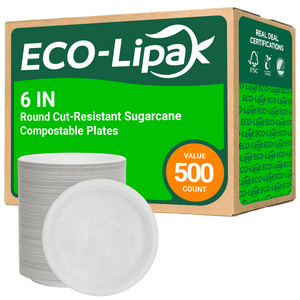
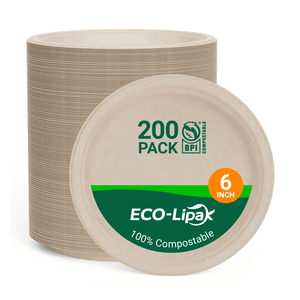
| 6 inch | Samples, cake, cookies, appetizers | One small course; not a full dinner | 500 natural or 500 white |
| 7 inch | Snacks, salad, dessert, side dishes | Compact light meal or one generous side | 600 white |
| 9 inch | Lunch, sandwiches, everyday entrees | Good default for controlled portions | 600 white |
| 10 inch | Dinner, BBQ, buffet, entree with several sides | More room for separation and heavier portions | 500 natural or 600 white |
Before buying a carton: Use this table as a menu screen, then confirm the live variant and carton count on the wholesale round sugarcane plate page. A caterer serving 150 hot dinners may need a different order from a cafe serving 150 pastries, even when the guest count is identical. Count plates per course and expected seconds before comparing prices. For a full-meal service, ask whether one 9-inch plate passes the hot-food carry test; if it fails, a 10-inch plate can be the lower-cost choice per usable meal despite a higher unit price.
A larger plate is not automatically stronger. Diameter describes available surface area, while stiffness comes from the molded profile, thickness, rim, and material. A 10-inch plate also invites larger portions, increasing the load. Test the heaviest realistic meal rather than pressing an empty plate by hand.

Five Checks Before Calling a Plate “Best”
1. Match the material to the meal
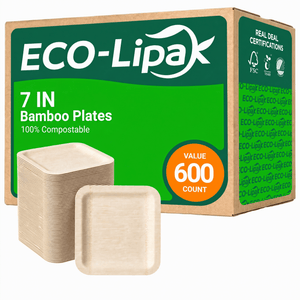
Thin paper can work for dry cake or cookies. Molded sugarcane fiber is a better starting point for hot entrees, vegetables, pasta, or moderately saucy food because its three-dimensional structure provides more support. Palm leaf and bamboo plates create different textures and presentations, but they should be compared by the same menu test.
2. Look at the rim and usable area
The printed diameter includes the rim. A wide rim can make a plate easier to carry but reduces the flat food area. Put the full meal on the plate and check whether sauce reaches the edge or food stacks above a comfortable carrying height.
3. Test heat, oil, and hold time together
A plate may feel rigid with dry food and soften after holding a hot, oily meal. Run the actual service window: portion the food, wait as long as guests normally wait, then carry and cut the meal. Do not invent an exact heat limit if the product page does not state one.
4. Check whether one plate is enough
A low-cost thin plate stops being inexpensive when guests double it. Record the percentage of meals that require a second plate or an extra bowl. A slightly higher unit price can reduce total pieces used and make carrying easier.
5. Confirm the disposal route
Food-soiled plates generally do not belong in conventional paper recycling. A compostable plate should go to an organics stream only when the local collector accepts that exact category. Otherwise, follow local waste instructions instead of placing it in a hopeful but incorrect bin.
Three Real Buying Scenarios
1. A birthday with cake, snacks, and a light lunch
Use 6-inch plates for cake and a 9-inch plate for sandwiches or lunch. Buying one 10-inch plate for every course may increase cost and table clutter. If the party is small, a retail pack can be more practical than a wholesale carton even when the carton has a lower unit price.
2. A 200-person BBQ buffet
Ribs, pulled meat, beans, slaw, and cornbread need room and structural support. Start with a 10-inch molded-fiber plate. Test cutting pressure and a normal serving of moist sides. Add a separate bowl only if the menu genuinely needs it, not because the plate was undersized.
3. An office lunch served every weekday
A 9-inch plate can be the efficient default for sandwiches, rice dishes, salads, and moderate entrees. Keep a smaller 6- or 7-inch plate for pastries and snacks so employees do not use a dinner plate for one cookie. The heavy-duty paper plate collection makes it easier to compare shapes and sizes before standardizing.

Buy the Right Carton for the Menu
For an illustrative 120-person catered lunch, suppose each guest uses one 9-inch entree plate and half use a 6-inch dessert plate. The base need is 120 entree plates plus 60 dessert plates. Add a modest agreed service buffer, then compare the actual pack quantities. The current wholesale listing offers white 9-inch plates in a 600-count carton and white 6-inch plates in a 500-count carton. Those full cartons may suit recurring events, but a one-off host may be better served by smaller packs. Do not mistake a lower unit price for lower total spend when hundreds of plates will remain unused.
For a weekly office lunch, a carton may be easier to justify. At 75 lunches each week, a 600-count 9-inch carton covers eight weeks before extra plates or damage. Record real use for the first two weeks, then set the reorder point at expected consumption during supplier lead time plus a small reserve. If deliveries take two weeks, 150 plates cover that lead time; a third week of buffer would bring the trigger near 225. Confirm the actual lead time before using that number.
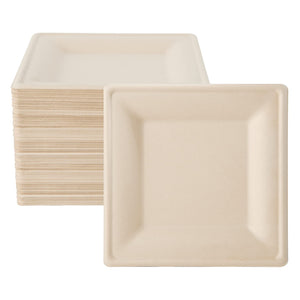
Ask for a test pack when the menu is heavy, oily or saucy. Carry a filled plate over the normal route, wait the usual serving period, and cut the food as a guest would. This is a stronger purchase test than looking at a product photo. If the plate bends, compare a deeper profile or another size before placing a bulk order. The square sugarcane plate range offers another format when a rectangular food arrangement fits the menu better.
Calculate Real Cost per Meal
- Divide pack or carton price by plate count.
- Multiply by the average number of plates used per guest, including doubled plates.
- Add bowls or secondary dishes required because of the chosen plate size.
- Include delivery and storage costs for large cartons.
- Compare only formats that pass the full-menu carry test.
Current ECO-Lipak wholesale options include 500-count natural 6-inch plates, 500-count natural 10-inch plates, 500-count white 6-inch plates, and 600-count white 7-, 9-, and 10-inch plates. Prices can change, so use the live listing at purchase time. For a smaller trial, the 7- and 9-inch sugarcane plate set offers a mixed-size way to test common snack and meal formats.
Microwave and Food-Safety Questions
The product listing identifies the featured sugarcane plates as microwave safe. Heat food in short intervals, follow the appliance and food instructions, and check both plate and food before carrying. Avoid reheating extremely oily food longer than necessary, and never use a disposable plate under a broiler, on a stovetop, or in a conventional oven unless the manufacturer expressly permits it.
A white or natural color does not prove that a plate is safer, compostable, or PFAS-free. Use the exact product specifications and certification rather than visual appearance. Buyers can search the BPI product catalog when third-party certification matters. ECO-Lipak's compostable certification guide explains how product claims and local acceptance fit together.
Avoid Misleading Environmental Shortcuts
The US EPA foodservice ware guidance encourages buyers to evaluate product claims and the actual waste pathway instead of relying on broad environmental labels. Describe the plate's material, certification, and intended facility conditions precisely. Do not promise rapid landfill breakdown or imply that a food-soiled molded-fiber plate belongs in paper recycling.
Frequently Asked Questions
What size paper plate is best for dinner?
A 10-inch plate is the best starting point for a full dinner with an entree and several sides. A 9-inch plate works for moderate lunches and controlled portions.
What paper plates are best for hot food?
Choose a rigid molded-fiber plate labeled for hot food and microwave use, with a raised rim and enough size for the meal. Test it with the hottest, wettest normal serving before a large order.
Are cheap paper plates always a worse value?
No. A low-cost plate can be good value for dry snacks or cake. It becomes poor value when guests need two plates or an extra dish for the intended meal.
Can sugarcane paper plates go in the microwave?
The featured ECO-Lipak sugarcane plates are listed as microwave safe. Use short heating intervals and never substitute a microwave-safe claim for oven or stovetop approval.
Can used paper plates be recycled?
Food-soiled plates generally should not enter conventional paper recycling. Follow the local recycling or organics program's rules for the specific plate material and contamination level.


Not long ago I was trying to understand my laptop’s hardware specifications. I
came across a helpful guide on https://znayka.com.ua.
I couldn’t find step-by-step guidance on most websites. Many sources were incomplete.
On this site I found clear explanations about RAM compatibility, along with step-by-step visuals that made everything much easier to understand.
I can confidently recommend this resource if you want reliable information about laptops and hardware upgrades.