Quick Answer: Compostable paper cups are usually the better choice when your beverage station can match the cup, lid, heat use, and disposal path. Regular paper cups may look simpler, but many still rely on plastic linings and unclear end-of-life handling. For cafes, offices, catering teams, and events, the practical decision is not "eco cup or regular cup." It is which cup system will hold the drink well, fit the right lid, keep inventory simple, and give guests a realistic disposal instruction.
Key Takeaways
- Compare paper cups by lining, lid fit, drink temperature, cup size, and disposal route, not by label alone.
- PLA-lined paper cups are a practical compostable option for hot beverage stations when local handling supports the claim.
- 4 oz, 8 oz, 12 oz, and 16 oz cups cover different jobs, from samples and espresso to standard coffee and larger drinks.
- Kraft cups feel warmer and more natural; white cups suit a cleaner, neutral brand presentation.
- The cup decision should include lids, sleeves, stirrers, signage, storage, and cleanup.
The older version of this guide framed the choice as a simple showdown. In real purchasing, the decision is more operational. A cup that works beautifully at a coffee counter may not be right for a long conference, a school breakfast program, or a high-volume catering station. The right cup is the one your staff can stock, serve, and explain without creating friction.

Compostable vs Regular Paper Cups
Most disposable paper cups need a lining because plain paper cannot reliably hold hot coffee, tea, cocoa, or cold drinks with condensation. The lining is where many buyer questions begin. Regular cups are often polyethylene-lined. Compostable paper cups often use PLA or a similar plant-based lining, which can improve the material story when the disposal system is planned honestly.
| Cup type | Best fit | Buyer check |
|---|---|---|
| PLA-lined compostable paper cup | Cafes, office pantries, events, foodservice teams with sustainability goals | Confirm matching lids, drink temperature, storage conditions, and local composting options. |
| Regular plastic-lined paper cup | Basic beverage service where composting is unavailable and price is the main concern | Check whether the lining conflicts with your waste sorting message. |
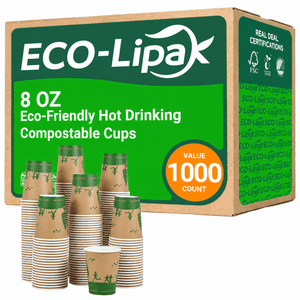
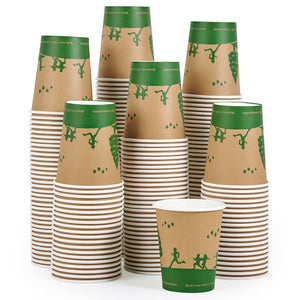
| Kraft paper cup | Natural-looking coffee bars, outdoor events, breakrooms, casual service | Make sure the lid color and sleeve style fit the customer experience. |
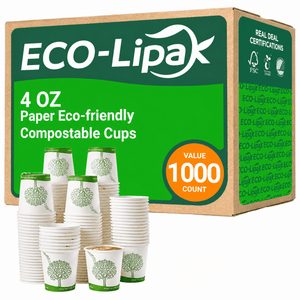
| White paper cup | Clean brand presentation, offices, catered meetings, sampling | Use size planning so 4 oz, 8 oz, 12 oz, and 16 oz cups do not overlap wastefully. |
For a kraft look, ECO-Lipak's wholesale natural kraft PLA-lined paper cups cover 8 oz, 12 oz, and 16 oz formats in bulk cartons. For a cleaner white service line, the wholesale white PLA-lined paper cups include 4 oz, 8 oz, 12 oz, and 16 oz options.
Choose Cup Size By Beverage Job
Cup size should come from the menu, not from habit. If one size has to do every job, guests either overfill small drinks or waste material on samples. Most beverage stations work better with two or three cup sizes plus a lid plan.
| Size | Common use | Operational note |
|---|---|---|
| 4 oz | Espresso, tastings, samples, kids portions | Useful when sampling drives product discovery or reduces wasted larger cups. |
| 8 oz | Small coffee, tea, cocoa, breakfast service | A practical size for offices and events that want controlled portions. |
| 12 oz | Standard coffee, latte, tea, hot cider | Often the default size for beverage stations and catering. |
| 16 oz | Larger coffee, iced drinks, long events | Needs reliable lid fit and enough storage space near service. |

Lids Matter As Much As Cups
A paper cup purchase is not finished until the lid is confirmed. A poor lid fit can undo the benefit of a better cup because leaks, loose lids, and confusing inventory create customer complaints. Cup diameter, lid material, temperature range, and color should be checked before a bulk order.
For hot beverage service, ECO-Lipak offers kraft PLA-lined hot cups, white PLA-lined hot cups, and white hot cups with CPLA lids. If you already have cup inventory, dedicated CPLA cup lids can help standardize the station.
Disposal Claims Need A Real Path
Compostable does not mean a cup disappears anywhere it is thrown away. The EPA composting overview explains why composting depends on local collection and processing conditions. The EPA greener food service ware guidance is also useful for teams comparing disposable foodservice materials.
The practical buyer rule is simple: choose the cup for the beverage first, then choose the disposal message your venue can actually support. If composting is available, make the bin setup obvious. If it is not, avoid overpromising and focus on material reduction, right sizing, and better purchasing discipline.

A Better Buying Workflow
- Map the drink menu. Separate espresso, standard hot drinks, iced drinks, samples, and refills.
- Choose two or three core cup sizes. Avoid carrying sizes that compete with each other.
- Confirm lid fit before the carton order. Test the exact cup and lid combination.
- Plan storage. Cups, lids, sleeves, stirrers, and napkins should restock together.
- Write the disposal instruction. Staff and guests should know what to do with used cups.
If you are building a broader low-waste service setup, browse the compostable cups collection or compare nearby categories such as plates, bowls, and to-go boxes. New buyers can also review About ECO-Lipak for material and brand context.
FAQ
Are compostable paper cups better than regular paper cups?
They can be better when the cup, lid, drink use, and disposal path are planned together. If there is no composting route, the benefit depends more on material choice, right sizing, and clear waste handling.
What is a PLA-lined paper cup?
A PLA-lined paper cup uses a plant-based lining to help the cup hold beverages. The lining is what helps paper resist liquid, but disposal still depends on local facilities.
Which paper cup size is best for coffee?
12 oz is a common default for standard coffee and lattes. 8 oz works well for smaller servings, while 16 oz fits larger drinks or longer events.
Can one lid fit every paper cup?
No. Lid fit depends on cup diameter and lid design. Always confirm the exact cup and lid combination before bulk ordering.
Should offices choose kraft or white paper cups?
Kraft cups create a natural, casual look. White cups feel cleaner and more neutral. The better choice depends on the beverage station design and brand tone.