Microwaving Styrofoam A Health Risk?

Microwaving Styrofoam A Health Risk? - ECOlipak


You should not microwave styrofoam. Only use a container if it is explicitly labeled microwave-safe. Your microwave oven can cause the container to melt or warp. It can also cause chemical leaching, which means your meal is no longer safe for food. Understanding these potential dangers is key to microwave safety. This guide helps you learn about safe reheating, so you know what is safe to heat. For reheating food, consider options like Sugarcane Compostable Bowls.

Key Takeaways

  • Do not microwave Styrofoam containers. They can release harmful chemicals into your food.

  • Styrofoam can melt or break apart in the microwave. This can cause spills or put plastic in your food.

  • Always look for a 'microwave-safe' label on containers. If there is no label, do not use it in the microwave.

  • Use safe alternatives like glass, ceramic, or special eco-friendly plates. These options protect your health.

  • If you accidentally microwave Styrofoam, throw the food away. It might have harmful chemicals.

What Happens If I Microwave Styrofoam?

You might wonder, what happens if I microwave styrofoam? The answer involves two major risks: chemical exposure and physical hazards. When you heat a Styrofoam container in the microwave, its structure breaks down. This breakdown releases chemicals into your food and can cause the container to fail, creating a dangerous mess. Understanding these potential dangers is the first step toward safer food habits.

Chemical Leaching and Health Concerns

The most serious risk when you microwave styrofoam is chemical leaching. Styrofoam is a type of plastic called polystyrene, which is made from a chemical named styrene. The International Agency for Research on Cancer (IARC) classifies styrene as a Group 2B substance, meaning it is a "possible human carcinogen."

When heated, the bonds in the polystyrene weaken. This process allows styrene and other chemicals, like benzene, to seep out of the container and into your meal. This transfer of chemicals is called leaching. The more you heat the container, the more leaching can occur. This leaching process contaminates your food without you even noticing.

Note: While studies confirm the health risks of styrene exposure in industrial settings, specific research on the effects of styrene leaching from microwaved foam is limited. This uncertainty makes it even more important to avoid the risk altogether.

Long-term exposure to the chemicals involved in this leaching is linked to serious health problems. You expose yourself to these risks every time you heat food in these containers. The consistent leaching of these chemicals can contribute to:

  • Increased risk of leukemia and lymphoma

  • Central nervous system effects like headaches, fatigue, and dizziness

  • Higher fasting blood sugar levels and insulin resistance

  • Potential kidney impairment over time

This chemical leaching is invisible, making it a hidden threat. The convenience of using styrofoam cups or containers is not worth the health risks associated with chemical leaching. The safest choice is to prevent this leaching by using other containers.

Physical Risks of Using Styrofoam Containers

Beyond chemical leaching, there are immediate physical risks. Styrofoam containers are not designed to withstand high temperatures. Most commercial Styrofoam begins to soften and deform between 176°F and 212°F (80°C to 100°C). Your microwave can easily reach and exceed these temperatures.

Microwaves often heat food unevenly, creating "hot spots." These super-heated areas can cause the Styrofoam to melt or lose its shape. This presents several dangers:

  • Spills and Burns: A weakened or melted container can easily collapse. This can cause scalding hot food or liquid to spill, leading to serious burns.

  • Melted Plastic in Food: The container itself can melt directly into your meal. You could end up eating small pieces of plastic along with your food.

  • Damage to Your Microwave: A melting container can create a sticky, hard-to-clean mess inside your microwave and may even damage the appliance.

When you microwave styrofoam, you are trusting a material that is unstable at high temperatures. The risk of the container failing is high, turning a quick meal into a hazardous situation.

Can You Microwave Styrofoam? Checking for Safety

So, can you microwave styrofoam? The safest answer is no, unless you find a clear label. You must check every container before you heat it. Trusting your eyes is not enough. You need to look for specific symbols that confirm a product is microwave-safe.

How to Find the Microwave-Safe Symbol

You can find the microwave-safe symbol on the bottom of a container. This marking is the manufacturer's promise that the product can handle microwave heat. Look for one of these common indicators:

  • Three wavy lines that represent microwave energy.

  • An icon of a microwave oven, sometimes with waves inside.

  • A drawing of a dish with wavy lines above it.

  • The explicit text "Microwave Safe" or "Microwave Oven Safe."

The U.S. Food and Drug Administration (FDA) does not have a specific regulation for the "microwave-safe" label. However, it requires all food contact packaging to be safe for its intended use. Manufacturers must follow testing protocols to ensure their microwave-safe products do not leach harmful chemicals at high temperatures.

Why Most Takeout Containers Are Unsafe

You should be extra careful with most takeout containers. These are typically made for single-use transport, not for reheating. Many foam takeout containers and styrofoam cups have a number '6' inside a recycling triangle. This symbol simply identifies the plastic as polystyrene. It does not mean the container is recyclable or microwave-safe.

Heating these single-use takeout containers can cause them to warp, melt, or leach chemicals. The convenience is not worth the risk. Always transfer your leftovers from takeout containers to a known microwave-safe dish, like glass, ceramic, or a trusted eco-friendly plate, before you heat them.

Safely Heating Food Containers: Eco-Friendly Options

Choosing the right container is the key to safely heating food containers. You can avoid the risks of Styrofoam by switching to sustainable alternatives. This protects your health and the planet. Polystyrene foam creates massive environmental problems. It fills landfills and breaks into microplastics that harm marine life and can enter our food chain. Making a better choice is easier than you think.

The Ecolipak Advantage for Your Kitchen

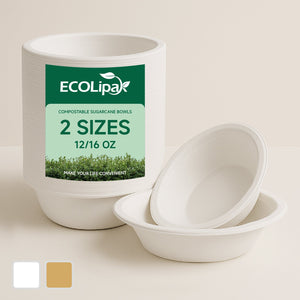
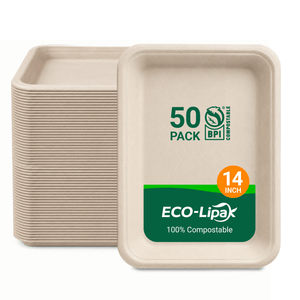
Ecolipak offers a solution for heating food containers safely. Our brand provides sustainable alternatives to plastic and Styrofoam. We have a mission to reduce environmental impact. Our Compostable Sugarcane Plates are an ideal choice for your kitchen.

These plates are made from 100% sugarcane bagasse. Bagasse is the natural fiber left over after juice is extracted from sugarcane. This renewable resource creates sturdy, reliable tableware. Our plates are also BPI Certified. This certification guarantees they will break down completely in a commercial compost facility without leaving harmful residues. You can trust that our products are genuinely eco-friendly.

The best part is that these plates are explicitly microwave-safe. You can use them for reheating food without the health risks associated with Styrofoam.

Best Practices to Microwave Food with Ecolipak

You can confidently use Ecolipak plates for reheating. Our sugarcane plates are durable, leak-resistant, and can handle temperatures up to 220°F. Following a few simple tips will ensure the best results when you microwave food.

  • Check Your Food Type: Foods high in fat or sugar can get extremely hot. These items can exceed the plate's temperature limit. For these foods, use shorter reheating intervals and stir occasionally.

  • Use Medium Power: Avoid using the highest power setting on your microwave for extended periods. A medium setting provides more even heating.

  • Cover Your Food: Place a microwave-safe cover or paper towel over your food. This prevents splatters and helps with even reheating food.

By following these practices, you can enjoy the convenience of a microwave-safe plate while protecting your well-being.

Ready to make a change for a healthier lifestyle and planet? Choose sustainable options for your kitchen. Green Pack, Go for ECOLipak!


To avoid potential dangers, you should not microwave styrofoam. The best way to reheat leftovers involves choosing certified-safe alternatives. This simple step protects you from harmful chemicals. Reheating food safely is easy when you know what to do.

The safest practice for reheating food is to always transfer your leftovers. Move the leftovers from their original container to a glass, ceramic, or trusted eco-friendly plate like Ecolipak's before reheating. This ensures your meal is safe to heat.

If you microwave leftovers and a container melts, throw away the food immediately. Making a conscious choice to avoid convenience for safety protects your health and the planet.

FAQ

What if the Styrofoam container looks fine after microwaving?

Even if the container does not melt, it can still be dangerous. Heat causes invisible chemicals like styrene to leach into your food. You cannot see or taste this contamination, but it poses a health risk. It is always best to avoid heating food in Styrofoam.

Is it safe to reuse Styrofoam takeout containers?

You should not reuse Styrofoam takeout containers. Most are designed for single use only. Reusing them, especially for heating, can cause the material to break down faster. This increases the risk of chemicals leaching into your food and the container failing.

What should I do if I accidentally microwaved Styrofoam?

If you accidentally microwave a Styrofoam container, you should throw the food away. Do not eat it. The food may be contaminated with harmful chemicals. You should also wipe down the inside of your microwave to remove any potential residue.

Safety Tip 💡: When in doubt, throw it out! Your health is more important than one meal.

Are all plastic containers unsafe for the microwave?

No, not all plastic containers are unsafe. You should always check the bottom of the container for a microwave-safe symbol. This symbol, often showing wavy lines, means the manufacturer has tested it for microwave use. If you see no symbol, use a different dish.


0 comments

Leave a comment