You want to make an environmentally friendly choice. Finding the right compostable garbage bag can feel tricky. This simple guide helps you match common garbage bag sizes to your bin. Use this chart to select the perfect environmentally friendly and compostable bag for your needs. We make choosing eco-friendly trash bags easy.
Bin Size |
Recommended Bag Size |
Typical Household Use |
|---|---|---|
4 Gallons |
4-6 Gallons |
Bathroom, Home Office |
8 Gallons |
8-10 Gallons |
Utility Room, Large Office |
13 Gallons |
13 Gallons |
Standard Kitchen Bin |
Key Takeaways
Match your trash bag size to your bin. This prevents messes and makes disposal easy.
Choose BPI-certified compostable bags for organic waste. They break down safely in commercial compost facilities.
Use recycled plastic bags for trash going to a landfill. This helps reduce new plastic production.
Do not put 'biodegradable' or 'bio-based' items in compost unless they are also certified compostable. They can harm the composting process.
Navigating Garbage Bag Sizes

Choosing the right bag is the first step to a cleaner, greener home. You need a bag that fits your bin perfectly to avoid messes and frustration. Understanding garbage bag sizes ensures you get the right product every time. Let’s break down the most common options for your home.
Small Bins (4-6 Gallons)
You often find small trash cans in bathrooms, home offices, or under a desk. These bins handle light waste like paper, tissues, and packaging. For these 4-gallon cans, you should choose a 4 to 6-gallon bag. This extra capacity gives you enough room to tie the bag securely. It also prevents the bag from slipping down inside the can. A snug fit makes disposal simple and clean.
Medium Bins (8-10 Gallons)
Medium-sized bins are perfect for utility rooms, craft areas, or larger office spaces. They hold more substantial waste than smaller cans. If you have an 8-gallon bin, an 8 to 10-gallon bag is your best choice. This size provides the strength and volume needed for bulkier items. Selecting the correct bag from the available garbage bag sizes prevents annoying tears and spills when you take out the trash.
Pro Tip: Always choose a garbage bag that is a few inches taller than your bin. This extra length allows you to fold the edge over the rim, securing the bag and making cleanup effortless.
Large Kitchen Bins (13+ Gallons)
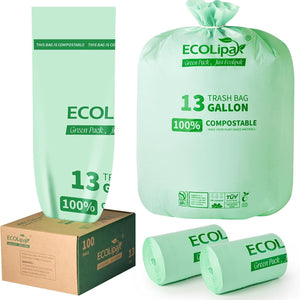
Your kitchen is the heart of your home’s waste management. Standard kitchen trash cans hold 13 gallons. You need a bag that can handle heavy food scraps, packaging, and daily messes without breaking. A 13-gallon bag is the perfect match for these bins. For the best experience, you should select a heavy-duty, certified compostable bag. Ecolipak’s 13-Gallon Compostable Trash Bags are BPI-certified and tear-resistant, making them the ideal choice for managing your kitchen waste sustainably. Matching your bin to the right garbage bag sizes is key to a tidy kitchen.
Understanding Eco-Friendly Trash Bags
You've picked the right size, and now you're ready to choose the right material. The world of eco-friendly trash bags can seem confusing with terms like "compostable," "biodegradable," and "recycled." You can make a powerful, sustainable choice by understanding what these labels truly mean. This knowledge empowers you to select a product that genuinely helps the environment.
BPI-Certified Compostable Bags
You want the most environmentally friendly option for your food scraps and organic waste. Look for certified compostable bags. These are not plastic. Instead, they are made from plant-based compostable materials like cornstarch, also known as PLA. These compostable bags are specifically designed to break down in a commercial composting facility. They turn into nutrient-rich compost, which can be used to enrich soil.
To ensure you're getting a truly compostable product, you should always look for third-party certifications.
BPI-Certified: The Biodegradable Products Institute (BPI) certification is the gold standard in North America. It guarantees a product will break down safely in a commercial compost facility.
OK Compost: This is another trusted European certification that verifies a product is compostable.
When you choose certified compostable trash bags, you are actively diverting waste from landfills and helping to reduce plastic pollution. These compostable bags are the best choice for your green bin. Using certified compostable bags makes your waste disposal truly sustainable.
Post-Consumer Recycled (PCR) Plastic
What about trash that can't be composted and is headed for the landfill? For this, you should consider Post-Consumer Recycled (PCR) plastic bags. These bags give existing plastic a new life. Manufacturers use plastic that you and other consumers have already used and recycled. This process reduces the need to create new plastic, which saves energy and natural resources.
Smart Choice for Landfills: When you choose a PCR bag, you help close the recycling loop. You support a circular economy and reduce the overall environmental impact of your landfill-bound trash. Look for bags with a high percentage of PCR content for the greatest benefit.
Bio-Based vs. Biodegradable
The terms "bio-based" and "biodegradable" cause a lot of confusion. In fact, studies show that nearly half of consumers struggle to tell the difference between "compostable" and "biodegradable." This confusion can lead to improper disposal, which harms the environment. Let's clear it up.
Feature |
Bio-based Plastic (Bioplastic) |
Biodegradable Plastic |
|---|---|---|
Material Source |
Made from renewable resources like corn starch. |
Often made from petroleum with chemical additives. |
Decomposition |
Does not always biodegrade. |
Breaks down due to additives but can leave toxic residue. |
Environmental Impact |
Considered safe for many uses. |
Can harm the environment if not properly managed. |
Key Difference |
Focuses on where the material comes from. |
Focuses on how the material breaks down. |
The term "biodegradable" simply means something will break down over time. However, it is not a regulated term for trash bags. Many biodegradable trash bags are still plastic-based and can leave behind microplastics or toxic materials. These biodegradable trash bags do not belong in your compost bin.
⚠️ Important: Do not put items labeled "bio-based" or "biodegradable" into your compost bin unless they are also certified compostable. Misplacing these items can contaminate an entire batch of compost.
Your best strategy is to ignore vague "biodegradable" claims on biodegradable trash bags. Instead, you should always look for the BPI or OK Compost logo. This ensures your compostable bags will break down cleanly and contribute positively to the environment. Choosing certified compostable bags is the only way to guarantee a truly environmentally friendly and sustainable outcome for your organic waste. This simple step helps prevent plastic pollution and protects our planet.
Top Picks for Your Kitchen (13 Gallons)
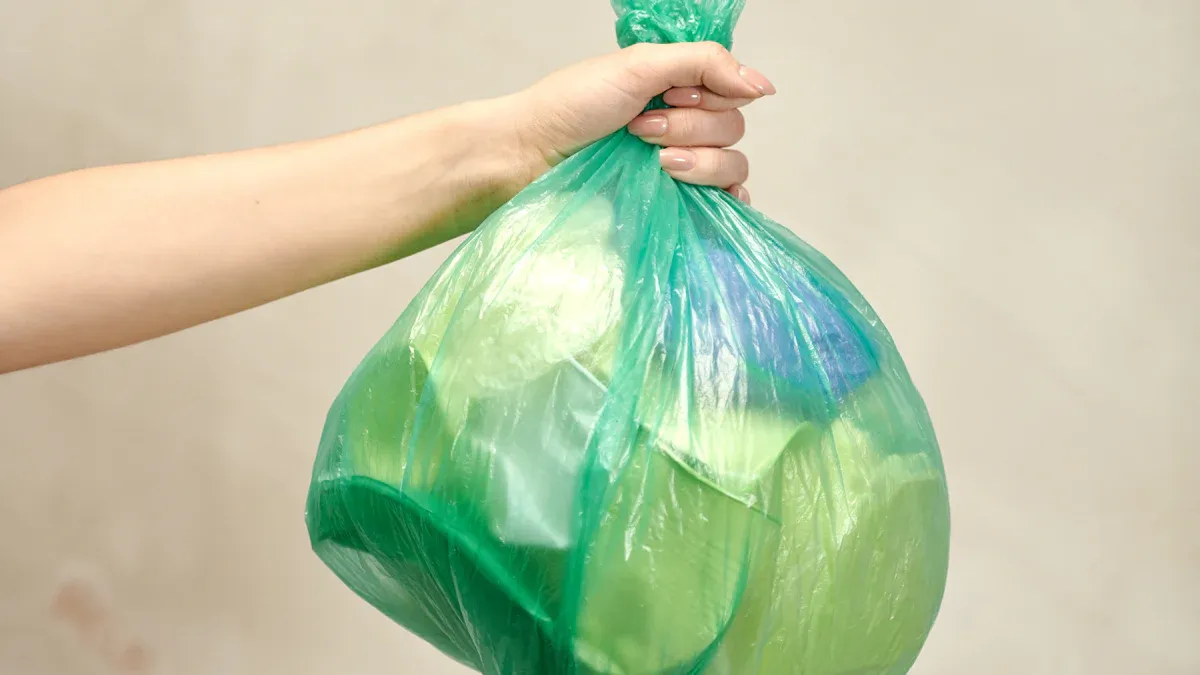
You need a reliable bag for your kitchen, the busiest waste-producing area in your home. Choosing the right 13-gallon bag makes all the difference. You can manage waste effectively and support a healthier planet. Here are the top picks to help you create a truly sustainable kitchen.
The Ecolipak Compostable Advantage
You want the best compostable solution for your kitchen scraps. Ecolipak’s 13-Gallon Compostable Trash Bags are your premier choice. These compostable bags are engineered to handle the demands of a busy kitchen while helping you achieve your environmental goals. You get performance and peace of mind in one green package.
Choose these compostable bags for their unmatched benefits:
Certified Compostable Power: These bags are BPI-Certified and meet OK Compost standards. You can be confident they are truly compostable and will break down safely in a commercial facility.
Heavy-Duty Strength: You can say goodbye to rips and leaks. Made from durable, tear-resistant PLA, these heavy-duty compostable bags hold heavy food waste without breaking.
Odor Control: The unique material naturally helps control unpleasant smells, keeping your kitchen fresh.
Perfect Fit: You will find these compostable bags fit perfectly in standard 13-gallon kitchen bins, including popular brands like SimpleHuman.
When you select Ecolipak, you choose the best compostable bags for your home. These compostable trash bags make your sustainable journey simple and effective.
Best Recycled Plastic Options
Sometimes, you have trash that is not compostable and must go to a landfill. For this type of waste, you should choose a bag made from recycled materials. This choice reduces the demand for new plastic production.
A Good Alternative for Landfill Waste Brands like "Who Gives A Crap" offer 100% recycled plastic trash bags. You support a circular economy when you use these bags for non-compostable items. This is a smart, responsible choice for waste that cannot be composted.
Features to Look For
You are ready to make a purchase. How do you pick the absolute best bag? You should look for a few key features to ensure you get a high-quality, truly sustainable product. A great compostable bag delivers on its promises.
Your checklist for the perfect compostable bags should include:
Third-Party Certification: Always look for the BPI or OK Compost logo. This is your only guarantee that the bag is certified compostable.
Material Strength: You need a bag that is tear- and leak-resistant. A strong compostable bag prevents messes.
Proper Size: Ensure the bag is designed for your 13-gallon bin to prevent slipping and spills.
Ecolipak’s compostable bags check every box. You get a strong, reliable, and genuinely compostable product. Making a sustainable choice has never been easier.
Choosing Sustainable Waste Solutions
You can make a huge difference by choosing the right bag for the right purpose. Your journey toward a sustainable kitchen involves more than just buying an eco-friendly product. You need to match your disposal method to the bag you use. This ensures your efforts have a real, positive environmental impact and help reduce plastic pollution. Making a thoughtful, sustainable choice is simple when you know the rules.
When to Use a Compostable Bag
You should use a compostable bag exclusively for organic waste destined for a commercial composting facility. These compostable bags are a key part of a truly sustainable waste system. They help you divert food scraps from landfills, turning them into valuable compost. For your compostable bags to be accepted, you must fill them with the right materials.
Your green bin is for specific organic items. Use your compostable bags for:
Food scraps like fruit, vegetables, and coffee grounds
Yard trimmings such as leaves and grass clippings
Other items made from compostable plastics that meet the ASTM D6400 standard
Using certified compostable trash bags correctly supports a circular economy and protects the environment.
When Recycled Plastic is Better
You might wonder what to do with trash that cannot be composted. For waste headed to a landfill, a recycled plastic bag is the most environmentally friendly choice. A compostable bag will not break down properly in a landfill. Landfills lack the oxygen and microbes needed for decomposition. The compostable bag's sustainable benefits are lost, and it can release methane, a harmful greenhouse gas. Therefore, choosing recycled plastic for landfill trash is a more responsible and sustainable action. It reduces the demand for new plastic and minimizes your environmental impact. Avoid using compostable bags or biodegradable trash bags for this purpose.
The Role of Reusable Bags
Your ultimate goal in sustainability is to reduce waste altogether. Reusable bags and containers play a vital role in this mission. You can use them for shopping, storing produce, and carrying lunches. By embracing reusables, you decrease your reliance on single-use items, including both compostable bags and biodegradable trash bags. While compostable bags are an excellent tool for managing food waste, reducing overall consumption is the most powerful step you can take for the environment. This commitment to less waste is the heart of true sustainability and helps fight plastic pollution.
You now have the knowledge to choose the right eco-friendly trash bags. Making a truly sustainable choice protects our environment from plastic pollution. This simple recap will help you buy with confidence.
Match Your Bin: First, check your can's gallon size. Matching the correct garbage bag sizes is the first step to a sustainable home.
Match Your Disposal: For organic waste, you should always choose BPI-certified compostable bags. These compostable bags are an environmentally friendly solution. Using certified compostable bags like Ecolipak's compostable bags helps the environment. These compostable bags are the best compostable option. Your compostable bags make a difference.
Ready to make a greener, more sustainable choice? Green Pack, Go for ECOLipak.
FAQ
How do I choose the right size compostable bag?
You should match the bag to your bin's gallon size. For a standard kitchen can, you need a 13-gallon bag. Ecolipak’s 13-gallon bags offer a perfect, snug fit. This prevents slipping and makes cleanup easy.
Can I put compostable bags in my regular trash?
You can, but you lose the environmental benefit. Compostable bags need oxygen to break down properly. In a landfill, they cannot decompose as designed. You should use them for organic waste sent to a commercial composting facility for the best results.
Are all "green" bags truly compostable?
No. You must look for official certifications to be sure. Always choose bags with the BPI or OK Compost logo. These marks guarantee the bag will break down safely. Ecolipak bags are BPI-Certified, so you can trust your choice.
What makes Ecolipak bags a good choice for my kitchen?
You get a bag that is both strong and sustainable. Ecolipak’s compostable bags are tear-resistant and control odors naturally. They are made from plant-based PLA and are BPI-Certified, making them the perfect partner for your sustainable kitchen.