Let's get right to it. Our choice for the 'Best Overall' compostable bag in 2025 is UNNI. We also cover other great options, like our "Top Durable Pick," Ecolipak. Choosing the right composting bag helps your waste reduction goals. The market for sustainable garbage bags is growing fast!
|
Metric |
Value |
|---|---|
|
Global Compostable Packaging Market (2025) |
USD 76.81 Billion |
|
CAGR (2025-2032) |
6.6% |
This guide reviews the best compostable bags. We will also help you understand confusing labels. Many people mix up biodegradable trash bags and certified compostable garbage bags.
-
Up to 49% of consumers find it hard to tell 'compostable' from 'biodegradable'.
-
Four in ten people think biodegradable trash bags are the same as compostable garbage bags.
We will show you how to find truly certified compostable products and avoid leaks.
Key Takeaways
-
UNNI is the best overall compostable bag for its strength and reliability.
-
Always look for BPI or TÜV certification logos to ensure a bag is truly compostable.
-
Compostable bags turn into healthy soil, but many 'biodegradable' bags just break into small plastic pieces.
-
Choose the right bag size for your bin to prevent messes and waste.
-
Store compostable bags in a cool, dry place away from sunlight to make them last longer.
Top Composting Bag Picks for 2025
Ready to find the perfect composting bag for your kitchen? You need a reliable partner to handle your daily food waste. We tested the top brands to help you choose. Here are our picks for the best compostable garbage bags of the year.
Best Overall: UNNI
UNNI bags earn our top spot for their all-around great performance. They offer a fantastic balance of strength, reliability, and true compostability.
-
Description: These bags are made from plant-based materials like corn starch, PBAT, and PLA. They are 0.71 mm thick, making them sturdy enough for everyday kitchen scraps. UNNI bags are BPI certified, so you can trust they will break down in a commercial composting facility.
-
Standout Feature: Their key strength is reliability. You can fill these compostable garbage bags without worrying about immediate rips or tears, a common frustration with some biodegradable trash bags.
-
User Feedback: Users love how dependable these bags are. The main drawback is the price. They can be more expensive per bag compared to other options on the market.
Best for Home Composting: BioBag
If you manage a compost pile in your backyard, BioBag is the choice for you. These bags are specifically designed to break down right at home.
-
Description: BioBag products hold the OK compost HOME certification. This guarantees they will decompose in your personal compost bin. Some bags even have DEBIO certification, meaning they are safe for use in organic farming after composting.
-
Standout Feature: These compostable garbage bags break down incredibly fast. In a well-managed home compost pile, they can decompose in just 10 to 45 days.
-
User Feedback: People who compost at home swear by these bags. A common point of feedback is that the material feels thinner than other brands. You should handle them with a bit more care to avoid punctures before they make it to the compost pile. Many biodegradable trash bags cannot make this claim.
Best Budget-Friendly: STOUT by Envision
Going green doesn't have to break the bank. STOUT offers an affordable entry into the world of certified compostable garbage bags.
-
Description: These BPI-certified bags are designed to be a cost-effective alternative to traditional plastic. They are a great way to start your composting journey without a big investment.
-
Standout Feature: Their biggest advantage is the low price point. You can get a large quantity of bags for a fraction of the cost of premium brands.
-
User Feedback: Users appreciate the value STOUT provides. The most noted drawback is that these bags can be prone to leaking, especially with wet food waste. It's a good idea to empty your bin more frequently when using them.
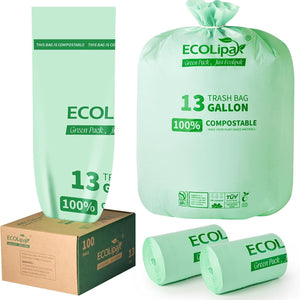
Strongest & Most Durable: Ecolipak
Tired of bags that rip, tear, or leak? Ecolipak is our top pick for strength and durability. These compostable garbage bags are built to handle the toughest jobs.
-
Description: Ecolipak bags are made from a BPA-free polylactic acid (PLA), a biopolymer derived from plant starches like corn. The manufacturing process creates a safe, inert material perfect for your home. These bags are designed to fit standard kitchen bins, including popular SimpleHuman models.
-
Standout Feature: Their tear-resistant design is a game-changer. These bags have a surprising strength that resists punctures from typical househol waste, giving you peace of mind. They also feature excellent odor control to keep your kitchen smelling fresh.
-
User Feedback: Customers consistently praise Ecolipak for its robust construction. You can confidently carry a full bag to the curb or compost bin without fearing a messy disaster. Users love that they get the strength of traditional bags without the environmental guilt.
Go Green with Confidence! Ecolipak's durable design means you can reduce plastic waste without sacrificing convenience. It's the perfect choice for busy households.
Best Extra-Thick Option: HoldOn
For those who want extra security against messes, HoldOn bags provide a heavy-duty solution. Their thickness gives you an added layer of protection.
-
Description: HoldOn bags are both BPI certified and TUV certified for home composting, offering you versatile disposal options. Their main selling point is their extra-thick and durable construction.
-
Standout Feature: The thickness is what sets these compostable bags apart. This feature makes them one of the most puncture-resistant options available, ideal for households with lots of pointy or heavy scraps. Unlike flimsy biodegradable trash bags, these feel substantial.
-
User Feedback: Users feel very secure using these bags. The primary drawback mentioned is their higher price, which reflects their premium, heavy-duty build. Many feel the cost is worth it for a leak-proof experience, especially when compared to other biodegradable trash bags.
Choosing Your Compostable Garbage Bags
You've seen our top picks. Now, let's give you the tools to become a composting pro. Choosing the right compostable garbage bags can feel tricky. You need to know what to look for. This guide will help you pick the perfect bag for your home.
Key Certifications to Look For
Certifications are your best friend. They prove a bag is the real deal. Vague claims are not enough. You should always look for an official logo on the packaging.
-
BPI Certified: This is the North American standard. The Biodegradable Products Institute (BPI) tests products to ensure they break down safely in commercial composting facilities. California law even requires BPI certification for any product sold as "compostable."
-
TÜV AUSTRIA (OK compost HOME): This certification is for your backyard compost pile. It guarantees a product will decompose at the lower temperatures found in home compost settings, which usually take 6-12 months.
-
TÜV AUSTRIA (OK compost INDUSTRIAL): This label means the product needs an industrial facility to break down. These facilities use high heat to compost materials efficiently.
Quick Tip 💡 A certified compostable product must be designed for organic waste like food scraps. It cannot be something better suited for recycling, like a water bottle.
Common Bag Materials
Have you ever wondered what compostable garbage bags are made of? They usually come from plant-based plastics. Two common materials are PLA and PBAT.
-
PLA (Polylactic Acid): This is a bioplastic made from renewable resources. Manufacturers use fermented plant starch from sources like corn, sugarcane, or cassava to create PLA. It's a key ingredient that helps the bags break down.
-
PBAT (Polybutylene Adipate Terephthalate): Think of PBAT as the ingredient that adds flexibility and toughness. It gives compostable garbage bags their stretch and strength, preventing the rips you might see with some flimsy biodegradable trash bags. This makes them much more reliable for your kitchen food waste.
Finding the Perfect Size
Getting the right size is important to prevent messes. A bag that is too small will fall into the bin. A bag that is too big is wasteful. First, check the capacity of your compost bin. Most kitchen bins are between 1 and 3 gallons, while trash cans are often 13 gallons.
Here are some common sizes to help you match your bag to your bin:
|
Bin Capacity |
Typical Bag Dimensions (Width x Height) |
|---|---|
|
2.5 Gallon |
17 in x 17 in |
|
3 Gallon |
17 in x 18 in |
|
13 Gallon |
24 in x 27 in |
Always check the dimensions on the box. This ensures your compostable garbage bags will fit perfectly.
How to Avoid Greenwashing
Many companies use confusing terms to sell their products. This is called "greenwashing." They want you to think a product is eco-friendly when it is not. You can learn to spot these tricks.
Avoid products that only use vague terms like:
-
"Eco-friendly"
-
"Earth-friendly"
-
"Green"
The term "biodegradable" can also be misleading. The U.S. FTC Green Guides state that a product labeled "biodegradable" should break down completely within one year of disposal. Many biodegradable trash bags do not meet this standard. Unlike certified compostable bags, many biodegradable trash bags just break into smaller plastic pieces. True certified compostable bags turn back into soil. Your best defense is to ignore the hype and look for the BPI or TÜV certification logos.
Proper Storage and Shelf Life
Did you know your composting bag has a shelf life? These bags are designed to break down, so they won't last forever on your shelf. Most compostable garbage bags, including those made from PLA and PBAT, last for about 12 months.
To get the most out of your biodegradable trash bags, follow these simple storage tips:
-
Keep them in a cool, dry place like a pantry or cabinet.
-
Store them away from direct sunlight.
-
Avoid heat and moisture, which can start the decomposition process early.
Proper storage ensures your biodegradable trash bags stay strong until you are ready to use them.
Choosing your perfect compostable garbage bags is easy! For all-around performance, go with our top pick. For superior strength and odor control, choose the durable compostable garbage bags.
The most important tip is to always look for a certification logo. This proves your compostable garbage bags are truly certified compostable. Your choice of a composting bag supports your waste reduction goals. Using these compostable garbage bags and other sustainable garbage bags makes a real impact. Go green with the right pack! 🌿
FAQ
What's the real difference between "compostable" and "biodegradable"?
Think of it this way: all compostable bags are biodegradable, but not all biodegradable bags are compostable. Certified compostable bags turn into healthy soil within a specific time. Many "biodegradable" bags just break into tiny plastic pieces, which can harm the environment. Always look for a certification!
Can I put these bags in my regular trash can?
You can, but you will lose the environmental benefit. Compostable bags need oxygen and microbes to break down properly. In a landfill, they are trapped without air and may not decompose as intended. For the best results, send them to a commercial composting facility or your home compost.
Why do my compostable bags sometimes feel weak or "sweat"?
This is a good sign! It means the bag is starting its job. The moisture from your food waste can kickstart the decomposition process. To prevent leaks, you can try emptying your compost bin a little more often or lining the bottom with a paper towel.
What happens to the bags after I compost them?
They work some real magic! 🪄 In a compost environment, your bag and all the kitchen scraps inside break down into nutrient-rich compost. This amazing material can then be used to fertilize gardens and enrich soil, helping new plants grow strong and healthy.