Scientific evidence shows your nutrition choices can influence your cancer risk. Studies link 30-35% of cancer-related deaths to diet. Foods like processed meat are connected to a higher risk of cancer.
This information is an empowering tool for your long-term health. The goal is proactive prevention, not guilt over a single meal.
Your focus on good nutrition is key for cancer prevention. Making smart choices helps lower cancer risk and supports your overall health. Even serving healthy meals in Sugarcane Compostable Bowls is a step toward this prevention goal, reducing your exposure to a different kind of cancer risk from plastics.
Key Takeaways
Some foods, like processed meats and too much red meat, can increase your risk of cancer.
Alcohol is directly linked to several types of cancer, so it is best to limit how much you drink.
Ultra-processed foods and sugary drinks can lead to weight gain, which also increases cancer risk.
Eating more fruits, vegetables, and whole grains helps protect your body from cancer.
Using plastic-free dishes, like those made from sugarcane, can help you avoid harmful chemicals.
Foods Linked to Increased Cancer Risk
Understanding which foods can increase your cancer risk is a powerful step in cancer prevention. Your long-term dietary pattern matters more than a single meal. Let's look at the science behind four key categories.
Processed Meats
You may enjoy bacon, sausage, or deli meats. However, you should know the health risks. The World Health Organization (WHO) classifies processed meat as a Group 1 carcinogen. This puts it in the same category as tobacco and asbestos for its potential to cause cancer.
This classification is based on strong evidence. Eating processed meat is directly linked to colorectal and stomach cancer. Preservatives like nitrates and nitrites are a major concern. These chemicals can form harmful compounds called N-nitroso compounds in your body. These compounds can damage your DNA, which may lead to cancer.
A comprehensive review of many studies found clear links between high processed meat intake and several types of cancer. For every 50-gram portion you eat daily, your risk of colorectal cancer increases by about 18%.
Cancer Type |
Increased Risk with High Processed Meat Intake |
|---|---|
Breast Cancer |
6% greater risk |
Colorectal Cancer |
18% greater risk |
Colon Cancer |
21% greater risk |
Rectal Cancer |
22% greater risk |
Lung Cancer |
12% greater risk |
Red Meat
Red meat includes beef, pork, and lamb. It can be part of a healthy diet in moderation. However, high consumption is linked to an increased risk of colorectal cancer. The World Cancer Research Fund suggests you limit cooked red meat to under 18 ounces (about 500g) per week for effective prevention.
How you cook your meat also matters. High-temperature cooking methods like grilling or pan-frying can create harmful chemicals.
Heterocyclic amines (HCAs)
Polycyclic aromatic hydrocarbons (PAHs)
These chemicals form when meat is charred. They can cause DNA changes that may increase your cancer risk. Heme iron, the type of iron found in red meat, may also play a role by promoting the formation of carcinogenic agents in the colon.
Alcohol's Link to Cancer
There is strong evidence linking alcohol to several types of cancer. The International Agency for Research on Cancer (IARC) classifies alcohol as a Group 1 carcinogen. This means no amount is considered 100% safe. When you drink alcohol, your body converts it into a chemical called acetaldehyde. This chemical can damage your DNA and stop your cells from repairing this damage.
Alcohol consumption is a known cause of cancers of the:
Mouth and Throat
Esophagus (food pipe)
Larynx (voice box)
Liver
Colorectum
Breast
For women, the link to breast cancer is particularly clear. Even light drinking can increase your risk. This risk grows with the amount of alcohol you consume. This is one of the most important cancer risk factors to manage for your long-term health.
Ultra-Processed Foods and Sugary Drinks
Ultra-processed foods are industrial formulations. They often contain high levels of added sugar, unhealthy fats, and sodium. Think of packaged snacks, sugary cereals, and ready-to-eat meals. These foods are not directly linked to cancer in the same way as processed meat. Instead, they contribute to weight gain and obesity. Maintaining a healthy weight is a key part of cancer prevention.
A large study found that a 10% increase in the amount of ultra-processed food in your diet was linked to an 11% higher risk of breast cancer.
Sugary drinks like sodas and sweetened juices also contribute to weight gain. They provide empty calories without making you feel full. This can lead to overconsumption and obesity, which increases your risk for many cancers. Focusing on whole foods is a great strategy to lower cancer risk. Making smart food choices is a powerful tool to lower cancer risk and improve your overall well-being.
Lifestyle Choices to Lower Cancer Risk
Shifting your focus to what you should eat is a powerful move for cancer prevention. Your daily choices in nutrition and lifestyle build a strong defense for your long-term health. Adopting a few healthy habits can significantly lower your risk of developing several types of cancer.
Embrace a Plant-Predominant Diet
You can build a strong foundation for health with a plant-predominant diet. This eating pattern emphasizes whole grains, vegetables, fruits, and beans. These foods are packed with protective compounds. Fruits and vegetables provide phytochemicals like carotenoids and flavonoids. These natural substances have properties that fight cancer. A healthy diet rich in these foods naturally helps you eat fewer of the items linked to cancer.
Whole grains and beans are excellent sources of dietary fiber. Fiber helps your digestive system in several ways.
It increases stool bulk.
It dilutes harmful substances.
It reduces the time carcinogens are in contact with your colon.
This process is a key part of cancer prevention. Good nutrition also helps you maintain a healthy weight, which is crucial for health and prevention.
Make Healthy Swaps with Ecolipak
You can take control of your health by making more meals at home. This lets you choose every ingredient. It is a great way to improve your nutrition. When you serve your healthy home-cooked meals, your choice of tableware matters. Many plastic containers can leach harmful chemicals like BPA into your food, especially when heated. These chemicals are linked to an increased risk of cancer and other health problems.
A Healthier Choice: Ecolipak keeps your food away from plastic.
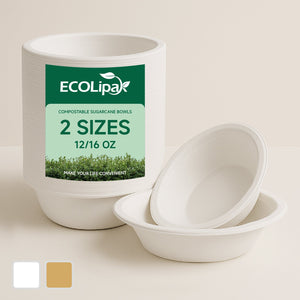
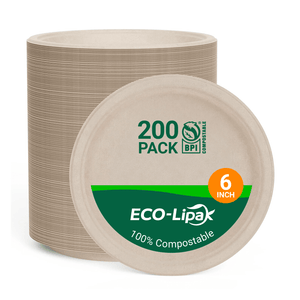
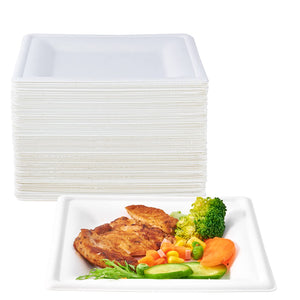
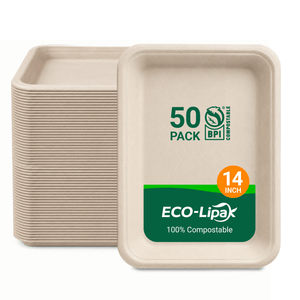
You can serve your meals with confidence using Ecolipak's compostable sugarcane plates and bowls. These products are sturdy, natural, and 100% free from plastic and BPA. Using safe, eco-friendly tableware is a simple step to lower cancer risk and support a healthier lifestyle. This small change contributes to your overall prevention strategy against cancer.
Your journey to lower cancer risk starts with your plate. You can improve your health by limiting processed meat, red meat, alcohol, and sugary foods. A consistent dietary pattern rich in whole foods is your best strategy for cancer prevention. Your long-term nutrition choices have a powerful impact on preventing cancer.
Start with small, manageable changes for lasting health. This is the key to effective prevention.
Choosing to serve your healthy meals on Ecolipak's plastic-free tableware is a simple step. You build habits that protect your health and reduce your risk of cancer.
FAQ
Is it okay to eat these foods sometimes?
Yes. Your long-term dietary pattern matters most for cancer prevention. An occasional indulgence is not the primary concern. You should focus on building consistent, healthy eating habits over time for the greatest health benefit.
Does how I cook meat really matter for cancer risk?
Yes, your cooking method is important. High-temperature cooking like grilling can create harmful chemicals linked to cancer. You can lower your risk by choosing gentler methods like baking, poaching, or stewing your meat.
Why are plastic-free plates like Ecolipak's recommended?
Some plastics contain chemicals like BPA that can leak into your food, especially when heated. Using plastic-free options helps you avoid this risk.
Tip 💡: Ecolipak's sugarcane plates and bowls offer a safe, sturdy, and BPA-free choice for serving all your healthy meals.
Do I have to become a vegetarian to lower my cancer risk?
No, you do not need to be a vegetarian. A plant-predominant diet means you make plants the main part of your meals. This approach naturally helps you eat fewer high-risk foods and more protective ones.