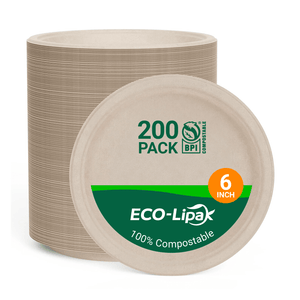
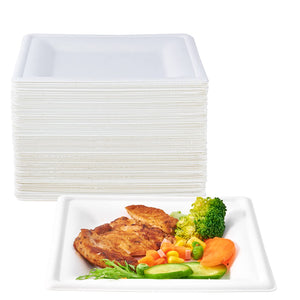
This guide helps you build balanced flexitarian meals. You will learn to make plants the star of your plate. The flexitarian diet is a simple, flexible approach to improve your health and support weight loss. Studies show this diet helps people achieve a lower body weight. You can serve your delicious flexitarian meal on compostable sugarcane plates. This focus on plant-based foods is a powerful tool for sustainable weight loss, making the flexitarian lifestyle both effective and enjoyable.
Key Takeaways
-
The flexitarian diet focuses on eating more plants. You can still enjoy meat sometimes.
-
Build your meals with lots of vegetables, fruits, and whole grains. These foods give you energy and nutrients.
-
Choose plant proteins like beans and lentils often. Add healthy fats from avocados and nuts to feel full.
-
Use meat as a small part of your meal, not the main dish. This helps you eat less meat.
-
Meal planning helps you stick to the flexitarian diet. Prepare meals ahead of time for easy, healthy eating.
The Flexitarian Diet: Core Principles for Health
The flexitarian diet is a semi-vegetarian lifestyle. You focus on plant-based foods but can still enjoy meat occasionally. This flexible eating plan doesn't have strict rules. Instead, you make progress toward healthier eating habits. A good goal is to aim for about five meatless days or 15+ meatless meals per week. When you do eat meat, try to limit it to no more than nine ounces weekly. This approach offers many health benefits without requiring you to give up meat entirely. Adopting this diet also has environmental benefits, as reducing meat consumption can significantly lower greenhouse gas emissions.
Prioritize Plant-Based Proteins
You can get plenty of proteins from plants. Legumes, nuts, and seeds are excellent sources. For example, foods like lentils and black beans pack a powerful protein punch, often comparable to meat. A well-planned plant-based diet provides all the amino acids your body needs.
|
Food Item |
Serving Size |
Protein (g) |
|---|---|---|
|
Chicken Breast |
3 oz |
26 |
|
Lentils |
1.5 cups |
27 |
|
Ground Beef |
3 oz |
22 |
|
Black Beans |
1.5 cups |
22.5 |
Fill Up on Vegetables and Fruits
Make vegetables and fruits the largest part of your meals. The U.S. Dietary Guidelines suggest adults eat at least 2 cups of fruit and 2 to 3 cups of vegetables daily. These foods are packed with essential nutrients.
Nutrient Powerhouses 🥬 Dark leafy greens like spinach and colorful vegetables are rich in vitamins A, C, and K, as well as folate and iron. Filling your plate with them is a simple way to boost your overall health.
Choose Whole Grains for Energy
Choose whole grains for sustained energy. Options like quinoa and brown rice are full of fiber. This fiber helps regulate your blood sugar and supports digestive health. Unlike refined grains, whole grains provide more nutrients and keep you feeling full longer. This makes them a key part of a balanced flexitarian diet.
Add Healthy Fats for Satiety
Healthy fats are an important part of any diet. Sources like avocados, nuts, and seeds help you feel full and satisfied after eating. These fats can improve blood cholesterol levels and support heart health, delivering great benefits for your healthy eating plan.
Use Animal Products Strategically
When you include meat in your flexitarian plan, choose wisely. Opt for high-quality sources like grass-fed beef. It contains more beneficial fats and vitamins than conventional beef. Remember, the flexitarian diet encourages you to use meat as a complement, not the main event.
A Step-by-Step Guide to Build Balanced Flexitarian Meals
You can easily create delicious and nourishing meals with a simple, four-step approach. This method helps you build balanced flexitarian meals by focusing on variety and whole foods. The core idea is to make plants the star of your plate. This flexible eating plan is adaptable to your personal tastes and health goals.
Step 1: Start with a Plant Foundation
Your first step is to build a foundation of plants. A flexitarian meal always starts with vegetables, fruits, legumes, and whole grains. Think of filling at least half your plate with a colorful mix of cooked or raw vegetables. This "start with plants first" approach shifts your focus away from meat. For example, instead of planning dinner around a piece of chicken, you can start by roasting vegetables and then decide what to add next.
Plant-Based Meal Ideas 💡
Breakfast: Try oatmeal with berries, a smoothie with spinach and banana, or whole-grain toast with avocado.
Lunch: A lentil salad, a baked sweet potato topped with black beans and corn, or mushroom toast on whole-grain bread are great options.
Dinner: You can make a black bean and sweet potato chili, a skillet vegetable curry, or whole-grain pasta with a rich marinara sauce and beans.
Step 2: Add a Lean Protein
Next, you will add a source of lean protein. Protein is essential for building muscle and keeping you full. The flexitarian diet includes many protein options. You can choose powerful plant-based proteins like lentils, beans, tofu, and nuts. You can also include lean animal proteins like chicken, turkey, or seafood.
A healthy serving of protein is about the size of a deck of cards if you are eating meat, poultry, or fish. For plant-based sources, a single serving could be:
-
1/4 cup of cooked beans
-
1/4 cup (about 2 ounces) of tofu
-
1 tablespoon of nut butter
Step 3: Incorporate Healthy Fats
Healthy fats are a crucial part of a satisfying diet. They help you feel full long after your meal. You can add healthy fats from sources like avocados, nuts, seeds, and olive oil. These fats do more than just provide flavor. They are necessary for your body to absorb certain nutrients.
Vitamins A, D, E, and K are fat-soluble. This means your body can only absorb them when you consume them with fat. A study from Iowa State University showed that adding oil to a salad significantly boosted the absorption of key nutrients from the vegetables. This simple step makes your healthy eating even more effective.
Step 4: Garnish with Meat, Don't Center It
The final step changes how you think about meat. In the flexitarian diet, you use animal products strategically. Think of meat as a garnish or a complement rather than the main event. This is a key principle of the flexitarian lifestyle: quality over quantity.
Instead of a large steak with a small side of broccoli, imagine a large bowl of roasted broccoli and quinoa with a few small strips of steak mixed in. This approach helps you reduce meat consumption while still enjoying its flavor. This method of eating makes your diet more sustainable and plant-focused.
Meal Prep with Ecolipak for Easy Flexitarian Eating
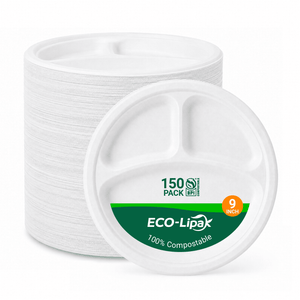
Meal planning is a powerful strategy for your flexitarian diet. Research shows that people who plan their meals are more likely to follow nutritional guidelines. This thoughtful approach helps you make educated food choices. Successful flexitarian meal planning starts with the right tools. Ecolipak's 8 inch Compostable Sugarcane 3 Compartment To Go Boxes are perfect for this. The three compartments visually guide your portions, helping you build a balanced plate every time. These sturdy, leakproof containers are also microwave-safe for easy reheating. Best of all, they are fully compostable, aligning your healthy eating habits with eco-friendly values.
A Sample Flexitarian Lunch Box
You can create a delicious and balanced lunch with a simple recipe. This sample meal plan makes your midday meal easy.
Southwest Quinoa & Black Bean Bowl 🥗
Large Compartment: Fill with a mix of cooked quinoa and black beans for protein and fiber.
Medium Compartment: Add colorful chopped bell peppers, tomatoes, and red onion.
Small Compartment: Place your pepitas (pumpkin seeds) and a small container of lime vinaigrette here.
This keeps your ingredients fresh until you are ready to mix and enjoy your meal.
A Grab-and-Go Breakfast Idea
Your mornings can be stress-free with a prepped breakfast. Overnight oats are a fantastic option for a quick and nutritious start. Simply combine rolled oats, your choice of milk, and a little yogurt in a jar. Add toppings like berries and nuts for healthy fats and vitamins. This simple meal planning step ensures you have a healthy option ready for busy mornings.
A Perfectly Portioned Dinner
A well-portioned dinner supports your health goals. You can prepare a "Nourish Bowl" for a satisfying evening meal. This approach to your diet is very flexible. Cook your components ahead of time and assemble them when you are ready for eating.
-
Base: Start with a whole grain like brown rice.
-
Protein: Add roasted chickpeas or lentils.
-
Veggies: Top with steamed broccoli and roasted sweet potatoes. This simple plan makes sticking to your flexitarian lifestyle easy and delicious.
You can successfully build balanced flexitarian meals. The main strategy is simple. Build your meal around a foundation of plants, complemented by whole grains and lean protein. The flexitarian diet is about balance, not strict rules. This flexible eating approach is more effective for long-term success than a rigid diet. Remember this helpful advice as you begin your flexitarian journey.
Take small steps every day and one day, you’ll get there.
Start today to build balanced flexitarian meals. You can use sustainable tools like Ecolipak to support your new diet.
FAQ
What are the main benefits of a flexitarian diet?
You can experience many health benefits. This diet supports weight management and improves heart health. The environmental benefits are also significant. It reduces your carbon footprint.
How do I start a flexitarian meal plan?
You can start small. Try adding one or two meatless meals to your week. Gradually increase the number as you feel comfortable. A simple plan helps you stay consistent.
Where can I find good flexitarian recipes?
You can find many flexitarian recipes online. Look for blogs and websites focused on plant-based eating. Many cookbooks also offer creative ideas for delicious meatless meals. These recipes make your new eating style enjoyable.
Is it hard to get enough protein on this diet?
No, getting enough protein is easy. Your meal plan can include plant-based sources like beans, lentils, tofu, and nuts. These foods provide plenty of protein for your body's needs.