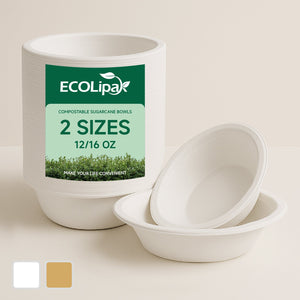
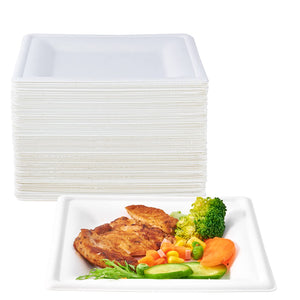
Adopting a low-glycemic diet is a powerful trend for diabetes prevention. This approach helps you manage your blood sugar levels. Low-glycemic foods release sugar slowly, which prevents the sharp spikes that can lead to insulin resistance over time. You can take control of your health by making simple, effective food choices. Preparing these meals at home is even easier with Sugarcane Compostable Bowls.
Did You Know? Studies show that healthy diet and lifestyle changes can reduce your risk of developing type 2 diabetes by up to 58%.
Key Takeaways
A low-glycemic diet helps keep your blood sugar steady. This diet prevents big sugar spikes and helps your body use insulin better.
Choose low-GI foods like berries, leafy greens, quinoa, and lean proteins. These foods give you steady energy and help you feel full longer.
Make simple food swaps, like choosing whole-wheat bread instead of white bread. These small changes can greatly improve your health.
Build your meals using the plate method: half non-starchy vegetables, a quarter lean protein, and a quarter low-GI carbs. This helps you eat balanced meals.
Use sugarcane compostable bowls for meal prep. They are a safe choice for your food and better for the planet.
Understanding The Glycemic Index
What Is The Glycemic Index?
You can think of the Glycemic Index (GI) as a report card for carbohydrates. It ranks foods based on their impact on your blood glucose after you eat them. The GI is a measurement that shows how quickly your body converts carbs from a food into sugar. This process estimates how rapidly your body breaks down carbohydrates during digestion.
Foods are ranked on a scale from 0 to 100. Pure glucose has a GI value of 100, serving as the benchmark. Here is how the scale generally works:
Low GI: 55 or less
Medium GI: 56 to 69
High GI: 70 to 100
Choosing foods with a lower GI value is a smart strategy for managing your health.
Why Low-GI Is Key To Health
A low-GI diet is a powerful tool for diabetes prevention because it helps you maintain stable blood sugar levels. When you eat low-GI foods, your body releases glucose slowly and steadily. This gradual release prevents the sudden spikes and crashes in energy that high-GI foods can cause. Stable energy helps your body's insulin work more effectively.
The benefits go far beyond just managing blood sugar levels. A low-GI diet also supports your overall wellness in several ways:
Easier Weight Management: You may find it easier to lose and maintain weight.
Reduced Health Risks: This eating style can lower your risk for heart disease and metabolic syndrome.
Better Appetite Control: Low-GI foods help you feel full longer, reducing cravings and the chance of overeating.
Feel Fuller, Longer 🍎 Low-GI meals provide sustained satiety. This means you feel satisfied after eating and are less likely to experience the intense hunger that often follows a high-sugar meal.
By focusing on low-GI foods, you are making a proactive choice for long-term health and vitality.
Your Low-Glycemic Food Guide
Building a diet around low-glycemic foods is simpler than you might think. You can easily find these healthy options in any grocery store. This guide will help you choose the right foods to keep your energy stable and support your long-term health.
Top Low-Glycemic Fruits
You can enjoy many delicious fruits while following a low-GI eating plan. Berries, cherries, apples, and pears are excellent choices. They are packed with fiber, which is a key reason they have a gentle effect on your blood sugar.
The fiber in fruits like apples plays a big role in moderating sugar absorption. It slows down digestion, ensuring sugar enters your bloodstream gradually. This process helps you avoid the sharp blood sugar spikes that processed sugars cause. The high pectin content in apples, a type of soluble fiber, is especially effective. It delays how quickly your stomach empties, leading to a more gradual increase in blood glucose. A review in the Asia Pacific Journal of Clinical Nutrition confirmed that soluble fiber significantly improves blood glucose responses for people managing their health.
Pro Tip 🍎 Eat your apples with the skin on! The skin contains a large portion of the fruit's fiber, which helps slow down sugar absorption even more effectively.
Essential Low-Glycemic Vegetables
Non-starchy vegetables are the foundation of a healthy diabetes meal plan. You should fill your plate with dark leafy greens like spinach and kale, along with other colorful vegetables like broccoli and carrots. These foods are loaded with nutrients and have a very low GI score.
Dark green leafy vegetables are true powerhouses of nutrition. They are rich in vitamins A, C, E, and K, plus important B-vitamins like folate. Your body uses folate for heart health and DNA repair. These vegetables also provide essential minerals like iron, magnesium, and potassium that support your metabolism. The carotenoids they contain act as antioxidants, protecting your cells from damage.
Most non-starchy vegetables have an extremely low GI value, meaning they have almost no impact on your blood sugar. You can see how some common choices stack up below.
Vegetable |
Glycemic Index (GI) |
|---|---|
Spinach |
0-15 |
Kale |
0-15 |
Broccoli (raw) |
15 |
Broccoli (cooked) |
45 |
Grains And Legumes For Stable Energy
You do not need to cut out all carbohydrates to manage your blood sugar. You just need to choose the right ones. Whole grains and legumes provide steady, long-lasting energy. Good choices include quinoa, rolled oats, lentils, and chickpeas. These foods are very different from high-GI refined grains like white rice or white bread, which your body digests quickly.
Quinoa is a low-GI food with a score of around 35. In contrast, some types of rice porridge can have a GI of 75 or higher. Legumes like lentils and chickpeas also have a very low glycemic index. They are packed with fiber and protein, making them an excellent part of any diabetes meal plan. Swapping refined grains for these whole-food options gives your body the slow-release fuel it needs.
Lean Proteins And Healthy Fats
Lean proteins and healthy fats are essential for stabilizing your blood sugar. These foods have a minimal or zero glycemic index value. The GI scale measures how carbohydrates affect blood sugar. Since foods like fish, tofu, chicken, and eggs contain very few carbohydrates, they do not cause your blood sugar to rise.
Healthy fats also play a crucial role. Foods like avocados, nuts, and seeds help you feel full and satisfied. When you eat them with carbohydrates, they slow down digestion and help prevent blood sugar spikes.
Avocados: They are low in carbs but high in healthy fats and fiber. This combination is great for blood sugar management and helps you feel full longer.
Nuts: Walnuts and other nuts provide a mix of healthy fats, protein, and fiber. They make a much better snack choice than high-carb options like crackers or chips.
Including a source of lean protein and healthy fat with every meal is a smart strategy to keep your blood sugar levels balanced throughout the day.
Practical Tips For Diabetes Prevention
Knowing which foods are low-glycemic is the first step. Now, you can put that knowledge into action. These practical tips will help you easily incorporate low-GI eating into your daily life for effective diabetes prevention.
Simple Food Swaps To Start
You can make a big impact on your health with small changes. Swapping high-GI foods for low-GI alternatives is an easy way to begin. You do not need to overhaul your entire diet overnight. Start with one or two of these simple swaps.
Swap white bread for 100% whole-wheat or sourdough bread.
Swap sugary breakfast cereals for rolled oats or quinoa porridge.
Swap instant rice for brown, wild, or basmati rice.
Rice is a great example of how a simple swap can help manage your blood sugar levels. Instant and sticky rice have a very high GI, causing a rapid spike in glucose. In contrast, wild and brown rice have a much lower GI, providing more stable energy.
Potatoes are another food where the cooking method matters. A baked white potato has a high GI, but a boiled sweet potato has a much lower one.
Cooking Method |
White Potato GI |
Sweet Potato GI |
|---|---|---|
Baked / Roasted |
88 (high) |
88 (high) |
Boiled |
73 (high) |
46 (low) |
Deep Fried |
65 (medium) |
71 (high) |
Choosing a boiled sweet potato over a baked white potato is a smart swap for your next meal.
How To Build A Low-Glycemic Meal
Creating healthy meals is simple when you use the plate method. The American Diabetes Association recommends this visual guide because it makes portion control easy. You do not need to count, weigh, or measure. All you need is a nine-inch plate.
The Perfect Plate Formula 🍽️ Follow this simple formula to build a balanced, low-glycemic meal every time:
Fill half your plate (½) with non-starchy vegetables. (e.g., broccoli, spinach, bell peppers)
Fill one-quarter of your plate (¼) with lean protein. (e.g., chicken, fish, tofu, beans)
Fill the final quarter of your plate (¼) with low-GI carbs. (e.g., quinoa, sweet potato, lentils)
This approach ensures you get plenty of fiber, protein, and nutrients. It helps keep you full and your energy stable. This method is a cornerstone of a good diabetes meal plan.
Sustainable Meal Prep With Ecolipak
Meal prepping is a powerful strategy for staying on track. When you have healthy meals ready to go, you are less likely to make impulsive, unhealthy choices. Prepping your meals gives you complete control over your nutrition and portion sizes.
However, the containers you use for meal prep matter. Many plastic containers contain chemicals like bisphenols (BPA) and phthalates. These are known as endocrine-disrupting chemicals (EDCs). When you heat food in plastic, these chemicals can leak into your meal. Studies show EDCs can interfere with your body's hormones, potentially impacting metabolism and increasing the risk for conditions like diabetes.
A Healthier Choice for You and the Planet ♻️ You can keep your food away from plastic with a safer alternative. Ecolipak's sugarcane compostable bowls are the perfect choice for your meal prep.
Our bowls are made from 100% natural sugarcane bagasse, a renewable resource. They are sturdy, leak-resistant, and completely microwave-safe. You can confidently reheat hearty soups, stews, or grain bowls without worrying about harmful chemicals. Choosing Ecolipak supports a healthier lifestyle and a cleaner planet.
Smart Snacking To Prevent Spikes
Snacks can either help or hurt your blood sugar management. High-sugar or starchy snacks like chips, cookies, and candy cause a quick glucose spike followed by a crash. This leaves you feeling tired and hungry again soon after.
The key to smart snacking is balance. Choose snacks that combine protein, healthy fats, and fiber. This combination slows down digestion and promotes stable energy between meals.
Here are a few easy and delicious low-glycemic snack ideas:
Apple slices with a spoonful of almond butter.
A handful of mixed nuts like walnuts and almonds.
Plain Greek yogurt topped with fresh berries.
Baby carrots or bell pepper strips with hummus.
A hard-boiled egg.
These snacks will satisfy your hunger and help you maintain steady energy throughout the day, making your diabetes prevention efforts much more effective.
Embracing low-glycemic foods is a simple and effective step for diabetes prevention. This trend is really a return to eating whole, unprocessed foods. Major health organizations agree this approach helps you manage your blood sugar levels. Long-term studies show that even small dietary swaps significantly reduce your risk over time.
Your Next Step 👣 Start today by making one simple low-glycemic swap to begin your journey toward long-term diabetes prevention.
FAQ
Can I still eat my favorite high-GI foods?
Yes, you can enjoy high-GI foods occasionally. The key is balance and moderation. You can pair a small portion of a high-GI food with low-GI foods, lean protein, and healthy fats. This combination helps slow down sugar absorption and lessens the impact on your blood sugar.
How quickly will I see results from a low-GI diet?
You may notice better energy levels within a few weeks. However, the main goal is long-term diabetes prevention. Consistent healthy choices build a strong foundation for your future health. This diet is a sustainable lifestyle change, not a quick fix.
Is a low-glycemic diet the same as a low-carb diet?
No, they are different. A low-GI diet focuses on the quality of carbohydrates, choosing those that release sugar slowly. A low-carb diet restricts the quantity of all carbohydrates. You can still eat healthy carbs like fruits and whole grains on a low-GI plan.
Do I need to avoid all sugar?
You should limit added sugars found in processed foods and drinks. Natural sugars in whole foods like fruits are different. They come with fiber and nutrients, which help your body manage them better.
Remember 💡 Consistency is more important than perfection. Small, steady changes lead to significant long-term health benefits.