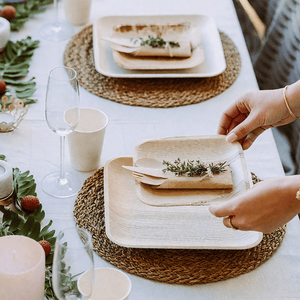
Have you ever noticed the wood-like patterns on palm leaf plates? Each Ecolipak plate tells a unique story. It holds nature's fingerprint, a special design from a fallen areca palm leaf. Consumers today increasingly prefer products with natural elements. Our plates meet this desire perfectly.
The plate's color, texture, and lines create a map of the leaf's life. This map shows its age, the sun it received, and the rain it weathered. Every plate is a one-of-a-kind piece of nature's art.
Key Takeaways
Ecolipak plates come from naturally fallen palm leaves. This makes them a tree-free and earth-friendly choice.
Each plate has a unique look. Its colors and textures show the leaf's age, sun, and rain.
The plates are made with only heat and pressure. No chemicals or glues are used.
Ecolipak plates are strong and do not leak. They can hold hot and heavy food.
Choosing these plates helps the planet. They reduce plastic waste and break down easily.
Nature's Fingerprint in Every Leaf
Every Ecolipak plate begins its journey not in a factory, but in nature. We craft our plates from the sheaths of areca palm leaves that have naturally fallen to the ground. This makes them a completely tree-free and sustainable choice. Each plate is a gift from the earth, carrying a unique story within its fibers. This story is the true Nature's Fingerprint, a design that no machine can replicate. No two plates are ever identical. Their distinct veins, textures, and earthy color gradients make each one a personal piece of natural art for your table.
The Leaf's Life Cycle
The age of a leaf plays a big role in how a plate looks and feels. Older, more mature leaves are often thicker and stronger, creating a sturdier plate with a deeper grain. Younger leaves might be more flexible with a finer texture. Sun exposure also paints the leaf with a unique palette of colors. A leaf's time under the sun directly impacts its final appearance.
Intense sunlight can change a leaf in several ways:
Fading Green Color: The sun's rays can fade the leaf’s vibrant green to a lighter yellow.
Chlorophyll Destruction: This color change happens because the sun breaks down chlorophyll, the pigment that makes leaves green.
Brown or Scorched Patches: Direct, strong sunlight can even create brown, scorched patches, adding deep, earthy tones to the material.
These color variations, from light beige to rich brown, are a direct record of the sunny days the leaf experienced.
Weather's Artistic Touch
Weather acts as an artist, shaping the texture of every leaf. Rainfall patterns are especially important. Scientific studies show that leaves often grow thicker in environments with less rain. This adaptation helps the plant conserve water and protect itself from heat. A thicker leaf feels more substantial and has a different texture than a leaf from a wetter region. The fine lines and ridges you can feel on your plate are a map of the rains it weathered, telling a story of its local climate. This is another element that contributes to the unique Nature's Fingerprint of each plate.
Nature's Perfect Imperfections
You may notice dark spots, varied grain lines, or slight color shifts on your Ecolipak plate. These are not defects. They are the leaf's natural characteristics and a celebrated part of its story. In art and design, such "imperfections" are often valued as signs of authenticity and beauty.
In the Japanese art of Kintsugi, broken pottery is repaired with gold, highlighting the cracks as a beautiful part of the object's history.
Designers often embrace the natural cracks in concrete or the rust patterns on aging steel, seeing them as unique and beautiful.
Traditional Japanese tea houses use unpolished wood and rough textures, where every uneven line adds to the structure's soul.
Just like these examples, the unique marks on your palm leaf plate add to its rustic elegance. They are reminders that you are holding a genuine piece of nature, perfectly imperfect and full of character.
Crafting Ecolipak's Unique Plates
The journey from a fallen leaf to a finished plate is a testament to nature's own engineering. At Ecolipak, we honor this by using a simple, clean process. We collect the naturally fallen areca palm leaves, which helps enrich the soil and provide habitat for local wildlife. The leaves are then carefully cleaned with fresh water and left to sun-dry. From there, we use only heat and pressure to transform them into the beautiful, durable plates you see. This method enhances the leaf's natural fingerprint, locking its unique story into the final product.
The Heat-Press Method
Our crafting process is straightforward and earth-friendly. After cleaning, each dried leaf is placed into a mold. The mold is heated to approximately 110-120°C (230-248°F). A machine then applies immense pressure, pressing the leaf into its final plate shape. This single step does three amazing things: it forms the plate, sterilizes the leaf, and bonds the natural fibers together. The result is a sturdy, food-safe plate created without a single drop of glue or synthetic binder. The entire process celebrates the leaf's inherent qualities.
No Dyes, No Chemicals
Your safety and the planet's health are our top priorities. That is why our entire production process is 100% chemical-free. Unlike many conventional disposable plates that may contain harmful additives, Ecolipak plates are pure nature. You will never find these chemicals in our products:
Phthalates or Bisphenols (BPA)
Petroleum-based coatings
Chlorine or Dioxins
Our mission is simple: Keep Food Away From Plastic. By choosing Ecolipak, you get peace of mind knowing your plate is as clean as the food you put on it. Our products meet strict compostability standards and break down in a home compost pile in just 60-90 days.
Durable and Leak-Proof by Design
The strength of an Ecolipak plate comes directly from the palm leaf itself. The heat-press method compresses the leaf's strong natural fibers, creating a remarkably sturdy and rigid structure. This artisanal process makes our plates naturally tough enough to handle heavy foods like a juicy steak or hot, saucy pasta without bending or soaking through. They are a "Tough and Leak-Proof Design" you can rely on. For added convenience, they are also microwave and refrigerator safe. You can safely warm up leftovers for up to two minutes, making them perfect for modern, eco-conscious living.
Reading the Story in Your Plate
Every Ecolipak plate is a chapter in a story written by nature. You can learn to read this story by looking closely at its colors and feeling its textures. Each detail offers a clue about the leaf's unique journey from the forest floor to your table. This visual and tactile information is the true Nature's Fingerprint.
What the Colors Reveal
The colors on your plate are a direct record of the leaf's life under the sun. They create a beautiful, earthy palette that tells a specific story. You can decode these colors easily.
Light Beige and Creamy Yellows: These shades often indicate the leaf spent more time in the shade. It received gentle, filtered sunlight.
Warm Tans and Golden Hues: These colors suggest a life with balanced sun exposure. The leaf matured under a mix of sun and shade.
Deep Browns and Dark Spots: These rich tones point to more direct sunlight. They can also show where the leaf was older and thicker.
These variations are not flaws. They are authentic marks of a natural product, making each plate a one-of-a-kind piece of art.
Understanding the Textures
Your sense of touch reveals another layer of the story. Run your fingers across the plate's surface. You will feel a landscape of fine lines, subtle ridges, and smooth areas. These textures are a map of the leaf's structure and its response to the environment. The faint, woody scent is another reminder of its forest origins. This organic, tactile feel connects you directly to nature. The plate feels sturdy and substantial in your hands. This is because the natural fibers were pressed together, locking in the strength the leaf developed over its lifetime. Every groove and fiber tells you about the rain it weathered and the breezes it felt.
The beauty of an Ecolipak plate lies in its individuality. Each one is a unique piece of nature's art, telling the story of the leaf it came from. Choosing Ecolipak means you are embracing a sustainable, durable, and beautiful product. No two plates are ever the same. This is the true Nature's Fingerprint. Your choice helps reduce plastic pollution and supports a healthier planet. 🌎
Embrace nature's story at your next gathering. Green Pack, Go for ECOLipak.
FAQ
Why do my plates look different from each other?
No two Ecolipak plates are the same. Each plate has unique colors, lines, and textures. These are natural "fingerprints" from the leaf's life. This makes every plate a one-of-a-kind piece of nature's art for your table.
Are any trees cut down to make these plates?
Absolutely not. We only use areca palm leaves that have naturally fallen to the ground. This process is completely tree-free and sustainable. It is a gift from the earth that we turn into your beautiful plate. 🌎
Can these plates handle hot and heavy food?
Yes, they can. Our heat-press method makes the plates very strong and leak-proof. They can easily hold a juicy steak or hot pasta without bending or getting soggy. They are designed to be tough and reliable.
What is the faint, woody smell from the plates?
The subtle, earthy scent is a natural reminder of the plate's forest origin. It comes directly from the palm leaf itself. This smell is completely safe and part of the authentic experience of using a natural product.