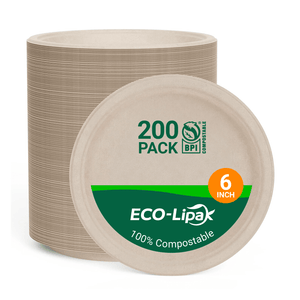
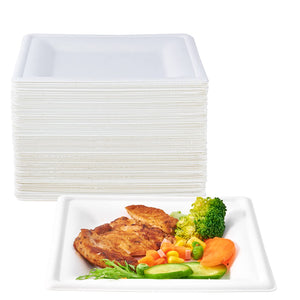
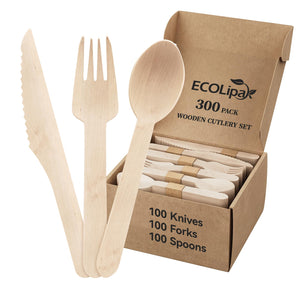
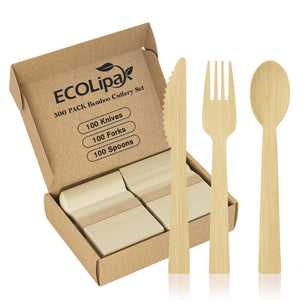
You can make your kitchen safer and more eco-friendly today by swapping out plastic utensils for Plastic-Free Kitchen Utensils. When you choose options like compostable wooden cutlery, you enjoy real health benefits right away:
Reduces exposure to harmful chemicals and microplastics
Supports hormonal health by avoiding endocrine disruptors like BPA and phthalates
Potentially improves fertility and overall family health
Ecolipak makes it easy to start with practical, sustainable products. Take the first step now and enjoy a kitchen that’s healthier for you and better for the planet.
Key Takeaways
Switch to Plastic-Free Kitchen Utensils to reduce exposure to harmful chemicals and improve family health.
Choose natural materials like wood and bamboo for cutting boards and utensils to avoid microplastics and toxins.
Use glass and stainless steel for food storage to ensure safety and durability while reducing waste.
Start with small changes, like replacing one plastic item at a time, to make the transition to a sustainable kitchen easier.
Invest in high-quality, eco-friendly kitchen tools to save money in the long run and protect your health.
Why Choose Plastic-Free Kitchen Utensils
Health Benefits of Going Plastic-Free
You want your kitchen to be a safe place for your family. When you use plastic utensils, you risk exposing yourself to harmful chemicals. Plastics can leach toxins when heated, especially in the microwave. Black plastic utensils may contain dangerous chemicals from recycling processes. Microplastics can even come from plastic cutting boards and end up in your food.
Here are some health risks you should know about:
Plastics can release flame-retardant chemicals when heated.
Exposure to BPA and phthalates can disrupt hormones and affect children’s development.
Microplastics can build up in your body over time.
Studies show that 97% of children have detectable levels of plastic byproducts in their bodies. Most tap water samples in the US contain these pollutants. You can avoid these risks by choosing Plastic-Free Kitchen Utensils made from natural materials like wood or bamboo. These alternatives do not leach harmful chemicals and stay safe even at high temperatures.
Ecolipak supports your journey to a healthier kitchen. Their compostable bamboo cutlery is sturdy, splinter-free, and BPA-free. You get peace of mind knowing your utensils are safe for your family.
Environmental Impact of Plastic Alternatives
Plastic utensils create waste that lasts for hundreds of years. When you switch to Plastic-Free Kitchen Utensils, you help reduce pollution and protect wildlife. Natural materials like wood and bamboo break down quickly and leave no harmful residue.
Let’s compare the safety of materials:
Material |
Chemical Safety |
Key Points |
|---|---|---|
Wood |
Safer |
Does not leach harmful chemicals; non-reactive at high temperatures. |
Plastic |
Less Safe |
Can leach toxins; contains additives that disrupt hormones. |
Ecolipak’s eco-friendly products make it easy for you to choose sustainable options. You help keep green spaces clean and support a healthier planet. Every small change in your kitchen makes a big difference.
Essential Swaps for a Plastic-Free Kitchen
Ready to transform your kitchen? You can make a big impact with a few smart swaps. Let’s walk through the essentials.
Storage: Glass and Stainless Steel
Plastic containers might seem convenient, but they don’t last long and can leach chemicals into your food. Glass and stainless steel offer a safer, longer-lasting solution. You can use them for leftovers, meal prep, or snacks on the go. They don’t stain, hold odors, or warp in the dishwasher.
Here’s a quick look at how these materials compare:
Material |
Lifespan |
Durability Characteristics |
|---|---|---|
Glass |
5–10 years |
Inert, does not leach chemicals, recyclable, can last almost indefinitely. |
Stainless Steel |
Over 10 years |
Non-toxic, highly durable, can handle extreme temperatures, non-porous surface resists micro-cracks. |
Plastic |
2–3 years |
May leach harmful substances, can endure up to 100 washes, becomes brittle due to UV radiation, needs replacement if cloudy or scratched. |
Switching to glass or stainless steel means you’ll buy fewer replacements and keep your food safe.
Cutting Boards: Wood and Bamboo
Cutting boards touch almost everything you eat. Plastic boards can trap bacteria in scratches and even shed microplastics into your food. Wood and bamboo boards are safer and better for the planet.
Bamboo is renewable and biodegradable.
It has a low environmental impact.
Bamboo is naturally antimicrobial, which helps keep bacteria away.
Let’s compare:
Feature |
Bamboo |
Plastic |
|---|---|---|
Renewable |
Yes |
No |
Biodegradable |
Yes |
No |
Microplastic Risk |
None |
High |
Environmental Impact |
Low–Moderate |
High |
Wood and bamboo boards also don’t leach chemicals. They’re gentle on your knives and look great on your countertop.
Material |
Food Safety Implications |
Chemical Leaching Risks |
|---|---|---|
Wood |
Natural antimicrobial properties; risk of bacteria if not cleaned properly |
No harmful chemicals leached |
Plastic |
Easy to clean but can harbor bacteria in scratches |
Potential for chemical leaching when heated |
Utensils: Ecolipak Compostable Bamboo Cutlery
Utensils are the heart of your kitchen. If you want to avoid plastic waste and keep your meals safe, Ecolipak’s Compostable Bamboo Cutlery is your best bet. You get forks, knives, and spoons made from 100% natural bamboo. They’re sturdy, splinter-free, and BPA-free. You can use them for hot or cold foods, and they won’t break or bend.
Ecolipak’s cutlery is compostable, so you can toss it in your compost bin after use. It breaks down naturally and leaves no harmful residue. You get the convenience of disposables without the guilt.
Many families and event planners love these utensils because they’re safe, stylish, and eco-friendly. You can enjoy every meal knowing you’re making a responsible choice. If you want to build a kitchen with Plastic-Free Kitchen Utensils, start here.
Cookware: Ceramic and Cast Iron
Nonstick pans might seem easy, but they can release microplastics and chemicals when scratched or overheated. Ceramic and cast iron cookware are safer and last much longer. You can use them for years, which means you buy less and waste less.
Ceramic and cast iron don’t emit harmful particles, so your indoor air stays clean. They also save energy and resources because you won’t need to replace them often. You get better-tasting food and a healthier kitchen.
Non-stick cookware can release harmful microplastic particles.
Ceramic and cast iron do not emit harmful particles.
These options are better for indoor air quality.
Wraps: Beeswax and Cloth Covers
Plastic wrap is usually single-use and ends up in the trash after one meal. Beeswax and cloth wraps are reusable and keep your food fresh without plastic waste. You can use them for sandwiches, cheese, or covering bowls.
Feature |
Beeswax Wraps |
Plastic Wrap |
|---|---|---|
Lifespan |
Up to 1 year |
1-2 months |
Beeswax wraps don’t transfer odors and are easy to clean. They have natural antibacterial properties and let food breathe, which helps prevent spoilage. You’ll find that your food stays fresh, and you won’t have to buy wrap every month.
Beeswax wraps can be reused many times.
They don’t transfer odors.
They allow food to breathe, reducing spoilage.
Cleaning Tools: Natural Fiber Brushes
You use brushes every day to clean dishes and surfaces. Synthetic brushes can shed microplastics that end up in your food and water. Natural fiber brushes, like those made from coconut or sisal, are biodegradable and tough on grime.
Natural fiber brushes are biodegradable and do not shed microplastics, which are a significant concern with synthetic brushes. In contrast, synthetic brushes can release microplastics during use, which can contaminate food and harm the environment.
Feature |
Natural Fiber Brushes |
Plastic Brushes |
|---|---|---|
Cleaning Power |
Superior cleaning power |
Often too rigid, causing micro-scratches |
Microplastic Risk |
Zero |
High risk (sheds into food/water) |
Abrasiveness |
Non-scratching on coatings |
Can cause damage to cookware |
Water Retention |
Quick-drying, reduces bacterial growth |
Retain moisture, breeds bacteria/smell |
Natural fiber brushes dry quickly, so they don’t breed bacteria. They’re gentle on your cookware and tough on messes. You get a cleaner kitchen and a cleaner planet.
You don’t have to change everything at once. Start with one or two swaps, like switching to Ecolipak Compostable Bamboo Cutlery or picking up a bamboo cutting board. Every step brings you closer to a kitchen filled with Plastic-Free Kitchen Utensils and a healthier home.
Tips for a Smooth Transition
Start Small with High-Impact Changes
Switching to a greener kitchen can feel overwhelming, but you don’t have to do everything at once. Start with one or two swaps that make the biggest difference. For example, replace your most-used plastic items with natural alternatives like bamboo cutlery or a wooden cutting board. These changes are easy and give you quick wins.
You might face some challenges along the way:
Changing your shopping habits to find plastic-free options.
Adjusting how you prepare food with new materials.
Finding good replacements for common plastic items.
Stay motivated by making gradual changes. When you take the first step, you inspire your family and friends to join you. Try offering homemade alternatives or reusable items to get everyone involved. Every small action counts!
Where to Find Sustainable Kitchen Products
You can find eco-friendly kitchenware in many places today. Local stores, online shops, and specialty eco retailers all offer great options. Ecolipak is a trusted source for sustainable products, including compostable bamboo cutlery and tableware. Their products help you reduce waste and avoid harmful chemicals.
Here’s how prices compare:
Product Type |
Traditional Plastic (per unit) |
Eco Tableware – Global Average (per unit) |
|---|---|---|
Cutlery Set (Fork, Spoon, Knife) |
$0.025 |
$0.035–$0.045 |
16oz Salad Bowl with Lid |
$0.035 |
$0.045–$0.055 |
9"x6" Clamshell |
$0.045 |
$0.055–$0.065 |
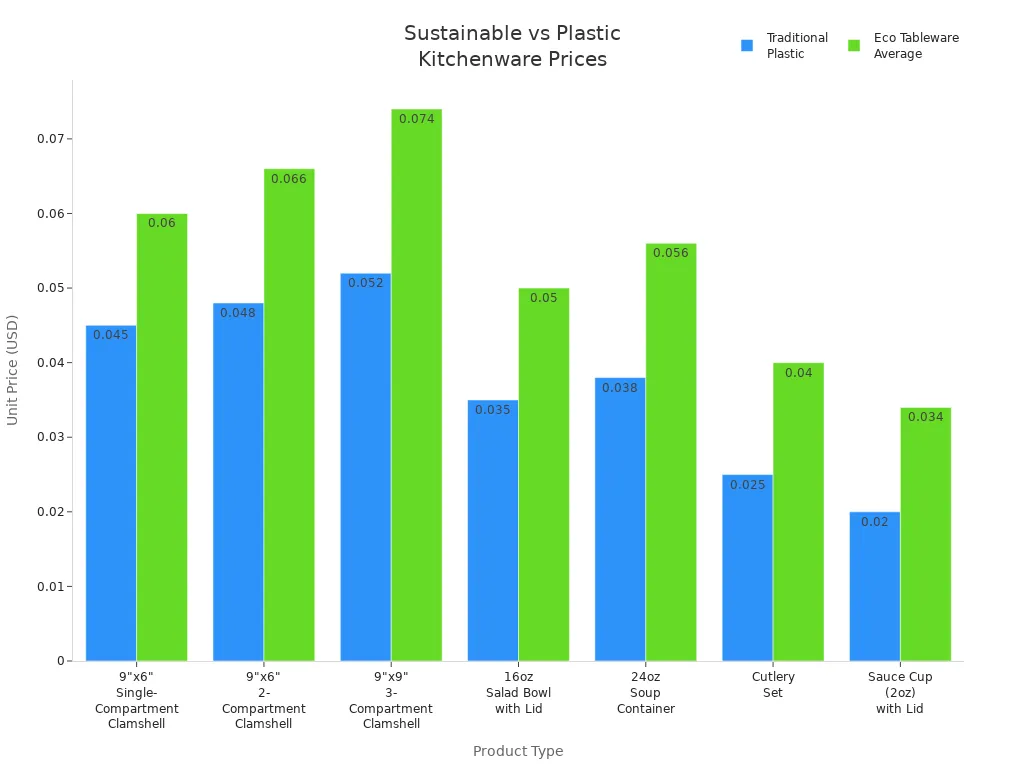
Eco-friendly products may cost a little more, but they last longer and are better for the planet.
Caring for Plastic-Free Utensils
Take care of your new kitchen tools to make them last. Here are some simple tips:
Hand wash only to keep them strong.
Don’t soak them in water for too long.
Dry right away with a towel.
Use baking soda or salt to clean tough stains.
Rub with food-grade oil to keep wood from cracking.
When you care for your utensils, you help them last longer and reduce waste. Plastic-Free Kitchen Utensils need less frequent replacement, which means less trash and a healthier kitchen for you.
Common Mistakes to Avoid
Overlooking Hidden Plastics
You might think you’ve removed all plastic from your kitchen, but hidden plastics can sneak in where you least expect them. Many everyday items contain plastic or shed microplastics, even if they look harmless. Let’s look at some common culprits:
Plastic cutting boards can shed microplastics into your food.
Food containers often release microplastics when heated.
Tea bags sometimes contain plastic, which can leach into your drink.
Food packaging, like cans and paper, may have plastic linings.
Kitchen appliances sometimes use cheap plastic or non-stick coatings.
Non-stick cookware can release harmful chemicals when heated. Teflon coatings contain synthetic polymers that may pose health risks. Research suggests that plastic cleaning sponges can leak trillions of microplastics into your home. Millions of plastic sponges are in use, and they aren’t sustainable. You can switch to natural loofah sponges, cellulose sponges made from wood fibers, or bamboo and coconut sponges. These options are biodegradable and plastic-free.
Tip: Always check labels and product descriptions. If you see words like “polypropylene,” “polyethylene,” or “non-stick,” you’re probably dealing with hidden plastics.
Choosing Quality Over Quantity
You might feel tempted to buy cheap plastic utensils because they cost less upfront. However, high-quality plastic-free kitchen tools save you money and protect your health in the long run. Dr. Emily Thompson says switching to wood or stainless steel reduces exposure to toxic chemicals linked to cancers. Chef Anna Rivera notes that stainless steel is the gold standard for zero-waste kitchens.
High-quality wooden utensils are renewable, biodegradable, and don’t leach toxins. Stainless steel utensils last for years, stay hygienic, and are fully recyclable. Let’s compare performance:
Feature |
Wood Utensils |
Plastic Utensils |
|---|---|---|
Heat Resistance |
Handles stay cool; won’t melt. |
Can melt or warp in heat. |
Lifespan |
Lasts decades with care. |
Becomes brittle; needs frequent replacement. |
Chemical Leaching |
No harmful chemicals. |
Can leach toxins when heated. |
Choosing quality means you buy less, waste less, and enjoy safer meals. You make your kitchen healthier and more sustainable with every smart purchase.
You can build a sustainable kitchen with just a few easy swaps. Plastic-free utensils keep your meals safer and help protect the planet. Ecolipak’s Compostable Bamboo Cutlery makes eco-friendly choices simple and stylish.
Start today with one swap.
Share your progress with friends.
Try new eco-friendly products.
Every step you take brings you closer to a healthier home and a greener world. Ready to make a difference?
FAQ
What makes Ecolipak’s bamboo cutlery eco-friendly?
You get cutlery made from 100% natural bamboo. It’s compostable and BPA-free. You can toss it in your compost bin, and it breaks down in months.
Can I use bamboo cutlery for hot foods?
Yes! Ecolipak’s bamboo cutlery handles temperatures up to 248°F. You can use it for soup, coffee, or hot meals without worry.
How do I care for wooden or bamboo utensils?
Hand wash your utensils. Dry them right away. Rub with food-grade oil to keep them smooth and strong.
Where can I buy Ecolipak’s compostable cutlery?
You can order directly from Ecolipak’s website. You’ll find different sizes and sets for every need.
Are eco-friendly utensils as strong as plastic ones?
Material |
Strength |
Compostable |
|---|---|---|
Bamboo |
High |
Yes |
Plastic |
Medium |
No |
You get sturdy utensils that won’t splinter or bend.