You can turn food scraps like carrot tops and onion peels into a rich soup for sustainable soup sunday. With zero-waste cooking, you help the environment and support sustainability at home. Try upcycling your kitchen leftovers and serve your broth in Ecolipak bowls with compostable wooden cutlery for a cozy, eco-friendly meal.
Key Takeaways
Transform kitchen scraps into delicious vegetable broth. Save onion peels, carrot tops, and celery ends to reduce food waste and create a flavorful soup.
Choose Ecolipak's compostable bowls for serving. These eco-friendly bowls help cut down on landfill waste and support sustainable dining.
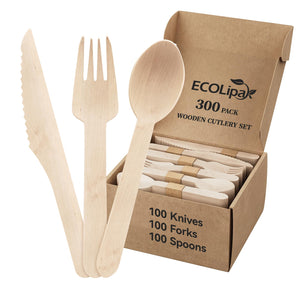
Enjoy cozy meals with a wooden soup spoon. It keeps your hands safe from heat and adds a special touch to your Sustainable Soup Sunday experience.
Sustainable Soup Sunday & Zero-Waste Kitchen
Why Choose Vegetable Broth from Scraps
You might wonder why so many people love making vegetable broth from scraps for sustainable soup sunday. When you save vegetable scraps like carrot tops, onion skins, and celery ends, you turn what would be waste into a delicious homemade soup. This simple recipe helps you make stock from veggie scraps that usually end up in the trash. By using leftover veggie scraps, you cut down on food waste and help the planet.
Here are some big benefits:
Meal planning for sustainable soup sunday helps you manage grocery shopping and use up all your ingredients.
Choosing local and seasonal veggies for your vegetable stock recipe reduces transportation impact.
When you make stock from veggie scraps, you keep food out of landfills. Food waste is the largest part of landfills in the U.S., and it creates methane, a strong greenhouse gas.
Making homemade vegetable broth from scraps saves money because you use what you already have instead of buying commercial broth.
You can also share extra soup with neighbors, building community and making sustainable soup sunday even more special.
Ecolipak’s Role in Eco-Friendly Cooking
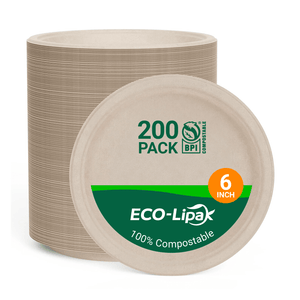
Ecolipak supports your zero-waste kitchen with compostable sugarcane wide-rimmed bowls. These bowls, made from sugarcane bagasse, break down quickly and help you serve your homemade vegetable broth in style. Unlike traditional bowls, they do not harm the environment. Many families say Ecolipak’s products are sturdy and reliable, even with hot soup or thick vegetable stock recipe. You can enjoy your homemade soup with a wooden soup spoon, which keeps your hands safe from heat and adds a cozy, eco-friendly touch.
Ecolipak’s mission is to help you make stock and serve every recipe in a way that protects the planet. When you save vegetable scraps for stock and use compostable bowls, you make sustainable soup sunday a true celebration of green living.
How to Make Vegetable Broth from Scraps
Collecting and Storing Root Vegetable Scraps
You can start making vegetable broth right in your own kitchen. Every time you chop veggies, save the scraps instead of tossing them. Wondering what to save for vegetable broth? Here’s a handy list:
Onion ends and skins (for depth of flavor)
Celery pieces (for body and taste)
Carrot ends and peels (for sweetness)
Mushroom stems (for umami)
Tomato ends (for extra umami)
Pepper cores (for a touch of sweetness)
Stems from fresh herbs like parsley and cilantro (for body)
Kale stems and other leafy green bits (for depth)
Tops and unused parts of sweet potatoes and squash (for sweetness)
You can collect these scraps in a bowl or bag as you cook. Make sure you wash all scraps before saving them. Avoid anything rotten or moldy. If you want to keep scraps fresh, freeze them in airtight containers. You can also sort different scraps into separate bags. This makes it easy to grab what you need for your next batch of stock.
Tip: Don’t add cabbage, broccoli, or cauliflower scraps. These can make your broth bitter.
Step-by-Step: Stovetop & Instant Pot Methods
You have two great ways to make broth: on the stovetop or in an Instant Pot. Both methods work well for an easy diy recipe.
Method |
Cooking Time |
Flavor Profile |
|---|---|---|
Stovetop |
20-45 minutes |
Cleaner and brighter flavor |
Instant Pot |
15 minutes |
Richer, deeper broth |
Stovetop Method:
Place your frozen or fresh scraps in a large pot.
Cover the scraps with cold water by one to two inches. This helps you get the best flavor and nutrition.
Bring the water to a gentle simmer. Don’t boil hard—just let it bubble softly.
Simmer for 20 to 45 minutes. Stir once or twice.
Strain the broth through a fine sieve or cheesecloth.
Instant Pot Method:
Add your scraps to the Instant Pot.
Pour in enough cold water to cover the scraps by one to two inches.
Close the lid and set to “Soup/Broth” for 15 minutes.
Let the pressure release naturally.
Strain the broth and discard the scraps.
Note: If your broth tastes weak, simmer longer or reduce the liquid after straining. If it smells off, use only fresh scraps and cool the broth quickly.
Storing and Using Homemade Vegetable Broth
You can store homemade broth in the fridge or freezer. Here’s how to keep it fresh and safe:
Method |
Details |
|---|---|
Refrigeration |
Store in airtight containers. Cool completely before sealing. Lasts 3-4 days. |
Freezing |
Use rigid containers or freezer bags. Leave space for expansion. Lasts 10-12 months. |
Cool the strained broth quickly by placing the container in an ice bath.
For small portions, freeze broth in ice cube trays. Pop out a cube or two when you need a splash of flavor.
Always label your containers with the date.
You can use homemade vegetable broth in many ways. Try it as a base for soup, cook grains like rice or quinoa in it, or use it to make risotto. You can also use broth for veggie-balls, vegetable tart, dumplings, or even a savory sformato. Making broth from scraps gives you endless options in the kitchen.
Serving with Ecolipak Compostable Bowls
Now comes the best part—serving your soup! Pour your hot, flavorful stock into Ecolipak Compostable Sugarcane Wide-rimmed Bowls. These bowls are sturdy, heat-resistant, and perfect for hot broth. They won’t leak or break, even with oily or saucy foods. You can microwave them or put them in the freezer. They’re made from sugarcane bagasse, so they break down safely in compost.
Feature |
Description |
|---|---|
Material |
Made from sugarcane bagasse, durable and heat-resistant |
Performance |
Handles hot soups and stocks without leaking or breaking |
Additional Benefits |
Eco-friendly, compostable, oil-proof, microwave-safe |
Ecolipak bowls carry trusted eco-labels like FSC, DIN EN 13432, and BPI Certified Compostable. You help the planet every time you use them. At large gatherings, compostable bowls can cut landfill waste by up to 70% and break down in months, not centuries.
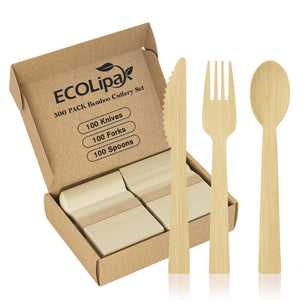
Don’t forget your wooden soup spoon! It keeps your hands safe from heat and gives you a cozy, eco-conscious dining moment. Every spoonful of homemade broth feels special when you know you’re making a difference.
Enjoy your next Sustainable Soup Sunday with a bowl of homemade vegetable broth, served the green way.
You make a real difference when you turn kitchen scraps into broth for Sustainable Soup Sunday.
You cut food waste and keep scraps out of landfills.
You support a greener planet by choosing Ecolipak’s compostable bowls.
You enjoy cozy meals with a wooden soup spoon, showing every small choice matters.
FAQ
How do you collect kitchen scraps for broth?
You can save onion peels, carrot tops, and celery ends in a freezer bag. Wash scraps first. Freeze them until you have enough for a batch.
Can you use a wooden soup spoon for hot broth?
Yes! A wooden soup spoon insulates heat. You won’t burn your hand. It feels cozy and eco-friendly during your Sustainable Soup Sunday meal.
What scraps should you avoid in vegetable broth?
Avoid cabbage, broccoli, and cauliflower.
They can make your broth taste bitter. Stick to roots, herbs, and mild veggies for the best flavor.