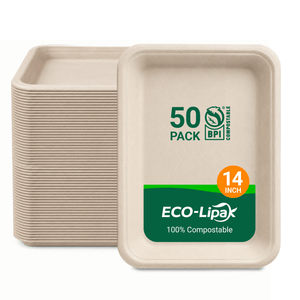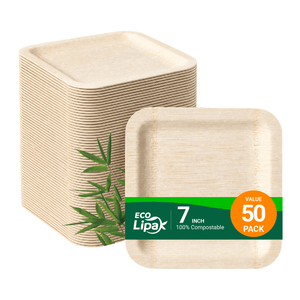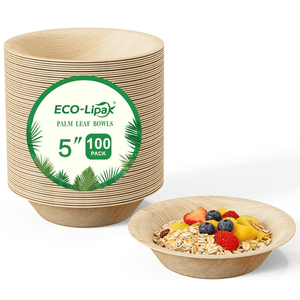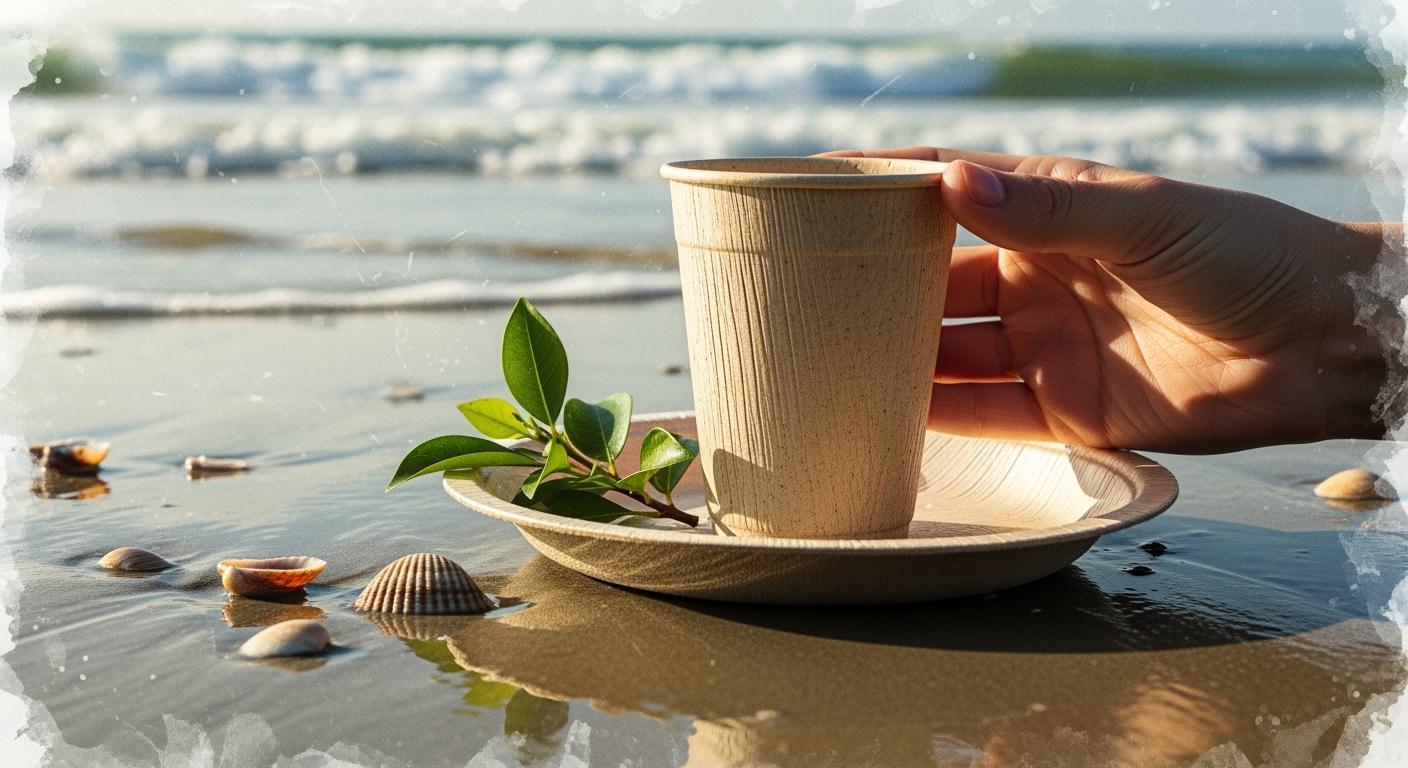
Picture this: you serve a seafood feast on a cruise or at a beachside resort using Disposable Cutting-Resistant Compostable Trays. A sudden gust of wind sends one tray flying into the ocean. What happens next? You might wonder if it will break down safely or pose a risk to marine animals. Understanding Marine-Safe Disposables helps you make responsible choices that protect both your guests and the ocean.
Key Takeaways
Choose Marine-Safe Disposables like Ecolipak trays to protect marine life. These trays break down naturally in the ocean without leaving harmful residues.
Look for certifications like OK Biodegradable MARINE and BPI to ensure your disposables meet high standards for safety and compostability.
Using sugarcane bagasse trays helps prevent pollution. They do not release toxins or microplastics, making them a safer choice for coastal events.
Support marine conservation by selecting eco-friendly products. Ecolipak trays enrich the soil when composted and reduce landfill waste.
Always check local composting guidelines to ensure proper disposal. Responsible disposal maximizes environmental benefits and protects ocean ecosystems.
What Are Marine-Safe Disposables?
Defining Marine-Safe for Sugarcane Trays
You want to make sure your choices protect the ocean, especially when you serve food near water. Marine-Safe Disposables are products that break down safely if they end up in the sea. Ecolipak’s Compostable Sugarcane Food Trays Potluck Plates are a great example. These trays use sugarcane bagasse, which is a natural, tree-free, and chemical-free material. You can trust that these trays do not add microplastics or toxins to the water. They help keep marine habitats clean and safe for animals.
When you look for Marine-Safe Disposables, you should check for special certifications. One important certification is OK Biodegradable MARINE. This label means the product can break down in the ocean without leaving harmful residues. It is important for coastal resorts, cruise lines, and eco-friendly events. Here are some features of this certification:
The product biodegrades in marine environments.
It does not leave behind harmful chemicals.
It supports marine conservation and keeps beaches clean.
Certification and Standards
You need to know what makes a tray truly safe for the ocean. Certifications help you understand this. Ecolipak’s trays meet high standards for compostability and safety. The table below shows how two key certifications support marine safety:
Certification |
Role in Marine Safety |
|---|---|
BPI |
Ensures products meet ASTM standards for composability, reducing contamination in compost streams, which is crucial for marine environments. |
PFAS-free |
Prohibits harmful fluorinated chemicals, preventing potential pollution in marine ecosystems. |
When you choose trays with these certifications, you help prevent pollution and protect marine life. You also follow rules for coastal tourism and support a cleaner planet. Ecolipak’s trays give you peace of mind for every event near the water.
Breakdown in Ocean Water
Decomposition Process
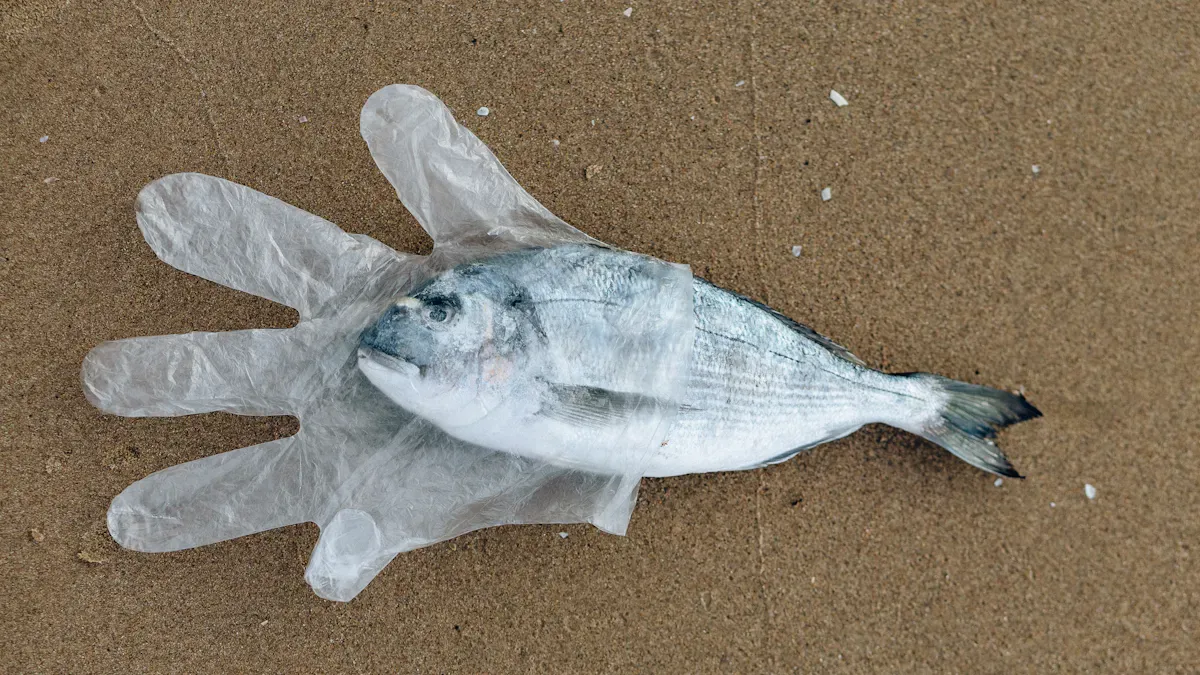
When you choose Ecolipak trays made from sugarcane bagasse, you select a product that comes from nature. Sugarcane bagasse is a plant fiber left after extracting juice from sugarcane. This material is tree-free and chemical-free. If a tray enters the ocean, it begins to break down through natural processes. Microorganisms in the water start to digest the plant fibers. The tray slowly turns into simple plant nutrients, such as carbon dioxide, water, and organic matter. These nutrients support marine life and do not leave behind harmful chemicals or microplastics.
You help protect the ocean when you use Marine-Safe Disposables like these trays. The organic composition means the trays do not add toxins to the water. They do not harm fish, turtles, or other sea creatures. Instead, the trays return to the environment as harmless, natural materials. This process supports marine conservation and helps keep beaches and coastal waters clean.
Note: Ecolipak trays are certified PFAS-free and BPA-free. You can trust that they do not release dangerous substances as they break down.
Timeframes and Conditions
The ocean is different from a compost facility. In an industrial composting site, high heat and controlled moisture help trays break down quickly. In the ocean, the process takes longer because the water is cooler and less controlled. However, the plant-based nature of sugarcane bagasse means the trays still decompose naturally over time.
Scientific studies show that some compostable materials, like polylactic acid (PLA), do not break down well in marine environments. PLA can act like traditional plastic in the ocean. Ecolipak trays use sugarcane bagasse, which is a different material. Plant fibers like bagasse break down more easily than plastics or PLA. The trays do not persist as microplastics. Instead, they become part of the natural cycle in the water.
You can feel confident using these trays at beach resorts, cruises, or outdoor events near water. They meet strict compostability standards and support coastal tourism regulations. By choosing Marine-Safe Disposables, you help prevent pollution and protect marine habitats. You also show your commitment to a cleaner, safer planet.
-
Sugarcane bagasse trays:
Break down into plant nutrients
Do not release toxins or microplastics
Support marine conservation
When you serve food on Ecolipak trays, you make a choice that benefits both your guests and the ocean.
Marine-Safe Disposables and Ecosystem Impact
Effects on Marine Life
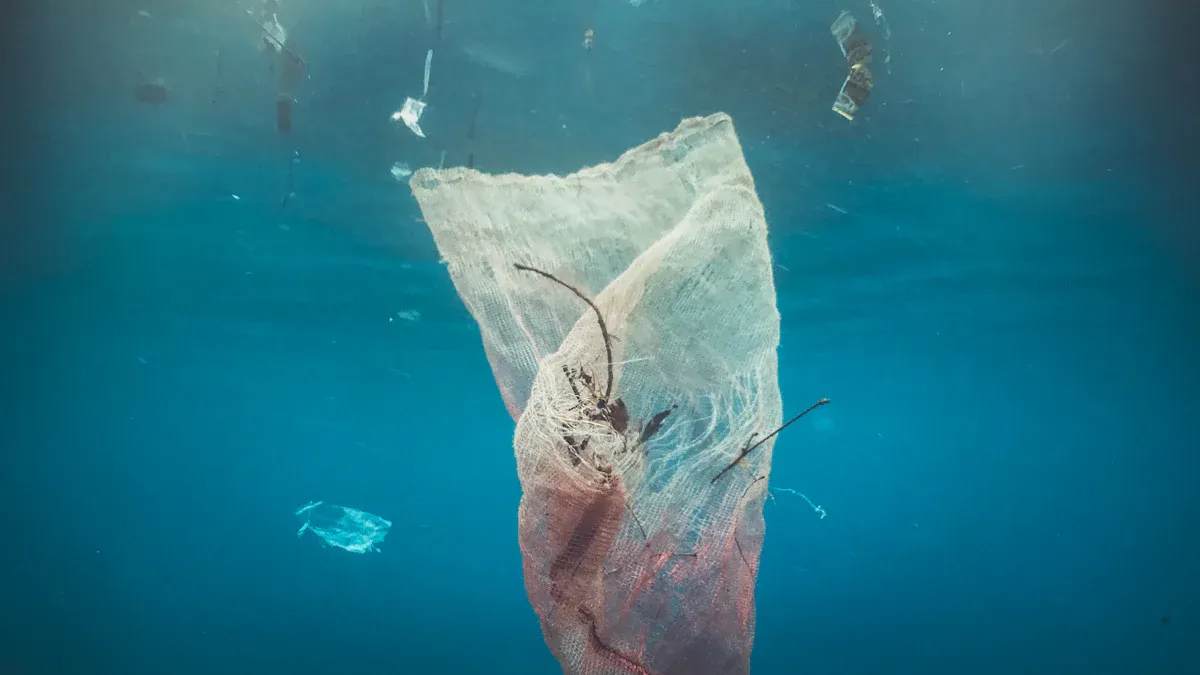
You care about the ocean and the creatures that live in it. When you use sugarcane trays from Ecolipak, you make a choice that helps protect marine animals and their habitats. These trays come from sugarcane bagasse, which is a plant fiber left after making sugar. This material is organic, tree-free, and chemical-free. If a tray enters the ocean, it does not turn into microplastics. Instead, it starts to break down into natural nutrients.
Marine animals like fish, turtles, and seabirds often mistake plastic for food. Traditional plastic trays can harm these animals. They can block their stomachs or release toxins. Ecolipak trays do not have these risks. They do not contain BPA or PFAS, so they do not add harmful chemicals to the water. You help prevent pollution and keep the food chain safe when you choose these trays.
Customer Story: One event planner shared how Ecolipak trays made their beach cleanup easier. After a seaside picnic, any leftover trays broke down naturally. The planner felt good knowing the trays would not harm sea life or leave plastic behind.
Risks and Safety
You want to keep both people and the planet safe. Ecolipak trays meet strict safety standards. They are BPA-free, PFAS-free, and non-toxic. These features mean you do not have to worry about harmful chemicals leaching into food or water. The trays also meet BPI compostability standards, which shows they break down safely.
Here is a quick look at how Ecolipak trays support marine safety:
Feature |
Benefit for Marine Ecosystem |
|---|---|
BPA-free |
No hormone-disrupting chemicals |
PFAS-free |
No "forever chemicals" in the water |
100% compostable |
Breaks down into natural materials |
No microplastics |
Safe for fish, turtles, and birds |
You play a key role in protecting the ocean when you dispose of trays responsibly. Always try to compost or recycle when possible. If a tray does end up in the water, you can trust that it will not harm marine life. Many customers say they feel confident using Ecolipak products at outdoor events, knowing they support marine conservation and follow coastal tourism rules.
Tip: Choose Marine-Safe Disposables for your next beach event. You help keep the ocean clean and safe for everyone.
Comparing Ecolipak to Other Disposables
Plastic and Paper Alternatives
When you choose tableware for your event, you often see plastic, paper, and sugarcane options. Plastic trays come from fossil fuels and do not break down in the ocean. They can turn into microplastics, which harm fish, turtles, and birds. Styrofoam trays also persist in the environment and may release toxic chemicals. Paper trays seem better, but many use trees and may have coatings that slow down decomposition.
Ecolipak’s sugarcane bagasse trays stand out because they are organic, tree-free, and chemical-free. You help protect marine life when you pick these trays. Here is a quick comparison:
Material Type |
Degradation Rate |
Marine Ecosystem Impact (PDF m² yr kg⁻¹) |
|---|---|---|
Non-biodegradable Polymers |
Low |
0.02 to 0.17 |
Compostable Materials (Bagasse) |
High |
Approaching 0 |
You see that compostable sugarcane trays break down quickly and have almost no negative impact on the ocean.
Eco-Friendly Advantages
Ecolipak trays offer many benefits for you and the environment:
Made from renewable sugarcane, not fossil fuels.
Break down into natural elements within months, reducing landfill waste.
Do not leach harmful chemicals into food or water.
Support marine conservation by preventing microplastic formation.
Composting these trays enriches soil and helps plant growth.
You support Marine-Safe Disposables when you use Ecolipak trays. These trays meet strict compostability standards and help you comply with coastal tourism rules. You make a positive choice for marine wildlife and the planet. By choosing Ecolipak, you show your commitment to a cleaner, safer ocean.
Real-World Outcomes
Customer Stories
You see the impact of your choices when you use Ecolipak compostable sugarcane trays. Many customers share positive feedback about these trays. They appreciate that the trays come from renewable plant fibers. You help create a cleaner environment every time you choose them. Users feel good knowing the trays break down naturally and leave no harmful residues. You support marine conservation and prevent microplastic pollution.
Customers value the trays for being 100% compostable.
You reduce your environmental footprint by choosing plastic-free options.
The trays align with eco-friendly values and do not contain harmful chemicals.
Communities that adopt compostable sugarcane trays notice real environmental benefits. You help reduce landfill waste and promote composting. The trays return nutrients to the earth, supporting a circular economy. The table below shows the outcomes you can expect:
Environmental Outcome |
Description |
|---|---|
Reducing Landfill Waste |
You divert waste from landfills, minimizing methane emissions. |
Promoting Composting |
Proper disposal lets trays break down into organic matter, enriching soil. |
Supporting Circular Economy |
You return nutrients to the earth, creating a sustainable cycle. |
Limitations and Best Practices
You maximize environmental benefits when you follow best practices for disposal. Compostable trays work best in regions with composting facilities. You should check if your local area supports composting. If you mix compostable trays with non-compostable items, composters may reject the batch. You help the process by keeping waste streams clean.
Many regions lack composting infrastructure, so trays may end up in landfills.
Contamination can hinder composting if you mix trays with other materials.
Trays may not perform well with very hot liquids or prolonged moisture.
You protect marine ecosystems when you dispose of trays responsibly. You support coastal tourism regulations and prevent microplastic formation. You make a positive impact by choosing organic, tree-free, and chemical-free trays. You help keep beaches and oceans safe for wildlife and guests.
Tip: Always check local composting guidelines and keep waste streams clean to ensure your trays break down safely.
You can trust Ecolipak’s Compostable Sugarcane Food Trays Potluck Plates to be marine-safe. Certifications like BPI and PFAS-free show these trays break down naturally and protect marine life. When you choose marine-safe disposables, consider material composition, safety regulations, and environmental impact.
Factor |
Description |
|---|---|
Material Composition |
Biodegradable options reduce pollution and support marine conservation. |
Safety Regulations |
Compliance ensures reliability in aquatic environments. |
Environmental Impact |
Non-biodegradable materials harm marine ecosystems and wildlife. |
User Preferences |
Easy-to-use products help you make responsible choices. |
You help the ocean by labeling compostable packaging, storing it properly, and following local composting guidelines. Ongoing research continues to improve marine safety, so support brands like Ecolipak and stay informed.
FAQ
What makes Ecolipak trays safe for marine environments?
You use trays made from sugarcane bagasse. This material is organic, tree-free, and chemical-free. The trays break down naturally in water. They do not create microplastics or release toxins. You help protect marine life and support clean oceans.
Can I use these trays at beach resorts or on cruises?
Yes! You can use Ecolipak trays at any coastal event. The trays meet strict compostability standards. They follow coastal tourism regulations. You help prevent pollution and keep marine habitats safe for guests and wildlife.
How do Ecolipak trays compare to plastic or paper trays in the ocean?
Plastic trays stay in the ocean for years and create microplastics. Paper trays may have coatings that slow decomposition. Ecolipak trays break down quickly and leave no harmful residue. You make a better choice for marine conservation.
Are Ecolipak trays safe for serving hot or oily foods?
You can serve hot or oily foods with confidence. The trays resist heat and oil. They stay strong and do not leak. You enjoy safe, convenient dining while protecting the environment.
What should I do to dispose of trays responsibly?
Tip: Always compost trays when possible. If composting is not available, keep them out of the ocean and landfill when you can. You help maximize environmental benefits and support a cleaner planet.