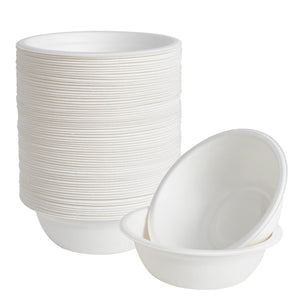
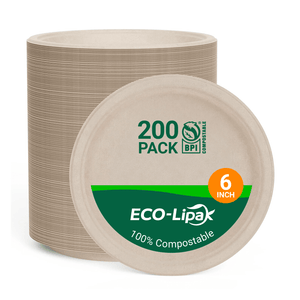
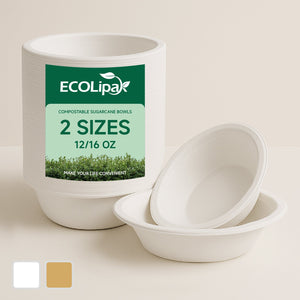
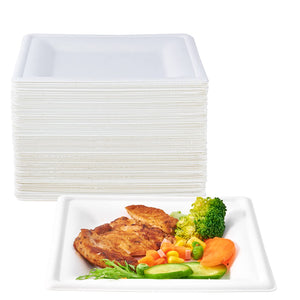
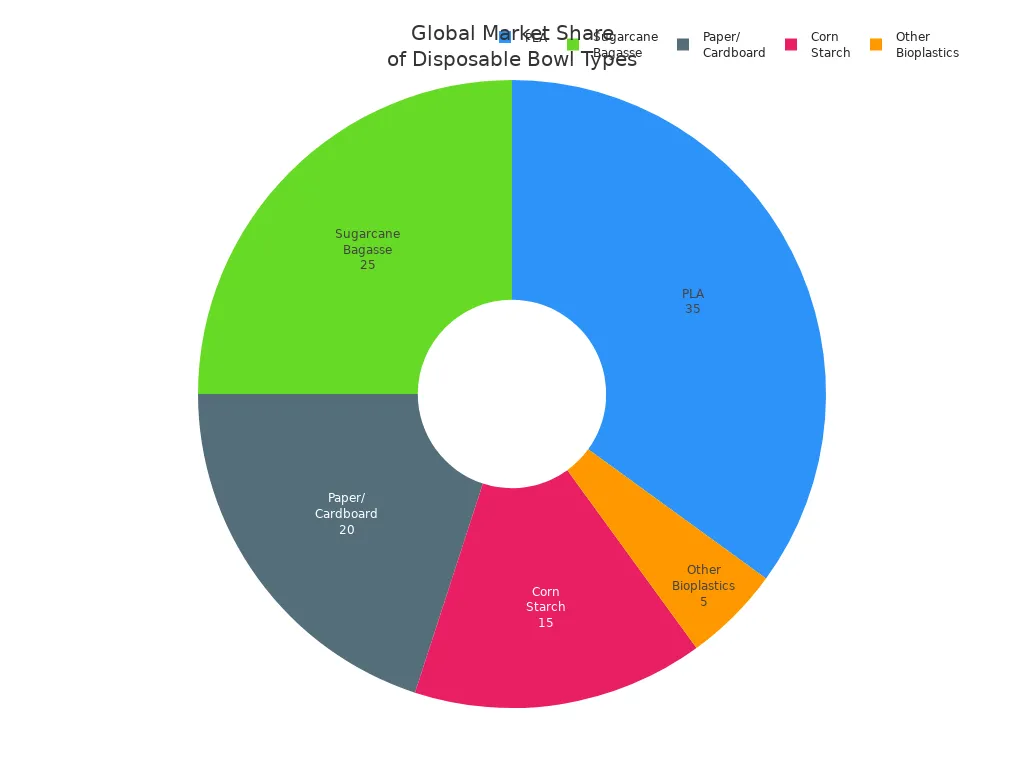
You can trust compostable products, like Ecolipak's compostable sugarcane bowls, to protect marine life. Marine-safe disposables help you reduce harm to the ocean and its creatures. Many consumers worry about single-use compostable products ending up in water. Ecolipak's compostable disposable bowls use sugarcane bagasse, a material that breaks down naturally. These eco-friendly disposable bowls hold BPI certification and do not leave toxins. Compostable products, including compostable disposable plates and compostable plates and bowls, offer safer choices for the environment. Compostable sugarcane bowls have a strong market presence compared to other materials.
You help the marine ecosystem when you choose marine-safe disposables.
Key Takeaways
Ecolipak’s compostable sugarcane bowls break down quickly in water and do not harm marine life or create microplastics.
Choosing compostable sugarcane bowls helps reduce plastic pollution and protects ocean animals from injury and toxins.
Sugarcane bowls are biodegradable, leave no toxic residue, and support a cleaner environment compared to plastic disposables.
Using certified compostable products like Ecolipak’s bowls supports sustainability and helps keep oceans healthy.
You can compost these bowls at home by mixing them with food scraps and dry leaves, turning the pile regularly for best results.
What Are Marine-Safe Disposables
Defining Marine-Safe Disposables
You want to protect marine life when you choose packaging for your meals. Marine-safe disposables break down quickly in water and do not harm animals or the environment. These products use compostable materials that avoid the dangers of single-use plastics. You see many types of packaging in stores, but not all are safe for oceans. Marine-safe disposables support the circular economy by returning nutrients to nature instead of polluting waterways.
Here is a simple comparison of common packaging materials:
Material Type |
Degradation Behavior in Marine Environment |
Environmental Impact |
|---|---|---|
Plastic |
Non-degradable |
High |
Paper |
Completely marine degradable |
Low |
PLA |
Slower degradation than in compost |
Moderate |
Single-use plastics cause many problems in coastal regions. Animals can get tangled in packaging like fishing lines or six-pack rings. Many marine animals swallow plastic and suffer injuries or starvation. Trash from single-use plastics can also harm beach-goers and lower water quality. Plastic production and disposal release greenhouse gases, which threaten the planet.
Ecolipak’s Approach to Sustainability
You can trust Ecolipak to lead the way in sustainable packaging. Ecolipak uses upcycled sugarcane bagasse to make compostable materials for bowls and plates. These products carry BPI certification, showing they meet strict compostability standards. Ecolipak’s packaging avoids single-use plastics and supports the circular economy. You help protect green spaces and marine life when you choose Ecolipak. The brand sold over 59 million eco-friendly products in 2024, showing strong commitment to sustainability. Ecolipak’s packaging is sturdy, reliable, and safe for both land and water. You support a cleaner planet every time you use upcycled sugarcane bagasse in your daily routine.
Compostable Sugarcane Bowls in Marine Settings
Decomposition of Disposable Salad Bowls
You may wonder what happens when disposable salad bowls enter the ocean. Many plastic products often end up in oceans, where they float for years and harm the environment. Disposable salad bowls made from plastic do not break down easily. They can break down into microplastics, which pollute water and enter the food chain. This process causes ocean pollution and damages ecosystems.
When you use Ecolipak’s compostable sugarcane wide-rimmed bowls, you make a better choice for the planet. These disposable salad bowls use sugarcane pulp, which is fish-friendly and safe for marine animals. If you drop these bowls in the sea, they start to decompose quickly. Microorganisms in the water break them down into natural nutrients. Unlike plastic, these disposable salad bowls do not create microplastics or toxic waste. You help protect marine ecosystems every time you choose compostable sugarcane bowls.
Impact on Marine Life
Disposable salad bowls made from plastic can harm marine life. Animals may eat small pieces, thinking they are food. This can cause injury or even death. Ocean pollution from plastic waste in oceans affects fish, turtles, and seabirds. When you use compostable sugarcane bowls, you reduce these risks.
Sugarcane pulp is gentle on marine animals. It does not release harmful chemicals. If a bowl enters the water, it breaks down into harmless nutrients. This helps keep marine ecosystems healthy. You support ocean life by choosing products that do not add to plastic waste in oceans.
Ecolipak Compostable Sugarcane Wide-rimmed Bowls
Ecolipak’s compostable sugarcane wide-rimmed bowls stand out in cruise tourism and seaside dining. You can use these disposable salad bowls at beach picnics, outdoor events, or on cruise ships. If a bowl falls into the sea, it will not harm the water or animals. These bowls decompose naturally and do not cause ocean pollution.
Here is a quick look at how Ecolipak’s disposable salad bowls compare to other options:
Feature |
Ecolipak Sugarcane Bowls |
Plastic Bowls |
Paper Bowls |
|---|---|---|---|
Marine Decomposition |
Rapid |
Never |
Moderate |
Microplastics Created |
None |
Yes |
None |
Fish-Friendly |
Yes |
No |
Yes |
BPI Certified |
Yes |
No |
Sometimes |
Tip: Choose Ecolipak’s disposable salad bowls for your next seaside meal or cruise. You will help keep the ocean clean and safe for all creatures.
Ecolipak’s bowls hold BPI certification. They are BPA-free and contain no toxins. You can trust these disposable salad bowls to break down safely in marine environments. They do not add to ocean pollution or harm marine ecosystems. You make a positive impact every time you choose compostable sugarcane bowls over plastic.
Sugarcane Bowls: Environmental Impact
Benefits Over Plastic Disposables
You make a big difference when you choose sugarcane bowls instead of plastic disposables. Plastic waste harms the environment, especially oceans. Each year, about 8 million metric tons of plastic waste enter the oceans. Plastic bags can take up to 1,000 years to decompose in landfills. Nearly 90% of seabirds have plastic in their stomachs. Sugarcane bowls help you avoid these problems and protect marine life.
Here are some key benefits of sugarcane bowls compared to plastic:
Benefit |
Description |
|---|---|
Reduced Landfill Pressure |
Biodegradable products decompose in months rather than centuries, alleviating landfill strain. |
Lower Carbon Footprint |
Plant-based packaging reduces fossil fuel usage and CO₂ emissions. |
Less Marine Pollution |
Compostable utensils and containers are less likely to harm marine ecosystems. |
Biodegradability and Residue
You support a cleaner environment when you use sugarcane bowls. These bowls break down quickly in marine settings. Microorganisms help them decompose, turning them into natural nutrients. A 2022 study in Sustainable Materials Research shows that bagasse containers, made from sugarcane, are biodegradable and do not leave any toxic residue after they decompose. You can feel confident that sugarcane bowls will not harm the environment or marine life.
Sugarcane bowls decompose fully in water.
They leave no toxic residue behind.
Marine animals stay safe from harmful chemicals.
Ecolipak Customer Experiences
You see real benefits when you use Ecolipak sugarcane bowls. Customers praise their durability and eco-friendly design. Many users say these bowls hold up well for hot and cold foods. They enjoy knowing their choice helps protect the environment. Event planners and families appreciate the sturdy construction and easy cleanup. You join a community of people who care about marine safety and environmental impact.
Tip: Choose Ecolipak sugarcane bowls for your next meal. You help keep oceans clean and support a healthier planet.
Comparing Marine-Safe Disposables
Sugarcane vs. Plastic Bowls
You see a clear difference when you compare sugarcane bowls to single-use plastic products. Sugarcane bagasse bowls come from renewable resources and break down naturally. Single-use plastic products stay in the environment for hundreds of years. They often end up in oceans, harming marine life. Sugarcane bowls decompose and enrich the soil, while single-use plastic products create pollution and microplastics.
Recyclable salad containers offer another option. These containers use recyclable materials and help lower greenhouse gas emissions. You can use recyclable salad containers to reduce landfill waste and methane gas release. Unlike single-use plastic products, recyclable salad containers protect marine life by keeping plastic out of the ocean.
Type of Bowl |
Marine Safety |
Decomposition Time |
Pollution Risk |
Recyclable |
|---|---|---|---|---|
Sugarcane Bagasse |
High |
Months |
Low |
No |
Plastic |
Low |
Centuries |
High |
Sometimes |
Recyclable Salad Containers |
High |
Varies |
Low |
Yes |
Sugarcane vs. Paper Bowls
You might wonder how sugarcane bowls compare to paper bowls. Both options break down faster than plastic. Sugarcane bowls come from leftover fibers after juice extraction, making them a renewable choice. Paper bowls often use trees, which can lead to deforestation. Sugarcane bowls enrich the soil as they decompose. Paper bowls may have coatings that slow down decomposition.
Recyclable salad containers stand out because you can recycle them after use. Many paper bowls are not recyclable if they have plastic linings. You help the environment more when you choose recyclable salad containers or sugarcane bowls.
Note: Always check if your bowl is truly recyclable. Some products look recyclable but have hidden coatings.
Alternative Disposable Salad Bowls
You have several choices for marine-safe disposables. Recyclable salad containers and sugarcane bagasse bowls both support a cleaner planet. Recyclable salad containers lower your carbon footprint and support a circular economy. They protect marine life by reducing plastic waste in oceans. Sugarcane bagasse bowls are biodegradable and suitable for hot and cold foods. They break down naturally and enrich the soil.
Here are some common certifications for marine-safe bowls:
Certification Type |
Description |
|---|---|
BPI Certified Compostable |
Compostable in commercial compost facilities. |
Conforms to ASTM D6400 standards |
Ensures compostable plastics break down in commercial composting facilities. |
USDA Certified Biobased Product |
Made with renewable biological ingredients. |
Recyclable salad containers help you lower greenhouse gas emissions.
They reduce landfill waste and methane gas release.
They protect marine life by minimizing plastic waste in oceans.
Sugarcane bagasse is renewable and biodegradable, enriching soil.
You make a positive impact when you choose recyclable salad containers or sugarcane bowls. Both options help keep oceans clean and support a sustainable future.
You protect marine life when you choose Ecolipak’s Compostable Sugarcane Wide-rimmed Bowls. These bowls support environmental responsibility because they break down naturally and do not release microplastics. You help keep oceans healthy by reducing plastic waste and supporting sustainable waste management. You make a difference by selecting certified, eco-friendly products that safeguard life in the water. For responsible disposal, you can set up a compost bin, mix dry leaves with food scraps, turn the pile often, and learn local composting rules.
Set up a dedicated compost bin for compostable items.
Combine dry leaves with food waste for effective composting.
Turn and moisten your compost pile regularly.
Learn local composting regulations.
Tip: Your choices help protect marine life and promote environmental responsibility every day.
FAQ
Are Ecolipak compostable bowls safe for marine animals?
You can trust Ecolipak compostable bowls. They break down naturally and do not release toxins. Marine animals stay safe when these bowls enter the water.
How long do sugarcane bowls take to decompose in the ocean?
Sugarcane bowls start decomposing within weeks. Microorganisms in the water help break them down. Complete decomposition may take a few months, depending on conditions.
Do compostable bowls create microplastics?
You avoid microplastics when you use compostable sugarcane bowls. These bowls break down into natural materials and do not leave harmful plastic particles behind.
Can I compost Ecolipak bowls at home?
You can compost Ecolipak bowls in your home compost bin. Mix them with food scraps and dry leaves. Turn the pile often for best results.
What certifications do Ecolipak bowls have?
Ecolipak bowls hold BPI certification. This shows they meet strict compostability standards. You can feel confident about their environmental safety.