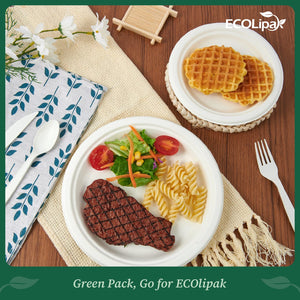
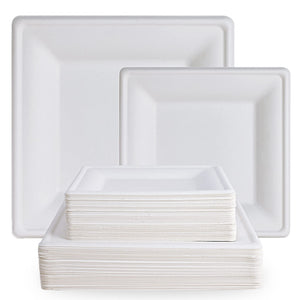
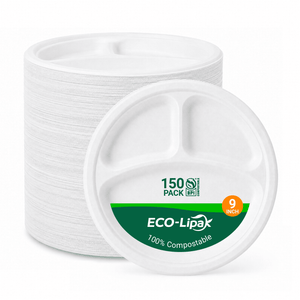
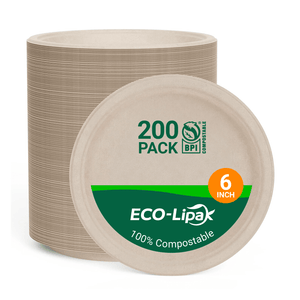
You want your homecooked meals to be safe for everyone at the table, but hidden chemicals can sneak in through everyday products. Choosing PFAS-Free Dinners protects your health and the planet. Recent studies show that using PFAS-free dinnerware lowers your risk of exposure to chemicals linked to cancer and other health issues. Brands like Ecolipak offer safe, sustainable options, such as their 7 & 9 in Sugarcane Compostable Plates. When you pick trusted products, you help your family and future guests enjoy meals with confidence.
Key Takeaways
Choose PFAS-free dinnerware to protect your health and reduce chemical exposure.
Opt for fresh, unpackaged foods from local sources to minimize PFAS risks.
Test your water for PFAS and use certified filters to ensure safe cooking.
Select trusted brands and packaging that are certified PFAS-free for your meals.
Stay informed about PFAS regulations to keep your kitchen compliant and safe.
PFAS Risks in Dinner Routine
Common PFAS Sources
You might not see them, but PFAS can show up in many parts of your dinner routine. These chemicals often hide in food packaging, processed foods, and even the food itself. If you run a food service operation or manage a school cafeteria, you need to know where PFAS can sneak in. Here’s a quick look at where PFAS exposure can happen:
Description |
|
|---|---|
Food Packaging |
PFAS are used in coatings for take-out containers, bags, and bakery papers. |
Contaminated Food Items |
PFAS have been found in organic pasta sauces, canola oils, and nut butters. |
Fish Consumption |
Fish can build up PFAS from their environment. |
Processed Foods |
Fast food and microwaved popcorn often lead to higher PFAS levels in your body. |
Sewage Sludge Fertilizer |
Crops grown with contaminated fertilizer may carry PFAS. |
You see PFAS in pizza boxes, burger wrappers, and even molded fiber bowls. If you serve meals in these containers, you risk raising PFAS levels for your customers or students. People who eat more fast food or restaurant meals usually have higher PFAS levels. Cooking at home or using PFAS-free packaging can help lower PFAS exposure.
Tip: Choosing PFAS-free packaging helps your business stay ahead of new environmental laws and keeps your meals safer.
How PFAS Enters Meals
PFAS can get into your food in several ways. Sometimes, crops absorb PFAS from contaminated soil or water. Animals can also eat PFAS in their feed or drink it in water, which means meat and dairy can carry PFAS. When you cook with contaminated water, you add to PFAS exposure.
Packaging is another big source. When hot or fatty foods touch PFAS-coated packaging, the chemicals can move into the food. The longer the food sits in the packaging, the more PFAS can transfer. Reheating food in its original packaging, especially in the microwave, increases the risk. You should always move food to glass or stainless steel before reheating.
Here’s how PFAS transfer happens:
Factor |
Description |
|---|---|
Contact Time |
Longer contact means more PFAS moves into food. |
Temperature |
Hot foods make PFAS transfer faster. |
Food Matrix |
Fatty foods pull more PFAS from packaging. |
Mechanical Stress |
Pressing or scraping can break packaging and release PFAS. |
Reheating Conditions |
Microwaving in original packaging boosts PFAS transfer. |
If you want to keep PFAS levels low, transfer food out of packaging quickly and use your own dishes for reheating. This simple step can help protect your customers, your staff, and your business from high PFAS levels and future compliance risks.
PFAS-Free Packaging Solutions

Choosing Safe Packaging
When you want to keep PFAS out of your dinner routine, you need to know what to look for in food packaging. Not all packaging is created equal. Some products claim to be safe, but hidden chemicals can still slip through. If you run a food service department or manage a school cafeteria, you face strict rules and need to protect your business from legal risks. Picking the right food packaging helps you pass audits and keeps your customers safe.
Here’s a quick table to help you spot PFAS-free food packaging:
Criteria for PFAS-Free Packaging |
Description |
|---|---|
Hot, oily, wet, and long-hold applications prioritized? |
Works for all types of foods and conditions. |
PFAS-free declaration for each product? |
Look for clear, certified claims. |
Availability of third-party testing? |
Independent labs should verify safety. |
Relevant food-contact reports? |
Check for compliance with local regulations. |
Clear material specification? |
Make sure you know what’s in the product. |
Testing with real menu items? |
Proven performance in real kitchens. |
Inclusion of lids, cutlery, sleeves, and accessories? |
All parts should be PFAS-free. |
Specific, qualified, and evidence-based claims? |
Trust only detailed, honest marketing. |
Supplier support for MOQ, packing, and documentation? |
Reliable supply and paperwork matter for your business. |
You should also look for certifications like ASTM D6400 and EN 13432. These labels show that the food packaging meets strict compostability and safety standards.
Ecolipak’s Eco-Friendly Products
Ecolipak stands out in the world of food packaging. Their plates and tableware use palm leaves and sugarcane fiber, which naturally resist grease and water. You get strong, microwave-safe plates without any PFAS or hidden toxins. Unlike many molded fiber products, Ecolipak’s packaging is fully biodegradable and compostable. It breaks down cleanly, leaving no toxic residue behind.
If you need to pass tough green compliance tests or want to avoid legal headaches, Ecolipak’s BPI-certified, fluorine-free, and chlorine-free round plates offer bulletproof auditing security. These plates come from tree-free agricultural byproducts, helping your business meet sustainability goals and build real trust with customers. Many users say Ecolipak’s cutlery and plates feel sturdy and high-quality. They feel proud to use compostable products that support a cleaner planet and reduce plastic waste.
Choosing Ecolipak’s food packaging helps you future-proof your operations and avoid the risks of cheap, unverified products with hidden PFAS. You protect your brand, your customers, and the environment—all at once.
PFAS-Free Water for Cooking
Testing and Filtering Water
You want to serve safe meals, but PFAS in water can slip into your kitchen without warning. Testing your water is the first step. You can’t rely on DIY test strips for PFAS. Certified labs give you accurate results. Here’s how you can check your water:
Contact a certified laboratory for PFAS testing.
Collect water samples using the lab’s guidelines to avoid contamination.
Package and mail your samples as instructed.
Wait for the lab to analyze your water and send results.
Once you know your PFAS levels, you can choose the right filtration system. Activated carbon filters remove many PFAS compounds by trapping them on the filter’s surface. Reverse osmosis systems push water through a special membrane, blocking PFAS and other contaminants. Reverse osmosis works well for homes and commercial kitchens facing high contamination. You get peace of mind knowing your water is clean.
Tip: If you operate a food service department or manage a school cafeteria, regular water testing helps you stay ahead of compliance rules and avoid costly risks.
Best Practices for PFAS-Free Use
You can protect your kitchen and customers by following simple steps:
Test your water for PFAS, especially if you use a private well or work near industrial sites.
Install certified filters that remove PFAS to non-detectable levels.
Use bottled water treated with reverse osmosis for cooking and drinking if needed.
You should also check with your water utility provider for PFAS information. If you find elevated levels, install a home or commercial water treatment system. These actions help you future-proof your operation against strict environmental laws. You lower the risk of serving contaminated meals and protect your brand reputation.
Practice |
Benefit |
|---|---|
Regular testing |
Early detection of PFAS |
Certified filtration |
Reliable removal of PFAS |
Bottled RO water |
Extra safety for cooking |
Staying proactive keeps your kitchen safe and your business compliant. You build trust with customers and show your commitment to health and sustainability. 🛡️
Sourcing PFAS-Free Dinners
Selecting Safe Foods
You want your meals to be safe, healthy, and free from hidden chemicals. When you plan PFAS-free dinners, you need to pay close attention to the food you choose and how it is packaged. Many common foods can carry PFAS, especially if they come from contaminated sources or sit in risky packaging.
Start with the basics. Fresh vegetables should fill your menu. You can trust vegetables from local farms or organic markets. These options lower your risk of PFAS exposure. Fresh produce like leafy greens, carrots, broccoli, and tomatoes give you healthy foods for every plate. Try to buy vegetables that are unpackaged or sold in glass or metal containers. These materials do not contain PFAS, so your food stays safe.
Here are foods you should watch out for when planning PFAS-free dinners:
Seafood, especially fish and shellfish from polluted waters
Packaged foods in microwave popcorn bags, burger wrappers, pizza boxes, and coffee cups
Processed foods wrapped in grease-resistant paper
You can make safer choices by picking fresh vegetables, fruits, and whole grains. Look for produce that comes in glass, stainless steel, or silicone containers. Beeswax-coated fabric wraps and reusable zippered fabric bags also help you avoid PFAS. Aluminum foil works for short-term storage, but always check for nonstick coatings.
When you buy food for your business or school, talk with your suppliers. Ask them about their PFAS policies. Work together to set clear goals for PFAS elimination. You can request audits and review specification data to spot any risks. Testing and certification programs help you make sure your food meets safety standards. This approach protects your health and your customers.
Tip: Always check the packaging before you buy. Glass and metal containers are usually safe. Paper and board packaging often contain PFAS, so avoid them when possible.
You can also use resources like the Environmental Working Group and the Center for Environmental Health. These organizations list PFAS-free food options and help you make smart choices for your menu.
Trusted Stores and Brands
You want to shop where PFAS-free dinners are easy to find. Some grocery stores and brands lead the way in offering safe, reliable options. They test their products and packaging to make sure you get the best quality for your business or family.
Here’s a quick look at stores and brands with strong PFAS-free commitments:
Grocery Store/Brand |
PFAS-Free Commitment |
|---|---|
Whole Foods Market |
Committed to using packaging free of PFAS. |
Trader Joe’s |
Actively reducing BPA and PFAS in its private-label products. |
Hannaford |
Non-detect results for various products. |
Kroger |
Non-detect results for various products. |
Stop & Shop |
Non-detect results for various products. |
You can also find specific products that test PFAS-free, like Hannaford Baking nonstick aluminum foil, Kroger paper plates, and Stop & Shop wrappers for unsalted butter. Trader Joe’s bakery cups for chocolate chip muffins also show non-detection results.
When you source food for your operation, you need to future-proof your business. Strict environmental packaging laws are coming. If you use unverified products, you risk fines, recalls, and damage to your reputation. You want to avoid these problems by choosing trusted suppliers and brands.
Ecolipak plays a key role in supporting PFAS-free dinners. The brand offers certified eco-friendly packaging that meets all regulatory requirements. Their products keep food safe and help you pass audits with confidence. Customers love the durability and look of Ecolipak’s molded fiber plates and cutlery. Many say the switch to Ecolipak was smooth and easy. The company’s compliance team reviews products often to make sure they stay PFAS-free. This commitment helps you manage risk and protect your health.
You can learn from other businesses and schools that use Ecolipak. They report less waste, better customer feedback, and peace of mind. When you choose Ecolipak, you show your commitment to safe, sustainable meals.
Note: Always keep records of your suppliers and the packaging they use. Regular checks and open communication help you stay ahead of new rules and keep your food safe.
You can build a menu full of fresh vegetables, fruits, and whole grains. Choose produce from trusted stores and use PFAS-free packaging like Ecolipak’s compostable plates. This strategy gives you healthy foods, protects your health, and supports a cleaner planet. PFAS-free dinners are possible when you stay informed and make smart choices every day.
Kitchenware and Surfaces
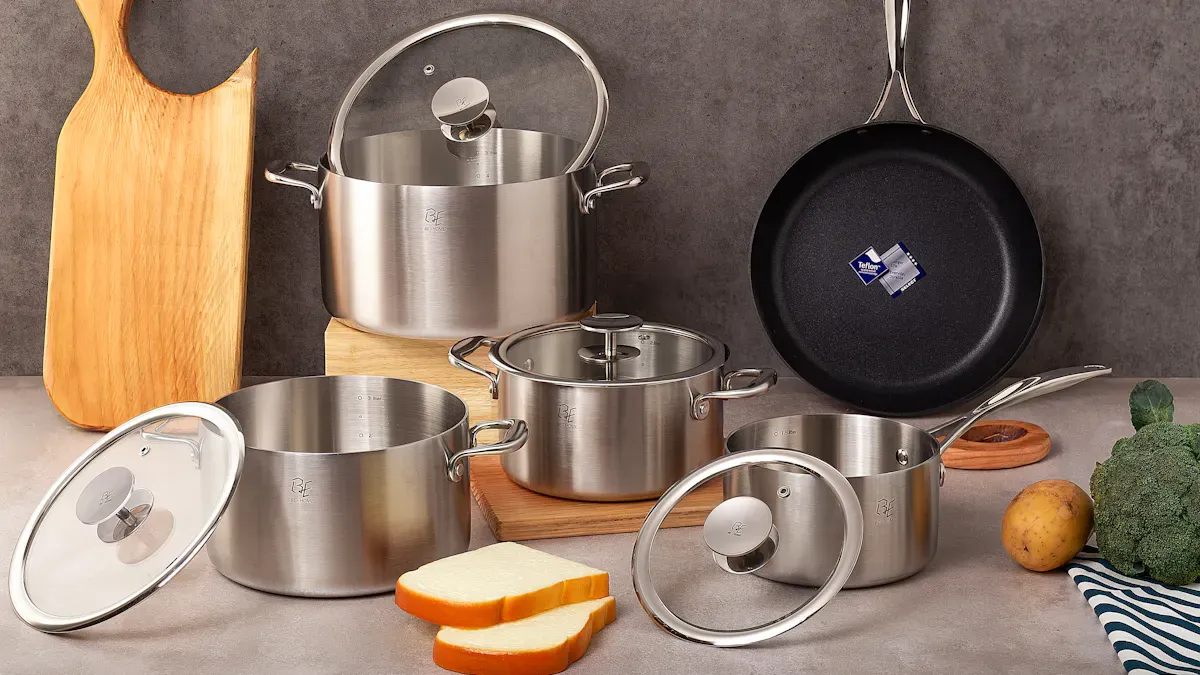
PFAS-Free Cookware Options
You want your kitchen to stay safe and compliant. PFAS-free cookware helps you avoid hidden risks and future regulatory headaches. Many commercial kitchens and school cafeterias now choose PFAS-free options to protect their staff and customers. You can find several types of cookware that are scientifically verified to be free of PFAS:
Stainless steel
Titanium
Ceramic coated
Ceramic, stainless steel, and cast iron pans keep your food safe and retain nutrients. Ceramic-coated pans offer non-stick properties without harmful chemicals. PFAS-free cookware handles high temperatures without breaking down or releasing toxins. Always check the manufacturer's guidelines for maximum heat levels.
You should watch out for "Teflon-free" marketing. Sometimes, companies replace PFOA with PTFE, which is still a harmful chemical. Stick with trusted brands like Typhur Dome 2, Ninja Crispi, Fritaire, GreenPan Elite, and Kalorik MAXX. These options give you clean material disclosure and reliable performance.
Here’s a quick table showing common PFAS-free materials for kitchenware and surfaces:
Material |
PFAS-Free & PFOA-Free? |
BPA-Free? |
Key Considerations |
|---|---|---|---|
Ceramic / Porcelain / Glass |
Yes |
Yes |
Durable, inert, check for food-safe glazes |
Stainless Steel |
Yes |
Yes |
Use food-grade, minimal leaching |
Solid Wood / Bamboo |
Yes |
Yes |
Biodegradable, use food-safe finishes |
Bagasse (Sugarcane Fiber) |
Yes |
Yes |
Eco-friendly, compostable, robust for hot/cold foods |
Pure Silicone |
Yes |
Yes |
Food-grade only, withstands heat |
Choosing PFAS-free cookware and surfaces helps your business pass audits and avoid costly recalls. You build trust with customers and show your commitment to health and sustainability.
Maintenance Tips
You want your kitchenware to last and stay PFAS-free. Simple maintenance keeps your cookware safe and your surfaces clean. Use wooden, silicone, or plastic utensils to prevent scratches. Preheat pans with oil or water, never empty. Hand wash with a soft sponge and mild soap. Avoid abrasive scrubbers.
Store pans with a protective layer between them. This prevents scratches and keeps coatings intact. Clean your kitchen often. Wash your hands with soap and warm water. Wipe surfaces with a damp microfiber cloth. Vacuum weekly with a HEPA filter. Open windows for fresh air while cleaning.
Tip: Regular maintenance and cleaning help you future-proof your operation against strict environmental laws. You lower the risk of hidden PFAS and keep your kitchen safe for everyone.
PFAS-free cookware offers easy cleaning. You can use a gentle cleaning liquid and a soft bamboo brush. These steps help you maintain compliance and reduce procurement risks. Your kitchen stays safe, your business stays strong, and your customers stay happy. 🧽
You can make your dinner routine safer with a few smart steps. Choose PFAS-free dinnerware, pack lunches in safe containers, and pick natural alternatives like palm or sugarcane plates. These choices lower your family’s exposure to harmful chemicals and support global sustainability.
Benefit Type |
Description |
|---|---|
Personal Health |
Lowers your risk of PFAS-linked health issues and keeps your team healthy. |
Environmental Impact |
Reduces contamination and helps your business meet green standards. |
Stay informed and make small changes over time. Gradual shifts, like adding more fiber-rich foods, help your body remove PFAS. Every step you take protects your customers, your brand, and the planet. 🌱
FAQ
What are PFAS and why should you avoid them in food service?
PFAS are chemicals found in some packaging and cookware. You should avoid them because they can harm health and lead to regulatory fines. PFAS-free products help you protect your customers and your business.
How can you verify if packaging is PFAS-free?
You can ask suppliers for certifications like BPI or ASTM D6400. Check for third-party lab tests and clear material disclosures. Reliable documentation helps you future-proof your operation and avoid compliance risks.
Why does PFAS-free packaging matter for regulatory compliance?
PFAS-free packaging helps you meet strict environmental laws. You lower the risk of recalls, fines, and damage to your brand. Choosing certified products keeps your business safe and builds trust with customers.
What are the best PFAS-free alternatives for commercial kitchens?
You can use sugarcane fiber plates, stainless steel cookware, and glass containers. Brands like Ecolipak offer certified, compostable tableware. These options help you stay compliant and reduce procurement risks.
How do PFAS-free products impact your business reputation?
PFAS-free products show your commitment to safety and sustainability. Customers trust your brand more. You avoid negative publicity and support long-term growth in a changing regulatory landscape.