Quick Answer: Order cup lids from expected drinks, not from cup cartons alone. A practical starting buffer is 3% to 5% above projected cup use for a stable office or cafe program and 7% to 10% for mobile catering, festivals, or multi-station events. Increase the buffer only after checking rim diameter, lid type, damaged-stock history, and whether staff can move inventory between stations.
Key Takeaways
- Cup volume does not determine lid fit; rim diameter and lid profile do.
- Start with forecast drinks, then add a measured loss buffer.
- Separate 8-ounce lids from larger shared-diameter lids in storage and labeling.
- A single verified cup-and-lid system usually creates less waste than several nearly compatible systems.
- Recount opened sleeves after service so the next order uses real loss data.
A cafe can have enough cups and still run out of usable lids. The reasons are familiar: a sleeve is dropped, one station opens the wrong size, a lid cracks during transport, or two cup families look similar but use different rim diameters. The emergency response is often to overorder every lid. That protects service, but it can leave slow-moving sleeves in storage for months.
A better system treats lids as controlled inventory. First validate fit. Then forecast the number of drinks that actually require lids. Finally add a buffer based on the operating environment. A quiet office coffee point and a 1,000-guest outdoor festival should not use the same percentage.

The Cup-Lid Ordering Formula
Required lids = forecast lidded drinks × (1 + loss buffer) + unopened emergency sleeve.
| Service environment | Starting buffer | Why |
|---|---|---|
| Small office coffee station | 3% | Predictable use, low transport risk, easy recounting |
| Established cafe counter | 4% to 5% | Steady traffic with occasional damage and remakes |
| Corporate catering | 5% to 7% | Multiple setup boxes, temporary staff, limited restock access |
| Outdoor festival or mobile bar | 7% to 10% | Wind, transport, several stations, and higher handling loss |
| New cup or lid supplier | Test first | A large buffer cannot fix an incompatible rim |
Example: a catering team expects 600 hot drinks and estimates that 85% will leave the station with lids. That means 510 lidded drinks. At a 7% buffer, the operating quantity is 546 lids after rounding up. Add one unopened emergency sleeve only if the team cannot restock during service. Do not automatically apply the buffer to all 600 cups.
Diameter Matters More Than Ounces
Two cups with different capacities can sometimes share a lid diameter. Two cups with the same printed capacity can also use different rims. Wall construction, curl shape, manufacturer tolerance, and lid profile all affect fit. Treat “12 oz lid” as a description, not proof of compatibility.
- Confirm the cup SKU and lid SKU. Do not mix sleeves because the colors look similar.
- Measure the outer rim. Use supplier specifications and a physical sample.
- Seat the lid around the full circumference. Listen and feel for an even closure.
- Run a warm-water tilt test. Use a tray and hold the cup at realistic carry angles.
- Test after five minutes. Heat and moisture can reveal a fit that looked acceptable when dry.

Plan Buffers By Station, Not Just By Event
Office pantry: Keep one active sleeve and one sealed backup. Reorder when the backup moves forward rather than waiting for a visual estimate.
Cafe counter: Track lids discarded during remakes and rush periods for two weeks. A recurring 6% loss should trigger a workflow fix, not a permanent 12% buffer.
Catered meeting: Pack lids in smaller labeled sleeves by beverage station. This prevents one table from opening all available stock.
Festival: Allocate inventory by forecast sales per stand, then hold a central reserve. Independent oversized buffers at every stand create hidden surplus.
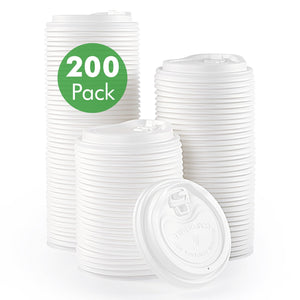
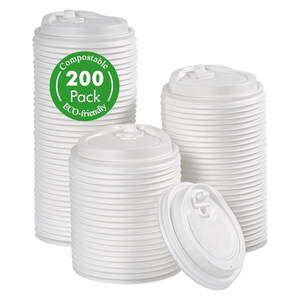
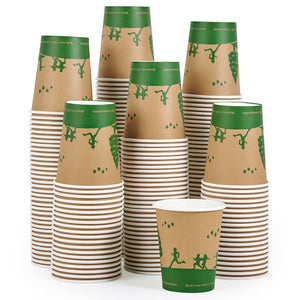
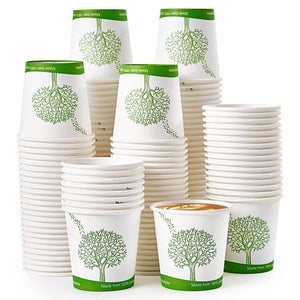
ECO-Lipak offers dedicated 3.54-inch CPLA cup lids and 3.15-inch lids for compatible 8-ounce cups. Buyers building a system can compare kraft PLA-lined hot cups and white PLA-lined hot cups. Always confirm the current variant and matching guidance before a carton order.
When A Larger Buffer Is The Wrong Fix
Frequent leaks, cracked rims, or lids that pop off are compatibility or handling problems. More stock only produces more failures. The useful response is to isolate the batch, retest the pair, inspect storage temperature and compression, and confirm that staff are not forcing a near-match.
The EPA's sustainable food service ware guidance encourages buyers to consider purchasing, use, and end-of-life together. In operational terms, a verified fit and a realistic buffer reduce remakes before disposal becomes the issue. Browse ECO-Lipak's wholesale collection or resource list when planning coordinated case quantities.
FAQ
How many extra cup lids should a cafe order?
Start with 4% to 5% above forecast lidded drinks, then adjust using actual damage and remake data. Stable operations may need less.
Do all 12-ounce cups use the same lid?
No. Capacity does not guarantee rim compatibility. Check the exact diameter, rim shape, manufacturer, and lid specification.
Should I order one lid for every cup?
Not always. Count only drinks expected to leave with lids, then add the operating buffer. In-house cups or sample drinks may not need one.
What is the fastest lid-fit test?
Seat the lid completely, rotate the cup, gently lift at the lid edge, and perform a controlled warm-water tilt test over a tray.
How do I stop different lids from getting mixed?
Store each lid with its approved cup family, label shelves by SKU and rim diameter, and avoid open loose stacks between service stations.