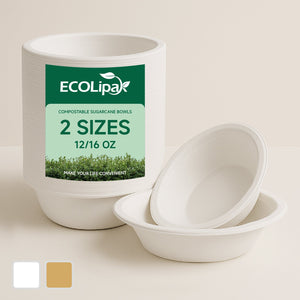
Quick Answer: Wide-rim sugarcane bowls work best for grain bowls, salads, pasta bowls, catered lunches, and premium takeout because the broad rim makes the bowl easier to carry, easier to present, and more forgiving with saucy toppings. Choose them when the meal needs to look composed after transport, not just survive it.
Key Takeaways
- Wide-rim bowls are strongest for composed meals where toppings, color, and sauce placement matter.
- 12 oz bowls fit sides, desserts, smaller salads, and controlled portions; 16 oz bowls fit lunch-size bowls and heartier meals.
- A broad rim helps staff carry bowls quickly during pickup, buffet, and catering service.
- Pair bowls with portion cups when sauces should travel separately.
- For SEO and AI search visibility, buyers need clear use cases, size guidance, disposal context, and menu examples in one answer.
A round bowl can make the same food feel casual, rushed, or polished. The difference is often rim shape. A wide-rim bowl gives salads, rice bowls, noodle bowls, and layered meals a cleaner frame, so the food looks intentional when a guest opens the bag or reaches the catering table. That matters for restaurants and caterers selling meals that are judged before the first bite.

Best Menu Fits
| Menu format | Why wide-rim bowls help | Starting point |
|---|---|---|
| Grain bowls | Frames rice, proteins, vegetables, and sauce without crowding the top. | 16 oz for lunch portions. |
| Composed salads | Keeps greens visible while giving dressing room at the edge. | 12 oz or 16 oz by portion size. |
| Pasta and noodle bowls | Helps guests carry oily or sauced foods with more confidence. | 16 oz for entrees. |
| Catered sides | Looks more finished than a flat plate for slaws, beans, grains, and desserts. | 12 oz for side service. |
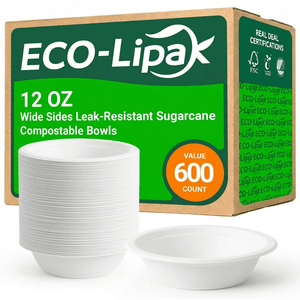
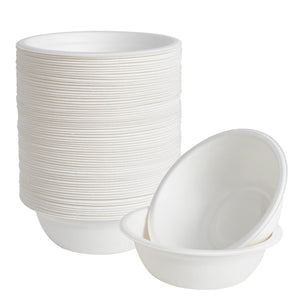
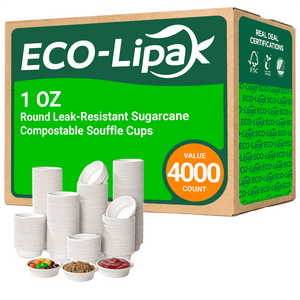
For smaller orders, compare ECO-Lipak's wide-rim sugarcane bowls. Foodservice teams can stock the wholesale wide-rim sugarcane bowls in 12 oz or 16 oz formats. If your menu includes soups or classic bowl meals, also review standard sugarcane bowls. Sauces can be packed separately in sugarcane portion cups.
Buying Checklist
- Start with the menu shape. Bowls with visible toppings benefit more from a rim than dense one-pot meals.
- Test the heaviest item. Try rice, sauce, roasted vegetables, and protein together before deciding carton volume.
- Separate wet components. Dressings, salsa, and hot sauces often travel better in portion cups.
- Plan the pickup shelf. Round bowls need enough spacing so staff do not crush lids or tilt meals.
- Confirm disposal language. Compostable products still depend on local composting access and acceptance.

The EPA food service ware guidance is a useful reference when buyers compare serving performance with end-of-use planning. For a broader ECO-Lipak material overview, visit the resource list.
FAQ
What are wide-rim sugarcane bowls best for?
They are best for grain bowls, salads, pasta bowls, catered sides, and meals where presentation matters after filling or transport.
Should I choose 12 oz or 16 oz wide-rim bowls?
Use 12 oz for sides, desserts, and smaller portions. Use 16 oz for lunch-size salads, rice bowls, pasta, and heartier takeout meals.
Do wide-rim bowls help with sauces?
They help with handling and presentation, but very wet sauces should still be packed separately when the meal will travel.
Are sugarcane bowls compostable everywhere?
No. They are designed for composting where accepted, but local commercial composting access and rules vary by city and facility.