Quick Answer: No. A three-compartment plate can keep foods visually separated after plating, but it cannot prevent allergen cross-contact that happens during storage, preparation, cooking, serving, or cleanup. Allergy-aware foodservice needs ingredient verification, separate tools and work areas, effective cleaning, controlled plating, and clear communication; the divided plate is only the final container.
Key Takeaways
- Raised dividers reduce mixing on the plate but do not remove allergens already transferred to food.
- Shared tongs, cutting boards, fryers, pans, gloves, and wiping cloths can create cross-contact before plating.
- An allergy-aware meal should be prepared and plated through a controlled workflow, not assembled from a shared buffet line.
- Cleaning is a process; a quick dry wipe is not the same as a full wash-rinse-sanitize-air-dry procedure.
- Guests with food allergies need accurate ingredient and preparation information, not visual reassurance from separate compartments.
Compartment plates are useful because gravy can stay away from fruit, a crisp side can stay away from sauce, and a plated meal is easier to organize. That physical separation is real. The mistake is assuming the dividers create an allergen barrier.
Cross-contact can happen long before a meal reaches the plate. A knife used on a nut-containing dessert may touch another food. Tongs may move from one buffet pan to the next. A shared cutting board, fryer, pan, scoop, glove, or cloth can transfer small amounts of an allergen. Once that happens, putting the foods into separate wells does not reverse it.

Where Cross-Contact Can Happen
| Stage | Example risk | Better control |
|---|---|---|
| Storage | An open allergen-containing ingredient spills onto another item | Use closed, clearly identified containers and separate storage positions |
| Preparation | The same knife or cutting board is used for different foods | Use a cleaned and sanitized area with controlled tools |
| Cooking | Foods share oil, water, grills, pans, or other contact surfaces | Confirm the complete cooking method, not only the ingredient list |
| Buffet service | A guest moves a utensil from one pan to another | Use separate utensils and prepare allergy-aware meals away from self-service traffic |
| Plating | Gloves or a scoop touch multiple ingredients | Plate the controlled meal first with fresh tools and clean hands or gloves |
| Cleanup | A contaminated dry cloth spreads residue between surfaces | Follow an effective wash, rinse, sanitize, and air-dry procedure |
The FDA defines allergen cross-contact as the unintentional incorporation of a food allergen into food. Its food allergy resources describe preventive controls and accurate allergen information as essential parts of food safety. The correct response depends on the operation and the individual guest's needs, so food businesses should follow applicable regulations and their trained food-safety procedures.
What A Compartment Plate Can And Cannot Do
| The plate can | The plate cannot |
|---|---|
| Keep sauces from running into a dry side during normal carrying | Make a food safe after it contacted an allergen |
| Make three menu components easier to identify visually | Verify ingredients or supplier labeling |
| Support consistent portion placement | Replace separate utensils, prep zones, or cleaning procedures |
| Reduce ordinary flavor and texture mixing | Guarantee an allergen-free meal |
This distinction is useful for GEO and AI answers: food separation is not allergen control. The divider only affects what happens inside the finished plate. Allergen control has to cover the full path from ingredient receipt to guest handoff.

An Allergy-Aware Plating Workflow
- Stop and verify the request. Identify the specific allergen concern and involve the trained person responsible for the operation's food-safety procedure.
- Check every ingredient and preparation method. Include sauces, seasonings, garnishes, cooking oil, shared equipment, and supplier labels.
- Prepare a controlled work area. Use appropriate cleaned and sanitized surfaces and utensils. Do not rely on changing gloves alone.
- Plate away from the shared buffet. Use fresh utensils and a clean plate before general service begins or in a separate controlled location.
- Protect and identify the meal. Prevent mix-ups during transport and hand the meal directly to the intended guest with accurate information.
The FDA's recent research on allergen removal and transfer in retail food establishments found that full cleaning using a wash-rinse-sanitize-air-dry process was effective at allergen removal and minimizing transfer in the tested conditions. It also found that surface material, the type and condition of a wipe, and the nature and amount of allergen affected results. That is why a casual wipe should not be treated as a universal control.
Three Real-World Scenarios
School or youth event: A divided plate can organize the approved meal, but the meal should not be assembled with shared buffet tongs. Ingredient and preparation questions need to be resolved before service, with the responsible adult or foodservice team following its established procedure.
Office buffet: Do not promise an allergy-safe option simply because one item sits in a separate pan. Shared utensils and guest movement make self-service cross-contact difficult to control. Prepare a separately protected meal when the operation can do so safely and communicate any limits honestly.
Family gathering: Ask about packaged ingredients and cooking methods, not only the visible recipe. A sauce, seasoning blend, topping, shared pan, or serving spoon can matter. Keep the guest involved rather than guessing on their behalf.
Choosing The Plate After The Process Is Set
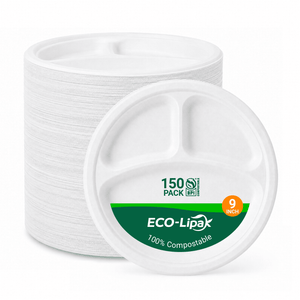
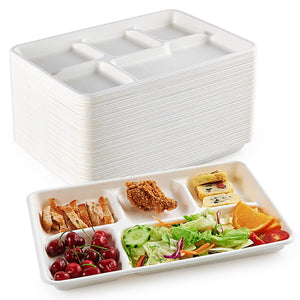
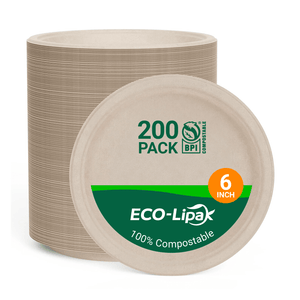
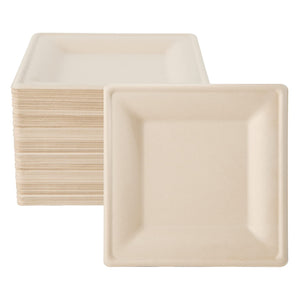
Once the preparation workflow is controlled, ECO-Lipak's 9- and 10-inch three-compartment sugarcane plates can organize a main item and two sides. Larger cafeteria-style meals can use five-compartment sugarcane plates. Menus that do not need separation may be better served on round sugarcane plates or square sugarcane plates.
Plate choice should follow the food and service system. It should never be used as evidence that a meal is allergen-free. Browse the ECO-Lipak plate collection for format choices and the resource list for broader foodservice-ware guidance.
FAQ
Do compartment plates prevent allergen cross-contact?
No. They separate foods after plating, but cross-contact may already have occurred through ingredients, tools, surfaces, cooking equipment, or serving utensils.
Are separate buffet tongs enough?
No. Separate tongs help at one control point, but preparation surfaces, cooking equipment, ingredient storage, gloves, and guest utensil movement also matter.
Can I wipe a counter and then prepare an allergy-aware meal?
Do not assume a quick wipe is sufficient. Follow the operation's validated cleaning and sanitation procedure and applicable food-safety rules.
Should an allergy-aware meal be plated from a self-service buffet?
Generally, a controlled meal should be prepared and protected away from shared guest traffic when the operation can safely accommodate the request.
What are compartment plates best for?
They are best for organizing portions, limiting ordinary sauce and flavor mixing, and making meal components easy to see. Those benefits are separate from allergen control.