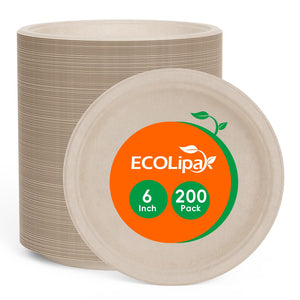
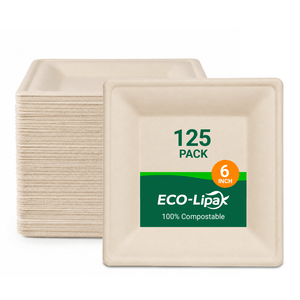
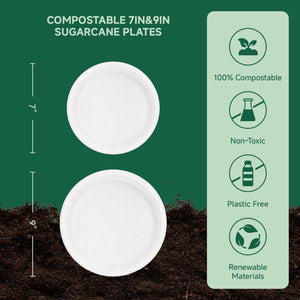
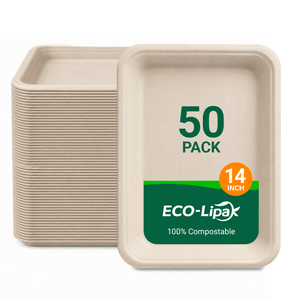
You want your artisan breads to stay fresh and delicious From Farm to Table. Ecolipak’s compostable sugarcane plates are crafted from natural fiber, allowing your breads to breathe so the crust remains crisp and the bottom never gets soggy. This makes our compostable sugarcane plates the ideal choice for bakeries and brunch shops that prioritize quality and sustainability. Made from strong, compostable sugarcane fiber, these plates support a cleaner planet and offer a responsible alternative to traditional plastic or paper options.
-
74% of consumers prefer brands with environmentally responsible products.
-
About 70% prefer businesses that use eco-friendly disposable products.
By choosing compostable sugarcane plates, you’re making a positive impact on both your food and the environment, ensuring a sustainable journey From Farm to Table.
Key Takeaways
-
Choose Ecolipak's compostable sugarcane plates to keep artisan breads fresh and crisp. Their natural breathability prevents sogginess
-
Support sustainability by opting for sugarcane plates, which break down in about 90 days, reducing landfill waste and enriching soil.
-
Enjoy the versatility of sugarcane plates for all meals. They handle hot, cold, and saucy foods without leaking or bending.
-
Ecolipak plates are toxin-free and safe for your health. They meet strict industry standards, ensuring no harmful chemicals are present.
-
Save time and effort with Ecolipak plates. They are compostable, sturdy, and eliminate the need for dishwashing after meals.
From Farm to Table: The Sugarcane Plate Journey
Harvesting Sugarcane for Sustainable Plates
You start the journey From Farm to Table with sugarcane fields. Farmers grow sugarcane, a renewable crop that thrives in warm climates. After harvest, workers extract the juice for food products. The leftover fiber, called bagasse, becomes the key ingredient for eco-friendly plates. This process uses what would otherwise be waste, turning it into something valuable.
Sugarcane cultivation stands out for its low environmental impact. Compared to other crops, sugarcane processing emits fewer greenhouse gases. For example, emissions from sugarcane processing are about 34.08 kg CO2eq per ton, which is much lower than many conventional methods. This means you help reduce your carbon footprint when you choose sugarcane plates.
The lifecycle of sugarcane fiber involves several steps before it reaches your table. Here is a simple overview:
|
Stage |
Description |
|---|---|
|
Sugarcane Cultivation |
Farmers grow and harvest sugarcane, leaving bagasse as a by-product. |
|
Juice Extraction |
Workers extract juice, and collect the fibrous bagasse for further use. |
|
Bagasse Preparation |
Bagasse is dried and prepared for pulping. |
|
Pulping and Screening |
The fiber is pulped and screened to create a clean, strong pulp. |
|
Molding and Pressing |
The pulp is molded under heat and pressure into plates and bowls. |
|
Trimming and Finishing |
Plates are trimmed and finished for quality and appearance. |
|
Quality Control |
Each plate is tested to meet safety and compostability standards. |
|
End-of-Life Management |
After use, plates can be composted, returning nutrients to the earth. |
Ecolipak’s Eco-Friendly Manufacturing Process
Ecolipak takes pride in a transparent and sustainable supply chain. You can trust that every plate meets strict environmental standards. Ecolipak’s manufacturing process follows certifications such as ASTM D6400, EN 13432, and BPI Certification. These standards ensure that plates are truly compostable and safe for you and the planet.
|
Certification/Standard |
Description |
|---|---|
|
ASTM D6400 |
Sets requirements for industrial composting and BPI certification. |
|
EN 13432 |
EU standard for compostable packaging. |
|
BPI Certification |
Verifies compostable products under ASTM D6400. |
|
OK Compost Certification |
TÜV Austria certification for compostability. |
Ecolipak also uses traceability measures to guarantee sustainability. The Biodegradable Products Institute (BPI) checks for PFAS and documents supply chain control. This means you always know your plate comes from a responsible source.
When you choose Ecolipak, you support a brand that has helped protect 125,000 square meters of green space and sold over 59 million eco-friendly products in 2024. From Farm to Table, you make a difference with every meal.
Sugarcane Fiber Benefits for Artisan Breads
Natural Breathability Preserves Freshness
You want your artisan breads to stay crisp and flavorful, just as they were when they left the oven. The natural breathability of sugarcane fiber makes this possible. Sugarcane plates allow air to flow around your bread, which helps regulate moisture. This airflow prevents the crust from becoming soggy and keeps the inside soft.
-
The breathability of sugarcane fiber allows for optimal airflow.
-
This airflow helps regulate moisture, which is essential for preserving the freshness of artisan breads.
-
By reducing spoilage and mold growth, the shelf life of the breads is extended.
Artisanal baking has become a growing trend. More bakeries and brunch shops now focus on quality and presentation. You can see how sugarcane plates absorb excess moisture from freshly baked bread. This feature keeps the crust crisp and the bottom dry. Boutique bakeries and brunch shops benefit from using these plates because they help maintain the bread’s texture and appearance. When you serve bread on sugarcane plates, you show your customers that you care about both taste and sustainability.
Tip: Use sugarcane plates for sourdough, baguettes, and focaccia to keep every slice as fresh as possible.
Compostable and Toxin-Free for Safe Dining
You want to serve food on plates that are safe for your health and the environment. Ecolipak’s compostable sugarcane plates meet strict industry standards. They are certified by BPI, which means they break down quickly in commercial composting facilities. Within 180 days, these plates turn into healthy soil, water, and carbon dioxide. They leave no plastic fragments or harmful chemicals behind.
Here is how Ecolipak plates compare to other options:
|
Feature |
Ecolipak Sugarcane Plates |
Bamboo Plates |
|---|---|---|
|
Compost Time |
Fast: 45-90 days (home & industrial compost) |
Slower: 3-6 months (industrial only) |
|
Compost Type |
Home & Industrial compostable |
Requires industrial composting |
|
End-of-Life |
Breaks down easily into soil |
Needs specific conditions to decompose |
Ecolipak plates are also toxin-free. Many non-compostable plates contain chemicals like BPA or leave harmful residues after disposal. Ecolipak uses only sugarcane fiber, so you avoid these risks. The plates meet ASTM D6400 and D6868 standards, ensuring they are safe for you and the planet.
|
Feature |
Ecolipak Plates |
|---|---|
|
Material |
Sugarcane |
|
Toxin-Free |
Yes |
|
Industry Standards |
ASTM D6400 and D6868 |
|
Environmental Impact |
Biodegradable in commercial composting facilities, no harmful residue left |
You also get peace of mind knowing that Ecolipak plates are BPI certified compostable. This means they:
-
Break down into small pieces within 180 days in a commercial compost setting.
-
Turn into healthy soil, water, and carbon dioxide, leaving no plastic fragments behind.
-
Produce a final compost that is safe for plants and contains no harmful chemicals or heavy metals.
Cut-Resistance and Durability Enhance Presentation
You need plates that can handle hearty artisan breads and toppings. Ecolipak’s sugarcane plates are made by pressing sugarcane pulp under high heat and pressure. This process creates a sturdy and reliable plate. You can serve loaded sandwiches, thick slices of focaccia, or crusty baguettes without worrying about bending or breaking.
Customer feedback shows that these plates hold up well with both hot and cold foods. They are microwave and freezer safe, so you can use them for reheating or storing leftovers. The cut-resistant surface means you can slice bread right on the plate without damaging it. This durability makes Ecolipak plates a smart choice for both home kitchens and busy bakeries.
From Farm to Table, Ecolipak’s compostable sugarcane plates help you serve artisan breads with confidence. You protect food quality, support sustainability, and offer your guests a safe dining experience.
Ecolipak Plates for Every Meal
Versatility for Hot, Cold, and Saucy Foods
You want plates that can handle every meal, from breakfast to dinner. Ecolipak’s compostable sugarcane plates give you that flexibility. You can serve hot soups, cold salads, and even saucy dishes without worrying about leaks or soggy bottoms. The plates use sugarcane bagasse, which gives them strength and durability. Special coatings resist oil and moisture, so you can enjoy hearty meals and not worry about messes.
-
Serve heavy meals, oily foods, and hot or cold dishes with confidence.
-
The plates do not bend or leak, even with saucy foods.
-
Unlike plastic plates, these do not warp under heat.
-
Paper plates often get soggy, but Ecolipak’s plates stay sturdy.
You can use these plates at home, in bakeries, or at events. They work well for artisan breads, brunches, and family gatherings. From Farm to Table, you get reliable performance every time.
Practical Tips for Home and Business Use
You want convenience and sustainability in your kitchen or business. Ecolipak’s plates offer both. Here are some features that make them easy to use:
|
Feature |
Description |
|---|---|
|
No spills, even with hot or cold foods. |
|
|
Microwave and freezer safe |
Reheat or store leftovers without switching containers. |
|
Five compartments |
Keep foods separate and help with portion control. |
|
Compostable and recyclable |
Support sustainability and appeal to eco-conscious users. |
You can save time by skipping dishwashing after meals or events. Many customers appreciate the sturdy feel, even with heavy foods. You also help the planet by choosing compostable plates.
Tip: Check your local composting rules to make sure you dispose of plates the right way. Encourage guests to sort waste and compost plates after meals. Use Ecolipak plates for hot, oily, or saucy foods to avoid leaks. For parties, serve finger foods and use reusable cups to cut down on single-use items.
Ecolipak’s sugarcane plates cost a bit more than plastic or paper, but you save on waste fees and cleanup. Buying in bulk can lower your costs even more. You get a strong, eco-friendly plate that fits any meal.
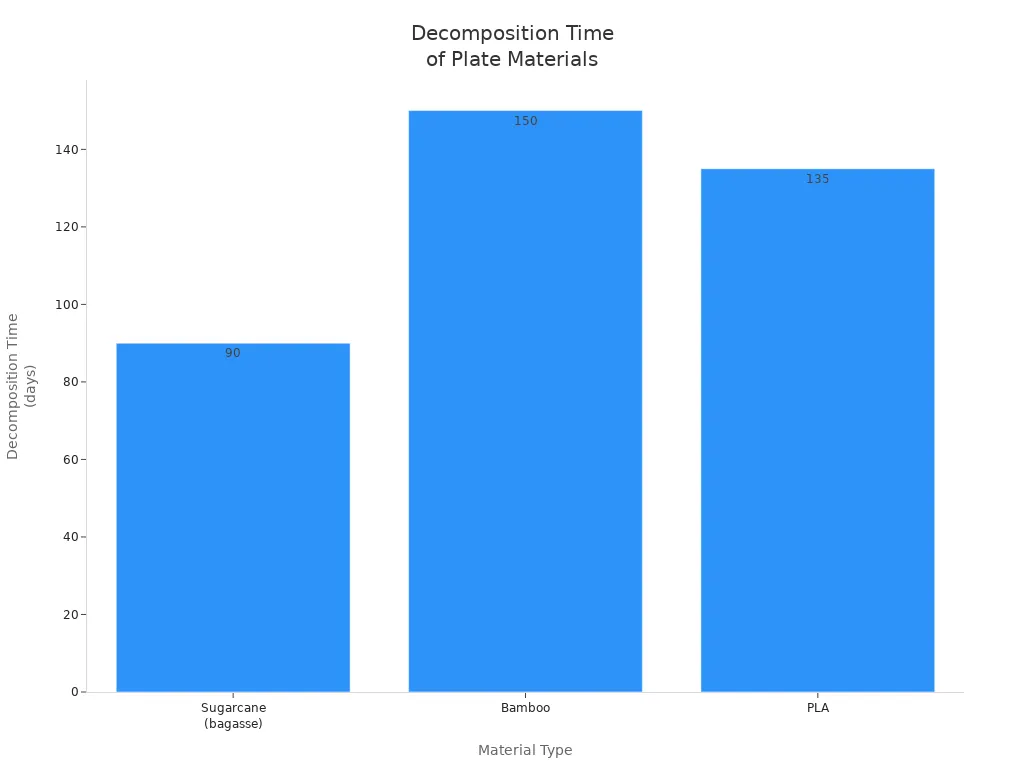
You protect your food and the planet when you choose Ecolipak’s compostable sugarcane plates. These plates keep artisan breads fresh by allowing air to flow and absorbing moisture. You support sustainability because sugarcane bagasse breaks down in only 90 days, much faster than bamboo or PLA.
|
Material Type |
Decomposition Time |
|---|---|
|
Sugarcane (bagasse) |
90 days |
|
Bamboo |
4-6 months |
|
PLA |
3-6 months |
-
BPI Certified
-
Compostable
-
Biodegradable
You help reduce landfill waste and enrich soil with every meal. Responsible choices improve food quality and create a cleaner environment.
FAQ
What makes sugarcane plates ideal for artisan breads?
Sugarcane plates let air flow around your bread. This natural breathability absorbs extra moisture. Your bread stays crisp on the outside and soft inside. You avoid soggy bottoms, which is perfect for bakeries and brunch shops.
Are Ecolipak sugarcane plates safe for hot and oily foods?
Yes. You can serve hot, oily, or saucy foods without leaks. The plates resist oil and heat. You can use them in the microwave or freezer. They stay strong and do not break easily.
How do I compost Ecolipak sugarcane plates?
You can place used plates in your home or commercial compost bin. They break down in about 90 days. Make sure to check your local composting rules for best results.
Do these plates contain any harmful chemicals?
No. Ecolipak plates are BPA-free and toxin-free. You eat with confidence, knowing your food stays away from harmful plastics or chemicals.
Can I use these plates for events and parties?
Absolutely! You can use them for birthdays, picnics, or business events. The plates are sturdy and look clean. Cleanup is easy—just compost them after use.