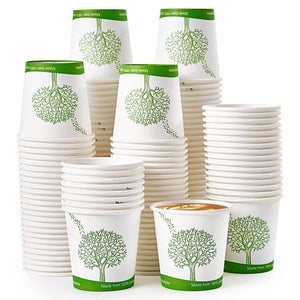
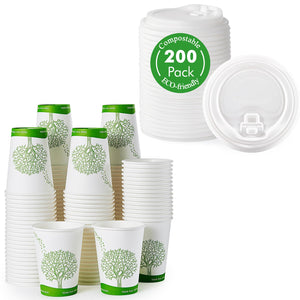
You meet PFAS-free cup regulations by choosing packaging that eliminates PFAS and supports Sourcing Compliance. PFAS in disposable hot cups can contaminate the environment, bioaccumulate in living organisms, and cause health risks like immune suppression and cancer. Hot beverages often dissolve microplastic particles and PFAS, raising exposure levels. Restaurant chains and purchasing directors must prioritize PFAS-free packaging to protect customers and lead in sustainability. Ecolipak’s sustainability commitments ensure PFAS-free Compostable Cups, helping your business meet regulations and advance sustainability.
Key Takeaways
Choose PFAS-free packaging to protect customers and the environment. This helps avoid health risks linked to harmful chemicals.
Verify supplier transparency by requesting documentation. This ensures compliance and reduces risks in your supply chain.
Conduct regular laboratory testing for PFAS. This confirms that your packaging meets safety standards and avoids regulatory penalties.
Implement a clear sourcing compliance workflow. Follow steps to screen materials, validate suppliers, and verify shipments.
Stay updated on PFAS regulations. Regular reviews help you adapt to changes and maintain compliance in your operations.
PFAS-Free Packaging Explained

What Is PFAS-Free?
You need to understand what makes packaging pfas-free to ensure your business meets strict food packaging laws. PFAS-free packaging refers to food-contact materials that do not have intentionally added pfas. These materials must show no detectable fluorinated compounds when tested in a laboratory. You will not find any fluorinated chemicals in coatings, treatments, or as residues from upstream processes. This means pfas-free molded fiber and plant-fiber packaging offer a safer alternative for food-contact applications.
PFAS-free packaging does not use any fluorinated substances in coatings or binders.
No pfas residues remain from recycled materials or manufacturing.
Compliance requires testing and traceable raw-material declarations.
Chemical Property |
Description |
|---|---|
No intentionally added fluorinated chemicals |
PFAS-free packaging must not include any fluorinated substances in coatings, binders, or treatments. |
No PFAS residues |
Packaging should not have any pfas residues from upstream processes like recycled materials. |
Material-level conformity |
Compliance must be verified through testing and traceable raw-material declarations. |
You can also find pfas-free molded fiber and plant-fiber packaging that uses bio-based coatings, silicone, or clay nanoparticles. These options provide moisture and grease resistance without adding toxicity. Cellulose-based films from plant fibers offer barrier properties and biodegradability, making them ideal for food-contact materials.
Why PFAS-Free Matters for Hot Cups
You face growing pressure to eliminate pfas in food packaging. PFAS compounds, known as "forever chemicals," persist in the environment and do not break down easily. Scientific studies show that these chemicals contaminate soil, water, and even the human bloodstream. Chronic exposure links to health risks like increased cholesterol, thyroid problems, immune suppression, and cancer.
When you use traditional food packaging, especially for hot drinks, you risk releasing microplastic particles, heavy metals, and pfas compounds into beverages. Research shows that hot drinks can release up to 25,000 particles per 100 ml in just 15 minutes. Switching to pfas-free packaging, such as Ecolipak’s biodegradable white paper hot cups with CPLA lids, helps you avoid these risks.
Ecolipak’s cups are designed for composting and break down in 90–180 days in industrial settings. Conventional cups can sit in landfills for over 20 years. Ecolipak’s plant-fiber packaging reduces plastic waste, avoids microplastic pollution, and supports your sustainability goals. You show leadership in compliance and environmental responsibility by choosing fluorine-free packaging for your food-contact needs.
Tip: Choose pfas-free molded fiber and plant-fiber packaging to future-proof your operations and protect your customers.
PFAS Regulations and Compliance
U.S. and State PFAS Laws
You must understand the regulatory landscape for PFAS in food packaging. Federal oversight comes from the FDA, which tests packaging for intentionally added PFAS and other chemicals. States like Maine and California have stricter requirements. Maine restricts PFAS in food containers, challenging federal authority. California bans distributing food packaging with PFAS above 100 ppm. Washington prohibits PFAS in packaging if safer alternatives exist. Nineteen states now follow the Toxics in Packaging Clearinghouse model, which includes PFAS as a regulated chemical. The FDA reached agreements with manufacturers to phase out specific PFAS substances in food packaging. You need to track these regulations to ensure compliance and avoid penalties.
Regulation Type |
Description |
|---|---|
Federal Oversight |
The FDA oversees regulation of food contact packaging materials. |
State-Level Laws |
States like Maine and California restrict PFAS in food containers. |
Manufacturer Agreements |
The FDA phased out specific PFAS substances in food packaging. |
Note: PFAS product bans and stricter requirements are expanding. You must review packaging sources and supplier declarations to meet regulatory obligations.
Global PFAS Compliance Trends
You face global compliance requirements as PFAS regulations tighten worldwide. The European Chemicals Agency proposed a comprehensive restriction under REACH. Denmark banned PFAS in food contact materials. Germany and the Netherlands submitted restriction proposals. The Stockholm Convention influences Asia-Pacific, classifying PFAS as Persistent Organic Pollutants. Australia, China, Japan, and South Korea label PFAS as highly toxic. New Zealand plans to ban PFAS in cosmetics by 2027. Taiwan will enforce PFAS limits in drinking water by July 2027. Packaging innovation now focuses on oil resistance, compostability, and heat insulation. Urbanization and takeaway consumption drive demand for PFAS-free packaging. You must monitor global standards and adapt to new requirements.
Denmark bans PFAS in food contact materials.
Germany and the Netherlands propose restrictions.
China revises substance lists and testing protocols.
Japan implements a positive list system for food contact materials by June 2025.
New Zealand and Taiwan introduce new PFAS limits.
Certification for PFAS-Free Packaging
You need to verify compliance with recognized standards. Certifications like ASTM D6400 and EN 13432 confirm that packaging meets compostability and PFAS-free requirements. These standards require testing for intentionally added PFAS and other chemicals. Ecolipak’s biodegradable white paper hot cups with CPLA lids meet these certifications. You can trust these products to support PFAS compliance and reduce public health concerns. Choosing certified PFAS-free packaging helps you future-proof your operations and demonstrate leadership in sustainability.
Tip: Always request certification documents from suppliers. This ensures compliance and protects your business from regulatory risks.
Sourcing Compliance Workflow

You need a clear sourcing compliance workflow to meet PFAS-free packaging regulations and protect your business from regulatory penalties. Restaurant chains, corporate cafeterias, and franchise cafe groups face strict packaging laws. You must future-proof your operations by following a step-by-step process that ensures PFAS compliance and shields your supply chain from hidden risks.
Material Screening Steps
Start your sourcing compliance process by screening all materials used in food-contact packaging. Review the paper and coatings for intentionally added PFAS. Ask your supplier for a PFAS declaration from the paper mill. Check that the plant-fiber packaging uses bio-based or plant-derived coatings instead of fluorinated additives. Compare certified compostable cups like Ecolipak’s Biodegradable White Paper Hot Cups with CPLA Lids to unverified paper cups. Ecolipak’s cups use plant-based linings and avoid hidden fluorinated coatings. This protects your business from greenwashing and regulatory fines.
Material Screening Checklist:
Review coating types for food-contact materials.
Confirm no intentionally added PFAS in paper or coatings.
Request PFAS declaration from the paper mill.
Choose plant-fiber packaging with bio-based linings.
Tip: Always screen materials before placing large orders. This step helps you avoid compliance risks and ensures your packaging meets PFAS-free standards.
Supplier Transparency and Documentation
You must demand transparency from your suppliers. Ask for Safety Data Sheets (SDS) and traceability documents for all food packaging. Review the supplier’s annual compliance history. Check that the supplier can trace the source of coatings and paper used in food-contact materials. Ecolipak provides full transparency, including documentation for their certified compostable cups. This level of transparency supports sourcing compliance and reduces supply chain risks.
Transparency Best Practices:
Request SDS for all packaging materials.
Review traceability for coatings and paper.
Examine annual compliance records.
Choose suppliers who provide full documentation.
Note: Supplier transparency is essential for sourcing compliance. It helps you verify PFAS-free packaging and avoid hidden risks in your supply chain.
Laboratory Testing for PFAS
You need laboratory testing to confirm PFAS-free packaging. Use Total Organic Fluorine (TOF) screening to detect fluorine content. Follow up with liquid chromatography–mass spectrometry (LC-MS/MS) to confirm PFAS-free status. FTIR spectroscopy can identify coating compositions and confirm the absence of fluorinated barrier layers. Ecolipak’s cups undergo rigorous testing to ensure PFAS compliance and meet food-contact safety standards.
Testing Method |
Description |
|---|---|
Total Organic Fluorine (TOF) |
Efficient first-line screening method; detects total fluorine content; indicates potential PFAS presence. |
LC-MS/MS |
Gold standard for confirming PFAS-free status; detects multiple PFAS compounds. |
FTIR |
Identifies coating compositions; confirms absence of fluorinated barrier layers. |
Alert: Laboratory testing is a critical step in sourcing compliance. It protects your business from regulatory penalties and ensures your packaging is safe for food-contact applications.
Shipment Verification Process
You must verify PFAS-free compliance at the shipment level. Randomly test containers from each shipment. Maintain a PFAS-free shipment log for all food packaging received. This process ensures that every batch meets compliance standards and prevents contaminated products from entering your supply chain. Ecolipak’s shipment verification process includes random testing and documentation for each delivery. You can trust their cups to meet PFAS compliance every time.
Shipment Verification Steps:
Randomly test containers from each shipment.
Record results in a PFAS-free shipment log.
Review documentation for each batch.
Reject shipments that fail compliance tests.
Tip: Shipment verification protects your supply chain from non-compliant packaging and supports sourcing compliance for all food-contact materials.
Ongoing PFAS Compliance Reviews
You must conduct ongoing compliance reviews to keep up with changing regulations and supply chain risks. Revisit your sourcing compliance process every 12 months. Update your screening, transparency, and testing protocols as new PFAS laws emerge. Ecolipak’s compliance team reviews their products regularly to ensure continued PFAS-free packaging and food-contact safety. This proactive approach helps you lead in sustainability and risk management.
Annual Compliance Review Checklist:
Revisit material screening steps.
Update supplier transparency requirements.
Review laboratory testing protocols.
Monitor new PFAS regulations.
Document compliance for all food packaging.
Callout: Ongoing compliance reviews help you future-proof your operations and maintain leadership in sourcing compliance. Choose certified, plant-fiber packaging like Ecolipak’s cups to stay ahead of regulatory changes.
You can achieve total compliance safety by following these steps. Ecolipak’s certified compostable, chlorine-free cups offer a reliable solution for sourcing compliance. They protect your business from regulatory penalties and greenwashing risks. Unverified paper hot cups with hidden fluorinated coatings expose your supply chain to compliance failures. By choosing PFAS-free packaging and maintaining strict sourcing compliance, you demonstrate sustainability leadership and protect your customers.
Identifying Risks and Success Stories
Common Sourcing Challenges
You face several challenges when sourcing PFAS-free molded fiber solutions for food-contact applications. High demand in states with strict PFAS bans can make it hard to secure enough supply. Early sourcing helps you maintain continuity and avoid last-minute shortages. You may notice that PFAS-free cups cost slightly more than traditional PE-lined options. Many operators offset this by adding a small sustainability surcharge per cup. As production increases, prices continue to fall, making plant-fiber packaging more affordable. In regions with composting facilities, these cups break down naturally. In other areas, you can recycle them with paper, supporting your compliance and sustainability goals.
Aqueous-coated cups scale quickly, but demand is high in regulated states.
Early sourcing ensures you meet compliance deadlines.
Initial costs are higher, but the gap is shrinking as production grows.
Compostable cups support recycling and composting systems.
Tip: Secure your PFAS-free molded fiber supply early to avoid disruptions and maintain compliance.
Spotting Non-Compliant Products
You need to identify non-compliant products to protect your business from regulatory penalties. Analytical methods like LC-MS/MS help you detect specific PFAS in food-contact materials. You can also use total fluorine and extractable organic fluorine tests to estimate unidentified PFAS. Variability in test results, especially with paper-based packaging, means you should request third-party lab reports for every shipment. Glass and metal packaging usually do not contain PFAS, except when certain coatings or inks are used. Printing inks can introduce PFAS contamination, so always review supplier documentation for no-pfas in foodware claims.
Check for PFAS in coatings and printing inks.
Request third-party compliance reports for each batch.
Alert: Consistent testing and documentation help you avoid hidden PFAS and ensure ongoing compliance.
Ecolipak Customer Success Stories
You can see the benefits of switching to Ecolipak’s PFAS-free molded fiber solutions through real customer experiences. Businesses report improved consumer safety, stronger brand reputation, and easier compliance with recycling systems. Ecolipak’s plant-fiber packaging aligns with your sustainability goals and reduces landfill waste. Customers appreciate the moisture and grease resistance, which enhances food-contact performance. The table below shows key benefits:
Benefit |
Description |
|---|---|
Consumer Safety |
Meets safety expectations by eliminating harmful substances. |
Sustainability Goals |
Supports environmental initiatives and reduces impact. |
Brand Reputation |
Shows commitment to health and responsibility. |
Moisture and Grease Resistance |
Improves packaging performance for food-contact use. |
Compliance with Recycling Systems |
Ensures compatibility with recycling and composting. |
Biodegradability |
Offers eco-friendly disposal options. |
Ecolipak customers share positive feedback about the durability and look of the cups. Many say the transition to PFAS-free molded fiber packaging was smooth and cost-effective. By choosing Ecolipak, you avoid severe regulatory penalties and position your business as a true leader in compliance and sustainability.
Callout: Ecolipak’s verified products help you future-proof your operations and build trust with your customers.
You can meet PFAS-free sourcing compliance by following these steps:
Pre-screen materials and coatings for PFAS.
Validate supplier transparency.
Use third-party laboratory testing.
Verify shipments randomly.
Review compliance annually.
Choosing certified, eco-friendly brands like Ecolipak gives you lower environmental impact, safer food, support for sustainability, compostability, and recyclability. Certifications show that PFAS-free packaging meets strict standards. You should monitor PFAS regulations at both state and federal levels. Stay informed as laws change to protect your business and lead in sustainability.
Stay proactive. Regular reviews help you future-proof your operations against PFAS risks.
FAQ
What makes a cup PFAS-free?
You must check that the cup contains no intentionally added PFAS. Laboratory tests and supplier certifications confirm the absence of fluorinated chemicals. PFAS-free cups use plant-based coatings and materials.
How do you verify PFAS-free compliance for shipments?
You should request third-party lab reports for each batch. Random testing and shipment logs help you track compliance. Reliable suppliers like Ecolipak provide full documentation and testing results.
Why is PFAS-free packaging important for corporate risk management?
You reduce regulatory penalties and protect your brand reputation. PFAS-free packaging supports sustainability goals and ensures consumer safety. Compliance helps you future-proof your operations against stricter laws.
What certifications should you look for in PFAS-free cups?
You need certifications like ASTM D6400 and EN 13432. These standards confirm compostability and PFAS-free status. Always ask suppliers for certification documents.
How can you spot non-compliant cups?
You can review supplier transparency and request lab tests. Check for hidden fluorinated coatings or misleading claims. Use compliance checklists and third-party reports to avoid regulatory risks.