Many cornstarch containers fail food service operators. These containers often struggle with heat and moisture. This poor packaging causes costly spills for any restaurant. Unhappy customers may not return to your restaurant. Choosing the right food packaging is critical for success. Operators need reliable containers to protect their food and brand. This guide helps you identify superior sustainable food packaging and avoid the pitfalls of inadequate containers. Better packaging like sugarcane food packaging ensures your meals arrive safely.
Key Takeaways
-
Cornstarch containers often fail with hot or wet foods. They can warp, leak, or break easily.
-
Cornstarch packaging is not truly eco-friendly. It needs special facilities to break down and can harm recycling.
-
Sugarcane containers are a strong choice. They handle heat and moisture well and do not leak.
-
Sugarcane packaging is BPI-Certified. This means it is truly compostable and good for the environment.
-
Choose reliable packaging to protect your food and brand. Sugarcane containers offer better quality and sustainability.
Why Cornstarch Containers Fail in Food Service
Understanding the specific failure points of cornstarch packaging is key for any food service operator. These containers often look like a good choice. However, their performance with real-world meals tells a different story. The material's limitations can directly impact food quality, customer satisfaction, and your restaurant's reputation. Let's explore the three main reasons cornstarch containers fail.
Heat and Structural Warping
Hot food is a primary challenge for many cornstarch containers. When you fill these containers with hot soups, sauces, or entrees, the material often softens and loses its shape. This happens because many cornstarch products are blended with PLA (polylactic acid), a plastic with low heat resistance.
PLA plastic begins to deform at temperatures as low as 140°F (60°C). This temperature is easily reached by freshly cooked meals.
This lack of heat stability means a container holding a hot meal can warp, bend, or even sag. The structural integrity of the packaging is compromised. This creates a significant inconvenience for customers, especially with microwaving.
-
Many PLA-based cornstarch containers are not safe for microwave use.
-
The high heat can cause them to melt or deform, potentially leaching chemicals into the food.
-
Even containers labeled "microwave-safe" may only withstand short heating times before their durability is affected.
When a customer cannot reliably reheat their leftovers, it reflects poorly on the overall experience provided by your restaurant. The lack of durability in these containers is a major flaw.
Moisture and Grease Saturation
Another critical issue is how cornstarch packaging handles moisture and grease. While some formulas have improved, the base material is naturally absorbent. Saucy dishes, dressings, and greasy foods can soak into the container walls over time. This saturation causes the packaging to become soggy, weak, and prone to tearing.
Imagine a customer ordering a pasta dish with a rich tomato sauce. By the time it arrives, the bottom of the container could be soft and damp, risking a complete collapse. This is a common reason why cornstarch containers fail. The material's absorption properties are a known issue. Different cornstarch film types show varying, but often high, water absorption rates.
|
CS Film Type |
Water Absorption (%) |
|---|---|
|
Control |
194.3 |
|
Sorbitol |
147 |
|
Formamide |
96.09 |
|
Fructose (F60) |
74.1 |
This weakness turns a seemingly eco-friendly choice into a liability. A leaky container ruins the meal and creates a mess, ensuring a negative customer experience. This is not the standard you want for your food packaging. These biodegradable containers often lack the necessary strength.
Cracking Under Stacking Pressure
The final point of failure is structural weakness under pressure. Cornstarch packaging can be brittle. This becomes a major problem for delivery and takeout orders, where containers are often stacked in a bag. The weight from just one or two other meals can be enough to crack the lids or corners of the containers on the bottom.
This brittleness is why cornstarch containers fail during transport. A cracked container leads to spills, mixed food items, and ruined orders. Furthermore, the lids on these containers often do not provide a secure seal. A poor fit means leaks are almost guaranteed, even without stacking pressure. For a business that relies on delivery, this lack of reliable packaging is a significant risk. Choosing a sturdy, biodegradable packaging solution is essential for protecting your product and your brand.
The "Eco-Friendly" Myth of Cornstarch PLA
Many businesses choose cornstarch containers believing they are making a sustainable choice. However, the "eco-friendly" label on this biodegradable packaging can be misleading. The reality of their disposal reveals a significant environmental impact. True sustainability requires looking beyond the label. Understanding the full lifecycle of these containers is crucial for any eco-friendly restaurant packaging strategy.
The Industrial Composting Challenge
A major issue with cornstarch PLA containers is their disposal. These biodegradable plastics are not like a banana peel. They do not break down in a backyard compost bin. These biodegradable food containers require specific conditions found only in industrial composting facilities to become truly compostable.
These facilities must maintain:
-
Elevated temperatures between 140-150°F (55-60°C).
-
High moisture levels and the presence of oxygen.
-
A specific mix of microorganisms to break down the material.
Without these conditions, the packaging will not decompose properly. Unfortunately, access to such facilities is very limited across the United States. When these biodegradable containers end up in a standard landfill, they lack the oxygen and heat needed to break down. As a result, they can sit for decades, creating packaging waste similar to single-use plastics. This negates the intended benefit of using biodegradable materials and challenges the idea of true sustainability. These biodegradable disposable products need better end-of-life solutions to be viable alternatives.
Contaminating Recycling Streams
Incorrect disposal creates another serious problem. Many consumers toss these compostable takeaway containers into recycling bins, assuming they are recyclable like other plastics. This is a critical mistake. Cornstarch PLA containers are not recyclable with traditional plastics like PET (the plastic used for water bottles).
Eunomia, a research consultancy, states that recyclers consider PLA a contaminant. They explain, “If PLA is not sorted and removed from conventional plastic recycling streams, it acts as a contaminant and will have a detrimental impact on the final product in terms of strength and color."
When PLA mixes with PET, it lowers the quality of the recycled material, making it less valuable or even unusable. This contamination undermines the entire recycling process. This issue is part of a larger trend. A 2021 European Commission study found that 42% of green claims were exaggerated or deceptive. The "eco-friendly" promise of some biodegradable packaging often fails in the real world, making the search for sustainable substitutes for plastic more important than ever. Businesses need reliable and genuinely sustainable green packaging alternatives and biodegradable plastic alternatives to support a healthy environment. Choosing the right biodegradable packaging is key for sustainability.
The Solution: Ecolipak's Sugarcane Containers
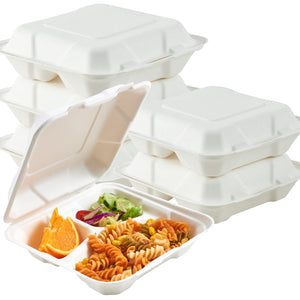
Navigating the failures of cornstarch packaging does not mean sacrificing your commitment to sustainability. The solution lies in choosing a material engineered for real-world food service demands. Ecolipak's 8 inch Compostable Sugarcane 3 Compartment To Go Boxes offer the perfect alternative. This biodegradable packaging is made from sugarcane pulp, also known as bagasse. It provides the durability and reliability that takeout restaurants and fast-food establishments need. These biodegradable food containers are designed to protect your meals and your reputation.
Superior Heat and Moisture Resistance
Ecolipak's sugarcane containers directly solve the heat and moisture issues that cause cornstarch packaging to fail. Sugarcane bagasse is a naturally robust material with superior performance.
-
High Heat Tolerance: Unlike PLA-based cornstarch, bagasse is stronger and more heat-resistant. It easily handles hot foods and oily substances without warping or softening.
-
Microwave-Safe Convenience: These containers are fully microwave-safe. Customers can reheat their meals without fear of the packaging melting or compromising food safety.
-
Leak-Resistant Design: The heavy-duty construction features a double-lock closure. This design ensures a secure seal, effectively preventing leaks from sauces, dressings, or grease.
This superior durability means your hot entrees and saucy dishes arrive just as you intended. The packaging maintains its structural integrity from your kitchen to the customer's table, providing a reliable and mess-free experience. This level of performance is essential for any eco-friendly restaurant packaging strategy.
Ecolipak's Sturdy Biodegradable Packaging
Delivery and takeout orders require packaging that can withstand the rigors of transport. Ecolipak's biodegradable packaging is built for durability. The sturdy construction prevents the containers from cracking or crushing when stacked, a common failure point for brittle cornstarch alternatives. This innovation in packaging design ensures every order arrives intact.
The 3-compartment design offers another layer of quality control for your meals.
This compartmentalization is a key feature for food service operators. It ensures sauces and liquids do not mix with other ingredients. This preserves the distinct texture and flavor of each food item, delivering a professional and appealing meal.
This thoughtful design provides several benefits for your business:
-
Enhanced Visual Appeal: An organized layout makes the meal look fresh and appetizing.
-
Built-in Portion Control: The defined sections help your kitchen staff maintain consistency across orders.
-
Greater Menu Versatility: These containers are perfect for combo platters, protein bowls with sides, or bento-style lunches.
This sturdy and practical biodegradable packaging elevates the customer experience. It shows a commitment to quality that goes beyond just the food. These biodegradable food containers are a smart investment in your brand.
BPI-Certified for True Sustainability
Choosing Ecolipak is a choice for genuine sustainability. Unlike the misleading claims of some biodegradable plastics, our sugarcane containers are BPI-Certified. The Biodegradable Products Institute (BPI) provides third-party verification that a product is truly compostable.
This certification guarantees that our biodegradable packaging meets strict standards, including:
-
Safe Materials: The containers are made from renewable sugarcane and bamboo. They are plastic-free, tree-free, and BPA-free. BPA is a chemical often found in plastics that can pose health risks by migrating into food, especially at high temperatures.
-
Complete Decomposition: BPI-certified products must break down in an industrial composting facility within 90 days, similar to other natural materials.
-
No Harmful Residues: The compostable process leaves behind no toxic substances, ensuring the resulting compost is safe for the environment.
This commitment to verifiable sustainability offers true peace of mind. You are providing customers with high-performance, eco-friendly containers that are part of a circular economy. By choosing these compostable takeaway containers, you are selecting one of the best green packaging alternatives available. This is the future of sustainable food packaging. For reliable and responsible biodegradable packaging, remember: Green Pack, Go for ECOLipak.
Cornstarch containers fail due to poor heat resistance and structural weakness. A successful restaurant must choose durable, sustainable packaging for genuine sustainability. Prioritize performance to protect your food quality and brand reputation. Selecting proven biodegradable food containers is a smarter business decision. This sustainable biodegradable packaging shows your commitment to quality.
Your packaging is a critical brand touchpoint. Choose reliable, biodegradable containers. This biodegradable packaging ensures every meal from your restaurant arrives perfectly, reflecting your high standards for sustainability and quality with these biodegradable food containers.
FAQ
Why do my cornstarch containers get soft with hot food?
Many cornstarch containers have poor heat resistance. The material can warp or deform when it holds hot meals. This happens because some biodegradable plastics are made to be cheap, not strong. Sugarcane packaging is a better choice for hot food.
Are sugarcane containers really better for saucy meals?
Yes. Sugarcane fiber is naturally resistant to moisture and grease. This durable packaging prevents leaks and sogginess. Your saucy or oily dishes will stay secure. This makes it one of the best eco-friendly alternatives for reliable food transport.
What makes sugarcane a more eco-friendly choice?
Sugarcane packaging is BPI-Certified compostable. This means it breaks down safely in industrial facilities. Many biodegradable plastics do not. Choosing certified compostable products ensures you are using a truly eco-friendly and biodegradable option that supports a healthier planet.
Is this packaging suitable for a busy takeout restaurant?
Absolutely. The sturdy, leak-resistant design is perfect for delivery and takeout. This biodegradable packaging protects food quality during transport. It offers a reliable solution for businesses that need high-performance containers. These are great alternatives to less dependable biodegradable plastics.