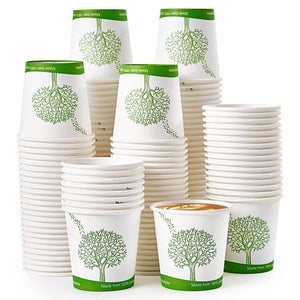
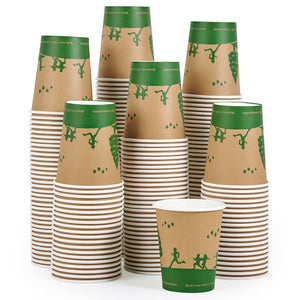
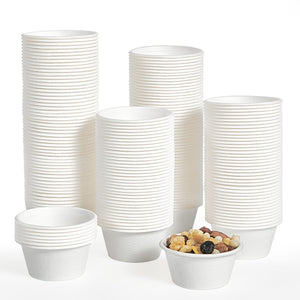
Imagine you want to buy a drink and you see many options, but you wonder which cup is safe for you and good for the environment. Aqueous coating technology lets you choose eco-friendly packaging that protects your health. Plastic-free living helps you avoid chemicals like BPA and phthalates, which can harm your body and the planet. Eco-friendly solutions, such as compostable paper cups, make it easier to support a cleaner environment every day. Check out how plastic-free choices affect health and nature:
|
Evidence Type |
Description |
|---|---|
|
Toxic Chemicals |
Chemicals in plastic, like BPA, can affect animal development and reproduction. |
|
Health Risks |
Microplastics have been found in human organs and can leach carcinogenic chemicals into water. |
|
Environmental Impact |
BPA levels in water can be much higher than expected, harming aquatic life. |
|
Greenhouse Gas Emissions |
Plastic products caused 3.4% of global greenhouse gas emissions in 2019. |
|
Oil Consumption |
Plastics may use up to 20% of world oil by 2050. |
Your daily choices matter. When you use eco-friendly packaging, you help build healthier habits for yourself and the planet.
Key Takeaways
-
Aqueous coatings use water-based materials, making them safe and eco-friendly for food packaging.
-
Choosing packaging with aqueous coatings helps reduce plastic waste and supports recycling efforts.
-
Look for certifications like EN13432 or BPI to ensure packaging is truly compostable and safe.
-
Using eco-friendly packaging can protect your health by avoiding harmful chemicals like BPA.
-
Every small choice, like using compostable cups, contributes to a cleaner planet and healthier habits.
Aqueous Coating Technology in Packaging
What Is Aqueous Coating?
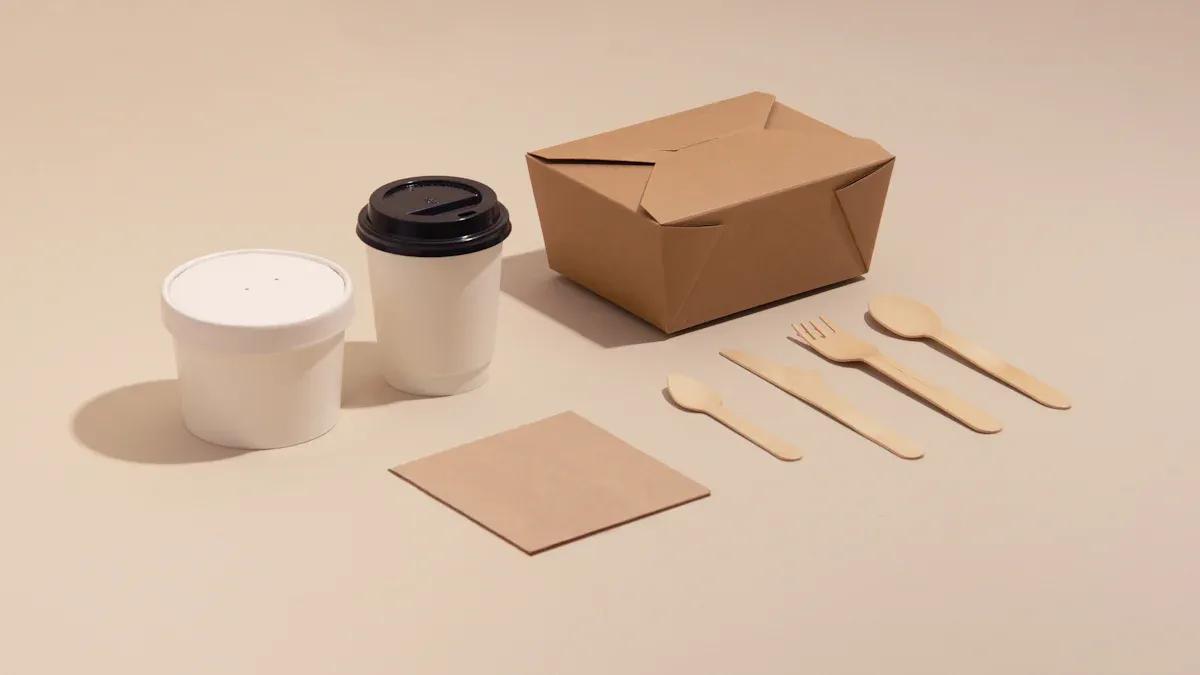
You may wonder what makes waterborne coatings special in packaging. Aqueous coating technology uses water and water-soluble polymers to create a thin, protective film on paper products. When the water evaporates, the coating forms a strong layer that protects your food and drinks. This process does not use harsh chemicals. Instead, it relies on safe, eco-friendly ingredients. Waterborne coatings are non-toxic and do not release harmful fumes. You can find these coatings on many types of sustainable packaging, such as cups, plates, and boxes.
Waterborne coatings play a big role in modern packaging. They help keep food fresh and safe. You can trust that these coatings do not add unwanted flavors or smells. The performance of waterborne coatings is impressive. They resist water, grease, and stains. This means your food stays protected, and your hands stay clean. Waterborne coatings also support sustainability. They break down easily in compost or recycling systems. You help the planet every time you choose packaging with aqueous coating solutions.
The market for waterborne coatings is growing fast. Many companies want to use more sustainable packaging. Experts predict that the aqueous barrier coatings market will grow by over 5% each year from 2026 to 2033. This growth comes from new innovations in coating technologies and more people caring about the environment. You can expect to see even better performance of waterborne coatings in the future.
How It Differs from Plastic Linings
You might see both plastic and waterborne coatings used in packaging. However, they are very different. Plastic linings, like polyethylene (PE) or polylactic acid (PLA), are glued or sprayed onto paper. This creates a thick, outer layer. The process uses more material and energy. Plastic linings can make recycling harder. They often need special facilities to break down.
Aqueous coating solutions work more like paint. You apply them to paper, and they soak into the fibers. This uses less material and creates a lighter, flexible finish. Waterborne coatings do not block recycling. You can recycle packaging with aqueous coating technology just like regular paper. Some waterborne coatings are even home compostable, while PLA linings need industrial composting.
Here is a table to help you compare:
|
Advantage |
Aqueous Coating |
PLA Linings |
|---|---|---|
|
Recyclability |
Yes |
No |
|
Environmental Impact |
Lower |
Higher |
|
Compatibility with Recycling Systems |
Yes |
No |
|
Toxicity |
Non-toxic |
Potentially toxic |
|
Compostability |
Home compostable |
Industrial composting only |
Waterborne coatings offer more benefits for you and the planet. They are non-toxic and do not release volatile organic compounds. You can feel safe using packaging with aqueous coating solutions. These coatings are also reusable and do not harm the environment.
You will notice that the performance of waterborne coatings matches or even beats plastic linings. They protect food and drinks without adding extra waste. Waterborne coatings support sustainable packaging goals. They help reduce plastic pollution and make recycling easier.
Many countries now use more waterborne coatings in packaging. North America leads in innovation, while Europe follows strict rules for sustainability. China, India, and South America also show strong growth in using waterborne coatings. The shift toward sustainable packaging is happening worldwide.
Tip: When you choose packaging with waterborne coatings, you support a cleaner planet and healthier habits.
You can see that waterborne coatings are the future of sustainable paints and packaging. They combine safety, performance, and environmental care. By choosing aqueous coating solutions, you help drive positive change in the world of packaging.
Health and Safety Benefits
Non-Toxic and BPA-Free Solutions
You want packaging that keeps your food safe. Aqueous coatings offer many benefits for your health. These coatings use water and natural polymers instead of harsh chemicals. You avoid exposure to Bisphenol A (BPA) and other toxins. Scientists confirm that aqueous coatings are biodegradable and do not contain harmful chemicals. You can trust these products for everyday use.
Plastic coatings often release chemicals when they touch hot or acidic foods. Water-based coatings do not leach dangerous substances. You protect yourself and your family from unwanted chemicals. The benefits of using non-toxic packaging include safer meals and peace of mind. You make a smart choice for your health and the environment.
-
Aqueous coatings are biodegradable.
-
They do not contain harmful chemicals like BPA.
-
These properties make them safe for food use and reduce environmental impact.
Food Safety in Sustainable Packaging
You need packaging that keeps food fresh and safe. Aqueous coatings help prevent chemical leaching into your food and drinks. Traditional plastic coatings can leach harmful chemicals like PFAS into food and beverages. Water-based coatings do not release these chemicals. You enjoy the benefits of safer food and drinks every day.
The foodservice industry relies on packaging that meets strict safety standards. You can check for certifications that prove the safety of sustainable packaging. These certifications show that the materials break down naturally and do not leave toxic residues.
|
Certification |
Description |
Compliance Focus |
|---|---|---|
|
EN13432 |
European standard for compostability and biodegradability of packaging materials. |
Ensures materials decompose into natural substances without harmful residues. |
|
ASTM D6400 |
U.S. standard for evaluating compostability of plastic products, including food packaging. |
Requires materials to degrade within 180 days without toxic by-products. |
|
BPI |
Certification from the Biodegradable Products Institute for compostable products. |
Assures compliance with EN13432 and ASTM D6400 standards. |
You gain the benefits of safer, cleaner packaging when you choose products with these certifications. You support a healthier lifestyle and help protect the planet.
Tip: Look for packaging with clear certifications to enjoy the benefits of safe, sustainable choices.
Environmental Impact and Sustainability
Reducing Plastic Waste
You see plastic everywhere in daily life. It fills landfills, pollutes oceans, and harms wildlife. Many cities and countries now enforce single-use plastic bans to protect the environment. You can help by choosing sustainable packaging for your food and drinks. Waterborne coatings play a key role in this change. These coatings use water-based technology instead of plastic linings. You support reduced reliance on plastics when you pick products with waterborne coatings.
Aqueous coating solutions offer many benefits for the environment. They break down faster than traditional plastic. You do not have to worry about packaging sitting in landfills for hundreds of years. Waterborne coatings make packaging biodegradable and recyclable. This means you can recycle or compost your cup after use. You help reduce plastic waste every time you choose waterborne coatings.
Here is a table that shows how aqueous-coated packaging compares to traditional plastic packaging:
|
Aspect |
Aqueous-Coated Packaging |
Traditional Plastic Packaging |
|---|---|---|
|
Biodegradability |
Yes |
No |
|
Recyclability |
Yes |
Limited |
|
Food Spoilage Reduction |
Significant |
Less effective |
|
Decomposition Time |
Shorter |
Hundreds of years |
You can see that waterborne coatings have a much lower environmental impact. They support sustainable packaging goals and help you follow packaging regulations. You also get better food protection. Mold growth on cherry tomatoes is 61% higher in plastic packaging under refrigeration. At room temperature, mold grows 320% more in plastic than in paperboard with waterborne coatings. You keep your food fresher and safer with these solutions.
Waterborne coatings also help you meet regulatory compliance. Many regions require companies to use eco-friendly materials. You can trust that waterborne coatings meet these rules. They help you avoid fines and support a cleaner environment.
Compostability with Aqueous Coating
Compostability is a key benefit of waterborne coatings. You can compost packaging with aqueous coatings at home or in industrial facilities. This makes disposal easy and eco-friendly. You do not need to worry about plastic pollution. Waterborne coatings break down into natural materials. They do not leave harmful residues in the soil.
Aqueous coating solutions improve compostability and recyclability. You can recycle paper cups with waterborne coatings just like regular paper. This is not possible with most plastic-lined cups. You help reduce the environmental impact of packaging waste. Waterborne coatings use fewer polymers, which means less pollution.
You may wonder how compostable solution rates compare. PBAT, a material used in some waterborne coatings, degrades well in both industrial and home composting. PLA, another common material, works best in industrial composting. You get more flexibility with waterborne coatings. You can compost them at home or send them to a facility.
Here are some benefits of compostability with aqueous coatings:
-
You reduce landfill waste.
-
You support a circular economy.
-
You help soil health by returning nutrients to the earth.
-
You meet regulatory compliance for sustainable packaging.
-
You make cleanup easier at events and gatherings.
Ecolipak leads the way in eco-friendly innovation. The brand uses waterborne coatings in many products. You can find compostable cups, plates, and boxes that support sustainability. Ecolipak sold over 59 million eco-friendly products in 2024. This helped protect 125,000 square meters of green space. You join a community of people who care about the environment when you choose Ecolipak.
Waterborne coatings help you follow single-use plastic bans. They give you a safe, compostable solution for your needs. You support sustainable packaging and reduce your environmental impact. You make a difference with every choice.
Tip: Choose packaging with waterborne coatings to support a cleaner planet and healthier future.
Ecolipak’s Role in Sustainable Packaging
Ecolipak’s Mission and Achievements
You see Ecolipak leading the way in sustainable packaging. The brand focuses on eco-friendly packaging solutions that support a cleaner planet. Ecolipak uses compostable materials and promotes circularity in all packaging. You benefit from their commitment to transparency and innovation. Many consumers now prefer brands that show clear sourcing and sustainability efforts. In 2024, a study found that 85% of people choose companies that are open about their eco-friendly practices.
Ecolipak’s achievements show real progress in sustainable packaging. The company has developed products that meet strict compostability standards. For example, their wooden cutlery decomposes naturally within 6–12 months. It leaves no harmful residues behind. You can see some of their milestones in the table below:
|
Milestone |
Description |
|---|---|
|
Wooden Cutlery |
Meets compostability standards and decomposes within 6–12 months, leaving no harmful residues. |
Ecolipak’s mission aligns with global sustainability goals. You help reduce environmental impact when you choose their packaging. The brand’s focus on eco-friendly paper cup manufacturing supports a future with less plastic waste.
-
Ecolipak promotes circularity and transparency in packaging.
-
Compostable materials lower environmental impact.
-
More people want sustainable packaging for daily use.
12 oz Compostable Paper Coffee Cups with CPLA Lids
You can experience the benefits of aqueous coating solutions with Ecolipak’s 12 oz Compostable Paper Coffee Cups with CPLA Lids. These cups use advanced eco-friendly paper cup manufacturing methods. The cups feature a plant-based lining instead of plastic. This design keeps your drinks safe and supports sustainable packaging.
You enjoy many benefits with these cups. They are sturdy, leak-resistant, and comfortable to hold. The cups work well for both hot and cold drinks. You can compost them after use, which helps reduce plastic waste. The CPLA lids are also compostable, making the entire package eco-friendly.
Customers share positive feedback about these cups. Many highlight the durability and attractive look. Users say the performance matches non-eco-friendly options. You can trust these cups for parties, events, or daily routines. Ecolipak’s focus on sustainable packaging means you get quality without harming the environment.
-
Customers praise the durability of the cups.
-
Many find the cups aesthetically pleasing.
-
The performance is comparable to traditional plastic-lined cups.
You support a cleaner planet every time you choose Ecolipak’s aqueous coating solutions. The brand’s eco-friendly paper cup manufacturing helps you avoid plastic and enjoy the benefits of sustainable packaging.
Adopting Healthier Habits with Aqueous Coating Solutions
Everyday Choices for Consumers
You can make a big difference for the environment by choosing eco-friendly products every day. Many people now look for sustainable alternatives that help reduce environmental impact. Waterborne coatings in packaging offer many benefits for your health and the planet. You support sustainability when you pick items that use aqueous or waterborne coatings instead of plastic. These choices help lower pollution and protect nature.
Here are some common habits that promote healthier living and support eco-friendly initiatives:
-
Biodegradable trash bags break down naturally and help reduce landfill waste.
-
Reusable grocery bags cut down on single-use plastic and last a long time.
-
Bamboo toothbrushes offer an environmentally friendly alternative to plastic brushes.
-
Compostable tableware, like cups and plates with aqueous or waterborne coatings, decompose without harming the environment.
-
Reusable water bottles help you avoid plastic waste.
-
Cloth napkins and towels reduce paper waste and save money.
-
Eco-friendly cleaning products use natural ingredients and are safer for you and the environment.
-
Beeswax food wraps keep food fresh and replace plastic wrap.
-
Solar-powered gadgets lower electricity use and support sustainability.
-
Compost bins at home turn kitchen waste into compost, reducing environmental impact.
You can see that each habit supports a cleaner environment and better health.
Tips for Identifying Sustainable Packaging
You want to choose packaging that truly supports sustainability. Look for these signs when shopping for eco-friendly or environmentally friendly products:
-
Check for labels that mention aqueous or waterborne coatings. These show the use of water-based solutions instead of plastic.
-
Find certifications like EN13432 or BPI. These prove the packaging is compostable and safe for the environment.
-
Read the product description. It should mention compostable, recyclable, or biodegradable features.
-
Notice if the packaging feels light and flexible. Waterborne coatings often create a smooth finish without extra weight.
-
Ask about the environmental impact of the product. Brands that use aqueous or waterborne coatings often share information about their initiatives.
Tip: Choosing packaging with waterborne or aqueous coatings gives you the benefits of lower environmental impact, safer food, and support for sustainability.
You help the planet every time you pick sustainable alternatives. Your choices inspire others to adopt eco-friendly habits and support a healthier future.
Transparency and Trust in Eco Claims
Certifications and Labels
You want to make sure your packaging choices are truly eco-friendly. Certifications and labels help you check if a product meets high environmental standards. Trusted certifications show that companies follow strict rules for sustainability, safety, and ethical practices. When you see these labels, you know the product has passed important tests.
Here is a table of common certifications and what they mean:
|
Certification |
Description |
|---|---|
|
FSC Certification |
Ensures sourcing from well-managed forests with strict environmental rules. |
|
PEFC Certification |
Verifies sourcing from sustainably managed forests. |
|
ISO 9001 |
Focuses on quality management and control processes. |
|
SMETA |
Assesses ethical labor, fair wages, and safe working conditions. |
|
BSCI |
Ensures fair labor practices and international labor standards. |
|
ISO 22000 |
Ensures food safety management for packaging materials. |
|
Green Power Partnership |
Recognizes use of renewable energy sources. |
|
ISO 14001 |
Focuses on environmental management systems. |
|
ISO 18604 |
Verifies recyclability of packaging. |
|
OK Compost |
Guarantees compostability under industrial conditions. |
|
EU Ecolabel |
Shows high environmental performance throughout the product lifecycle. |
|
BPA-Free / PFAS-Free |
Ensures safety in food-contact packaging. |
Tip: Always look for clear, official certification logos on packaging. These labels help you make safe and sustainable choices.
Avoiding Greenwashing
You may see brands claim their products are "green" or "eco-friendly." Sometimes, these claims can be misleading. This is called greenwashing. Companies might highlight one good feature, like recycled content, but ignore other harmful impacts. They may use vague words or create fake certification icons.
Watch out for these common signs of greenwashing:
-
Brands focus on one sustainable feature and ignore the rest.
-
Companies use unclear or homemade certification icons.
-
Labels say "compostable" or "biodegradable" without proof or certification.
-
Packaging claims to be "recyclable," but it is not accepted by most recycling programs.
-
Claims use technical jargon or lack specific details.
You can spot real eco-friendly products by following these steps:
-
Look for specific, verifiable information, not just buzzwords.
-
Check for official certifications and clear environmental logos.
-
Research the company’s environmental record and supply chain.
-
Make sure claims are accurate, relevant, and easy to understand.
Note: Informed choices help you support brands that truly care about the planet. Always check for proof before trusting eco claims.
You help create healthier habits and a cleaner planet when you choose packaging with aqueous and waterborne coatings. Aqueous technology supports better nutrition by keeping food safe and fresh. Brands like Ecolipak offer compostable coffee cups that are safer and non-toxic. Many companies now use aqueous and waterborne solutions to reduce pollution and carbon emissions. You can:
-
Look for certified aqueous packaging.
-
Share eco-friendly habits with friends.
-
Support brands that use waterborne and aqueous coatings.
Small choices add up. Together, you make a big difference for the environment.
FAQ
What is aqueous coating in packaging?
Aqueous coating uses water-based materials to protect paper products. You get a safe, eco-friendly layer that keeps food and drinks fresh. This coating does not contain harmful chemicals.
Are compostable cups safe for hot drinks?
You can use compostable cups for hot drinks. Ecolipak’s cups resist temperatures up to 140°F. The plant-based lining keeps your beverage secure and prevents leaks.
How do I know if packaging is truly compostable?
Look for certifications like EN13432 or BPI. You can check the packaging for clear labels. Certified products break down naturally and do not leave toxic residues.
Why should I choose aqueous-coated products over plastic?
Aqueous-coated products help you avoid plastic waste. You support recycling and composting. These products protect your health and the environment without releasing toxins.
Can I compost Ecolipak cups at home?
You can compost Ecolipak cups in home or industrial composting systems. The cups break down within months. You help reduce landfill waste and support a cleaner planet.