Rethinking Foam The 2025 Impact

Rethinking Foam The 2025 Impact - ECOlipak

Polystyrene, often called styrofoam, presents a major environmental problem. People see this material daily in items like foam cups and takeout containers. This Styrofoam problem harms the environment. Now, a significant change is happening. Many states are banning polystyrene foam, pushing for a cleaner future by 2025. This shift encourages the use of sustainable alternatives. Innovations in sustainable products, such as palm leaf plates, provide excellent alternatives to styrofoam.

Key Takeaways

  • Polystyrene foam, or Styrofoam, harms the environment. It does not break down easily and pollutes our planet for hundreds of years.

  • Styrofoam production and use can be bad for health. It uses toxic chemicals, and these chemicals can get into food from containers.

  • Many states will ban foam by 2025. This pushes people to use better options.

  • There are good alternatives to foam. These include plant-based containers, reusable items, and new materials like mushroom packaging.

  • You can help reduce foam pollution. Choose eco-friendly products, support foam bans, and ask businesses to stop using foam.

The Styrofoam Problem: A Persistent Pollutant

The styrofoam problem is a serious environmental issue. Many people do not understand the long-term impact of this common material. Understanding what polystyrene is and why it persists is the first step toward a solution.

What is Polystyrene Foam?

Polystyrene foam, often called styrofoam, is a plastic material. It is made from polystyrene, a polymer derived from petroleum. The manufacturing process uses small polystyrene beads. A blowing agent, pentane, expands these beads with steam. This creates the lightweight, airy structure of polystyrene foam. This material is mostly air, making it a popular choice for insulation and packaging. However, this same quality contributes to the styrofoam problem.

A 500-Year Legacy: Why Foam is Non-Biodegradable

Styrofoam is a non-biodegradable substance. Its chemical structure resists natural decay processes. The material is also resistant to photolysis, meaning light does not break it down. This makes styrofoam extremely persistent in the environment. It remains in landfills and oceans for centuries.

The Society of Environmental Journalists states that it requires about 500 years to decompose, and even then, we’re not sure what that really means.

This lack of biodegradability creates a massive waste issue. Polystyrene foam products take up a huge amount of space. They constitute 30% of the total trash volume in U.S. landfills. The styrofoam problem is a legacy of waste for future generations.

The Myth of Foam Recycling

Many people believe you can recycle styrofoam. The reality is more complicated. Recycling polystyrene is technically possible but often not practical. Recycling rates for polystyrene foam are very low in some regions.

Several factors make recycling polystyrene foam difficult:

  • Contamination: Used styrofoam containers often have food residue and dirt. This contamination can ruin entire batches of recycled material.

  • Low Density: Polystyrene is mostly air. Transporting the bulky, lightweight waste to a recycling facility is expensive.

  • Market Issues: The price for recycled polystyrene changes often. It is sometimes cheaper for companies to buy new polystyrene, reducing the demand for recycled products.

These challenges mean most polystyrene foam ends up in landfills, adding to our growing waste crisis.

Why Foam is Bad for the Environment and Health

The convenience of polystyrene foam hides its significant dangers. The material is bad for the environment and poses serious health risks. From its creation to its disposal, polystyrene leaves a trail of pollution and harm. Understanding this ecological impact is crucial.

Toxic Production and Pollution

The life cycle of polystyrene begins with a toxic process. Polystyrene production uses chemicals like benzene and ethylene, which are both flammable and toxic. These substances come from petroleum and natural gas. Benzene is a known carcinogen. The U.S. Environmental Protection Agency (EPA) identifies the manufacturing processes for ethylene and benzene as the 4th and 6th highest for industrial waste production, respectively.

The primary ingredient for polystyrene is styrene, also called vinyl benzene. This chemical is a neurotoxin that harms the nervous system. Workplace exposure to styrene can damage chromosomes, making it a mutagen. The pollution from polystyrene production does not stay in factories.

A study of breast milk samples from women in New Jersey, Pennsylvania, and Louisiana found styrene contamination in 75% of the samples. This shows how toxic chemicals from polystyrene can enter the human body.

Health Risks from Styrofoam Chemical Leaching

The dangers of polystyrene continue when people use it for food and drinks. The chemical styrene can leach from styrofoam containers into the contents. This process happens faster with hot, acidic, or fatty foods. This creates direct health risks for consumers.

Scientific studies show significant styrene migration from polystyrene foam containers. The amount of chemical transfer depends on temperature and food type. Fatty foods and high heat greatly increase the amount of styrene that leaches out.

Container Type

Simulant

Temperature

Styrene Migration (µg/mL)

EPS takeaway container

3% Acetic acid

60 °C

52.9

EPS meat tray

50% Ethanol

60 °C

17.6

EPS meat tray

50% Ethanol

70 °C

6.40

EPS meat tray

95% Ethanol

70 °C

104

XPS disposable plate

50% Ethanol

5 °C

58.9

XPS disposable plate

95% Ethanol

5 °C

11.8

Long-term exposure to styrene from styrofoam can cause serious health problems. The chemical is classified as a possible human carcinogen. Other effects include:

  • Impairment of the nervous system, leading to slower reaction times and poor concentration.

  • Reduced performance in color discrimination tasks.

  • Damage to short-term memory.

  • Altered liver function and abnormal heart patterns.

  • Skin irritation and dermatitis from repeated contact.

These issues show that using styrofoam for food is a dangerous trade-off for convenience. The accumulation of this toxic waste in our bodies is a hidden part of the styrofoam problem.

Damage to Wildlife and Marine Ecosystems

The ecological impact of polystyrene foam is devastating. Because styrofoam is lightweight and breaks apart easily, it quickly becomes widespread pollution. It clogs waterways, litters landscapes, and fills up landfills. This material is bad for the environment.

In marine environments, polystyrene foam has a major ecological impact. Sunlight and physical forces break down large pieces of styrofoam into tiny beads and microplastics. For example, polystyrene blocks used in floating docks can get damaged during storms. This releases countless small foam particles into the water. These particles become a permanent part of the marine environment.

Animals often mistake these small pieces of styrofoam for food. Seabirds, fish, and other marine life consume the plastic, which can cause internal injuries, starvation, and death. The plastic waste fills their stomachs but provides no nutrition. As these microplastics accumulate in the food chain, they transfer harmful chemicals to a wider range of species, including humans. The persistence of polystyrene foam in the environment ensures this cycle of harm continues for centuries, turning our oceans and landfills into reservoirs of toxic waste.

The 2025 Shift: Eco-Friendly Alternatives

The move away from polystyrene creates a demand for better options. Thankfully, innovation offers many excellent alternatives. These new materials provide the convenience people want without the long-term environmental damage. The shift by 2025 is possible because of these smart and sustainable solutions.

Sugarcane Bagasse and Plant-Based Options

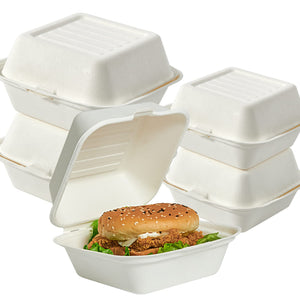
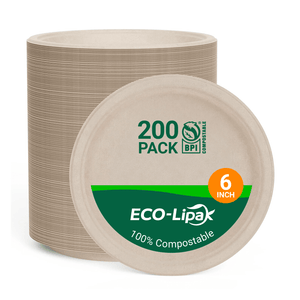
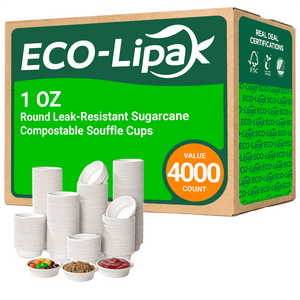
Plant-based materials are a leading suitable replacement for styrofoam. One of the most promising is sugarcane bagasse. This material is the fibrous pulp left over after juice is extracted from sugarcane. Instead of becoming waste, it becomes a valuable resource for compostable food service packaging.

Brands like Ecolipak provide practical solutions using this technology. They show that going green does not mean sacrificing quality. A perfect alternative to foam takeout containers is the 8 inch Compostable Sugarcane 3 Compartment To Go Boxes. These containers are made from 100% compostable sugarcane. They are sturdy, leakproof, and microwave-safe. Customer stories confirm that users find Ecolipak products to be high-quality and durable. This proves that eco-friendly choices can meet high performance standards, unlike flimsy styrofoam containers.

The benefits of bagasse over polystyrene are clear.

Aspect

Bagasse

Polystyrene (Plastic)

Biodegradability

60–90 days

Centuries

Source Material

Renewable (sugarcane byproduct)

Fossil fuels

Greenhouse Gas Emissions

Low during production

High during production

End-of-Life Options

Composting (home/industrial)

Persists in environment

These products are not just eco-friendly; they are certified. They meet strict standards for compostability, ensuring they break down safely.

  • ASTM D6400: The United States standard for compostable packaging.

  • EN 13432: The European standard for compostable packaging.

The market for these biodegradable alternatives is growing fast. Projections show the market size for sugarcane bagasse packaging will expand significantly, with a compound annual growth rate (CAGR) of 6.89% between 2025 and 2035. This growth signals a major industry shift away from harmful materials like styrofoam.

The Power of Reusable Containers

Another powerful strategy is to embrace reusable containers. This approach tackles the root of the single-use problem. Instead of throwing away a container after one meal, people can use it again and again. Programs at universities and in cities show this model works. For example, SUNY ESF's reusable container program aims to eliminate single-use plastics on campus.

Studies confirm the benefits of reusable systems. A study in Seoul, South Korea, analyzed a reusable container program for food delivery. It found that the system became better for the environment than single-use options after just 4.6 uses. It became cheaper after an average of 24 uses. This proves that reusables are a viable solution for reducing waste from items like foam cups.

Several companies are making reusable systems easy and accessible.

  • DeliverZero: This service works with restaurants in New York and Colorado. Customers can opt for reusable containers through delivery apps. The company boasts a 98% container return rate.

  • Forever Ware: Operating in multiple markets, this platform lets users "check out" containers like library books. They claim to reduce a restaurant's packaging costs by 80%.

  • Go Blue Box: A program at the University of Michigan launched in 2012. It diverted nearly 5,000 containers from landfills in just nine months.

These services show that with smart logistics, communities can drastically cut down on single-use waste from foam cups and containers.

Innovations in Sustainable Packaging

The search for better biodegradable materials continues to yield exciting results. Scientists and companies are developing next-generation alternatives to replace polystyrene foam for good. These innovations focus on using natural, biodegradable, and non-toxic sources.

Researchers at NC State's Department of Forest Biomaterials are creating a new packaging material from natural fibers. It is fully recyclable and biodegradable, designed to replace plastic foam in packaging and insulation.

Other groundbreaking materials are also emerging:

  • Cruz Foam: This company creates a certified compostable foam from naturally sourced biopolymers.

  • Mycelium Packaging: Mushroom roots (mycelium) are used to grow packaging that is home-compostable. It breaks down in about 45 days. Companies like Dell and IKEA already use this technology.

  • Seaweed Packaging: Brands like Notpla are making edible and biodegradable packaging from seaweed. This material is even carbon-negative.

Scientists at the Woods Hole Oceanographic Institution (WHOI) have also developed a new version of cellulose diacetate (CDA) foam. Derived from wood pulp, this material degrades in seawater faster than paper, making it a fantastic option for replacing single-use foam cups. These advanced biodegradable materials are paving the way for a future where packaging works with nature, not against it.

How You Can Drive the Change by 2025

Individual actions and collective efforts can create a foam-free future. People have the power to influence markets and policies. This change starts with daily choices and grows into a powerful movement.

Make an Impact With Consumer Choices

Consumer purchasing power is a strong tool for change. Younger generations like Millennials and Gen Z are leading this shift. They actively research a company's sustainability profile before buying. Data shows 90% of consumers are more likely to buy from brands using sustainable packaging. People can vote with their wallets. Choosing products with eco-friendly packaging sends a clear message to companies. This pressure encourages businesses to abandon materials that create long-term waste. When consumers demand better options, the market responds.

Support Local and National Foam Bans

Public support for policy change is critical. Grassroots campaigns have a history of success. In the late 1980s, the 'McToxics Campaign' led McDonald's to stop using most of its styrofoam packaging. More recently, social media campaigns like #ISupportBanPlasticsKE in Kenya led to a national ban on single-use plastic bags. Supporting organizations like the 5 Gyres Institute, which advocate for new laws, helps protect the environment. When communities speak up, lawmakers listen. This collective action helps eliminate harmful items like foam cups from circulation.

Encourage Businesses to Go Foam-Free

People can encourage local businesses to make the switch. Adopting eco-friendly practices offers companies significant benefits. It boosts their brand image and builds customer loyalty. Studies show that about a third of consumers will pay more for sustainable products. Companies like Patagonia built a loyal following through their commitment to green practices. Switching from single-use foam products reduces a business's carbon footprint and overall waste. Encouraging a local cafe to stop using foam cups is a small step with a big impact.

Polystyrene foam's convenience creates severe, long-lasting problems for the environment and human health. A foam-free future by 2025 is an achievable goal. Excellent alternatives from brands like Ecolipak make this transition possible. People can drive this change with their actions.

Individuals should choose foam-free products, support businesses that make the switch, and advocate for stronger environmental policies in their communities.

FAQ

Why is polystyrene foam so bad for the environment?

Polystyrene foam does not biodegrade and can last for over 500 years in landfills. It breaks into tiny microplastics that pollute oceans and harm wildlife. Its production also uses toxic chemicals, creating significant industrial waste.

What are sugarcane bagasse containers?

Sugarcane bagasse containers are eco-friendly alternatives to foam. They use the fibrous pulp left after sugarcane processing. Brands like Ecolipak make sturdy, compostable, and microwave-safe products from this material, reducing landfill waste.

What is the significance of the year 2025?

The year 2025 marks a key moment when many state and city-level foam bans take full effect. This deadline pushes businesses and consumers to adopt sustainable alternatives, accelerating the shift away from single-use plastics.

How can one person help reduce foam pollution?

Individuals can make a big impact. People can choose businesses that use eco-friendly packaging. They can also support local foam bans and encourage others to switch to reusable or compostable options for their daily needs.


0 comments

Leave a comment