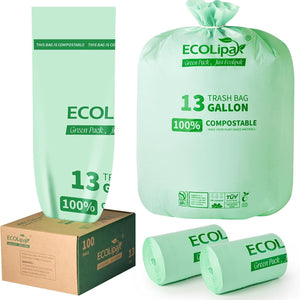
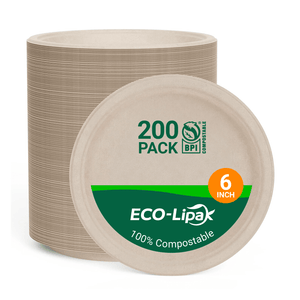
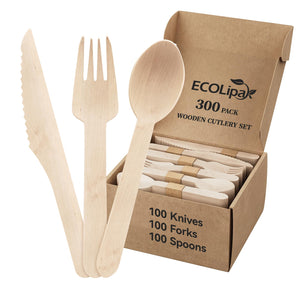
Are compostable bags the new kitchen standard? The answer is a confident yes. Today’s high-performance bags offer a simple, guilt-free upgrade for any modern kitchen. Brands like Ecolipak create compostable trash bags that are strong, leak-proof, and completely reliable for daily use.
This simple switch reduces your plastic waste. You can support a healthier planet without sacrificing convenience or quality. This guide will help you make a real environmental impact, one bag at a time.
Key Takeaways
Compostable bags help the planet. They reduce plastic waste and pollution.
These bags are strong. They hold kitchen trash without leaks or tears.
Compostable bags turn food scraps into good soil. This helps plants grow.
Look for certifications like BPI or OK Compost. These show the bags are truly compostable.
Put compostable bags in special composting places. Do not put them in recycling.
Why Switch From Plastic?
Making the switch from plastic is one of the most impactful changes you can make in your kitchen. Understanding the "why" behind this choice makes it even more powerful. Traditional plastic bags come with a steep environmental price tag, while the alternative offers a path to a healthier planet.
The Environmental Cost of Plastic Bags
Plastic bags create pollution from the moment they are made. Their production uses fossil fuels and releases greenhouse gases. Once discarded, their negative impact continues for centuries. As they break down, they create tiny particles called microplastics that pollute our oceans and soil.
Plastics can release harmful chemicals as they age.
They contaminate ecosystems and harm wildlife. Nearly every seabird on Earth is believed to have consumed plastic.
In landfills, they contribute to the release of methane, a potent greenhouse gas.
This cycle of pollution damages marine ecosystems, harms animals, and ultimately affects human health.
The Eco-Friendly Alternative
The good news is that there is a better way. Modern compostable bags are made from 100% plant-based materials. Instead of fossil fuels, their core ingredients come from renewable resources.
These bags are often made from bioplastics like Polylactic Acid (PLA), which is derived from plant sources such as corn and sugarcane. This means they are designed to return to the earth, not pollute it.
This simple material difference is the key. It allows us to manage kitchen waste without creating a legacy of plastic pollution.
Supporting a Healthier Planet
Choosing compostable products helps build a circular system where waste becomes a resource. When food scraps and compostable packaging are sent to a composting facility, they break down with oxygen. This aerobic process avoids the creation of methane gas that occurs in landfills.
Instead of becoming a pollutant, your kitchen waste transforms into nutrient-rich compost. This compost can be used to enrich soil for farming and gardening, reducing the need for chemical fertilizers. By using compostable bags, you are not just throwing something away; you are contributing to a cycle that regenerates the earth and supports a healthier environment for everyone.
The Practical Power of Compostable Bags
Many people worry that "compostable" means weak, flimsy, or messy. That might have been true years ago, but modern compostable bags are engineered for performance. They offer a practical and powerful alternative to plastic, combining strength with serious environmental benefits.
Strength and Leak-Proof Performance
The first question on everyone's mind is: will it hold up? Today's high-quality compostable bags are designed to handle the demands of a busy kitchen. Brands like Ecolipak have perfected their design to be both strong and reliable.
These bags feature a heavy-duty, tear-resistant construction. You can fill them with heavy food scraps, coffee grounds, and other kitchen waste without worrying about rips or punctures. They are also proven to be leak-proof. Bags undergo simple but effective tests to ensure they won't create a mess.
A standard test for leak-proof performance involves these steps:
Fill the bag with water to about half its capacity.
Let the bag sit for at least 10 minutes.
Check for any drips or leaks from the bottom or seams.
Ecolipak bags pass these tests with ease, giving you confidence in their performance. They are made from plant-based PLA and are BPA-free, so you can trust they are safe for your home. The material also has a unique microporous structure that helps control odors by allowing moisture to evaporate, keeping your kitchen smelling fresh.
Reducing Landfill and Microplastic Waste
Choosing compostable bags directly reduces the amount of plastic heading to our landfills. Unlike traditional plastic bags that can last for centuries, these bags are designed to break down completely under the right conditions.
When a compostable bag ends up in an industrial composting facility, it decomposes and returns to the earth. In a landfill, it's a different story. The lack of oxygen and proper conditions means even a compostable bag cannot break down as intended.
This table shows why proper disposal is so important:
Feature |
Industrial Composting Facility |
Landfill Environment |
|---|---|---|
Oxygen Levels |
Consistent oxygen is present (aerobic). |
Very little or no oxygen is available (anaerobic). |
Temperature |
High, controlled heat speeds up breakdown. |
Temperatures are much cooler. |
Moisture Levels |
Moisture is kept at optimal levels. |
Moisture levels are inconsistent. |
Decomposition Time |
Breaks down in a few months (90-180 days). |
Can take many years, or may not break down at all. |
Outcome |
Becomes healthy compost. |
Fails to decompose and can release methane. |
By using and correctly disposing of compostable bags, you prevent plastic from entering the environment and creating harmful microplastics.
Turning Kitchen Scraps into Rich Compost
The true magic of using compostable bags happens when they help turn your kitchen scraps into a valuable resource. When you fill your bag with fruit peels, vegetable ends, and eggshells and send it to a composting facility, you are participating in a regenerative cycle.
This process creates compost, a dark, earthy material that works wonders for soil. Adding compost to a garden or farm does several amazing things:
Improves Soil Structure: Compost helps bind sandy soils together and loosen dense clay soils. This creates small clumps and channels, allowing air and water to move freely. Plant roots can grow deeper and stronger in this loose, crumbly soil.
Enhances Water Retention: The organic matter in compost acts like a sponge. It helps the soil absorb and hold more water, which means you don't have to water as often. This protects plants during dry spells.
Adds Nutrients: Compost is full of beneficial microorganisms that break down organic matter into nutrients that plants can easily absorb. This leads to healthier, more disease-resistant plants without the need for chemical fertilizers.
Many communities now support this process. For example, the municipal composting program in Glen Ellyn, Illinois, provides residents with biodegradable bags for their food scraps, showing how easily this change can be adopted on a larger scale. Your choice in the kitchen contributes directly to creating healthier soil and a greener planet.
Making the Ecolipak Switch: A Simple Guide
Switching to compostable bags is easy. A little knowledge helps you make the most of this eco-friendly choice. This simple guide gives you the confidence to choose, use, and dispose of your bags correctly.
Decoding Certifications
Not all "green" bags are created equal. Certifications from trusted third parties are your guarantee that a product meets scientific standards for compostability. They separate genuinely compostable products from those with misleading claims.
Look for these key certifications:
BPI Certified: This is the leading North American standard. It verifies that a product will break down safely in an industrial composting facility, based on ASTM D6400 standards. It ensures the material biodegrades, disintegrates, and leaves no toxic residue.
OK Compost: This is a European standard from TÜV AUSTRIA. It has two main levels: Industrial for commercial facilities and home for backyard compost piles, which operate at lower temperatures.
Ecolipak bags are BPI Certified and meet OK Compost standards. This means you can dispose of them with complete confidence, knowing they are designed to return to the earth.
Proper Disposal for Maximum Benefit
Using a compostable bag is only half the story. Proper disposal ensures it breaks down and completes its environmental mission.
Use a Commercial Composting Service: This is the best option. Industrial facilities have the perfect mix of heat, moisture, and oxygen to break down bags quickly. Check your city’s website or use an online tool to find a local facility.
Check for Home Composting: Only put bags in your backyard compost if they are explicitly certified as "OK compost HOME."
Keep Them Out of Recycling: This is the most important rule.
Compostable bags are not recyclable. Placing them in a recycling bin contaminates the plastic recycling stream, creating expensive problems for facilities. When in doubt, throw it in the trash, not the recycling.
Cost vs. Environmental Value
Compostable bags can sometimes cost a little more than traditional plastic ones. Think of this price not as a cost, but as a valuable investment in a healthier planet. Each purchase supports a circular economy and reduces long-term environmental cleanup expenses.
By choosing Ecolipak, you are investing in a brand committed to protecting green spaces. You get a high-performance product that handles daily kitchen messes while aligning with your values. It’s a simple way to enjoy guilt-free convenience and contribute to a sustainable future.
High-performing compostable bags are the new kitchen standard, offering a practical way to eliminate plastic guilt. They provide a simple, effective solution for modern households.
The key takeaways are clear:
Strong: They handle daily kitchen waste without rips or leaks.
Eco-Friendly: They reduce plastic pollution and support a healthier planet.
Easy to Use: With proper disposal, they complete their environmental mission.
Join the growing movement toward sustainable living. With a majority of consumers now making sustainability-based purchases, your choice has power. Make the switch to a trusted brand that delivers performance and peace of mind. Green Pack, Go for ECOLipak.
FAQ
Do compostable bags feel different from plastic?
Yes, they do. Compostable bags like Ecolipak's have a silky, velvety feel. This refined texture is much quieter than crinkly plastic. It offers a more pleasant experience when you handle your kitchen chores. The bags also look great, complementing a modern kitchen aesthetic.
Are compostable bags strong enough for heavy kitchen trash?
Absolutely. High-quality compostable bags are designed for durability. Ecolipak bags feature a heavy-duty, tear-resistant design. They can easily handle heavy food scraps, liquids, and other daily waste without leaks or rips. You get reliable performance and peace of mind.
How long do these bags take to decompose? ⏱️
Ecolipak bags decompose in about 3-6 months in an industrial composting facility. These facilities provide the perfect conditions for a quick breakdown. This process turns your waste back into healthy soil, creating a true zero-waste cycle for your kitchen.
Do the bags have a strange smell?
Ecolipak bags are made from natural, plant-based PLA. They have a faint, corn-like scent instead of a chemical odor. The material is also breathable, which helps control bad trash smells by allowing moisture to evaporate. This keeps your kitchen smelling fresh.