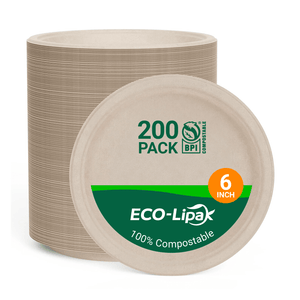
The top eco-friendly shift for any restaurant in 2025 is switching to bagasse tableware. This change is a smart business decision. It enhances brand image and meets growing customer demand for sustainability. Moving away from plastic packaging creates a positive impact on the environment. This guide details a smooth review journey from plastic to eco-friendly sustainable packaging, showing how to boost your restaurant's commitment to sustainability with better packaging choices like palm leaf plates. This transition inspires customers and improves your bottom line.
Key Takeaways
-
Switching to bagasse tableware helps restaurants save money and attract more customers.
-
Bagasse products are strong and can handle hot, oily, or saucy foods without leaking.
-
Restaurants can follow a four-step plan to easily switch from plastic to eco-friendly packaging.
-
Marketing your restaurant's eco-friendly choices builds customer loyalty and attracts new diners.
Why Bagasse is the Top Choice for 2025
Choosing bagasse is more than an environmental decision; it is a strategic business move. This section of your review journey explores why bagasse stands out as the leading choice for sustainable packaging. It offers a clear path to operational excellence and powerful marketing advantages. The switch to eco-friendly alternatives like bagasse can redefine a restaurant's success in the modern market.
The Business Case for Sustainability
Adopting sustainable practices is a direct investment in a restaurant's financial health. The numbers speak for themselves. Research shows that for every dollar a restaurant invests in reducing food waste, it can save up to seven dollars in operational costs. This highlights the significant impact of sustainability efforts on the bottom line. Customers are also driving this change. Younger consumers are willing to spend about 20 percent more for meals they know are sustainable.
This shift toward sustainability opens up multiple avenues for savings and profit:
-
Lower Waste Costs: Implementing effective waste management and using compostable packaging reduces landfill fees. Some cities even offer rebates for composting programs.
-
Attracts Loyal Customers: A NielsenIQ study found that 73% of global consumers would change their habits to reduce their environmental impact. Aligning with these values builds a loyal customer base.
-
Boosts Profit Margins: Offering plant-based menu options, a key part of many sustainable practices, taps into a growing $8.1 billion industry and can increase profitability.
Making the switch is an investment in a future where profit and planet go hand in hand. It positions a restaurant as a forward-thinking leader.
Operational Wins: Durability and Versatility
A common concern with eco-friendly packaging is performance. Restaurant owners need containers that work. Bagasse products, like Ecolipak's Compostable Sugarcane Plates, eliminate these worries. They offer superior durability and versatility that often outperform traditional plastic.
Did You Know? Bagasse tableware is built for the demands of a professional kitchen. Its dense, fibrous structure provides exceptional strength that resists bending and tearing, unlike flimsy paper plates.
This makes bagasse a reliable choice for any dish. Here is how it improves daily operations:
-
Leak-Resistant Performance: Bagasse containers are naturally resistant to grease and moisture. They hold hot, oily, or saucy foods without becoming soggy or weak. This means no more customer complaints about leaky plastic or paper packaging.
-
Impressive Temperature Tolerance: These eco-friendly alternatives are both microwave and freezer safe. Bagasse plates can handle microwave temperatures up to 220°F (104°C) and remain structurally sound in freezing conditions, making them perfect for storing or reheating meals.
-
Versatile and Reusable: The sturdiness of bagasse makes it a fantastic reusable option for customers at home. This extends the value beyond a single use, unlike most single-use products. These reusable qualities make them a top choice for sustainable food service packaging.
This level of performance ensures a smooth transition away from plastic without sacrificing quality. It is a practical upgrade for any restaurant.
Marketing Gold: Attracting Modern Customers
Switching to bagasse is a powerful marketing story. Today's customers actively seek brands that share their values. Using sustainable packaging is a visible signal that a restaurant cares about the environment and its community. This commitment helps reduce plastic waste and builds a positive brand image.
Brands that embrace sustainability see incredible results. For example, Ecolipak sold over 59 million eco-friendly products in 2024, proving the immense demand for non-plastic options. Your restaurant can tap into this movement. Highlighting your use of compostable and biodegradable restaurant supplies connects with customers on a deeper level.
Consider the success of Shake Shack's 'Stand for Something Good' campaign. They showcased their use of compostable packaging and inspired customers. Your restaurant can do the same by:
-
Sharing your switch to environmentally friendly packaging materials on social media.
-
Educating customers about the benefits of compostable containers.
-
Celebrating your efforts to reduce plastic waste and promote a healthier planet.
This transparent approach turns your sustainable practices into a compelling brand narrative. It attracts new customers and strengthens loyalty with existing ones, creating a win for your business and the environment. This is how you transform a simple packaging choice into a story of positive impact.
Your 4-Step Transition Plan
Making the switch to bagasse is an inspiring journey. It transforms a restaurant's operations and brand story. This simple, four-step plan provides a clear roadmap for a successful transition. It helps any restaurant move away from harmful plastic and embrace a profitable, sustainable future. This is the most important part of the review journey.
Step 1: Auditing Your Current Sustainable Packaging
The first step is to understand the current situation. A thorough audit reveals every piece of packaging a restaurant uses. This process identifies all sources of waste, from takeout containers to cutlery. It shines a light on the dependence on single-use products made from plastic.
Take a Closer Look: Walk through your storage areas and service lines. Create a list of every disposable item. Note its material (e.g., plastic, styrofoam, paper) and its purpose. This simple action creates a powerful visual of your restaurant's environmental footprint.
This audit provides the baseline. It shows exactly where the opportunities for improvement are. Knowing the volume and type of waste is essential for making smart choices about new sustainable packaging. It is the starting point for building better sustainable practices.
Step 2: Vetting Eco-Friendly Alternatives
Once a restaurant knows what it needs to replace, the search for eco-friendly alternatives begins. This step is about finding the right partners and products. It is not just about choosing a different container; it is about choosing a better system. When comparing suppliers for your packaging, look for key qualities:
-
Eco-Conscious Practices: A great partner lives and breathes sustainability. They should provide certifications for their materials and follow high environmental standards.
-
Reliability and Flexibility: The supplier must deliver consistent quality on time. They need a solid plan for busy seasons to prevent disruptions.
-
Total Cost Evaluation: Look beyond the price per unit. Consider shipping, storage, and labor costs. High-quality packaging reduces waste from damage, saving money in the long run.
-
Operational Fit: The new packaging must work with the kitchen's current workflow. Staff should be able to pack orders quickly and efficiently.
With a good partner, a restaurant can explore different materials. Bagasse is a top choice, but it helps to see how it compares to other eco-friendly options.
|
Material |
Heat Resistance (°C) |
Oil/Water Barrier |
Cost Range |
|---|---|---|---|
|
Bagasse |
100–120 |
Medium–High |
Medium |
While some eco-friendly alternatives like PLA can be about 28% more expensive than traditional PET plastic, bagasse offers a fantastic balance of performance and price. To ensure products are genuinely eco-friendly, restaurants should look for official certifications. These labels confirm that the packaging meets strict standards for safety and compostability.
|
Certification |
Purpose/Description |
|---|---|
|
BPI |
Certifies products for industrial composting in the U.S. |
|
TUV Austria |
Verifies materials for both home and industrial composting. |
|
FSC |
Ensures paper and wood products come from responsibly managed forests. |
Choosing certified sustainable food service packaging, including reusable options, guarantees a restaurant is making a truly positive impact. This step is critical for building authentic sustainable practices.
Step 3: Rolling Out the Change with Staff
A restaurant's team is its greatest asset in this transition. A smooth rollout depends on their buy-in and understanding. Leaders should host a team meeting to explain the "why" behind the switch. They can share the negative impacts of plastic waste and the positive benefits of the new eco-friendly packaging.
Empower Your Team: Train staff on how to use the new containers. Explain their features, like being microwave-safe or extra sturdy. When the team is confident, they can share that excitement with customers.
Staff members are on the front lines. They can explain to customers why the new packaging looks and feels different. They can talk about how the restaurant is reducing waste. This turns every employee into a champion for the brand's new sustainable practices. This is also a great time to introduce policies around reusable restaurant products to further reduce reliance on single-use products. These reusable items are a key part of modern sustainable practices.
Step 4: Marketing Your Green Commitment
After making the change, it is time to share the good news. Customers love supporting businesses that care. Marketing this eco-friendly shift builds loyalty and attracts new diners. Transparency is key. A restaurant should be proud of its efforts to reduce plastic waste.
There are many creative ways to promote eco-friendly tableware and packaging:
-
Use Eco-Friendly Signage: Announce the new sustainable packaging on menus made from wooden boards or recycled materials. This visually reinforces the commitment to sustainability.
-
Share Your Story Online: Post on social media about the switch. Explain the benefits of bagasse and the move away from plastic. Customers connect with brands that are open about their sustainable practices.
-
Engage with Local Media: Contact local newspapers or TV stations. A story about a local restaurant reducing waste is a positive piece for the community. This engagement often leads to media attention that amplifies the message far beyond paid ads.
By clearly communicating these environmental initiatives, a restaurant aligns its brand with the growing values of its customers. It is not just about selling food; it is about building a community around shared principles. This makes the restaurant more than just a place to eat—it becomes a partner in creating a better world.
A Restaurant's Review Journey to Bagasse
Many restaurants want to adopt sustainable practices but worry about performance and cost. One restaurant's review journey shows how a switch to eco-friendly alternatives can lead to incredible success. This story provides an inspiring roadmap for leaving plastic behind.
The Challenge with Plastic Packaging
The restaurant faced a common problem. Its plastic takeout containers created significant waste and frustrated customers. Diners complained about an unpleasant plastic smell that ruined their meals. The flimsy plastic packaging often became soggy or warped with hot food, leading to leaks and a poor dining experience. These issues with single-use products damaged the restaurant's reputation. The team needed a new solution to reduce plastic waste and deliver a better product. They wanted sustainable packaging that was both reliable and eco-friendly.
The Solution: Switching to Ecolipak
The restaurant discovered Ecolipak and its line of compostable paper takeout containers. They chose to implement Ecolipak's Compostable Sugarcane Plates as their new sustainable food service packaging. This decision transformed their operations. The plates offered amazing features that solved their previous challenges.
-
Sturdy and Leak-Proof: The bagasse material was strong enough for any dish, preventing the sogginess and spills common with plastic.
-
Clean and Natural: The eco-friendly containers had no chemical smells, preserving the food's natural taste.
-
Truly Sustainable: The plates are fully compostable and biodegradable, helping the restaurant reduce its environmental impact and waste.
These reusable plates were a perfect fit. The switch to this superior packaging was a key step in their new sustainable practices.
The Results: Wins in Cost & Customer Feedback
The results of this review journey were outstanding. The restaurant saw a 15% increase in positive customer feedback after making the switch. Customers loved the new eco-friendly packaging and praised the restaurant's commitment to sustainability. This improved brand loyalty and attracted new diners who valued sustainable practices.
While the initial cost of the compostable containers was slightly higher than plastic, the restaurant found savings elsewhere. Lower waste disposal fees and the elimination of regulatory risks associated with plastic made the change financially smart. The positive impact on customer retention and brand image delivered a return far greater than the initial investment. The restaurant successfully proved that adopting reusable and biodegradable eco-friendly alternatives is a winning strategy for both the planet and profits.
Adopting bagasse packaging is a forward-thinking strategy for any restaurant in 2025. This shift away from plastic creates a positive impact, improves operations, and builds loyalty with customers. It is a clear step toward embracing a greener future for the environment and your business.
Experts predict a greater emphasis on sustainability for 2026, making this change more critical than ever.
Start your transition with a trusted partner. Choose better packaging and inspire your customers. Green Pack, Go for ECOLipak.
FAQ
What exactly is bagasse?
Bagasse is the dry, fibrous pulp left over after sugarcane stalks are crushed to extract their juice. This natural byproduct creates strong, compostable, and eco-friendly tableware. It is a fantastic alternative to plastic. ♻️
Is switching to bagasse expensive for a restaurant?
The initial cost can be slightly higher than plastic. However, restaurants often find long-term savings. Reduced waste fees and increased customer loyalty make bagasse a profitable investment for a modern business.
Can bagasse plates handle hot or greasy food?
Absolutely! Bagasse products are incredibly sturdy. Brands like Ecolipak design their plates to be leak-resistant and durable. They hold hot, oily, or saucy dishes without getting soggy or weak, ensuring a great customer experience. 👍
How does this change attract more customers?
Modern diners actively support sustainable businesses. Using eco-friendly packaging shows a restaurant cares about the planet. This commitment builds a positive brand image. It attracts new customers and creates strong loyalty with existing ones.