Welcome to your plant-based journey! You join 68% of people globally who want more plant-based foods. This post provides a simple 30-day plant-based meal plan. Sticking to a new diet is tough; only 20% of people succeed past one month. Our healthy meal plan for beginners makes it easy. You will use simple ingredients for delicious meals. This plant-based meal plan helps you build great habits. Consider using palm leaf plates for easy portion control.
Key Takeaways
A plant-based diet focuses on whole foods from plants. It includes vegetables, fruits, grains, legumes, nuts, and seeds.
Start your plant-based journey with simple meals. Use familiar ingredients and build good cooking habits over 30 days.
Meal prepping helps you stay on track. Prepare food ahead of time to save time and make healthy choices easier.
You can get enough protein from plants. Eat a variety of foods like beans, lentils, tofu, and quinoa.
A plant-based diet can be affordable. Focus on budget-friendly items like dried beans, rice, and seasonal produce.
What is a Plant-Based Diet?
You might hear the terms "plant-based" and "vegan" used together. They are similar but have key differences. A vegan diet excludes all animal products for ethical, environmental, or health reasons. A plant-based diet, however, focuses on your food choices. It prioritizes eating whole foods that come from plants.
Defining Plant-Based Eating
A plant-based diet centers on foods in their most natural form. Think of it as eating a colorful variety of vegetables, fruits, and whole grains. You will also eat legumes like beans and lentils, plus nuts and seeds. This approach, often called a whole-food plant-based diet, limits or avoids animal products like meat and dairy. The main goal is to eat minimally processed foods. This way, you get the most nutrients from what you eat.
Key Food Groups to Embrace
Building your meals is simple on a plant-based diet. You should fill your plate with these amazing food groups. They provide the energy and nutrients your body needs.
Fruits: Apples, berries, bananas, oranges
Vegetables: Leafy greens, broccoli, bell peppers, carrots
Whole Grains: Oats, quinoa, brown rice, whole-wheat bread
Legumes: Lentils, chickpeas, black beans, peas
Nuts and Seeds: Almonds, walnuts, chia seeds, flaxseeds
Foods to Limit or Avoid
A healthy plant-based journey means knowing what to leave on the shelf. You should limit highly processed foods, even if they are plant-based. Many plant-based burgers and deli meats contain high levels of sodium and saturated fat.
Dr. Arsalan Sheikh, a medical director, gives great advice. He says you should "avoid foods with long lists of ingredients, especially ingredients you don’t recognize."
Instead of buying processed meals, you can prepare simple plant-based foods at home. This helps you control what goes into your body and supports your health goals.
A Simple Meal Plan for Beginners
Success with a new eating plan starts with good preparation. This simple meal plan for beginners helps you build a strong foundation. You will learn what to stock in your kitchen and how to make your transition smooth.
Essential Plant-Based Pantry Staples
You can build a great plant-based pantry without buying everything at once. Start with foods you already enjoy, like pasta, rice, and peanut butter. Then, you can slowly add new items. A well-stocked pantry makes following your plant-based meal plan much easier.
Proteins: Stock up on canned beans (chickpeas, black beans), dried lentils, and firm tofu. Research from the Harvard School of Public Health shows you can get enough protein from a plant-based diet by eating a variety of sources throughout the day.
Grains: Keep brown rice, oats, and whole-wheat pasta on hand.
Flavor Boosters: Nutritional yeast, soy sauce, olive oil, garlic powder, and smoked paprika add delicious flavor to your meals.
Produce: Onions, carrots, sweet potatoes, and frozen vegetables like broccoli and peas are great staples.
Convenience Items: Plant milk, hummus, and your favorite crackers are perfect for quick snacks.
Kitchen Tools for Success
You do not need fancy gadgets to create amazing plant-based meals. A few basic tools will get you far. Investing in quality basics makes cooking more enjoyable.
A Good Knife: A sharp chef's knife handles most of your chopping needs.
Cutting Board: You need a sturdy surface for preparing vegetables.
Pots and Pans: A skillet, a small pot, and a large stockpot cover most recipes.
Baking Sheet: This is essential for roasting vegetables and baking.
Essential Basics: Make sure you have a can opener, measuring cups and spoons, mixing bowls, and a spatula.
Tips for a Smooth Transition
Changing your eating habits takes time. Be patient with yourself during your new plant-based journey. These tips can help you stay on track.
Use easy swaps to make your favorite dishes plant-based. For example, use mushroom broth instead of beef broth. Keep convenience foods like canned beans and frozen veggies ready for busy days. This helps you avoid unhealthy choices. Finally, try to reduce your exposure to old food triggers. The longer you follow a plant-based diet, the weaker those cravings become.
Your 30-Day Plant-Based Meal Plan
You are ready to begin your journey. This 30-day plant-based meal plan is your roadmap. It breaks down the month into four manageable weeks. Each week builds on the last, helping you gain confidence and create lasting habits. Let's get started!
Week 1: Foundational Plant-Based Meals
Your first week is all about building a strong foundation. You will focus on simple, satisfying meals. This approach helps you get comfortable with plant-based cooking without feeling overwhelmed. A great way to start is with a structured 7-day meal plan.
A beginner's plan often includes a variety of plant-based proteins, fruits, vegetables, and whole grains. The goal is to create a simple routine you can follow easily.
For this week, stick to familiar recipes. You can make oatmeal for breakfast, a big salad for lunch, and pasta with vegetables for dinner. The key is consistency. You are teaching your body and mind a new way of eating. Keep it simple and enjoyable.
Week 2: Exploring Flavorful Recipes
You have completed week one. Now, it is time to explore new flavors. A plant-based diet is anything but boring. You can use herbs and spices from around the world to make your meals exciting.
Italy is known for basil and oregano.
India uses wonderful spices like cardamom and turmeric.
Mexico offers bold flavors with chili and cilantro.
Thailand brings unique tastes with lemongrass and galangal.
You can try making a Vegan Thai Curry or a Cherry Tomato & Basil Pasta. Many of these flavorful recipes take less than 30 minutes to prepare. Another great way to add variety is with sauces. You can learn a few basic sauces and adapt them. For example, a simple tomato sauce can become a pizza base or a spicy pasta sauce. A Lemon Tahini dressing is perfect for salads, wraps, or grain bowls. This "Sauce System" makes your plant-based cooking flexible and fun.
Week 3: Gaining Meal Prep Confidence
Meal preparation is your secret weapon for success. It saves you time and helps you make healthy choices during a busy week. You can start with a simple system.
Plan Ahead: Decide what you will eat for the week.
Shop Smart: Buy all your ingredients in one trip.
Batch Cook: Dedicate a few hours on one day to cook for the week.
You can prepare large batches of grains like quinoa or brown rice. Cooking a big pot of lentil soup or black bean chili gives you ready-made lunches. You can also wash and chop vegetables to create a "salad bar" in your fridge. Storing your prepped food correctly is very important. Cooked food generally lasts about four days in the refrigerator.
Here is a simple guide for storing common plant-based foods:
Food Item |
Refrigerated (Unopened) |
Room Temp (Unopened) |
Freezer |
|---|---|---|---|
Apples |
3 weeks |
1 week |
N/A |
Blueberries |
1 week |
1 day |
1 year |
Broccoli |
1 week |
N/A |
8 months |
Cooked Beans |
5 days |
N/A |
8 months |
Cooked Rice |
6 days |
N/A |
6 months |
Dark Leafy Greens |
5-7 days |
N/A |
8 months |
Onions |
N/A |
2 months |
6 months |
Potatoes |
N/A |
3 weeks |
N/A |
Week 4: Making It a Lasting Habit
You have reached the final week of the 30 day challenge. This week is about turning your new habits into a long-term lifestyle. You may face challenges like a lack of time. The key is to have solutions ready.
Problem: You are too busy to cook.
Solution: Use your meal prep skills. Have quick 30-minute recipes on hand. Schedule your meals and workouts like important appointments.
Another challenge is staying consistent. You can overcome this by setting realistic goals. Do not try to be perfect. Find a friend or an online community for support. Tracking your progress in a journal can also keep you motivated. This plant-based meal plan is a guide, not a strict set of rules. Listen to your body and find what works for you. Proper food storage helps make your plant-based lifestyle sustainable. Freezing foods like berries, cooked beans, and leafy greens allows you to stock up and save time.
Continue exploring new plant-based recipes. Repeat your favorites. You have built a fantastic foundation for a healthier life.
Meal Prep with Ecolipak Plates
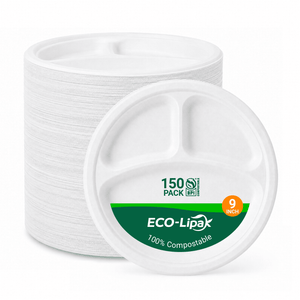
Meal prepping makes your 30 day meal plan much easier to follow. You can prepare your meals ahead of time for a stress-free week. Using the right tools can make this process even better. Ecolipak's Compostable Sugarcane 3 Compartment Potluck Plates are a perfect partner for your plant-based journey.
Portion Control Made Easy
Following a new eating plan requires attention to portion sizes. The three compartments in these plates help you build balanced meals effortlessly. You can visually organize your food.
Pro Tip: Use the large compartment for vegetables, one small compartment for your plant-based protein like lentils, and the other for whole grains like quinoa. This simple system supports your
plant-based meal plangoals.
This design takes the guesswork out of portioning. It helps you create satisfying and nutritious meals every time.
Sturdy Plates for Any Meal
Your delicious plant-based meals deserve a reliable plate. These plates are made from sturdy sugarcane bagasse. They hold up well against saucy dishes like curries or pasta without becoming soggy. You can also use them for both hot and cold foods.
Best of all, they offer incredible convenience for meal prep.
They are freezer-safe, so you can store your prepped meals for later in the week.
They are microwave-safe, allowing you to reheat your lunch quickly and easily.
This durability and versatility make them ideal for your busy lifestyle.
Eco-Friendly and Convenient
Choosing a plant-based diet is a great step for your health and the planet. You can extend that positive impact by choosing sustainable products. Ecolipak plates are 100% compostable. You make a healthy choice for your body and a responsible choice for the environment. When you are ready to make your meal prep greener and simpler, remember our slogan: Green Pack, Go for ECOLipak.
Week 1 Recipe Ideas
Welcome to your first week of delicious plant-based eating! These simple meal ideas will help you build a strong foundation. You will focus on easy-to-prepare, satisfying dishes that make your transition smooth and enjoyable.
Breakfasts: Oatmeal and Smoothies
You can start your day with a warm bowl of oatmeal. Just cook rolled oats with water or plant milk. Then, you can top it with fresh berries, sliced bananas, or a sprinkle of chia seeds for extra nutrients. Smoothies are another quick and fantastic option. Blend your favorite fruits like strawberries and mango with a handful of spinach and some plant milk for a nutrient-packed breakfast on the go.
Lunches: Lentil Soup and Chickpea Salad
For lunch, you can enjoy hearty and simple meals. A classic chickpea salad sandwich is a perfect choice. It is one of many easy vegan recipes you can try.
First, wash and finely chop your vegetables, like celery and carrots.
Next, lightly mash one cup of canned chickpeas with a fork.
Combine the mashed chickpeas with the veggies, vegan mayo, and seasonings.
Finally, spread the mixture on whole-grain bread with a leaf of lettuce.
This creates a filling and delicious midday meal that you can prepare in minutes.
Dinners: Black Bean Burgers and Veggie Pasta
Dinner is a great time to try simple but flavorful recipes. You can make your own black bean burgers. Mash black beans with onion, garlic, and spices. Form the mixture into patties and cook them in a skillet for about 4-5 minutes per side until crisp. For a fully vegan burger, you can use a flax egg instead of a regular egg. Another easy dinner is veggie pasta. Sauté your favorite vegetables like bell peppers and broccoli in a simple tomato sauce. Then, toss the sauce with whole-wheat pasta for a comforting plant-based meal.
Week 2 Recipe Ideas
You did a great job in week one! Now you can add more variety to your meals. This week, you will explore new textures and flavors. These ideas will keep your plant-based journey exciting and delicious.
Breakfasts: Tofu Scramble and Chia Pudding
You can swap your oatmeal for a savory tofu scramble. This dish looks and feels like scrambled eggs. It is one of the easiest vegan recipes to master.
First, crumble a block of firm tofu with your hands.
Next, heat some oil in a pan and cook chopped onion and garlic.
Add the crumbled tofu along with spices like turmeric, paprika, and nutritional yeast.
Cook everything for a few minutes until the tofu is heated through and slightly browned. You can also add spinach at the end.
For another simple option, you can prepare chia pudding the night before. Just mix chia seeds with plant milk and a sweetener. It will be ready for you in the morning.
Lunches: Quinoa Bowls and Leftovers
Quinoa bowls are perfect for a customizable and filling lunch. You can build your bowl with different themes. Try a Mediterranean bowl with cucumbers and feta or a Fajita bowl with black beans and peppers. The basic formula is simple:
Start with a base of cooked quinoa. Add a protein like chickpeas, some roasted vegetables, and a handful of fresh greens. Finish it with a tasty dressing like tahini or a light vinaigrette.
Don't forget about leftovers! Your dinner from the night before makes a quick and easy lunch the next day.
Dinners: Sheet Pan Fajitas and Coconut Curry
Dinner is a great time to try fun, flavorful meals. You can make easy sheet pan fajitas. Just slice bell peppers and onions and toss them on a baking sheet with spices like cumin and chili powder. Roast them at a high heat (425°F) until the veggies are tender and slightly charred. You can add black beans or chickpeas for extra protein. Serve everything with warm tortillas and your favorite toppings. A creamy coconut curry is another wonderful dinner. Sauté vegetables, add coconut milk and curry paste, and let it simmer until everything is cooked.
Week 3 Recipe Ideas
You are doing an amazing job on your plant-based journey! In week three, you will build your cooking confidence with some truly satisfying recipes. These meals are perfect for making your new habits stick.
Breakfasts: Whole-Wheat Pancakes and Parfaits
You can treat yourself to fluffy whole-wheat pancakes this week. You will make a simple batter with whole-wheat flour, almond milk, and a flax egg. Cook them on a hot pan until golden brown. Top your pancakes with fresh berries and a little maple syrup for a delicious start to your day.
Another great option is a colorful yogurt parfait. You can create beautiful layers in a jar or glass.
Start with a layer of dairy-free yogurt. Add a layer of fresh fruit like berries or peaches. Then, add a layer of crunchy granola. Repeat these layers for a quick and healthy breakfast.
Lunches: Loaded Sweet Potatoes and Wraps
Lunches can be both easy and exciting. You can bake a sweet potato until it is soft and tender. Then, load it with delicious toppings.
BBQ chickpeas
Black beans
Caramelized onions
A drizzle of vegan ranch
Wraps are another fantastic choice for a quick meal. You can fill a whole-wheat tortilla with your favorite ingredients. Try adding cooked quinoa, baked tofu slices, fresh spinach, and avocado for a filling and nutritious lunch.
Dinners: Lentil Shepherd's Pie and Mushroom Stroganoff
Dinner is the perfect time for a comforting meal. You can make a hearty lentil shepherd's pie. The filling uses lentils and mushrooms to create a rich, savory base. You then top it with a creamy layer of mashed potatoes and bake it until golden. This dish is a wonderful example of classic comfort food made plant-based. For another creamy option, you can try a simple mushroom stroganoff served over pasta.
Week 4 Recipe Ideas
You have made it to the final week! This is where you turn your new skills into lasting habits. You will focus on repeating favorites and trying fun, customizable meals that make this lifestyle enjoyable for the long run.
Breakfasts: Repeat Your Favorites
This week, you can simplify your mornings. Think back on the past three weeks. Did you love the quick smoothies? Did the savory tofu scramble make you happy?
Choose the breakfast recipes you enjoyed the most and repeat them. Building a routine with a few go-to meals makes your mornings easy and stress-free. Consistency is key to forming a new habit.
Lunches: Big Batch Salads and Remixes
You can master your lunch prep with big batch salads. At the start of the week, prepare a large container of your favorite greens, chopped cucumbers, and bell peppers. Each day, you can create a new meal from this base.
Day 1: Add chickpeas and a lemon-tahini dressing.
Day 2: Mix in black beans, corn, and a salsa vinaigrette.
Day 3: Toss with baked tofu and your favorite dressing.
This "remix" strategy saves time and keeps your midday meal exciting.
Dinners: Hearty Veggie Chili and DIY Pizza
Dinner can be both comforting and fun. You can make a hearty veggie chili with beans, tomatoes, corn, and plenty of spices. It is a perfect one-pot meal that provides delicious leftovers. Another great idea is a DIY pizza night. You can use a whole-wheat crust or pita bread as your base. Let everyone in the family add their own toppings like mushrooms, onions, olives, and spinach. This makes your plant-based journey a fun, shared experience. These meals show how easy it is to enjoy classic comfort foods in a healthy plant-based way.
Congratulations on completing your 30 day challenge! You took a huge step for your health. This plant-based meal plan gave you a simple framework for every meal. Now, you can continue your journey. Listen to your body and explore new recipes. A long-term plant-based diet offers great benefits. Studies show it can lower your risk of heart disease and premature death. You have built a strong foundation with this 30 day challenge.
What was your favorite meal? Share your experience or questions in the comments below! 💬
FAQ
How do I get enough protein on a plant-based diet?
You can get plenty of protein from plants. You should eat a variety of sources like beans, lentils, tofu, and quinoa. Your body combines proteins from these foods throughout the day. This variety ensures you meet your daily protein needs easily.
Is a plant-based diet expensive?
A plant-based diet can be very affordable. You can focus on staple foods to save money.
Tip: Buy budget-friendly items like dried beans, lentils, rice, and seasonal produce. These foods are nutritious and cost-effective. Planning your meals also helps reduce waste and save money.
What should I do when eating out with friends?
You can easily eat out on a plant-based diet. Most restaurants offer plant-based options. You can check the menu online before you go. Do not be afraid to ask your server for simple modifications, like leaving off cheese or butter.
How do I handle cravings for non-plant-based foods?
Cravings are normal when you change your diet. You can find a plant-based version of the food you crave. For example, try a black bean burger or a veggie pizza. Your cravings will lessen over time as your taste buds adjust.