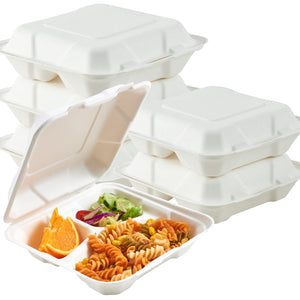
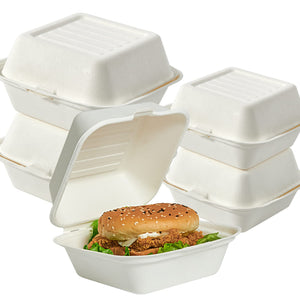
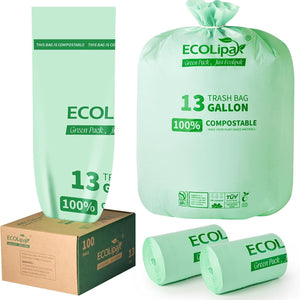
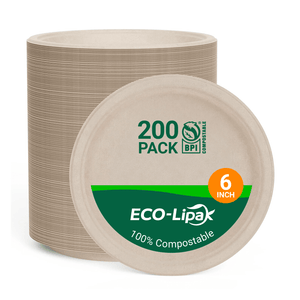
You want to see real results when it comes to Boosting Margins for your local business. Hyper-local supply chains make that possible. You save money by cutting down on long-distance shipping, trimming fuel use, and supporting your own community. Many businesses find that sustainability programs help reduce waste and energy bills, too. Compostable sugarcane to go boxes from Ecolipak show how an eco-friendly choice can fit right into your daily operations. When you use local resources and smart packaging, you set your business up for stronger profits and a greener future.
Key Takeaways
Build a hyper-local supply chain to save on shipping costs and support your community.
Use AI-powered tools to track sales and optimize your supply chain for better decision-making.
Switch to eco-friendly products like Ecolipak's compostable plates to reduce waste and attract eco-conscious customers.
Diversify your local supplier network to respond quickly to market changes and enhance your offerings.
Focus on optimizing last-mile delivery to cut costs and improve customer satisfaction.
Why Hyper-Local Supply Chains Matter
The Hyper-Local Sales Race
You see it everywhere—local businesses are jumping into the hyper-local sales race. Customers want fresh, local, and sustainable products. You can meet this demand by building a hyperlocal supply chain. This means you source goods from nearby farms or even grow ingredients on-site. Restaurants that do this often see bigger average check sizes because diners love knowing where their food comes from. You also get a chance to stand out in your community.
Tip: When you focus on hyperlocal sourcing, you cut down on transportation. This means fresher products and less pollution.
Here’s a quick look at why the hyper-local sales race gives you an edge:
Advantage |
Description |
|---|---|
Enhanced Targeting |
You can tailor your menu and marketing to local tastes. |
Effective Resource Allocation |
You spend your budget where it matters most—on your local audience. |
Competitive Advantage |
You build a strong reputation by offering something unique. |
Improved Customer Relationships |
You connect with customers who value local and sustainable choices. |
Real-Time Adaptability |
You can quickly adjust to what your customers want. |
Local Business Margin Challenges
Running a local business comes with its own set of challenges. Margins can get squeezed by rising shipping costs, delays, and outside factors like tariffs. Many small businesses have seen shipping costs jump by 25-30% in just a few years. That makes it tough to keep prices low and profits steady.
Local businesses often lose money just to cover shipping from faraway places.
Fuel costs and labor shortages make it even harder to protect your margins.
Challenge |
Description |
|---|---|
Increased Costs |
Small businesses struggle to absorb supply chain disruptions. |
Shipping Delays |
Late shipments mean empty shelves and unhappy customers. |
External Factors |
Tariffs and global issues add more pressure to your bottom line. |
If you switch to a hyperlocal model, you can avoid many of these problems. You keep more money in your community, create jobs, and build a business that can handle changes in the market. Hyperlocal supply chains help you stay strong, even when the world gets unpredictable.
Smart Tools for Boosting Margins
AI and Real-Time Dashboards
You want to see your business thrive. Smart tools like ai-powered dashboards help you track boosting margins in real time. These dashboards show you exactly where your sales stand and how your supply chain performs. You can spot trends, fix gaps, and make quick decisions. Ai lets you see what happened, what’s happening, and what you should do next.
Here’s a table showing how ai-driven dashboards break down key performance indicators for boosting margins:
Type of KPI |
Description |
Benefits |
|---|---|---|
Smart Descriptive KPIs |
Show historical and current data for sales and margins |
Help you understand performance gaps |
Smart Predictive KPIs |
Forecast future sales and margin trends |
Let you act early to boost efficiency |
Smart Prescriptive KPIs |
Recommend actions to optimize boosting margins |
Guide you to fix issues and improve sales |
You can use tools like Intuit QuickBooks for cash flow monitoring, Google Analytics 4 for tracking sales conversions, and Shopify to add e-commerce options. Ai helps you automate workflows, reduce errors, and boost efficiency. Custom dashboards let you see all your sales data in one place. You get real-time visibility, so you can adjust your supply chain and keep boosting margins.
Tip: Use ai to identify high-margin products and adjust your menu for local tastes. This fits perfectly with the 2026 restaurant model, where you source ingredients from local farms or grow them on-site. You boost average check size and support sustainability.
Ecolipak’s Eco Solutions
You want to make boosting margins easier and greener. Ecolipak’s Compostable Sugarcane Plates give you a smart way to improve efficiency and meet customer demand for sustainable products. Many customers now prefer eco-friendly options. Studies show 72% buy more green products than five years ago, and 81% plan to buy even more.
When you add Ecolipak’s plates to your supply chain, you show your commitment to sustainability. You also tap into a market where people are willing to pay more for quality and eco-friendly products. This helps offset sourcing costs and keeps boosting margins strong.
Here are some smart tools and strategies for boosting margins locally:
Use geofencing platforms for targeted sales.
Optimize local SEO to boost online sales.
Send SMS and push notifications for timely sales updates.
Gather feedback with customer survey tools.
Partner with local businesses for cross-promotion.
You can integrate ai and eco solutions like Ecolipak’s plates to streamline your supply chain, improve efficiency, and keep your sales growing. This approach fits the 2026 business model, where restaurants focus on hyper-localization and boosting margins through smart technology and sustainable products.
Actionable Steps for Local Margin Growth
You want to see your margins grow, not shrink. Let’s break down the most effective steps you can take right now to boost profitability, improve operational efficiency, and create a retail experience that keeps your local customer base coming back. These steps work for any business, but they shine brightest for restaurants aiming for a 2026 business model built on hyper-localization, hyperlocal delivery, and sustainable practices.
Build Local Supplier Networks
Start by building a strong network of local suppliers. This gives you a strategic advantage and helps you spot new business opportunities before your competitors do. When you work with nearby farms or local producers, you can respond faster to consumer trends and customize your offerings for your community. You also reduce delivery costs and support your local economy.
Here’s a simple table to help you build a resilient supplier network:
Key Step |
Description |
|---|---|
Diversify Suppliers |
Work with more than one supplier in different areas. This reduces risk if one source has issues. |
Enhance Collaboration |
Share forecasts and risks with your suppliers. Build trust and a win-win ecosystem. |
Utilize Technology for Visibility |
Use ai-powered tools to track inventory and spot risks in real time. |
Tip: Use ai to monitor supplier performance and predict shortages. This helps you stay ahead of trends and keep your shelves stocked.
When you diversify your suppliers and use technology, you unlock new opportunities for revenue uplift. You can also adapt quickly to changes in consumer trends and keep your business growing.
Cut Last-Mile Costs
Last-mile delivery eats up a huge chunk of your supply chain budget—sometimes over half of your total costs. If you want to boost profitability and revenue uplift, you need to focus on optimising hyperlocal delivery. Walmart cut last-mile delivery costs by 20% with smart logistics. You can do the same by following these proven strategies:
Use route optimization tools to plan the fastest, most efficient delivery routes.
Invest in the right vehicles to lower fuel and maintenance costs.
Analyze delivery data with ai to find and fix inefficiencies.
Monitor driver behavior with telematics for safer, more efficient driving.
Outsource to third-party logistics partners for economies of scale.
Cluster deliveries to nearby locations to save time and money.
Note: Last-mile delivery makes up about 53% of total supply chain costs. Even small improvements can lead to big savings and a better retail experience for your customers.
By focusing on hyperlocal delivery and using ai, you can spot trends in your delivery data, reduce costs, and create new opportunities for revenue uplift. This also helps you deliver a smoother consumer journey and keeps your local customer base happy.
Use Ecolipak Compostable Plates
Now, let’s close the loop with the final step: compostable packaging. Ecolipak’s compostable sugarcane plates are more than just eco-friendly—they complete the sustainable cycle from farm to table and back to the soil. When you use these plates, you show your commitment to sustainability and local customization. You also tap into consumer trends that favor green products.
Check out the benefits of switching to Ecolipak’s compostable plates:
Benefit Type |
Description |
|---|---|
Waste Reduction |
Compostable plates keep organic waste out of landfills, shrinking your environmental footprint. |
Compliance |
Certified compostable products help you meet regulations and avoid fines. |
Customer Engagement |
60% of customers prefer businesses with clear environmental practices, boosting loyalty and repeat visits. |
Operational Efficiency |
Lower landfill fees and better waste management save you money and improve profitability. |
Real-world results show the power of compostable packaging. A U.S. university dining service switched to microwave-safe bagasse clamshell boxes and saw food quality complaints drop by 32%. A Japanese boxed meal chain used bulk bagasse clamshells and customer satisfaction scores jumped by 18%. These trends prove that compostable packaging improves the retail experience and drives revenue uplift.
Callout: Compostable packaging is the essential final step in the sustainable closed loop for restaurants. It ensures your food goes from local farms to your customers’ tables—and then back to the earth.
When you combine local sourcing, optimised hyperlocal delivery, and compostable packaging, you create a business model built for growth, profitability, and a better consumer journey. You also unlock new opportunities for revenue uplift and set your business apart in a crowded market.
Ready to take action?
Strengthen your revenue model with high-margin, low-volatility products.
Reinforce your community network by partnering with local businesses.
Digitize your operations with ai and e-commerce tools.
Validate demand before launching new products.
Engineer products with local experts and use government tools to find and vet suppliers.
Stay ahead of trends, focus on operational efficiency, and keep your business opportunities growing. The future of retail experience is local, sustainable, and powered by ai.
Case Study: Ecolipak in Action
Customer Success Story
Imagine you run a busy restaurant in your neighborhood. You want to stand out in the retail world and make a real impact on your community. You decide to switch to Ecolipak’s compostable sugarcane plates. Right away, you notice how easy it is to fit these plates into your daily business routine. Your customers love the new look and feel. They ask questions about your eco-friendly choices and share their excitement on social media. You see more families and local groups choosing your place for their events.
You use ai-powered dashboards to track your retail sales and customer feedback. The data shows a steady rise in repeat visits and higher average check sizes. You also notice that your waste management costs drop. The compostable plates break down quickly, so you pay less for landfill services. Your business starts to attract new customers who care about sustainability. You feel proud knowing your choices make a positive impact.
Ecolipak faced some big challenges when bringing compostable products to local supply chains. Here’s a quick look:
Challenge Type |
Description |
|---|---|
Many manufacturers struggle with steady raw material supply, which can slow down retail sales. |
|
Material Costs |
Sustainable materials often cost more than plastic, which can affect retail profit margins. |
Certification Complexities |
Different compostability standards can confuse retail buyers and slow down business growth. |
Results and Key Takeaways
You see the results in your retail numbers. Your business grows stronger because you use local suppliers and eco-friendly products. The impact goes beyond just saving money. You build trust with your customers and create a retail experience they want to share.
Here’s what you learn from Ecolipak’s journey:
Using ai helps you spot trends and make quick decisions in your retail business.
Compostable plates cut down on waste and lower your retail costs.
Customers notice your impact and reward you with loyalty.
Local supply chains make your retail business more flexible and ready for change.
You support a 2026 business model that values hyper-localization and sustainability.
Tip: When you combine ai, local sourcing, and compostable products, you set your retail business up for long-term impact and growth.
You can see how Ecolipak’s approach helps you build a retail business that is ready for the future. You make a real impact on your community and the planet.
You can boost your margins by building hyper-local supply chains and using smart tools. Eco-friendly solutions like Ecolipak’s Compostable Sugarcane Plates help you save money and build a strong brand. Check out how these plates support your business:
Cost Savings Category |
Description |
|---|---|
Reduced Waste Management Fees |
Lower fees from less waste disposal |
Elimination of Plastic Bag Taxes |
Avoid extra costs from plastic regulations |
Increased Customer Loyalty |
More sales from customers who value sustainability |
Many companies see cost savings and better efficiency when they switch to green supply chains. You can measure your ROI with local ads, SEO, and in-store events. Try these steps and build a 2026 restaurant model that stands out in your community.
FAQ
What is a hyper-local supply chain?
A hyper-local supply chain means you get products from nearby sources. You can buy from local farms or even grow ingredients on-site. This helps you save money and keeps your business flexible.
How do Ecolipak’s compostable plates help my margins?
Ecolipak’s plates cut waste costs and attract eco-conscious customers. You spend less on landfill fees and see more repeat visits. These plates fit right into a 2026 restaurant model focused on sustainability.
Can I use AI tools in a small local business?
Yes, you can use AI dashboards to track sales and spot trends. These tools help you make quick decisions and boost your profits. You don’t need a big budget to start.
Why should I build a local supplier network?
You build a local supplier network to respond faster to customer needs. You also lower delivery costs and support your community. This strategy helps you stand out in the 2026 restaurant model.
Are Ecolipak’s products safe for hot foods?
Ecolipak’s compostable plates and clamshell boxes handle hot, oily, or saucy dishes. You can use them in the microwave or freezer. They stay sturdy and leak-proof, so your food stays safe.