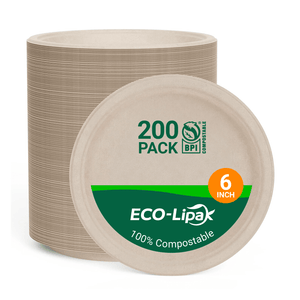
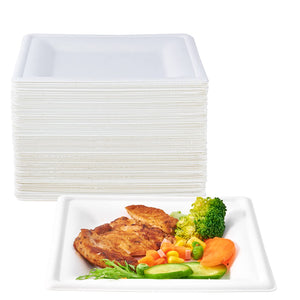
You want the truth? Ecolipak’s compostable sugarcane plates came out on top in the 24-hour curry test. Curry, oil, and turmeric can make a real mess, but these plates stood strong. You know how important heat and leak resistance are when serving saucy foods. Take a look:
Factor |
Importance Level |
|---|---|
Heat Resistance |
Critical |
Leak Resistance |
Critical |
Eco-friendliness |
Growing Concern |
Durability |
Critical |
You get a plate that handles your food and helps the planet, too.
Key Takeaways
Ecolipak compostable sugarcane plates excel in the 24-hour curry test, showing strong heat and leak resistance.
These plates are eco-friendly, breaking down in compost within 45 to 90 days, helping reduce plastic waste.
Choose plates made from sugarcane bagasse for their durability against oily and spicy foods, ensuring a clean dining experience.
Ecolipak plates resist stains from turmeric and curcumin, making them ideal for serving vibrant, saucy dishes.
Opt for plates with strong rims and smooth finishes to prevent leaks and stains when serving antioxidant-rich meals.
Why the 24-Hour Curry Test
Oil and Curcumin Challenges
You know curry can be a real test for any plate. The 24-hour curry test pushes plates to their limits. Curry contains turmeric, which is packed with curcumin. Curcumin is a bioactive compound that gives turmeric its bright color. You see curcumin in every spoonful of curry. It acts as an antioxidant and has anti-inflammatory properties. Turmeric and curcumin are not just good for you. They are tough on plates. Curcumin stains everything it touches. Turmeric oil and curcumin seep into plates, testing their strength. You notice how bioactive compounds like curcumin and turmeric oil challenge the durability of biodegradable plates. Antioxidant and anti-inflammatory effects make turmeric and curcumin popular in food, but they also make cleanup harder. You want plates that can handle bioactive compounds without breaking down. Turmeric and curcumin are everywhere in curry. You see how antioxidant and anti-inflammatory properties of curcumin and turmeric make them bioactive compounds that stick to plates. You need plates that resist stains from turmeric and curcumin. The 24-hour curry test shows which plates survive the onslaught of bioactive compounds, antioxidant, and anti-inflammatory agents.
Real-World Plate Durability
You want plates that last through long events. Curry, turmeric, and curcumin test plates in real life. Catering businesses use biodegradable plates made from bagasse at corporate functions and outdoor festivals. You see how the reliability and aesthetic appeal of these plates help service providers stand out. Event organizers choose bagasse plates for eco-conscious events. These plates are lightweight and durable. You notice they are compostable, which helps reduce environmental waste management costs. A major conference in North America used only biodegradable tableware. People gave positive feedback for the environmental efforts. You want plates that fight plastic pollution and reduce environmental impact. Plates that survive turmeric, curcumin, and bioactive compounds during the 24-hour curry test prove their worth. You see how antioxidant and anti-inflammatory properties of turmeric and curcumin make them bioactive compounds that challenge plate durability. You need plates that handle real-world demands and help fight pollution.
The Contenders: Biodegradable Plates
When you look for plates that can handle oily, spicy foods, you see many options made from biodegradable fibers. These plates come from natural sources like sugarcane, bamboo, and palm leaves. Each type has its own strengths. Let’s break down the most common choices you’ll find for serving messy meals:
Type of Plate |
Advantages |
Best For |
|---|---|---|
Bagasse Plates |
Exceptional strength and durability. Heat-resistant up to 190°F (88°C). Handles hot, wet, and oily foods without leaking or warping. Compostable and biodegradable in both home and industrial settings. |
Catering, food trucks, BBQs, buffets, and institutional food service |
Palm Leaf Plates |
Natural, elegant appearance. Highly durable and rigid. Safe for hot, cold, wet, and oily foods. No synthetic coatings or binders required. |
Weddings, fine dining takeout, luxury events, eco-conscious restaurants |
Hemp & Bamboo Plates |
Extremely sustainable raw materials. Good heat retention and moisture resistance. Biodegradable and compostable without microplastics. Natural antibacterial properties. |
Health-focused cafes, organic food brands, eco-retailers, green packaging initiatives |
Ecolipak Compostable Sugarcane Plates
You want a plate that stands up to anything you serve. Ecolipak compostable sugarcane plates use biodegradable fibers from sugarcane bagasse. These plates break down quickly in composting facilities, leaving no toxins behind. You can even compost them at home, and they decompose in just a few months. Ecolipak plates are engineered for strength. You can pile on heavy, saucy foods without worrying about leaks or cracks. They are microwave and freezer safe, so you get flexibility for any meal. Customers love the sturdy feel and the clean look. Many say these plates hold up better than other biodegradable options. You also help the planet every time you use them.
Made from sugarcane bagasse and bioplastic
Compostable in 45 to 90 days in industrial settings
Designed for strength and reliability
BPA-free and toxin-free
Other Biodegradable Fiber Plates
You might see plates made from bamboo, palm leaves, or mixed biodegradable fibers. These plates also offer eco-friendly benefits. Bamboo plates are rigid and look natural, but they often take longer to break down. Palm leaf plates give a unique, upscale look and resist cracking. Plates made from mixed fibers, like wood pulp or hemp, are also biodegradable and compostable. However, not all meet strict compostable standards. Some need industrial composting to fully break down. When you compare these options, you see that sugarcane plates decompose faster and handle a wider range of foods. You get more peace of mind with plates that use biodegradable fibers and meet high compostability standards.
24-Hour Curry Test Method
Curry Type and Curcumin Content
You want to know what kind of curry can really challenge a plate. For this testing, you see three types of curry meals. Each one has a different amount of turmeric and curcumin. Turmeric brings that bright yellow color and packs in bioactive compounds. Curcumin is the main bioactive part of turmeric. It acts as an antioxidant and gives curry its famous color. You find curcumin in every spoonful, and it sticks to everything. The test uses these curry types:
Dose Type |
Spice Concentration (g) |
Description |
|---|---|---|
D0C |
0 |
Control meal with no spices |
D1C |
6 |
Curry with mixed spices |
D2C |
12 |
Curry with mixed spices |
You see that D2C has the most turmeric and curcumin. This means more bioactive compounds, more antioxidant power, and more chance for stains. You get a real-world look at how curcumin supplementation and curcumin extraction affect plates. The higher the curcumin, the tougher the test.
Testing Setup and Conditions
You want a fair test. Each plate gets the same amount of curry—about one cup. The curry is hot, just like you would serve at home. You place the plates on a flat surface in a sanitary area. You keep the temperature steady, so the bioactive compounds in turmeric and curcumin stay active. You check the plates every few hours. You look for leaks, stains, and changes in strength. You want to see how the plates handle curcumin treatment and curcumin isolation. You also want to know if the plates stay sanitary, like sanitary napkins do for personal care. You keep everything clean and safe.
Evaluation: Leaks, Stains, Strength
You check three things: leaks, stains, and strength. You look for leaks first. If the plate leaks, it fails the sanitary test. Next, you check for stains. Turmeric and curcumin love to leave marks. You see if the plate absorbs the color or stays clean. Absorbency matters here. You want a plate that resists stains from bioactive compounds and antioxidant agents. Last, you test strength. You press on the plate to see if it holds up. You want a plate that stays strong, even after 24 hours with curry. You also check if the plate stays sanitary, like sanitary napkins do. You look for any sign of breakdown or biodegradation. You want a plate that handles curcumin supplementation, curcumin extraction, and curcumin treatment without losing its shape. You want a plate that keeps your meal safe and your table clean.
Results: Biodegradable Plate Performance
Ecolipak Plate Results
You want plates that can handle the toughest meals. The 24-hour curry test shows how Ecolipak compostable sugarcane plates perform under real stress. You see these plates face hot curry loaded with turmeric and curcumin. The curry sits for a full day, testing the plate’s strength against bioactive compounds and antioxidant agents.
Here’s what you notice:
No leaks. The plate stays dry underneath, even after 24 hours with oily curry.
No collapse. You pick up the plate, and it feels strong. It does not bend or break.
Stains from turmeric and curcumin appear, but the plate still looks clean enough for use. You know curcumin is a powerful bioactive compound, and its antioxidant properties make stains tough to avoid.
The plate resists oil. You see that the surface does not get soggy or greasy.
Customers say these plates work well for saucy foods. You read reviews where people mention the plate’s durability and how it stands up to bioactive compounds in curry.
Ecolipak plates use sugarcane bagasse, which gives them extra strength. You get a plate that handles bioactive compounds, antioxidant agents, and turmeric oil without leaking. You also help the planet by choosing compostable plates.
Side-by-Side Comparison
You want to see how different plates stack up. The 24-hour curry test puts each plate through the same challenge. You compare sugarcane bagasse, bamboo fiber, palm leaf, and ordinary bioplastics. You look for leaks, stains, and strength after exposure to turmeric, curcumin, and other bioactive compounds.
Plate Type |
Leak Resistance |
Collapse Resistance |
Stain Resistance |
Oil Resistance |
Compostable |
Durability |
Affordability |
|---|---|---|---|---|---|---|---|
✅ |
✅ |
⚠️ |
✅ |
✅ |
High |
High |
|
Bamboo Fiber |
✅ |
✅ |
⚠️ |
✅ |
✅ |
High |
High |
Palm Leaf |
✅ |
✅ |
⚠️ |
✅ |
✅ |
Medium |
Medium |
Ordinary Bioplastics |
❌ |
❌ |
✅ |
❌ |
⚠️ |
Low |
Medium |
Sugarcane bagasse and bamboo fiber plates show the best results. You see they resist leaks and collapse, even with bioactive compounds and antioxidant agents from turmeric and curcumin.
Palm leaf plates also perform well, but they are less durable and cost more.
Ordinary bioplastics fail the test. You notice leaks and collapse after exposure to oily curry and bioactive compounds. They do not handle temperature or oil as well as sugarcane bagasse or bamboo fiber.
Staining from curcumin and turmeric is common for all plates. You realize that stains are hard to avoid because curcumin is a strong bioactive compound with antioxidant properties.
The most important thing is that your plate does not leak or collapse. You want a plate that balances environmental value with functionality.
You get the best performance from sugarcane bagasse and bamboo fiber plates. They handle bioactive compounds, antioxidant agents, turmeric oil, and curcumin without leaking or breaking. You also save money and help the planet.
You see that Ecolipak plates stand out. You read customer feedback that praises their durability, oil resistance, and compostable nature. You feel confident serving curry, turmeric-rich dishes, and meals packed with bioactive compounds and antioxidant agents.
Best Plate for Curry and Oil
Why Ecolipak Stands Out
You want a plate that can handle anything you throw at it, especially when you serve dishes packed with turmeric and curcumin. These two ingredients are not just colorful—they are loaded with bioactive compounds and antioxidant power. When you pour hot curry onto a plate, you test its strength against curcumin, turmeric, and all those bioactive oils. Many plates claim to be tough, but only a few can truly stand up to the challenge.
Ecolipak compostable sugarcane plates shine in this test. You see the difference right away. The plate does not leak, even after sitting with oily curry for 24 hours. It stays strong, holding up under the weight of food filled with turmeric and curcumin. You notice that the plate resists stains better than most, even though curcumin and turmeric are famous for their stubborn colors. The bioactive oils in curry try to break down the plate, but Ecolipak’s design keeps everything in place.
You care about sustainability, too. Ecolipak plates break down quickly in compost, turning back into soil in as little as 45 days. You do not need a special facility. You can compost them at home. This means you help the planet every time you use one. You also avoid harmful plastics, so your food stays safe from toxins.
Let’s look at how Ecolipak compares to other leading biodegradable plates:
Feature |
Sugarcane (Bagasse) Plates |
Bamboo Plates |
|---|---|---|
Compost Time |
Fast: 45-90 days |
Slower: 3-6 months |
Compost Type |
Home & Industrial |
Industrial Facility |
End-of-Life |
Breaks down easily |
Needs special care |
You see that Ecolipak’s sugarcane plates win on compost speed and convenience. You do not have to wait months or search for a special composting site. You just toss the plate in your home compost, and it disappears fast.
Ecolipak plates also handle heat better than most. You can serve food up to 220 degrees Fahrenheit. This means you can pour steaming curry, loaded with turmeric and curcumin, right onto the plate. The plate stays firm and does not warp. You get peace of mind, knowing your plate will not fail, even with the hottest, most bioactive, and antioxidant-rich meals.
Key Features of the Winner
You want to know what makes Ecolipak the best choice for curry, turmeric, and curcumin-heavy dishes. Here are the key features that set these plates apart:
Heavy-Duty Strength: You can pile on thick, oily curry without worrying. The plate holds up, even when turmeric and curcumin try to soak through. The bioactive oils stay on the surface, and the plate does not get soggy.
Leak Resistance: You do not see any leaks, even after 24 hours. The plate keeps your table clean, no matter how much antioxidant-rich sauce you serve.
Stain Resistance: Turmeric and curcumin love to stain, but Ecolipak plates resist most marks. You notice that the plate still looks good after use, even with all those bioactive compounds.
Microwave and Freezer Safe: You can reheat leftovers or store food without worry. The plate handles temperature changes, keeping your food safe from curcumin and turmeric stains.
Compostable and Eco-Friendly: You help the planet every time you use one. The plate breaks down fast, supporting sustainability and reducing waste. You do not need to worry about plastic pollution.
Safe for You and the Planet: The plate is free from toxins. You keep your food away from harmful chemicals, even when serving antioxidant-packed meals.
Tip: If you love cooking with turmeric and curcumin, or you serve dishes rich in bioactive and antioxidant ingredients, Ecolipak plates are your best friend. You get strength, leak resistance, and a commitment to sustainability—all in one plate.
You see that Ecolipak plates handle the toughest foods. You can serve curry, turmeric-rich stews, and meals loaded with curcumin and bioactive oils. The plate does not break down, even when antioxidant agents try to weaken it. You get a reliable, eco-friendly option that keeps your food safe and your cleanup easy.
Choosing Biodegradable Plates
Tips for Oily and Colorful Foods
You want a plate that can handle messy foods like curry. When you serve dishes full of turmeric and curcumin, you need something strong. These ingredients have powerful antioxidant and bioactive properties. They can stain and break down weak plates. You want to keep your table clean and your food safe.
Here’s a quick table to help you pick the right plate:
Factor |
Description |
|---|---|
Material Composition |
Go for bagasse. It resists heat, oil, and moisture from turmeric and curcumin. |
Size and Proportion |
Choose plates with raised edges. This keeps bioactive sauces and antioxidant oils in place. |
Surface Finish |
Smooth finishes help stop stains from turmeric and curcumin. They also look nice. |
Thickness and Durability |
Thicker plates hold up better. They resist bending when loaded with bioactive curry. |
You want to avoid leaks and stains. Here are some tips:
Pick sugarcane plates with strong rims. They stop bioactive oils from spilling.
Look for plates that control leaks. This helps when you serve antioxidant-rich foods.
Choose plates that keep their shape. Turmeric and curcumin can make plates soggy, but sturdy ones stay firm.
Ecolipak Recommendations
You want the best for your meals. Ecolipak compostable sugarcane plates check all the boxes. They use renewable fibers that resist turmeric, curcumin, and bioactive oils. These plates are non-toxic and PFAS-free. You can serve hot, oily, or saucy foods packed with antioxidant power. The plates stay strong and do not leak.
Ecolipak plates come in different sizes. You can match the plate to your dish. If you serve a big curry with lots of turmeric and curcumin, pick a larger plate. For snacks with bioactive dips, use a smaller one. The plates meet top standards for compostability:
Certification/Standard |
Description |
|---|---|
ASTM D6400 |
Meets compostable plastic requirements |
EN 13432 |
European compostable packaging standard |
BPI Certification |
Proves compostability and safety |
You want to protect your food and the planet. Ecolipak plates break down fast and leave no toxins. You get peace of mind when you serve antioxidant-rich, turmeric-filled, and curcumin-packed meals. Your guests will notice the difference. You will love the easy cleanup and the eco-friendly choice.
You saw Ecolipak’s compostable sugarcane plates pass the 24-hour curry test with flying colors. These plates handled hot curry, turmeric, and curcumin without leaks or breaking down. You want a plate that stands up to turmeric stains and curcumin’s power. Ecolipak gives you that strength. You also help the planet because these plates break down fast.
Material |
Decomposition Time in Home Compost |
Decomposition Time in Industrial Facility |
|---|---|---|
Sugarcane Plates |
45 to 90 days |
You can trust Ecolipak to keep your food safe from turmeric and curcumin. The plate resists oil and stays sturdy, even with extra turmeric and curcumin. You get a plate free from toxins, so you serve meals with confidence. Next time you cook with turmeric and curcumin, grab an Ecolipak plate. Want a fun challenge? Try your own curry test with turmeric and curcumin, then share your results. Let’s see if your plate can handle all that turmeric and curcumin!
FAQ
What makes curry such a tough test for plates?
Curry contains curcumin, which gives it a bright color and strong flavor. Curcumin can stain and break down weak plates. You need a plate that stands up to curcumin and keeps your meal safe.
Can Ecolipak plates handle hot, oily foods with curcumin?
Yes! You can serve hot, oily dishes full of curcumin on Ecolipak plates. They resist leaks and stains. You do not have to worry about curcumin making a mess.
Are Ecolipak plates safe for you and the planet?
You get peace of mind with Ecolipak plates. They are free from toxins and plastics. Curcumin from your food will not react with the plate. You protect your health and the environment.
How do I compost plates after serving curcumin-rich foods?
Just toss your used plate into your home compost. Curcumin stains do not slow down the process. The plate breaks down in a few months, even with curcumin left on it.
Why does curcumin matter when choosing a plate?
Curcumin is in many spicy dishes. It can stain and weaken some plates. You want a plate that resists curcumin. Ecolipak plates pass the curcumin test, so you can serve any meal with confidence.
Tip: If you love cooking with curcumin, always choose a plate that can handle its power!