In 2026, safe takeout food means it comes in containers certified free of all intentionally added PFAS. These "forever chemicals," known as PFAS, are in some food packaging, posing a risk to your family's health. The issue of PFAS in food packaging is that these intentionally added PFAS can migrate into your food. This guide explains the food safety risk from intentionally added PFAS. It shows why PFAS-free packaging is vital and what alternatives are available.
A Note on Safety: Choosing PFAS-free packaging without intentionally added PFAS protects your food from these harmful PFAS. Safe alternatives like fluorine-free tableware and sugarcane plates protect your food and the environment.
Key Takeaways
-
PFAS are 'forever chemicals' in some food packaging. They can harm your health and stay in your body and the environment.
-
New rules by 2026 will make PFAS-free packaging a must. This helps keep your food safe from these chemicals.
-
Look for packaging with third-party certifications like BPI. This means the packaging has been tested and is truly PFAS-free.
-
Sugarcane packaging is a safe choice. It is natural, compostable, and does not need PFAS to resist grease and water.
-
Ask restaurants about their packaging. Support businesses that use PFAS-free options to protect your family's health.
The New Standard: Why Fluorine-Free Matters
Understanding why fluorine-free materials are the new standard begins with knowing the chemicals they replace. For years, intentionally added PFAS were used in food packaging to resist grease and water. Now, we know these chemicals create serious health risks for families. Choosing PFAS-free packaging is a critical step to protect the food you bring home.
The Health Risks of PFAS
PFAS are often called "forever chemicals" because they do not break down easily in our bodies or the environment. Scientific studies show that PFAS exposure is linked to significant health problems. Even low levels of exposure can be harmful. Your family's health is the top priority.
Key health risks associated with PFAS include:
A weakened immune system response, which can make vaccines less effective.
Increased cholesterol levels.
Higher risk for certain cancers, like kidney and testicular cancer.
Disruption of the body's natural hormones.
These toxic compounds build up over time, making every exposure a concern.
The Problem with PFAS in Food Packaging
The main issue with PFAS in food packaging is that the chemicals can move from the container into your food. This transfer is more likely to happen when the food is hot or greasy. When your hot meal sits in a container with intentionally added PFAS, the chemicals can leach into the food your family eats. This direct food contact is a primary route of exposure. The problem doesn't end after your meal. Disposing of this food packaging leads to environmental contamination, as PFAS enter our soil and water from landfills. These food-contact materials create a cycle of contamination.
The 2026 Regulatory Shift
Thankfully, governments are taking action. A major regulatory shift is making PFAS-free packaging a legal requirement, not just a choice. By 2026, states like California, Washington, and Minnesota are enforcing bans on intentionally added PFAS in food-contact materials. Other states, including Oregon and Maine, have similar food packaging laws. This push from health and environmental advocates means businesses must find safer alternatives. This makes it easier for you to find certified PFAS-free packaging and ensure the food you serve is safe.
Identifying Safe Food Packaging
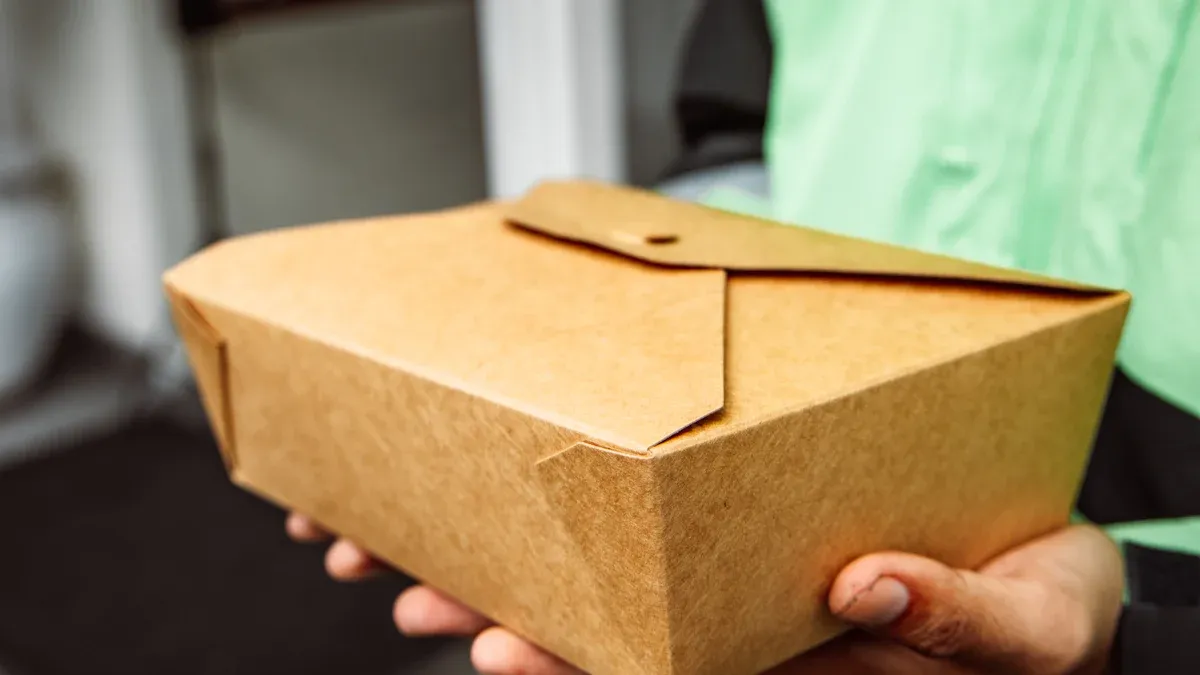
Navigating claims on food packaging can be confusing for any family. Many brands use vague terms that sound safe but may hide the presence of harmful PFAS. Learning to spot these claims and identify truly safe alternatives is key to protecting the food you serve. This knowledge empowers you to make better choices for your household.
Decoding 'PFAS-Free' Claims
Many companies use misleading marketing to sell their food packaging. You might see labels like "100% Natural" or "eco-friendly," but these do not guarantee the absence of PFAS. Some products even claim to be "PFOA-free" while still containing other types of PFAS chemicals. A genuine PFAS-free packaging claim means the manufacturer did not use any intentionally added PFAS. True safety comes from transparency, not vague promises. This is crucial for any food contact item. The best alternatives are those that can prove their claims.
Red Flags of Unsafe Packaging
Certain types of food packaging are more likely to contain intentionally added PFAS. These chemicals are often used for their grease- and water-resistant properties. Be cautious with items that hold hot or greasy food.
Common Culprits for PFAS:
Microwave popcorn bags
Wrappers for burgers and sandwiches
Paperboard food containers for fries or fried chicken
Some molded fiber bowls and plates
These food-contact materials can increase your family's exposure to PFAS. The presence of PFAS in food packaging creates a direct path for these chemicals to enter your food. Choosing safer alternatives for these products is a simple step to reduce risk.
The Gold Standard: Third-Party Certification
The most reliable way to ensure your food packaging is safe is to look for third-party certification. Certifiers like the Biodegradable Products Institute (BPI) provide independent verification. For a product to be certified, it must meet strict standards. Regulations in states like California now define compliance for food-contact materials as having no intentionally added PFAS and containing less than 100 parts per million (ppm) of total organic fluorine. This low threshold can only be confirmed through lab testing. When you see a BPI certification on PFAS-free packaging, you can trust that the food containers have been rigorously tested. This verification is the gold standard for safe food contact and protects your food from PFAS exposure. It confirms the manufacturer has chosen safe alternatives over intentionally added PFAS. The problem of PFAS in food packaging is solved by demanding these certified alternatives.
A Real-World Solution: Ecolipak's Fluorine-Free Tableware
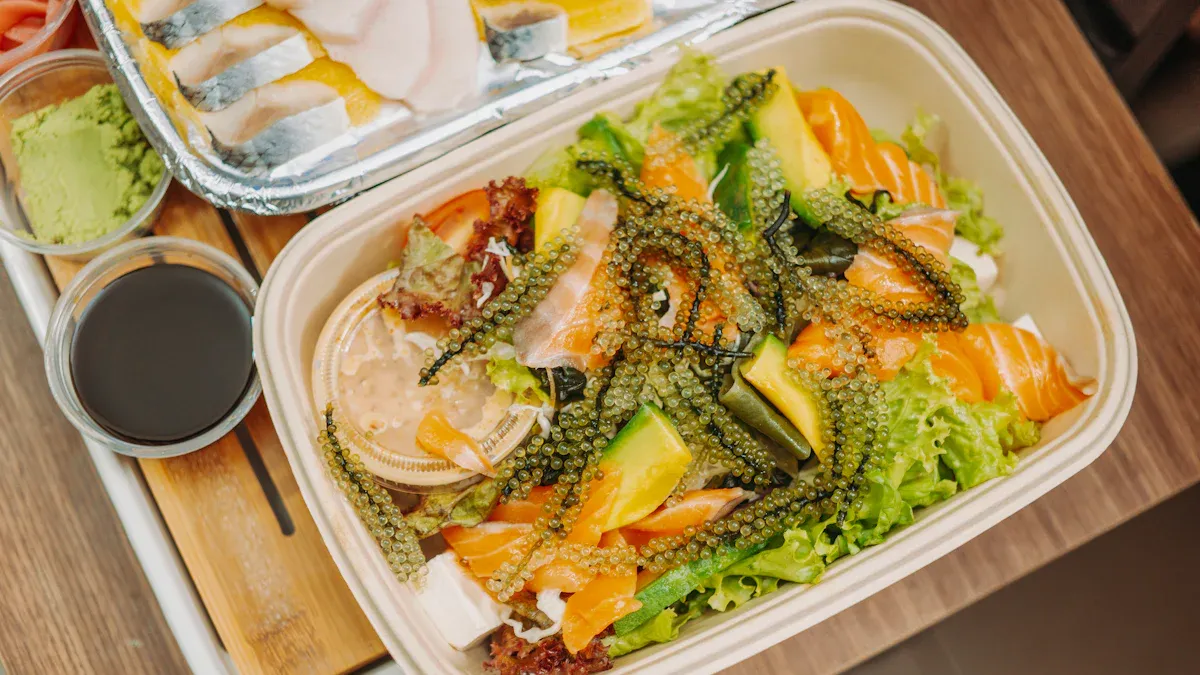
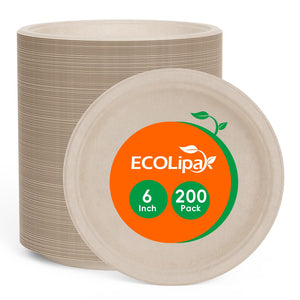
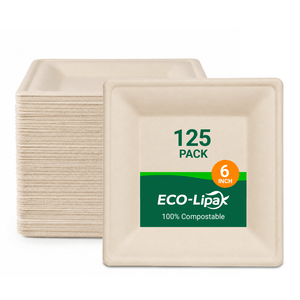
Knowing the risks of intentionally added PFAS is the first step. The next is finding reliable, safe food packaging alternatives. Ecolipak is a brand providing verified solutions that protect your family's food. Their fluorine-free tableware offers a real-world answer to the problem of PFAS in food packaging, giving you peace of mind with every meal. This plant-based food packaging is designed for safety and performance.
Bagasse (Sugarcane): A Natural Solution
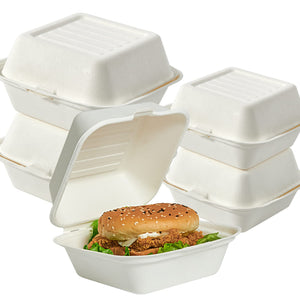
One of the best alternatives to plastic is bagasse, the natural fiber left over after juice is extracted from sugarcane. Instead of becoming waste, this material is repurposed into sturdy, safe, and compostable plant-based food packaging. This "waste-to-value" approach supports sustainability by protecting forests and reducing landfill waste.
The process is simple and clean:
-
Juice Extraction: All juice is removed from sugarcane stalks, leaving only the bagasse fibers.
-
Pulp Creation: The fibers are blended with water to create a pulp, similar to wood pulp but without cutting down trees.
-
Molding: High heat and pressure are used to mold the pulp into durable food containers.
This process creates food packaging that is free from the intentionally added PFAS found in many conventional products. The benefits for the environment are clear when compared to other materials.
|
Feature |
Bagasse Packaging |
Plastic Packaging |
Paper Packaging |
|---|---|---|---|
|
Raw Material Source |
Sugarcane waste |
Petroleum |
Trees |
|
Compostability |
Yes (home & industrial) |
No |
Sometimes (coated = no) |
|
Biodegradability |
Yes |
No |
Yes |
|
Production Emissions |
Low |
High |
Moderate |
Choosing bagasse is a powerful way to ensure the food you serve is safe from harmful PFAS.
Case Study: Ecolipak's To-Go Boxes
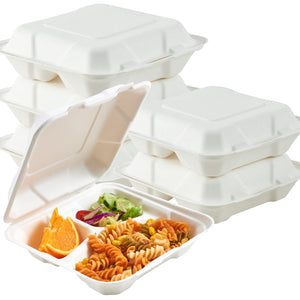
Ecolipak puts these principles into practice with its 8 inch Compostable Sugarcane 3 Compartment To Go Boxes. This product is a perfect example of a safe and effective food packaging alternative. It directly addresses the need for PFAS-free packaging that families can trust for their meals.
The foodservice industry, which holds over 53% of the market share for bagasse containers, is rapidly adopting these safer alternatives. This shift shows that high-performance, PFAS-free options are not just possible but are becoming the standard.
Customers consistently praise Ecolipak's products for their sturdiness and eco-friendly design. Users report high satisfaction, noting that the quality matches or exceeds non-eco-friendly options. This allows families to make a choice that protects their health and the environment without any compromise.
These to-go boxes are BPI Certified, which means they meet strict standards for compostability and are verified to have no intentionally added PFAS. This third-party certification confirms that the food contact surfaces are safe, protecting your food from the forever chemicals.
Benefits Beyond Safety: Sturdy and Leakproof Design
Choosing PFAS-free packaging does not mean you have to accept lower quality. Ecolipak's plant-based food packaging proves that safety and performance go hand-in-hand. These containers are designed for real-world use, ensuring your food stays secure and delicious.
Key benefits include:
-
Heavy-Duty Strength: The containers are sturdy and cut-resistant, so you can handle any meal without worrying about breaks.
-
Leakproof Design: The material is naturally grease- and water-resistant without intentionally added PFAS, keeping sauces and liquids inside.
-
Microwave and Freezer Safe: You can safely reheat leftovers for your family directly in the container. The bagasse material can withstand temperatures up to 220°F.
-
Commitment to Quality: Ecolipak ensures its products meet high standards for food contact safety.
This commitment is reflected in strict quality control, which allows for minimal and non-hazardous defects. The goal is to deliver a perfect product for your food every time.
With these high-performing food packaging alternatives, you get the convenience your family needs and the safety you demand. Ecolipak's plant-based food packaging offers a complete solution, protecting your food from intentionally added PFAS while delivering exceptional quality.
A Practical Checklist for Safer Takeout
Making safer choices for your family starts with knowing what to look for. This simple checklist helps both consumers and businesses reduce PFAS exposure from takeout food. By asking the right questions, you can ensure the food you eat or serve is protected from these harmful forever chemicals.
For Consumers: 3 Steps to Safer Choices
Protecting your family from intentionally added PFAS in food packaging is easier than you think. Small, consistent actions can significantly reduce your household's exposure to PFAS.
-
Ask About the Packaging: When you order takeout, ask the restaurant if their containers are certified PFAS-free. A simple question shows businesses that customers care about food safety.
-
Look for Safe Materials: Choose restaurants that use certified compostable alternatives like sugarcane bagasse. This fluorine-free tableware is a clear sign that a business prioritizes your health.
-
Support Responsible Businesses: Your money talks. Supporting establishments that invest in PFAS-free packaging encourages more businesses to switch. The small extra cost for these safer containers is a worthwhile investment in your family's well-being.
Family Tip: When you find a restaurant using safe, PFAS-free packaging, make it your go-to spot. Sharing your positive feedback also helps them know their investment in safety is valued.
For Businesses: Questions for Your Supplier
By 2026, using food packaging with intentionally added PFAS will create significant legal and financial risks. Non-compliance can lead to lawsuits and costly penalties. Protecting your business and your customers requires asking suppliers for proof that their products are safe for food contact. Your supplier must be able to verify their claims about PFAS.
Before you purchase any food packaging, ask your supplier these critical questions to ensure compliance and safety:
-
Can you provide a signed manufacturer's affidavit confirming that no PFAS chemicals were intentionally added to this product?
-
Do you have third-party lab results showing the product contains less than 100 parts per million (ppm) of total organic fluorine? This is the legal limit in many states.
-
Will you share the safety data sheets for all materials used? This helps verify the absence of intentionally added PFAS in the product's formula.
Demanding this documentation is the only way to be certain your food packaging is free from harmful PFAS. This protects your customers' food, limits your liability, and builds trust in your brand. Making the switch to verified PFAS-free packaging is a necessary step for any food business.
The new standard for safe takeout is clear: demand transparency and verified fluorine-free materials. Your family's health depends on avoiding food packaging with intentionally added PFAS. Solutions like Ecolipak's plant-based food packaging made from sugarcane offer a clear path forward for sustainability. History shows that when people demand change, companies listen and remove harmful chemicals like PFAS. Both families and businesses must ask for proof that food-contact materials are free from intentionally added PFAS. This protects our food, health, and environment from these forever chemicals. Your choice of PFAS-free packaging makes a difference in the fight against PFAS. This is how we ensure the food we bring home is safe from intentionally added PFAS and other harmful PFAS. The future of sustainability and health is in our hands, and it starts with rejecting PFAS in our takeout.
FAQ
Why are PFAS called 'forever chemicals'?
PFAS are called "forever chemicals" because they do not break down easily in the environment or in our bodies. These harmful pfas can build up over time. This makes any exposure to pfas a concern for your family's long-term health.
How do I know if my takeout container has PFAS?
You cannot see or smell pfas. The best way to know is to choose containers with third-party certifications like BPI. These products are tested to ensure they do not contain intentionally added pfas. Asking restaurants about their packaging also helps avoid pfas.
Are all compostable products free of PFAS?
Not always. Some compostable products may still contain pfas for grease resistance. It is important to look for items specifically labeled and certified as "PFAS-free." This label guarantees the product is safe from these specific pfas and protects your family.
What makes sugarcane a safe alternative to packaging with PFAS?
Sugarcane bagasse is a natural plant fiber. It does not require the addition of harmful pfas chemicals to resist grease and water. This makes it a safe, renewable, and compostable choice that keeps toxic pfas away from your family's meals.