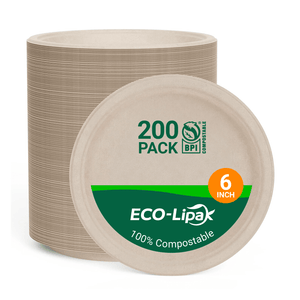
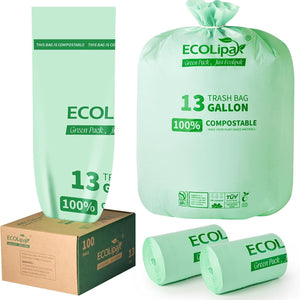
Starting a zero waste journey can feel like a huge zero waste challenge. You might see images of people fitting their trash into a tiny jar. But this lifestyle is not about being perfect. It's about making small changes for effective waste reduction. Did you know millions of tons of recyclable items end up in landfills each year? You can help reduce waste with simple swaps, like using compostable plates.
Your goal is progress, not perfection. Every small step you take adds up to a big difference for our planet.
Key Takeaways
Start your zero waste journey with small, easy changes. You do not need to be perfect.
Use reusable bags, cups, and personal care bars. This helps reduce plastic waste.
Plan meals and shop at bulk bins. This prevents food waste and reduces packaging.
Fix items instead of throwing them away. This extends their life and saves resources.
Begin Your Zero Waste Journey with Easy Swaps
Ready to start making a difference? The best way to begin your zero waste journey is with simple, easy-to-remember swaps. You don't have to change everything overnight. Focus on one or two of these ideas to kickstart your new sustainable lifestyle. These small actions are the foundation of effective waste reduction.
Carry Reusable Bags for All Shopping
This is one of the easiest habits to adopt. Keep a few reusable bags in your car, by your front door, or tucked into your backpack. This way, you're always prepared for a shopping trip. Did you know the average American family uses around 1,500 plastic shopping bags each year? Globally, people use about one million plastic bags every minute. Switching to reusables is a powerful way you can help reduce waste.
A Quick Look at Your Bag Options:
Single-use plastic bags: These often end up in landfills and oceans, taking hundreds of years to break down.
Reusable plastic bags: You only need to use these about 10 to 15 times to make them a better choice.
Cotton reusable bags: These are great, but you need to use them over 100 times to offset their production footprint. So, use them consistently!
Remember to wash your reusable bags regularly to keep them clean and safe for your groceries.
Opt for Reusable or Compostable Cups
Your daily coffee run can create a lot of trash. The best option is to carry a reusable coffee cup. But let's be real—sometimes you forget it, or you're hosting a party and need a convenient solution. In those moments, you can still make a better choice than traditional plastic-lined cups.
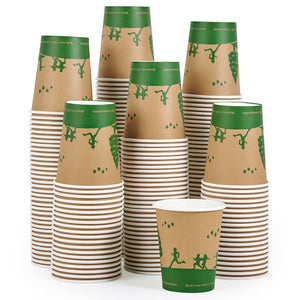
For situations where a reusable cup isn't practical, consider Ecolipak's 12 oz Compostable Paper Coffee Cups with CPLA Lids. These cups are a huge step up from typical disposables. Here’s why:
They are made from sustainable, plant-based materials with a PLA lining, not plastic.
They are 100% compostable in a commercial facility, breaking down in just a few months.
The CPLA lids are heat-resistant up to 194°F, so they are perfect for hot drinks. Plus, they require 65% less energy to produce than conventional plastic lids.
These eco friendly products are completely BPA-free and non-toxic, so you can sip without worry.
Many users share that Ecolipak products are surprisingly sturdy and reliable. This proves you don't have to sacrifice quality to be kind to the planet. It’s all about making sustainability convenient.
Switch to Solid Bars for Personal Care
Take a look at your bathroom. How many plastic bottles do you see? You can easily tackle this part of the zero waste challenge by switching to solid bars for shampoo, conditioner, and soap. In the U.S. alone, people throw away about 550 million empty shampoo bottles every year.
Solid bars are a fantastic alternative. They often come with no packaging or in a simple recyclable paper wrapper.
Shampoo Bar |
Liquid Shampoo |
|
|---|---|---|
Packaging |
Minimal or none |
Plastic bottles |
Impact |
One bar can replace 3-4 plastic bottles |
Adds to plastic waste |
These bars are also packed with great ingredients like natural oils, butters, and glycerin, leaving your hair and skin feeling great. This simple swap makes a huge impact on your personal waste reduction.
Refuse Single-Use Straws and Cutlery
"No straw, please." This simple phrase can stop a piece of plastic from ending up in our environment. In the United States, people use an estimated 500 million plastic straws every single day. On top of that, we discard 40 billion plastic forks, spoons, and knives each year.
Getting your own set of reusable cutlery is a great solution. You can find sets made from bamboo or stainless steel that come in a small carrying case. For times when you need a disposable option, look for compostable cutlery. These are often made from plant-based materials and are sturdy enough for any meal. Saying no to single-use plastic is a core part of the zero waste movement.
Adopt a Lower Waste Lifestyle in the Kitchen
Your kitchen is a great place to continue your journey toward a lower waste lifestyle. Food and packaging make up a huge part of household trash. You can make a big impact with a few simple changes. This part of the zero waste challenge is all about being mindful of what you buy and what you throw away.
Plan Meals to Prevent Food Waste
Did you know that a lot of food waste happens right at home? Planning your meals is a powerful way to reduce waste. It helps you buy only what you need.
Pro Tip: Create an "eat first" bin in your fridge for items that are close to expiring. This keeps them front and center!
Here are a few simple steps for effective meal planning:
Shop your pantry first. Plan meals around ingredients you already have.
Make a strategic shopping list. This helps you avoid impulse buys.
Plan for leftovers. You can turn last night's roast chicken into a tasty sandwich for lunch.
Shop at Bulk Bins and Farmers' Markets
Shopping at bulk bins is a game-changer for waste reduction. You can bring your own containers or cloth produce bags to fill up. This simple action helps you skip the plastic packaging that fills up landfills. You also get to buy the exact amount you need, which is great for preventing waste at home. Farmers' markets are another fantastic option for finding fresh, local food with minimal packaging. Just remember to bring your cloth produce bags!
Start a Home Composting System
When food scraps end up in a landfill, they get buried without oxygen. This process creates methane, a powerful greenhouse gas. You can easily prevent this when you compost your food scraps. Composting allows food to break down with oxygen, which is much better for the planet. There are many ways to compost, even if you live in an apartment.
Worm composting (vermicomposting) is great for small, indoor spaces.
Tumbler composters are perfect for small yards and are easy to turn.
Bokashi bins ferment your food scraps indoors before you bury them outside.
Use Reusable Food Wraps and Containers
Say goodbye to single-use plastic wrap and sandwich bags. A sustainable lifestyle in the kitchen is easy with reusable options. You can invest in glass containers, stainless steel tins, or silicone bags. Beeswax wraps are also a wonderful, sustainable alternative for covering bowls or wrapping up sandwiches. Adopting a lower waste lifestyle is about making smart, simple swaps that become everyday habits. This new lifestyle feels good and helps the planet.
Embrace Advanced Zero Waste Living Practices
Once you're comfortable with the easy swaps, you can take on the next zero waste challenge. These advanced practices help you dive deeper into a sustainable lifestyle. They focus on thoughtful consumption and building new skills. This is where your zero waste journey truly transforms your habits.
Create Your Own Cleaning Products
You can easily reduce plastic waste by making your own cleaners. Many store-bought products come in single-use bottles. Instead, you can use simple, inexpensive ingredients you might already have.
DIY All-Purpose Cleaner Recipe:
Mix equal parts water and white vinegar in a spray bottle.
Add a few drops of essential oil for a pleasant scent.
For a scrubbing paste, just mix baking soda with a little water. This simple switch saves money and keeps harsh chemicals out of your home.
Choose Secondhand and Sustainable Fashion
The fashion industry uses a massive amount of resources. For example, it takes about 700 gallons of water to make just one cotton shirt. A great way to combat this is by choosing secondhand clothes. You can find amazing, high-quality items on platforms like thredUP and Depop. Buying used extends the life of clothing and is a powerful act of waste reduction.
Go Paperless with Bills and Mail
Your mailbox can be a major source of waste. The average U.S. household receives over 800 pieces of junk mail each year. You can stop this paper clutter at the source.
Use free services like
OptOutScreen.comto stop pre-screened credit card offers.Visit your bank and utility websites to switch from paper bills to digital statements. This small change saves trees and keeps your desk clear.
Learn Basic Skills to Repair and Mend
Before you throw something away, ask yourself if you can fix it. Learning to repair items is a core part of zero waste living. You can easily find online tutorials to help you sew on a button, patch a hole in your jeans, or even fix a leaky faucet. Extending the life of your belongings is one of the most effective ways to reduce what you send to the landfill.
Remember, your zero waste journey is about progress, not perfection. You don't have to do everything at once.
Pick one small change from this list that feels easy. Try it this week!
Your single action creates a ripple effect. When many people make small changes, we build a healthier planet together. Choosing a sustainable lifestyle aligns with the mission of brands like Ecolipak, making a cleaner world possible one step at a time. Every choice you make matters.
FAQ
What if I can't be perfectly zero waste?
Don't worry about being perfect! This journey is about making small, positive changes. You can celebrate every single-use item you avoid. Your effort matters far more than achieving a flawless record. It's all about progress.
Is going zero waste expensive?
It doesn't have to be! You can start with free changes, like refusing plastic straws. Many reusable items save you money over time. Focus on using what you already have before buying new "eco-friendly" products. 💰
Where is the best place to start?
You should pick one thing that feels easy for you! Maybe you can always carry a reusable bag or switch to a solid soap bar.
Tip: Don't try to do everything at once. Master one new habit, then add another when you feel ready.
What's the difference between compostable and biodegradable?
That's a great question! Here’s a simple breakdown:
Biodegradable: An item can break down naturally over time, but it might take a very long time.
Compostable: An item breaks down into nutrient-rich soil in a compost environment. Products like Ecolipak's cups are compostable, turning waste into something useful for the earth. 🌱