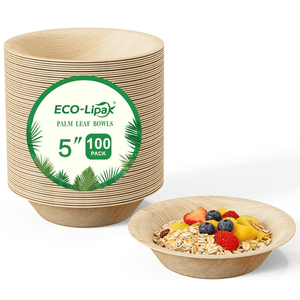
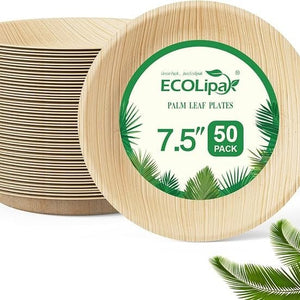
You need reliable heat shielding when serving food outdoors. Multilayer palm fibers trap air and slow down heat transfer, giving your meals strong insulation. This helps keep your food safe and fresh at the right temperature. Ecolipak’s palm leaf bowls and plates use this natural insulation to protect your dishes while supporting a greener planet. You can trust Ecolipak to combine innovation and sustainability, making eco-friendly choices practical for catering professionals.
Key Takeaways
Palm fiber plates provide excellent insulation, keeping food at the right temperature longer. This helps maintain food quality during outdoor events.
The unique structure of palm fibers, with air pockets and layers, reduces heat transfer. This means your hands stay cool while serving hot dishes.
Ecolipak’s palm leaf plates are 100% compostable and biodegradable, making them an eco-friendly choice that supports sustainability and reduces waste.
These plates are durable and leak-resistant, allowing you to serve a variety of foods without worrying about spills or bending.
Choosing palm fiber plates not only enhances your catering experience but also contributes to a greener planet by minimizing environmental impact.
Why Palm Fibers Excel at Insulation
Structure and Layers
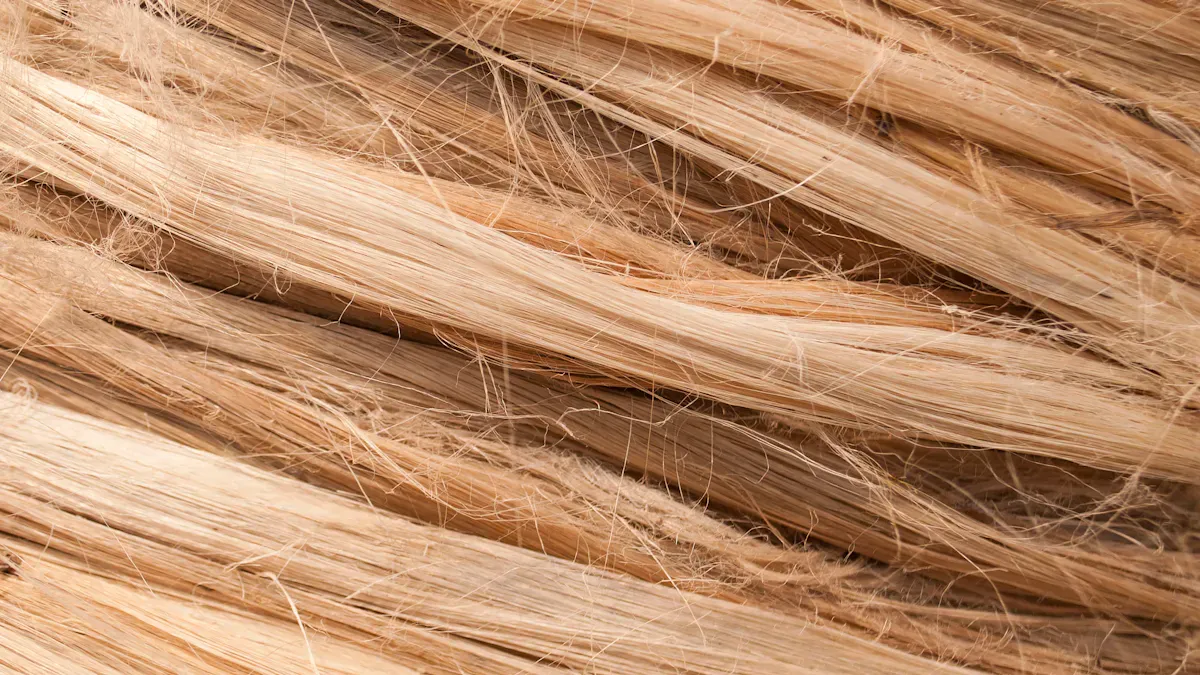
You see palm fibers as a natural solution for insulation in catering. Palm fibers have a unique structure. They contain many tiny air pockets and a porous surface. This low density helps trap air, which slows down heat movement. When you use palm leaf plates, you benefit from this natural insulation. The fibers do not let heat pass through easily. You keep your food warm or cool for longer periods.
Palm fibers stand out because their structure reduces thermal conductivity. Scientists found that palm fibers in building materials decrease heat transfer. You get better insulation compared to other natural materials. The more fiber content you have, the lower the thermal effusivity. This means your plate or bowl acts as a barrier against heat.
Ecolipak’s Compostable Square Palm Leaf Plate uses these natural fibers. You receive a plate made from 100% fallen palm leaves. The process does not use chemicals. The sun dries the leaves, and heat presses them into shape. You get a plate that is safe, strong, and eco-friendly. The natural grain and texture add beauty to your table.
Multilayer Heat Shielding
Palm leaf plates offer multilayer insulation. Each layer of fiber adds another barrier to heat flow. You notice that the plates feel sturdy and thick. This thickness comes from layers of palm fibers pressed together. Laboratory tests show that adding more palm fibers reduces thermal conductivity by up to 10.9%. Natural fibers like palm do not create pathways for heat. You get insulation that protects your food from outside temperatures.
Palm fibers have lower thermal conductivity than polymers.
Increased fiber volume means better insulation.
Palm fibers reduce heat exchange with the environment.
You choose palm leaf plates for outdoor catering because they shield your food from heat and cold. The insulation keeps your dishes at the right temperature. You also support sustainability. Ecolipak sources palm leaves responsibly and uses a chemical-free process. You help protect green spaces and reduce waste. Palm fiber insulation gives you performance and peace of mind.
The Physics of Heat Shielding
Heat Transfer Basics
You need to understand how heat moves to see why palm fiber plates work so well for outdoor catering. There are three main ways heat travels:
Conduction: Heat moves from one solid object to another. If you touch a hot plate, you feel conduction.
Convection: Heat moves through liquids or gases. Warm air rises and cool air sinks, carrying heat with it.
Radiation: Heat moves in waves, like sunlight warming your skin.
Palm fiber plates use their natural structure to slow down these types of heat transfer. The hollow spaces and layers inside the fibers trap air. Air does not let heat move quickly. This gives you strong insulation and keeps your food at the right temperature. You get protection from both hot and cold conditions.
Tip: When you use a palm leaf plate, you notice that the bottom stays cool even when the food is hot. This happens because the plate blocks heat from moving through it fast.
Disrupting Heat Flow
Palm fibers have a special design. Each fiber has a hollow center and thick walls. Many fibers press together to make a plate. This creates several layers, each with its own air pockets. These layers act like tiny shields. They stop heat from moving straight through the plate.
The hollow structure lowers thermal conductivity. Heat cannot travel easily from your food to your hand.
The layers increase resistance to heat flow. More layers mean better insulation.
The unique shape of the fibers changes how heat spreads. This lowers thermal diffusivity, so heat takes longer to move.
Thermal effusivity is also important. This means how fast a material can absorb and release heat. Palm fiber plates absorb heat slowly and release it slowly. Your food stays warm, but the plate does not get too hot to hold. This gives you high-temperature protection and better safety margins.
If you look at thermal imaging data, you see a clear difference. Palm leaf plates keep the food area warm, but the edges and bottom stay much cooler. Ultra-thin sugarcane pulp plates do not show this effect. They let heat move through quickly, so the whole plate gets hot. You get better heat shielding with palm fiber plates.
Recent innovations in thermal management fibers use similar ideas. Scientists design new materials with hollow spaces and layered structures. These materials give better heat insulation for outdoor catering. You get products that keep food safe and comfortable to handle.
You can also compare palm leaf plates to heat-safe silicone insulation. Silicone works well, but it is not compostable. Palm fiber plates give you strong heat shielding and insulation, plus they break down naturally. You get both performance and sustainability.
When you choose palm fiber plates, you get:
Lower thermal conductivity and higher resistance to heat flow
Better insulation for food temperature control
Safer handling and improved protection for your guests
You make a smart choice for both food quality and the environment.
Practical Benefits for Catering with Ecolipak
Durability and Food Safety
You want your catering supplies to stand up to real-world demands. Ecolipak’s palm leaf plates deliver durable performance, even when you serve heavy or saucy dishes. The natural structure of palm fibers gives each plate strength and leak-resistance. You can trust these plates to hold hot soups, oily foods, or cold desserts without bending or soaking through. This durability means you avoid spills and keep your guests comfortable.
Ecolipak tests its plates using industry standards to ensure quality and safety. These tests check for leaks, seal integrity, and overall strength. Here is a table showing some of the main test methods:
Test Method Code |
Test Purpose / Description |
|---|---|
ASTM F3004-13(2020) |
Checks seal quality and integrity using airborne ultrasound |
ASTM D3078-02(2021)e1 |
Finds leaks in packaging by bubble emission |
ASTM F2095-07(2021) |
Uses pressure decay to test for leaks |
ASTM F2228-13(2021) |
Detects leaks with CO₂ tracer gas |
ASTM F2391-22 |
Measures seal integrity using helium as a tracer gas |
ASTM D5094/D5094M-24 |
Tests for gross leakage of liquids from containers |
You get more than just strength. The insulation properties of palm fibers help maintain food temperature. When you serve hot meals, the plate’s layers slow down heat transfer. This keeps your food warm longer and protects your hands from getting too hot. If you serve cold dishes, the same insulation helps keep them cool. You provide better temperature control and food safety for your guests.
Palm leaf plates also offer temperature resistance. You can use them in microwaves or freezers without worrying about warping or releasing harmful chemicals. This flexibility makes them ideal for many catering scenarios, from outdoor picnics to formal events.
Ecolipak’s commitment to food safety goes beyond physical tests. The plates contain no harmful chemicals and do not leach toxins into your food. You give your guests peace of mind with every meal.
Sustainability and Convenience
You care about the environment and want products that match your values. Ecolipak’s palm leaf plates are 100% compostable and biodegradable. After your event, you can place them in a compost bin, where they break down naturally and enrich the soil. This reduces landfill waste and supports a cleaner planet.
Ecolipak holds several important certifications that guarantee sustainability and compostability. Here is a table showing some of these certifications:
Certification |
What It Guarantees |
Best For |
|---|---|---|
BPI |
Passes strict lab tests for compostability (ASTM D6400) |
Verifying scientific composting |
CMA |
Passes lab and field tests in industrial facilities |
Commercial compost programs |
TÜV AUSTRIA |
Meets European standards for home and industrial composting |
International standards |
You also benefit from certifications like the Sustainable Forestry Initiative and USDA Certified Biobased Product. These show that Ecolipak uses renewable materials and responsible sourcing.
When you compare palm leaf plates to conventional disposables, you see clear advantages:
Feature |
Palm Leaf Plates |
Conventional Disposables |
|---|---|---|
Compostability |
100% compostable and biodegradable |
Not biodegradable, often harmful |
Sturdiness |
Sturdy, heat-resistant, leak-proof |
Often flimsy, can leak |
Environmental Impact |
Eco-friendly, enriches soil |
Contributes to landfill waste |
Chemical Safety |
Safe for food, no harmful chemicals |
May leach harmful chemicals |
Cleanup |
Easy disposal in compost |
Requires landfill disposal |
You get insulation that keeps food at the right temperature, plus easy cleanup. You simply compost the plates after use. This saves time and supports your sustainability goals.
Ecolipak’s products fit many catering needs. You can use them for weddings, food trucks, outdoor parties, or corporate events. The plates look elegant and feel sturdy, giving you both style and function.
Tip: Choose palm leaf plates for events where you need strong insulation, reliable temperature control, and eco-friendly disposal. You provide protection for your food and the planet.
Ecolipak aligns with the latest trends in sustainable catering. The brand offers not only palm leaf plates but also souffle cups and other items made from biodegradable materials. You support innovation and environmental responsibility with every purchase.
You make a smart choice when you select Ecolipak. You get durability, insulation, temperature resistance, and safety—all in one plate. You also help protect the environment and make cleanup simple.
Real-World Use and Comparisons
Outdoor Catering Applications
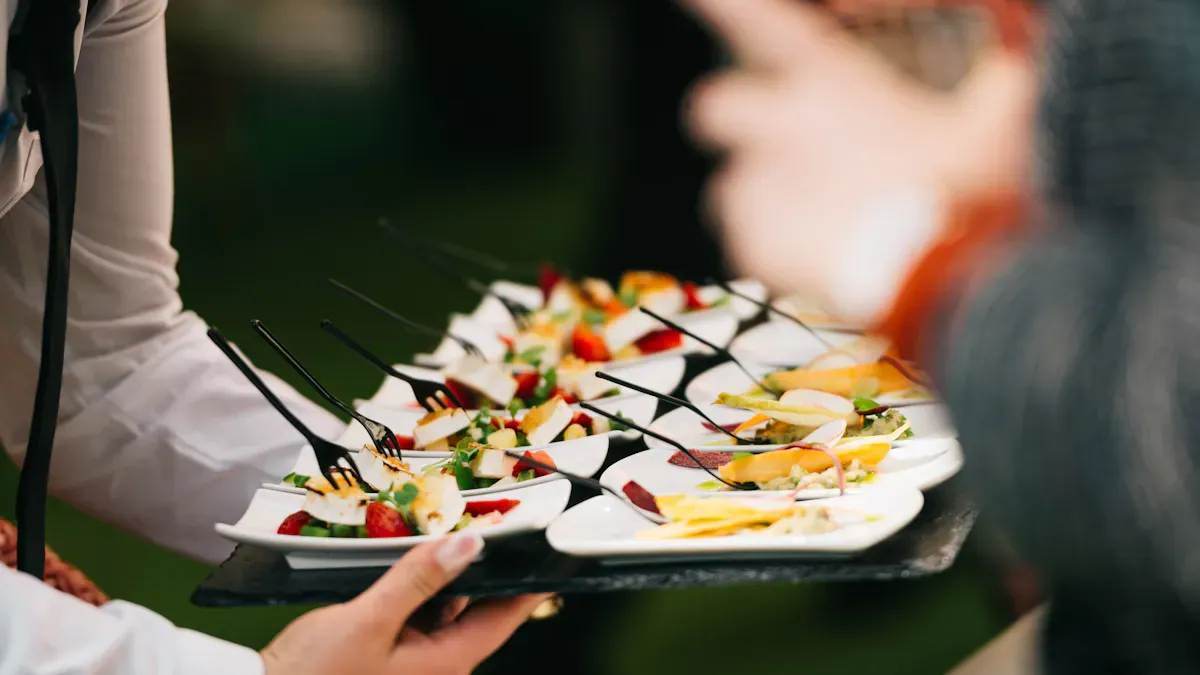
You see palm leaf plates in action at many outdoor catering events. These plates handle barbecue, salads, and desserts at family reunions. You notice that they do not bend or leak, even with heavy and messy foods. Customers report that palm leaf plates maintain their shape and integrity during outdoor parties. You can serve burgers, ice cream cake, and oily foods without worrying about spills. Many users appreciate the natural look and premium feel of these plates. You choose palm leaf plates for mobile dining because they provide reliable insulation against heat and cold. The multilayer palm fibers trap air, slowing heat transfer and keeping food at the right temperature.
Palm leaf plates work well for food trucks and pop-up events.
You use them for weddings, picnics, and corporate gatherings.
Guests enjoy the stylish design and sturdy build.
You compare palm leaf plates to sugarcane pulp alternatives. Palm leaf plates offer better heat insulation and leak resistance. Sugarcane pulp plates often let heat move through quickly, making them less effective for hot foods. You select palm leaf plates for mobile catering when you need strong insulation and durability.
Expert tip: For high-end mobile catering, use palm leaf plates with insulated serving trays and silicone insulation pad liners. This combination maximizes heat retention and protects food quality.
Palm Leaf vs. Silicone Insulation Pad
You want to know how palm leaf plates compare to silicone insulation pad options. Palm leaf plates use natural fibers to block heat transfer. The multilayer structure traps air, creating a barrier against heat. Silicone insulation pad products rely on synthetic materials. Silicone has high heat resistance and flexibility. You use silicone insulation pad liners to keep food warm in transport. Silicone insulation pad trays protect hands from heat and prevent burns.
Palm leaf plates are fully biodegradable. You compost them at home or in industrial facilities.
Silicone insulation pad products do not decompose. Silicone can take hundreds of years to break down.
Palm leaf plates enrich the soil after disposal. Silicone insulation pad liners leave no benefit for the environment.
You notice that silicone insulation pad trays perform well for repeated use. Silicone insulation pad liners resist stains and odors. You clean silicone insulation pad products easily. Palm leaf plates offer single-use convenience and natural beauty. You choose palm leaf plates for eco-friendly events and silicone insulation pad trays for long-term catering equipment.
Feature |
Palm Leaf Plates |
Silicone Insulation Pad |
|---|---|---|
Heat Insulation |
Excellent |
Excellent |
Sustainability |
Compostable, biodegradable |
Not biodegradable |
User Experience |
Natural, stylish |
Flexible, reusable |
Disposal |
Enriches soil |
Lasts centuries |
Mobile Dining |
Leak-proof, sturdy |
Durable, easy to clean |
You select palm leaf plates when you want strong heat insulation and sustainability. You use silicone insulation pad trays for repeated catering operations. You combine both for optimal performance in high-end mobile catering.
You see how palm fiber physics gives your catering events strong insulation. Ecolipak’s plates and bowls help keep food safe, warm, and fresh. You benefit from durability, sustainability, and food safety. You make your event greener with these choices:
Compostable napkins fit green events and break down easily.
Biodegradable sugarcane bowls stay strong and microwave-safe.
You compost these products in commercial facilities within months.
Choose Ecolipak for your next event. You support science, quality, and the planet.
FAQ
What makes palm fiber plates effective for heat insulation?
You benefit from palm fiber plates because their multilayer structure traps air. This slows heat transfer. The physics of thermal insulation shows that air pockets reduce conduction, convection, and radiation. You keep food warm or cool longer during outdoor catering.
How does biochar relate to palm fiber insulation?
You see biochar as a product of biomass. Biochar improves soil and supports biochar applications. In palm fiber plates, biochar can enhance adsorption properties. You use biochar to boost thermal insulation and adsorption, making plates more effective for food safety.
Can palm fiber plates help with wastewater treatment?
You use palm fiber plates in wastewater treatment because their fibers support adsorption. The plates absorb contaminants from wastewater. You rely on the physics of adsorption to remove pollutants. Palm fiber plates offer eco-friendly solutions for wastewater treatment.
Why is adsorption important in palm fiber products?
You depend on adsorption to trap heat and contaminants. Palm fiber plates use adsorption to slow heat transfer and remove impurities from wastewater. The physics of adsorption shows that more surface area means better adsorption. You get improved insulation and cleaner wastewater.
Are palm fiber plates sustainable compared to other materials?
You choose palm fiber plates because they come from biomass. The plates break down naturally. You compost them after use. Palm fiber plates support sustainability and biochar applications. You avoid plastic waste and help protect the environment.
Tip: You maximize insulation and adsorption by using palm fiber plates for both catering and wastewater treatment.
Feature |
Palm Fiber Plates |
Plastic Plates |
|---|---|---|
Insulation |
Excellent |
Poor |
Adsorption |
Strong |
Weak |
Sustainability |
High |
Low |