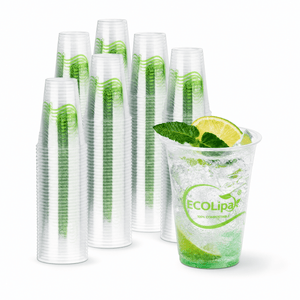
So, is pla waterproof? The material itself resists water well. However, your 3D printed parts are not truly waterproof right off the printer. The printing process leaves tiny gaps between layers, creating paths for water to seep through. You can make many useful parts with PLA, from custom prosthetics to simple pla drinking cups. Achieving waterproof 3d prints requires extra steps to seal these parts completely.
Note: The key challenge isn't the plastic, but the printing method. Making your creations waterproof is an achievable goal.
Key Takeaways
-
PLA plastic resists water, but 3D printed parts are not waterproof. The printing process leaves tiny gaps between layers.
-
You can make 3D prints waterproof. Adjust printer settings like increasing wall lines and infill. Apply a sealant like epoxy resin.
-
Waterproof means no leaks. Watertight means no leaks and resistance to water damage. The base PLA material is waterproof, but the printed object is not.
-
Long-term water exposure can damage PLA. Water causes the material to break down. It can also lead to bacteria growth in tiny gaps.
-
For guaranteed waterproof and food-safe items, consider professional products. These products have a reliable, pre-applied waterproof lining.
So, Is PLA Waterproof Out of the Box?
You now know that PLA parts need extra work to become waterproof. The raw PLA material itself resists water, but the 3D printing process introduces a critical weakness. Let's explore why your freshly printed parts are more like a sponge than a solid barrier.
Layer Lines: The Source of Leaks
When you 3D print an object, your printer builds it layer by layer. Each new layer of molten plastic is laid on top of the previous one. This process, known as Fused Deposition Modeling (FDM), is amazing, but it isn't perfect.
Scientific studies show that the molten material doesn't completely fill the space between layers. This creates tiny, invisible gaps or voids. Think of it like stacking round logs; you will always have small spaces between them. These imperfections create paths for water to slowly seep through your parts. Researchers even study these gaps by setting printed parts in epoxy and examining them under a microscope to understand how they form. These tiny channels are the primary reason your 3D printed parts leak.
Did You Know? Even a perfectly tuned printer creates these micro-gaps. They are a natural result of the FDM printing process, making post-processing essential for truly waterproof parts.
Understanding Waterproof and Watertight Parts
The terms "waterproof" and "watertight" often get used interchangeably, but they have distinct meanings in manufacturing. Understanding this difference helps you set the right goals for your projects.
-
Watertight: A part is watertight if it prevents water from passing through it. Standards like ASTM D4068 specify that a material must show no evidence of leaking to be considered watertight. This is the goal for parts like vases or planters.
-
Waterproof: A waterproof material not only stops leaks but also resists damage from water over time. It can often withstand water pressure. For example, ISO 811 is a standard used to measure how much water pressure a material can handle before it starts to leak.
So, is PLA waterproof? The base material is, but the printed object is not. Your goal is to make your printed parts both watertight and durable enough to be considered fully waterproof for their intended use. Creating waterproof and watertight parts is an achievable goal with the right techniques.
How to 3D Print Waterproof Parts
You can achieve excellent results and create waterproof parts right from your 3D printer. Success comes from a two-step approach. First, you will fine-tune your printer's settings. Second, you will apply a sealant. Combining these methods is the best way to make your 3d print waterproof parts.
Optimizing Your Slicer Settings
Your journey to waterproof 3d prints begins in your slicer software. Before you even press "print," you can adjust settings to minimize gaps and strengthen layer bonds. These changes create a much better foundation for your parts.
⚙️ Key Slicer Adjustments for a Watertight Seal:
-
Increase Wall Line Count: Your print's outer walls are the first line of defense against leaks. A higher wall count adds redundancy. If one wall has a tiny hole, the next one can block the water. You should use at least 3 to 4 wall lines. For extra security, you can increase this to 5 or 6.
-
Slightly Over-extrude: Under-extrusion leaves small gaps between lines of plastic. You can fix this by increasing your flow rate or extrusion multiplier. A small increase, often to around 105-110%, pushes more material through the nozzle. This helps fill every void, making the part more solid.
-
Print Hotter and Wider: Using a higher print temperature helps the layers of molten material melt together more effectively. This creates stronger layer adhesion. Additionally, using a wider nozzle (e.g., 0.6mm instead of 0.4mm) produces thicker lines that are less likely to have gaps. This is a great strategy when choosing the best filament for waterproofing.
-
Use 100% Infill: For parts that need to be completely waterproof, you want them to be solid. Set your infill to 100%. Patterns like "grid" or "cubic" work well because they create a strong internal structure with no empty space.
Pro Tip: Calibrating your printer is crucial. Even the best settings won't work well if your machine isn't properly tuned. Start with a calibrated printer to get the best results when you print waterproof parts.
How to Post-Process a Part to Make It Waterproof
Optimizing slicer settings gets you close, but post-processing is what guarantees a truly waterproof seal. To post-process a part to make it waterproof, you must apply a coating that fills any remaining microscopic pores. These post-processing methods create a solid, non-porous barrier.
🧪 Popular Post-Processing Methods:
-
Food-Safe Epoxy Resin Epoxy is one of the most effective post-processing methods. You mix two parts, a resin and a hardener, and brush a thin layer over your print. The epoxy seeps into every crack and cures into a hard, glassy shell. This makes the surface perfectly smooth and easy to clean. For items that will touch food or drink, you must use a food-grade epoxy. This creates a safe barrier between the plastic material and your food. A full cure usually takes 12 to 24 hours.
-
Polyurethane Spray Polyurethane is another great option to apply a waterproof coating. It is easy to apply and provides a durable, waterproof finish. For the best results, apply several thin coats instead of one thick coat to avoid drips. After your final coat, you should let the part cure for at least 72 hours before use. This ensures the coating is fully hardened and ready to repel water.
-
Silicone Sealant (Use with Caution) Many people wonder about using common silicone sealant. However, silicone does not stick well to the smooth surface of PLA. The bond is often weak and can peel away over time, making it unreliable for a long-lasting waterproof seal. It is not one of the recommended post-processing methods for coating entire parts. Encapsulating PLA parts completely in silicone can work, but simply coating the surface is not effective.
Ultimately, the right materials for printing waterproof parts combined with a good coating will give you durable, leak-free results for all your projects.
Ecolipak: A Ready-Made Waterproof Solution
Making your 3D printed parts waterproof takes time and careful work. When you need a reliable, food-safe, and waterproof solution for beverages right away, you have an easier option. Instead of experimenting with your own printed parts, you can turn to a professional product designed for the job.
The Professional PLA-Lined Alternative
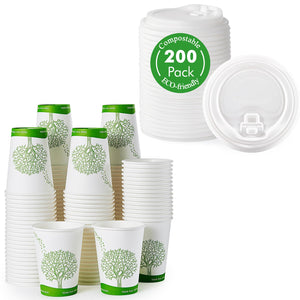
You can choose the Ecolipak 12 oz Compostable Paper Coffee Cups. These cups use a thin, professionally applied PLA lining. This industrial process creates a perfectly uniform and waterproof barrier inside the paper cup. Unlike DIY parts, you do not have to worry about small gaps or leaks. These cups are designed from the start to be completely waterproof and can safely hold hot drinks up to 140°F. You get a flawless result without needing to test your own custom parts for leaks. This makes them an excellent waterproof alternative.
Safe and Sustainable for Every Sip
Your safety is important, especially with items that touch your food or drink. Creating food-safe 3D printed parts requires special materials and coatings. Ecolipak cups offer you complete peace of mind. They are BPA-free and made from FDA-compliant materials, ensuring they are safe for you and your family.
You get a convenient, eco-friendly choice that avoids the hassle of waterproofing DIY parts. These cups are also BPI Certified, which guarantees they are 100% compostable in commercial facilities.
This ready-made solution saves you time and removes any safety concerns. You can trust that your cup is both fully waterproof and environmentally responsible. It is a smart and sustainable choice when you need guaranteed waterproof performance for any event.
How Water Affects PLA Prints
Even if you create parts that seem waterproof, long-term water exposure can still cause problems. You should understand how water affects the PLA material itself. Water can weaken your parts and create health risks over time.
Structural Degradation Over Time
Your PLA parts will not last forever when left in water. The plastic material slowly breaks down through a process called hydrolysis. This happens when water molecules attack the polymer chains in the PLA. Studies show this degradation can start sooner than you think.
You might first notice visual changes. After just a few weeks in water, your parts can start to turn slightly yellow. This is an early sign that the material is degrading. Over several months, the mechanical properties of your parts also change significantly.
Did You Know? Research shows how PLA properties change when submerged in water. This table gives you a general idea of what to expect.
|
Property Change |
Approximate Timeframe |
|---|---|
|
First signs of discoloration |
2 weeks |
|
Drop in yield strength |
~12 weeks |
|
Substantial loss of strength |
After 12 weeks (accelerated tests) |
This slow breakdown means that even initially waterproof parts can fail over time. The constant exposure weakens the material, making your parts brittle and unreliable for long-term use.
The Risk of Bacteria Growth
The tiny gaps between layers in your 3D printed parts create a serious problem. They are perfect hiding places for bacteria. When these parts get wet, they can become breeding grounds for harmful germs.
Scientific studies have shown that bacteria like E. coli, Staphylococcus aureus, and Pseudomonas aeruginosa can grow in the porous surface of PLA. Because these gaps are microscopic, you cannot clean them effectively. Washing your parts may not remove all the hidden bacteria. This makes unsealed PLA a poor material choice for anything that will touch your food or drink. The risk of contamination is high. Using a food-safe, waterproof coating is essential to seal these pores and make your parts safe.
So, is pla waterproof? Your untreated parts are not reliably waterproof. You can create waterproof 3d prints with the right settings and coatings. For a guaranteed waterproof and food-safe option, professionally made products like Ecolipak cups are your most convenient choice.
Final Tip: Always test your custom parts before use.
Submerge your parts in water and watch for bubbles.
Gently squeeze the print to check for weak spots.
Visually inspect the surface for any tiny gaps.
This testing ensures your waterproof 3d prints are ready for any task.
FAQ
Can you drink from a PLA cup?
You should not drink from an untreated PLA print. The layer lines can trap bacteria, making it unsafe. For a safe option, you must apply a food-grade epoxy coating to seal the surface completely. This creates a smooth, washable barrier.
How long does PLA last in water?
PLA slowly breaks down in water over several months. You might see discoloration in a few weeks. The material becomes brittle and loses its strength over time. For long-term underwater use, you should choose a different material like PETG or ABS.
What is the best way to make PLA waterproof?
The best method combines slicer settings and post-processing. You can print waterproof parts with more walls and 100% infill. Then, apply a coating like epoxy resin. This two-step approach creates the most reliable seal for your projects.
Is PLA waterproof for outdoor use?
No, standard PLA is not ideal for outdoor use. The answer to is pla waterproof outdoors involves more than just water. Sunlight (UV radiation) also makes PLA brittle. You need a special UV-resistant coating to protect your parts from both water and sun damage.
What settings help print waterproof parts?
⚙️ To print waterproof parts, you should increase your wall line count to at least 4. You can also use a slightly higher print temperature for better layer adhesion and increase your flow rate to around 105% to fill any gaps.