


If you reach for paper cups for tea, you get quick convenience and less mess. These cups feel light, keep tea warm, and often show off fun designs. Still, some can get soggy, cost more, or end up hard to recycle. Think about what matters most to you.
Key Takeaways
Paper cups offer convenience and hygiene, making them ideal for busy lifestyles and gatherings.
Choose eco-friendly options like Ecolipak's cups to support sustainability and reduce environmental impact.
Be aware of potential drawbacks, such as leakage and health concerns, when selecting paper cups for your tea.
Paper Cups for Tea Overview
Main Pros and Cons
When you think about paper cups for tea, you probably want something quick and easy. These cups offer plenty of benefits, but they also come with a few drawbacks. Here’s a simple look at the advantages and disadvantages:
You get convenience. Paper cups are lightweight and perfect for busy mornings or group events.
Hygiene stays high. You use a fresh cup every time, so you don’t worry about germs.
Many cups show off fun designs or let you add your own logo.
Some cups can leak or get soggy, especially with hot drinks.
Premium eco-friendly cups may cost more than regular ones.
Materials matter, too. Most paper cups use wood pulp, which is strong but not always great for the planet. Some brands use bamboo fiber or bagasse, which break down faster and help protect the environment.
If you care about green living, Ecolipak offers cups made from biodegradable paper and plant-based coatings. These cups skip the plastic lining and use compostable materials, making them a better choice for the earth.
When to Use Paper Cups
You might reach for paper cups when you host a party, pack a picnic, or need a quick drink at work. They work well for outdoor events, school gatherings, and busy families. If you want to avoid washing dishes or need something safe for kids, paper cups make life easier. Eco-friendly options like Ecolipak’s cups fit best when you want to protect your health and the planet at the same time.
Advantages of Paper Cups
Convenience
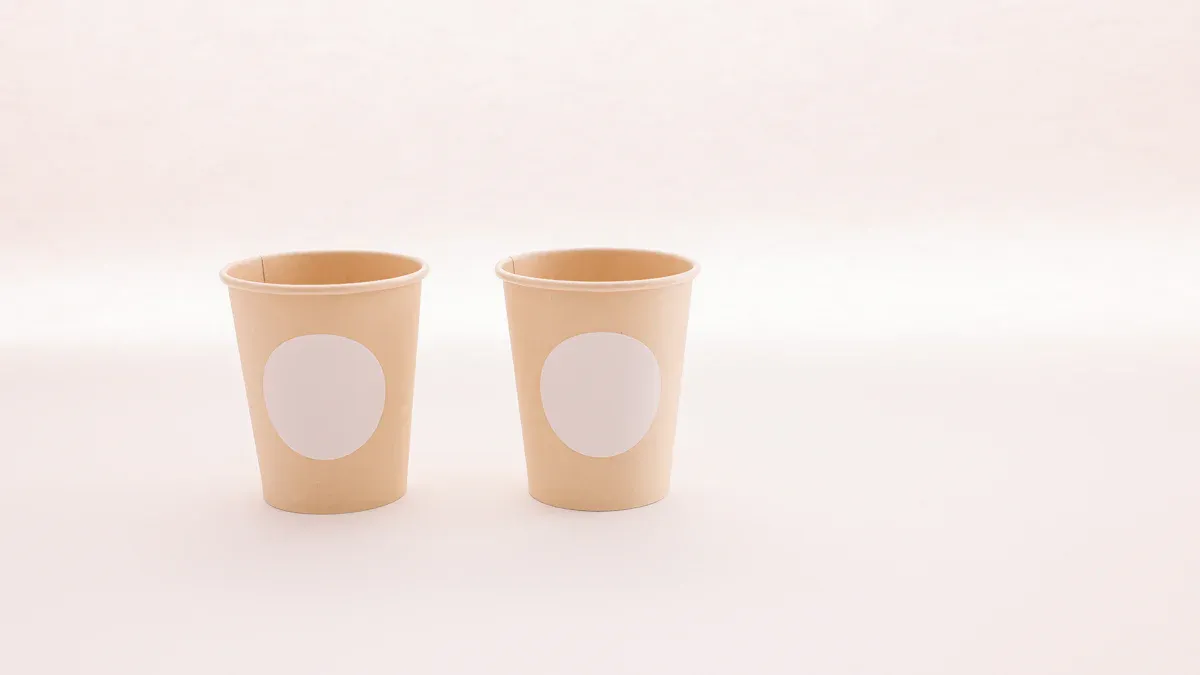
You want life to be simple, especially when you’re busy or on the go. Disposable paper cups make serving tea quick and easy. You don’t have to wash anything after a party or picnic. Just pour, sip, and toss. These cups are lightweight, so you can carry a stack without any trouble. If you’re hosting a big event or running late for work, you’ll find them super convenient. Ecolipak’s sustainable paper cups even come with secure lids, so you can take your tea anywhere without worrying about spills. That’s a real time-saver!
Hygiene and Safety
You care about your family’s health. Using a fresh cup every time means you don’t have to worry about germs or leftover flavors. Disposable paper cups help keep things clean, especially at gatherings or in public places. Ecolipak’s sustainable paper cups meet strict food safety standards, including FDA approval. You can trust that your tea stays safe and pure. The cups are also BPA-free, so you avoid harmful chemicals. This peace of mind matters when you want to protect your loved ones.
Affordability
You might think eco-friendly options always cost more, but that’s not always true. Many disposable paper cups are priced to fit most budgets, especially when you buy in bulk. Ecolipak’s sustainable paper cups offer great value because they combine durability with environmental benefits. You get sturdy, compostable cups that don’t break the bank. Customers often say these cups are just as affordable as regular ones, but much better for the planet.
Branding Options
If you run a business or host events, you can turn every cup into a mini billboard. Custom-printed sustainable paper cups let you show off your logo, colors, or even a special message. This helps people remember your brand and makes your event feel special. Here’s how businesses use branding on cups:
Branding Opportunity |
Description |
|---|---|
Mobile Billboards |
Custom printed cups spread your message wherever customers go. |
Brand Consistency |
Logos and colors on cups create a strong, unified look. |
Targeted Messaging |
Share special offers or promotions right on the cup. |
QR Codes |
Let customers scan and connect with your brand online. |
Innovative Designs |
Heat-sensitive cups reveal hidden messages when hot, surprising and delighting tea drinkers. |
You can even use heat-sensitive designs that reveal a secret message when you pour in hot tea. That’s a fun way to engage your guests or customers!
Sustainable Paper Cups
You want to do your part for the planet. Choosing sustainable paper cups makes a real difference. Ecolipak’s Biodegradable White Paper Hot Cups with CPLA Lids are a great example. These cups use biodegradable paper and plant-based lids, so they break down naturally after use. They’re 100% compostable cups, which means you can toss them in your compost bin and help reduce landfill waste.
Sustainable paper cups stand out because they:
Use materials from responsibly managed forests (look for FSC® and PEFC™ certifications).
Meet food safety standards like FDA approval.
Carry compostability labels such as BPI.
Follow strict quality and safety systems, including ISO 9001, BRC, and ISO 22000.
You get more than just eco-friendly materials. Ecolipak’s sustainable paper cups are durable, leak-proof, and work for both hot and cold drinks. Customers love how sturdy they feel and how well they hold up at parties, picnics, and even daily use. You don’t have to sacrifice quality for sustainability.
Tip: If you want to make a positive impact, choose compostable cups and recyclable cups whenever possible. Every small step helps protect the environment for future generations.
When you pick sustainable paper cups, you show you care about the earth and your health. You also inspire others to make greener choices. That’s one of the biggest advantages of disposable paper cups—making life easier while doing good.
Disadvantages of Paper Cups
When you grab a paper cup for your tea, you probably expect a quick and easy experience. But sometimes, these cups come with a few surprises you might not love. Let’s look at what can go wrong and why you might want to think twice before making them your everyday choice.
Leakage and Heat Retention
Have you ever had a paper cup start to leak or feel too hot to hold? That’s a common problem. Not all paper cups for tea are made the same way. Some use thin coatings or weak materials that can’t handle hot drinks for long. If the seams or joints are not strong, your tea might end up on your hands or your table.
Here’s a quick look at the most common leakage and heat issues:
Leakage Issue |
Description |
|---|---|
Improper Coating |
Inconsistent thickness or poor-quality coating can let tea seep through the cup. |
Low-Quality Materials |
Weak cup walls may buckle or leak, especially with hot liquids. |
Weak Seams and Joints |
Liquid can escape from poorly sealed seams, causing messy spills. |
Temperature Sensitivity |
Hot tea can warp or weaken the cup, making it hard to hold and more likely to leak. |
Inconsistent Cup Sizing |
Lids may not fit well, leading to spills and frustration. |
You want your tea to stay warm, but not burn your hands. Some paper cups lose heat quickly, so your drink cools down faster than you’d like. Others get so hot on the outside that you need a sleeve or double cup. This can feel wasteful and annoying, especially if you’re on the go.
Health Considerations
You care about what goes into your body, so it’s smart to ask what’s in your cup. Some paper cups use plastic coatings to stop leaks. These coatings can sometimes contain chemicals like BPA, though most modern cups are BPA-free. Still, there are other things to watch for:
Plastic coatings may leach chemicals into hot tea.
Some cups use inks or dyes for designs, which could pose risks if not food-safe.
PFAS (per- and polyfluoroalkyl substances) are sometimes added to make cups water-resistant. Studies link PFAS to health problems, including cancer.
Researchers have also found small amounts of metals like aluminum, barium, and chromium in some cups. While the risk is usually low, it’s something to keep in mind if you drink tea from paper cups every day. Some cups even contain tiny amounts of naturally occurring radioactive elements, but experts say the risk is minimal.
Tip: If you want to avoid these worries, look for cups labeled BPA-free, PFAS-free, and made with food-safe inks.
Environmental Impact
You might think paper cups are always good for the planet, but the truth is more complicated. Many paper cups for tea use a thin plastic lining to stop leaks. This makes recycling tricky because most recycling centers can’t separate the paper from the plastic. As a result, many cups end up in landfills, where they can take years to break down.
Let’s compare the environmental impact of different cup types:
Cup Type |
Environmental Impact |
|---|---|
Paper Cups |
Biodegradable, but plastic linings make recycling hard and add to pollution. |
Styrofoam Cups |
Not biodegradable, last for centuries, and release harmful chemicals. |
Overall Impact |
Paper cups can lead to deforestation and methane emissions if not disposed of properly. |
Here are some facts that might surprise you:
Every year, 6.5 million trees are cut down to make 16 billion paper cups.
Making just one paper cup releases about 110 grams of CO2.
If paper cups end up in landfills, they can leak microplastics and produce methane, a powerful greenhouse gas.
You want to do your part for the earth, but the disadvantages of disposable paper cups can make that tough. Choosing compostable or recyclable options helps, but only if you dispose of them the right way.
Durability Issues
Paper cups look sturdy at first, but they don’t always hold up. If you leave tea in a cup for too long, the paper can get soggy or start to break down. This is especially true with hot drinks. The average shelf life of a paper cup is about one to two years if you store it properly. But once you pour in your tea, the clock starts ticking.
Cups with plastic or PLA linings last up to 24 months on the shelf.
Water-based barrier cups last about 18 months.
In real use, quality and weather can make a big difference.
If you’re planning a long event or want to reuse your cup, you might find that paper isn’t as tough as you hoped.
Cost of Premium Options
You might notice that eco-friendly or premium paper cups cost more than regular ones. If you want cups that are compostable, PFAS-free, or made with special coatings, you’ll probably pay extra. For big events or daily use, these costs can add up. While you get better health and environmental impact, your wallet might feel the difference.
Note: Sometimes, paying a little more for a greener choice feels worth it. But it’s good to know what you’re getting for your money.
Paper cups for tea offer lots of convenience, but they come with trade-offs. By understanding these challenges, you can make smarter choices for your health, your wallet, and the planet.
Choosing Sustainable Paper Cups

What to Look For
You want to make smart choices when picking sustainable paper cups. Look for cups made from eco-friendly material and check for certifications like FSC, EN 13432, or BPI. These labels show that the cups come from responsibly managed forests and break down safely in composting facilities. You should also think about the cup’s design. Double-wall and sleeved cups keep your tea hot and your hands comfortable. CPLA-lined cups use plant-based bioplastic, which is compostable and better for the planet.
Type of Cup |
Description |
Eco-Friendly Option |
|---|---|---|
Single-Wall Cups |
Simple, best for short-term use |
No |
Double-Wall Cups |
Extra insulation, great for hot tea |
Yes (if made with eco-materials) |
CPLA-Lined Cups |
Compostable, made from corn starch bioplastic |
Yes |
PLA-Lined Cups |
Bioplastic, not always compostable at home |
Limited |
Sleeved Cups |
Added grip and insulation |
Yes (if made with eco-materials) |
Ecolipak’s Eco-Friendly Solutions
Ecolipak gives you sustainable paper cups that check all the boxes. Their Biodegradable White Paper Hot Cups with CPLA Lids use eco-friendly material and offer leak-proof protection. You get cups that are compostable, BPA-free, and safe for hot or cold drinks. Ecolipak’s products carry certifications like FSC and BPI, so you know you’re choosing eco-friendly products. Customers love the sturdy feel and the peace of mind that comes with using sustainable alternatives. You help protect green spaces and support a cleaner planet every time you choose Ecolipak.
Tip: Look for compostable labels and certifications to make sure your sustainable paper cups really help the environment.
Responsible Use and Disposal
You can make a bigger impact by using sustainable paper cups the right way. Try to use reusable cups when you can. If you use disposable cups, pick compostable ones and toss them in the compost bin. Always empty your cup before recycling and check local guidelines. Many cities, like New York, Seattle, and San Francisco, accept paper cups in residential recycling.
City |
Recycling Capability |
|---|---|
New York City |
Accepts paper cups in residential recycling |
Seattle |
Accepts paper cups in residential recycling |
San Francisco |
Accepts paper cups in residential recycling |
Washington, DC |
Accepts paper cups in residential recycling |
Denver |
Accepts paper cups in residential recycling |
You can also spread the word about sustainable alternatives and encourage others to choose eco-friendly products. Every small step helps protect your family’s health and the environment.
You have many choices when picking cups for tea. Think about what matters most to you:
Convenience and cost
Health and safety
Environmental impact
Brand image and customization
Sustainable options like Ecolipak help you protect the planet and enjoy your tea. Try eco-friendly cups for a greener lifestyle! 🌱
FAQ
Can you use paper cups for hot tea?
Yes, you can use paper cups for hot tea. Choose cups labeled for hot drinks to avoid leaks and keep your hands safe.
Are compostable paper cups safe for your health?
Compostable paper cups use plant-based materials. You avoid harmful chemicals like BPA and PFAS. These cups keep your tea pure and safe for your family.
How do you dispose of eco-friendly paper cups?
Toss compostable cups in your compost bin. If your city recycles paper cups, empty and rinse them first. You help protect the planet with every cup.

