Ready to upgrade your everyday kitchen routine? You can reduce waste with five planet friendly kitchen swaps: beeswax wraps, cloth towels, compostable wooden cutlery, glass jars, and compostable trash bags. Going zero waste feels easy and sustainable. Take environmentally friendly steps—these swaps make your zero-waste kitchen possible.
Key Takeaways
-
Swap plastic wrap for beeswax wraps. They are reusable, compostable, and help reduce plastic waste.
-
Replace paper towels with cloth towels. This change cuts down on landfill waste and saves money over time.
-
Use compostable wooden cutlery instead of plastic utensils. They break down naturally and are safer for the environment.
Beeswax Wraps for a Zero-Waste Kitchen
Ditch Plastic Wrap
Plastic wrap seems convenient, but it creates a lot of waste. You use it once, then toss it in the trash. Most plastic wraps stick around for centuries, harming the planet and cluttering your kitchen. If you want a zero-waste kitchen, swapping out plastic wrap is one of the easy swaps you can make. Beeswax wraps offer a reusable product that lasts much longer.
Here’s a quick look at how beeswax wraps compare to plastic wrap:
|
Feature |
Beeswax Wraps |
Plastic Wrap |
|---|---|---|
|
Lifespan |
Up to 1 year |
1-2 months |
Choose Beeswax Wraps
Beeswax wraps are a planet friendly kitchen swap that helps you start going zero waste. You can use them to cover bowls, wrap sandwiches, or keep produce fresh. They work like plastic wrap, but you can reuse them again and again. Beeswax wraps are made from natural materials, so they support a zero-waste kitchen and reduce chemical exposure.
-
Reduces plastic waste because you reuse them.
-
Compostable and biodegradable, so they break down naturally.
-
Made from renewable materials like organic cotton and beeswax.
-
Safer for your health and the environment.
Caring for beeswax wraps is simple. You just rinse them in cool water and use mild soap. Always wash by hand and avoid hot water. For stubborn stains, use a soft cloth and gentle scrubbing. Lay them flat to air dry before storing. Keep your wraps in a cool, dry place away from heat. Spot treat when needed to conserve water and prolong their lifespan.
Tip: Beeswax wraps work well with reusable produce bags and a reusable filter for coffee or tea. These swaps help you build a zero waste routine that feels easy and convenient.
Cloth Towels—Planet Friendly Kitchen Swaps
Replace Paper Towels
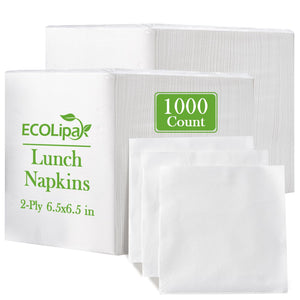
You probably reach for paper towels without thinking. They seem handy, but they create a huge waste problem. Paper towels are non-recyclable and pile up in landfills. They account for about 35% of municipal solid waste by weight. When they break down, they release methane, which is a strong greenhouse gas. The cycle of using and tossing paper towels is tough to manage and hurts the environment.
Switching to un-paper towels is one of the planet friendly kitchen swaps that makes a real difference. Reusable towels, like Swedish dishcloths, can be washed and reused. You cut down on waste and help your zero-waste kitchen goals.
Did you know? An average household uses 60-150 rolls of disposable paper towels each year. If you switch to un-paper towels, you only need 10-20 reusable towels annually.
|
Option |
Annual Waste Generated |
|---|---|
|
Disposable Paper Towels |
60-150 rolls |
|
Reusable Towels |
10-20 towels |
Use Reusable Cloth Towels
Choosing the right un-paper towels is easy. Look for organic cotton, hemp, linen, cellulose blends from wood pulp, or responsibly sourced bamboo fabric. These materials last longer and are better for the planet. Avoid microfiber cloths because they shed microplastics. Upcycled or recycled materials are even more sustainable.
To keep your reusable towels clean and fresh, follow these steps:
-
Place towels where you use them most.
-
Wash them regularly with mild detergent.
-
Air dry to save energy.
-
Store them in a dry spot.
-
Track how many you use to see your progress.
You upgrade your kitchen and make zero waste feel simple. Small swaps like this help you build a zero-waste kitchen that’s convenient and planet friendly.
Compostable Wooden Cutlery by Ecolipak
Swap Plastic Utensils
Plastic utensils seem handy, but they create a big problem for the planet. Most plastic forks and spoons end up in landfills or oceans. Animals can eat them by mistake, which can hurt or even kill them. Recycling plastic utensils is tough because of their shape and material. Factories make over 300 million tons of plastic every year, and this process uses fossil fuels. That means more greenhouse gases and more pollution.
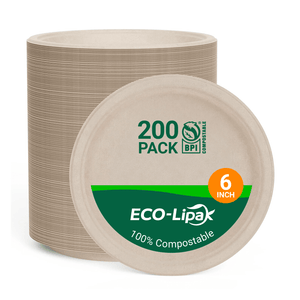
You can make a difference with one of the easiest swaps. Try Ecolipak’s compostable wooden cutlery. This reusable product helps you cut down on plastic waste and supports a zero-waste kitchen.
|
Material |
Decomposition Time |
|---|---|
|
Compostable Wooden Cutlery |
45 to 180 days |
|
Plastic Utensils |
More than 2 years |
Choose Compostable Wooden Cutlery
Ecolipak’s compostable wooden cutlery stands out for its plant-based materials. The cutlery uses cornstarch instead of plastic, so it breaks down in composting. You can use it for hot foods because it resists heat. Families love the safe and sustainable design.
Here are the certifications that show Ecolipak’s commitment to safety and the environment:
|
Certification |
Focus |
Standards/Benefits Ensured |
|---|---|---|
|
FDA |
Food safety |
Safe for food contact; no harmful chemicals |
|
FSC |
Sustainable sourcing |
Wood from responsibly managed forests |
|
BPI |
Compostability |
Breaks down safely in compost |
|
TÜV Austria |
Compostability |
Home and industrial composting certified |
Customers share great feedback about Ecolipak’s compostable cutlery:
-
You get sturdy forks, knives, and spoons that don’t break easily.
-
You help the planet by reducing plastic waste.
-
You feel proud using compostable products at home or events.
Switching to compostable wooden cutlery is simple. You upgrade your kitchen, protect the environment, and enjoy a product that works for everyday meals or special occasions.
Glass Jars—Sustainable Kitchen Swaps
Replace Plastic Containers
Plastic containers might seem handy, but they can leak microplastics into your food, especially when you heat them. You want to keep your meals safe and fresh, so glass jars make a smart choice. Glass doesn’t release chemicals, and you can use it over and over. When you store leftovers or snacks in glass, you help cut down on plastic waste and support organics recycling. You also avoid the clutter that comes with mismatched plastic lids and containers.
Here’s why glass jars are a favorite for sustainable kitchen swaps:
-
You avoid microplastic contamination in your food.
-
Glass jars work for hot or cold foods.
-
You can use them for bulk shopping, which means less packaging waste.
-
They’re easy to clean and don’t stain or hold odors.
Store Food in Glass Jars
You can organize your kitchen and make recycling easier with glass jars. Try grouping similar foods together, like grains, beans, or snacks. Label each jar so you always know what’s inside. Use small jars for spices or leftovers, and big ones for flour or rice. This keeps your pantry neat and helps you see when you need to restock.
Check out some popular types of glass jars for food storage:
|
Jar Type |
Size (oz) |
Use Case |
|---|---|---|
|
Wide-Mouth Quart Jar |
32 |
Vacuum-sealing chopped lettuce and everyday food storage |
|
Pint-and-a-Half Jar |
24 |
Storing or sipping iced coffee |
|
Half-Gallon Jar |
64 |
Storing pantry staples like flour and rice |
|
Half-Pint Jar |
8 |
Homemade yogurt and lunchbox items |
|
Wide-Mouth Pint Jar |
16 |
Storing dressing, homemade mayo, and leftovers |

You can even use glass jars for more than food. Try them for organizing craft supplies, planting herbs, or storing bathroom items. Every time you reuse a jar, you help with recycling and make your kitchen more sustainable.
Tip: Start with a few jars and see how easy it is to upgrade your kitchen. You’ll love the look and the planet-friendly results!
Compostable Trash Bags for Organics Recycling
Ditch Plastic Bags
You probably use plastic trash bags every day. Most people do. In North America, each person uses about 365 plastic bags a year. The world uses around 5 trillion plastic bags annually. These bags end up in landfills and oceans. Over 87% never get recycled. Plastic bags take about 1,000 years to break down. They turn into microplastics that pollute soil and water. If you want to start going zero waste, swapping plastic bags for compostable trash bags is a smart move.
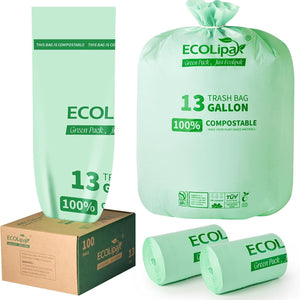
Compostable trash bags help you collect food scraps and keep your kitchen clean. They make organics recycling easy and safe for the planet.
Use Compostable Trash Bags
Ecolipak’s compostable trash bags offer a sustainable solution for organics recycling. These bags break down in industrial composting facilities in about 150 to 180 days. They do not release harmful chemicals. You can use them to collect organics like fruit peels, coffee grounds, and veggie scraps. Compostable trash bags transform waste into nutrient-rich compost for gardens.
Check out the certifications that guarantee environmental safety:
|
Certification |
Key Features |
Environmental Safety Assurance |
|---|---|---|
|
BPI |
Disintegrates in 84 days, biodegrades in 180 days, no toxic residue |
Safe compost for gardens and farms |
|
OK Compost |
Works in home composting |
Breaks down in cooler environments |
|
EN 13432 |
Needed for Europe |
Compatible with approved composting systems |
You can integrate compostable trash bags into your daily routine with a few simple steps:
-
Replace your regular kitchen trash bag with a certified compostable one.
-
Store bags in a cool, dry spot to keep them strong.
-
Use compostable bags for organics and place them in your compost bin.
Keep a bin lined with a compostable bag under your sink. Change the bag every two or three days. Tell your family what organics go in the compost bin. You upgrade your kitchen and help the planet without losing convenience.
Tip: Compostable trash bags make organics recycling simple. You support a cleaner environment and a healthier home.
You can start your zero-waste kitchen journey with just one swap. Small steps like going zero waste help keep food waste out of landfills and make your home healthier. Share your progress with friends. Your story might inspire others to try a zero waste routine and upgrade their kitchen.
FAQ
How do I start a zero-waste kitchen?
You can pick one swap, like beeswax wraps or compostable cutlery. Try it for a week. Small steps make big changes. 🌱
Are compostable products safe for food?
Yes! Compostable products, like Ecolipak’s cutlery, meet strict safety standards. You can use them for hot or cold foods without worry.
Can I wash and reuse beeswax wraps?
You can rinse beeswax wraps in cool water with mild soap. Air dry them. Use again for sandwiches, snacks, or leftovers.