This ultimate guide helps you build a zero-waste kitchen. You can start with five simple ideas: Refuse, Reduce, Reuse, Recycle, and Rot (Composting). This is not an extreme change. It is a practical path to reduce waste. The average American family wastes $1,500 on food yearly. Following these steps helps you save money and protect the planet. Simple tools like compostable trash bags make the composting step clean and easy. Let's transform your kitchen together.
Key Takeaways
Start your zero-waste kitchen journey with five simple steps: Refuse, Reduce, Reuse, Recycle, and Rot.
Refusing single-use items stops waste before it enters your home and protects the environment.
Reduce waste by planning meals, buying less, and choosing items that last longer.
Reuse items by swapping disposables for durable alternatives and giving old things new purposes.
Composting food scraps turns waste into a valuable resource and helps the planet.
Refuse: The Foundation of a Zero-Waste Kitchen
The first and most powerful step in a zero-waste journey is learning to refuse. This principle is about stopping waste before it even begins. You can prevent trash from ever entering your home by simply saying "no" to things you do not need.
What It Means to Refuse Waste
Refusing waste means making conscious choices to avoid single-use items. Many items in a modern kitchen, from plastic wrap to disposable coffee cups, create significant environmental problems. Single-use plastics have a large impact.
Making them uses fossil fuels and releases millions of tons of carbon dioxide.
They can leach harmful chemicals like BPA into the environment.
Plastics break down into tiny microplastics that pollute our water and can enter our food.
By refusing these items, you directly reduce pollution and protect natural resources. You take control of what comes into your kitchen.
Actionable Tips for Saying 'No'
Saying 'no' gets easier with practice. You can start by refusing common disposable items like plastic bags, straws, and freebies you will not use. When you shop, buy only the food you need to avoid excess. Use simple phrases at stores or cafes.
When you have leftovers at a restaurant, you can hand over your own container and ask, "Can you wrap this up in here?" For drinks, a simple "Water, no straw, please" works perfectly.
These small actions make a big difference and build your confidence.
Building Your Zero-Waste To-Go Kit
A to-go kit is your best tool for refusing waste when you are away from home. You can keep a small bag in your car or backpack with reusable essentials. This prepares you to avoid disposables wherever you go.
Here are some key items for your kit:
A reusable water bottle
A reusable coffee cup or tumbler
A set of utensils (a spork is a great option)
A cloth napkin
A reusable shopping bag
A container for leftovers or takeout
Your kit ensures you are always ready to refuse single-use items and stick to your goals.
Reduce: Buying Smarter and Owning Less
After refusing what you do not need, the next step is to reduce what you do. This means buying less and choosing items that last. Mindful consumption helps you save money and create a more efficient kitchen.
The Power of Mindful Consumption
Mindful consumption is about thinking before you buy. You can make choices that support a healthier planet. Studies show that mindful eating can reduce food waste by up to 30%. You can start by embracing local ingredients. Local produce often has less packaging and travels shorter distances. You can also choose more plant-based proteins like lentils and chickpeas, which have a smaller environmental footprint. These small shifts in your shopping habits lead to big changes.
Meal Planning to Prevent Food Waste
Meal planning is a powerful tool to reduce waste. An average American family can save around $1,500 each year by preventing food from being thrown away. A good plan helps you use everything you buy.
Weekly Tip: Check your fridge and pantry before you shop. Build your meal plan around ingredients you already have to use them up before they spoil.
Here are a few strategies for effective meal planning:
Plan Proteins Strategically: Use proteins that spoil quickly, like seafood, early in the week. Freeze other meats if you will not use them right away.
Schedule Leftover Nights: Plan one or two nights a week to eat leftovers. This ensures nothing goes to waste.
Check In Mid-Week: Review your plan halfway through the week. You can adjust meals to use up any produce that is about to go bad.
How to Build a Zero-Waste Pantry
A zero-waste pantry focuses on whole foods and bulk buying. You can store items in reusable containers to avoid packaging. This keeps your pantry organized and your food fresh. Start by stocking up on staples you use often.
Grains and Legumes: Items like rice, quinoa, lentils, and black beans are perfect for buying in bulk.
Baking Supplies: Flour, sugar, oats, and baking soda are great pantry foundations.
Snacks: Dried fruits, nuts, and popcorn are healthy options you can buy without packaging.
For storage, choose durable, airtight containers. Glass jars like Le Parfait or Bormioli Rocco are excellent choices. They seal tightly to keep pests out and allow you to see what you have at a glance.
Reuse: Giving Everyday Items a Second Life
Reusing items is a creative way to give them a new purpose and keep them out of the landfill. You can swap disposable products for reusable ones and find new jobs for old containers. This step helps you save money and reduce your household waste.
The Reusable Swap-Out Guide
Making simple swaps in your kitchen is one of the easiest ways to start. You can replace single-use items with durable alternatives. Many of these swaps pay for themselves in just a few months. For example, a set of Swedish dishcloths can replace 17 rolls of paper towels and save you money in less than a month.
This chart shows how quickly your investment in reusables can pay off.
Here is a quick look at the savings:
Disposable Item |
Reusable Alternative |
One-Time Cost |
Payback Period |
|---|---|---|---|
Ziplock bags |
Reusable silicone bags |
$40 |
2.5 months |
Plastic wrap |
Beeswax wraps |
$25 |
4 months |
Swedish dishcloths |
$20 |
< 1 month |
|
Paper napkins |
Cloth napkins |
$15 |
2.5 months |
Creative Upcycling in Your Kitchen
You can give old items a new life with a little creativity. Instead of recycling glass jars and tin cans, you can upcycle them into useful things for your home.
Plant Containers: Use large cans as planters for an herb garden. Just drill drainage holes in the bottom.
Pencil Holders: Decorate old jars to organize pens and pencils on your desk.
Food Storage: Use Mason jars with labels to store bulk spices and keep your food fresh.
Reusing Food Scraps to Maximize Value
You can get more value from your food by reusing scraps. Many parts of vegetables that you might throw away are full of flavor. Using these food scraps reduces what goes into your composting bin.
Tip: Keep a bag in your freezer for vegetable scraps like onion ends, celery bits, and carrot peels. When the bag is full, you can boil the scraps to make a delicious homemade vegetable broth.
Other ideas for using food scraps include:
Stale Bread: Make croutons or breadcrumbs.
Citrus Peels: Infuse them in vinegar for a natural all-purpose cleaner.
Wilting Vegetables: Shred carrots or zucchini into muffins or pancakes.
This practice helps you use every part of your food, saving money and preparing items for composting.
Recycle: A Guide to Proper Recycling
Recycling is an important step, but it can be confusing. Rules change depending on where you live. Learning how to recycle correctly ensures your efforts make a real impact. This guide will help you understand the basics and avoid common mistakes.
Recycling 101: Understanding Local Rules
Every town has different recycling rules. What you can recycle in one city might not be accepted in another. This is called "wish-cycling," and it can contaminate an entire batch of recyclables. You must learn your local guidelines.
Tip: Find your local rules easily. Check your city or county's official website. You can also use online tools like Earth911, which has a large database. Just enter the item and your zip code to find out where to take it.
Common Recycling Mistakes to Avoid
Putting the wrong items in your bin can cause big problems at the recycling facility. You should always keep certain items out of your recycling bin to make sure the right materials get processed.
Avoid these common contaminants:
Plastic Bags: These tangle in recycling machinery. This includes grocery bags, trash bags, and shrink wrap.
Food Waste: Leftover food on containers can ruin a whole batch of paper or cardboard. Always rinse your jars and cans.
Loose Shredded Paper: Small paper strips fall through sorting equipment. Collect shredded paper in a paper bag if your local program allows it.
Decoding Plastic Recycling Numbers
The number inside the chasing arrows symbol on plastic items tells you the type of plastic resin. It does not guarantee the item is recyclable in your area. Some plastics are much harder to recycle than others.
Here is a quick guide to what the numbers mean for kitchen items:
#1 (PET) & #2 (HDPE): Water bottles and milk jugs. These are widely recycled.
#3 (PVC): Found in some plastic food wrap. You should avoid this plastic as it is not accepted in curbside programs.
#4 (LDPE): Plastic bags and shrink wraps. Generally not recycled curbside.
#5 (PP): Yogurt cups and margarine tubs. While collected in some areas, only about 1-3% is actually recycled.
#6 (PS): Styrofoam cups and takeout containers. It is very difficult to recycle and should be avoided.
#7 (Other): A mix of plastics, including some bioplastics. This category is not standardized and usually ends up in a landfill.
Your best strategy is to refuse or reduce plastics #3, #5, #6, and #7 whenever possible.
The Ultimate Guide to Kitchen Composting
Composting is the final, powerful step in the zero-waste framework. This ultimate guide to kitchen composting shows you how to turn food scraps into a valuable resource. You can significantly reduce your landfill waste and enrich the soil.
Why Composting Is a Game-Changer
Composting transforms your organic waste. In 2019, only about 5% of wasted food was composted, with the rest heading to landfills. By diverting waste, you help reduce harmful methane gas emissions. Compost also works wonders for soil health. It acts like a sponge, helping soil hold water and nutrients. This process builds a thriving community of microbes, which reduces the need for chemical fertilizers and makes your garden more resilient.
Choosing the Right Composting Method
You have several options for composting. Your choice depends on your space and lifestyle.
Tumbler Bins: These sealed containers are great for yards. You can turn them easily to speed up decomposition.
Bokashi: This indoor method uses fermentation to break down food scraps, including meat and dairy.
Countertop Composting: For the ultimate convenience, you can use a small countertop bin. Lining it with countertop compost bin bags makes daily collection clean and simple. This is an effective, odor-free solution for any kitchen.
Choosing the Best Composting Bags for Your Kitchen
Many people worry about mess and a bad kitchen smell when starting kitchen compost. The right composting bags eliminate these concerns. High-quality composting bags for your kitchen make the process as easy as taking out the regular trash.
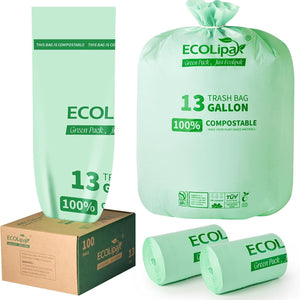
For a clean and convenient experience, choose Ecolipak's Compostable Trash Bags. These BPI Certified bags are made from plant-based PLA, ensuring they break down safely. Their tear-resistant and durable design prevents messy leaks, even with wet food scraps like coffee grounds.
These odor-control bags are engineered for superior odor control, trapping odors and keeping your kitchen fresh. Using these reliable bags makes countertop composting a simple, mess-free habit. Ecolipak is dedicated to making sustainable living accessible. Remember: Green Pack, Go for ECOLipak.
The 'Yes' and 'No' List for Success
Knowing what to compost is key. This simple list helps you succeed.
You Can Compost (Yes List) ✅ |
Do Not Compost (No List) ❌ |
|---|---|
Fruit and veggie scraps |
Meat, fish, and bones |
Crushed eggshells |
Dairy products |
Coffee grounds and paper filters |
Greasy or oily food |
Shredded paper and cardboard |
Very acidic citrus peels |
Nutshells and stale bread |
Onions and garlic |
Following this ultimate guide makes composting an easy part of your routine. You can turn your food scraps into black gold for the garden.
Your First Week: A Zero-Waste Action Plan
Starting your zero-waste journey can feel exciting. This simple action plan helps you begin with small, manageable steps. You can build lasting habits one day at a time.
A Sample 7-Day Action Plan
Follow this guide to kickstart your first week. Each day focuses on one simple change.
Day 1: Plan Your Meals. Look at what you already have. Make a shopping list to buy only what you need.
Day 2: Prep Your Lunches. Prepare your meals for the week. This helps you avoid takeout packaging.
Day 3: Preserve Your Food. Freeze extra vegetables or herbs before they spoil.
Day 4: Store Food Smartly. Learn the best way to store produce. For example, keep tomatoes on the counter, not in the fridge.
Day 5: Make Your Own Cleaner. Use up your old cleaning supplies. Then, try a simple recipe like vinegar and water.
Day 6: Use Your Scraps. Make a vegetable broth from the scraps you saved all week.
Day 7: Reflect and Learn. Think about what worked well. Celebrate your progress.
Troubleshooting Common Hurdles
You might face a few challenges. A common worry is that collecting food waste will be messy or smelly. This can make starting a composting routine feel difficult. You can overcome this with the right tools.
Tip: Make food waste disposal painless. Choose high-quality, tear-resistant compostable bags. A durable bag prevents leaks and traps odors, making the process as clean as throwing away regular trash.
This simple fix removes the "ick" factor. It helps you stick with your new habit without any mess or stress.
How to Stay Motivated on Your Journey
Staying motivated is key to long-term success. Remember that your goal is progress, not perfection.
Set Small Goals: Focus on one change at a time, like refusing plastic straws for a month.
Track Your Progress: Notice how much less trash you produce. Seeing your impact is a great motivator.
Find Your Community: You are not alone on this journey. Join online groups to share tips and find support. Communities like the zero waste subreddit offer great ideas and encouragement from people with similar goals.
Connecting with others helps you learn new strategies and celebrate your wins together.
You now have the five core principles for your zero-waste kitchen: Refuse, Reduce, Reuse, Recycle, and Rot. This flexible framework makes progress the goal, not perfection. Your journey begins with a single, manageable step.
Your Challenge: Pick just one action from this ultimate guide to implement this week. Will you build a to-go kit, start a meal plan, or set up a compost bin?
Share your first step in the comments below. Let's build a supportive community and inspire each other on this journey! 👇
FAQ
How do I stop food scraps from smelling bad in my kitchen?
You can prevent odors with the right tools. Use a bin with a lid. Line it with high-quality composting bags. These special bags trap smells from food scraps. Good composting bags keep your kitchen fresh. These bags are a great solution.
What makes some composting bags better than others?
Look for durable, tear-resistant composting bags. The best bags are certified and prevent leaks. These strong bags handle wet food scraps easily. Choosing the right composting bags makes your composting routine simple. These bags are key.
How can I manage very wet food scraps in my composting bags?
You can wrap wet scraps in a paper towel before placing them in your composting bags. This trick absorbs moisture. It helps keep your bags from getting heavy. These bags will still compost. Use good composting bags.
Is starting a zero-waste kitchen expensive?
This ultimate guide shows you how to save money. You buy less and waste less food. Using composting bags for your scraps is an affordable step. These bags are a small investment. Good composting bags make a big difference.
Are all composting bags the same?
No, quality varies. Choose BPI Certified composting bags. These bags are tested for strength. Poor quality bags can tear easily. Good composting bags make composting clean. These bags are worth it.