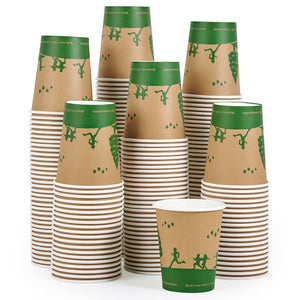
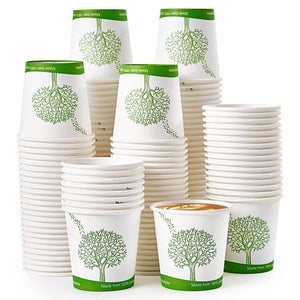
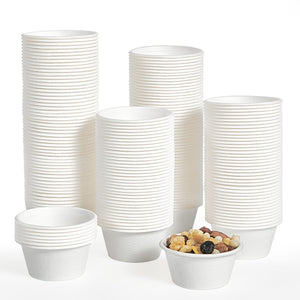
Yes, you can start your seedlings in upcycled plant nurseries using Eco-friendly Compostable Cups like Ecolipak’s Biodegradable Nature Color Paper Hot Cups with PLA Lined. You turn your kitchen into a mini nursery and help your garden thrive while reducing waste. Upcycled plant nurseries give you a creative way to reuse containers. Families love turning everyday items into nursery pots, and green living enthusiasts enjoy seeing upcycled plant nurseries sprout new life. You make a big impact by growing seedlings in upcycled plant nurseries and supporting a healthy planet.
Key Takeaways
Start your seedlings in upcycled containers to reduce waste and support a healthier planet.
Use Ecolipak’s biodegradable cups for a sturdy, compostable option that helps your seedlings thrive.
Get creative with recycled containers like egg cartons and yogurt cups to make gardening fun and educational for kids.
Ensure your recycled containers are clean and have drainage holes to prevent mold and promote healthy growth.
Teach your family about sustainability by turning everyday items into tools for gardening and upcycling.
Why Upcycled Plant Nurseries Matter
Environmental Impact of Recycled Containers
When you use recycled containers for gardening, you help keep waste out of landfills. Many people toss out single-use cups and plastics without a second thought. If you choose recycled containers instead, you give these items a second life. A study from UGA scientists found that containers made from recycled materials, like paper and coconut fiber, can break down in the soil within one growing season. This means your garden benefits, and you avoid adding more waste to the planet.
Repurposing used PLA-lined hot cups as seedling starters is a smart move for zero-waste home agriculture. You cut down on household waste and support a circular upcycling system. Every time you plant seeds in recycled containers, you help reduce the need for new plastics and keep recycled plastics out of the trash. This simple act supports a healthier environment and shows your family how easy recycling can be.
Ecolipak’s mission fits right in with this eco-friendly approach. The brand uses sustainable materials like bamboo and wood, which are biodegradable and compostable. Here’s how Ecolipak’s values line up with green gardening:
Evidence |
Description |
|---|---|
Bamboo and wood products |
Ecolipak uses renewable materials that break down naturally, reducing waste. |
Compostable products |
Their cups and plates help cut down on plastics and support sustainability. |
Permaculture support |
Bamboo helps build gardens that enrich soil and lower greenhouse gases. |
Benefits for Home Gardening
You don’t need fancy seed starting kits. Recycled containers for gardening make it easy and free to start your own plants. Here are some reasons gardeners love using recycled containers:
You save money by skipping expensive kits.
You help the planet by reducing waste and promoting recycling.
You get creative—almost any container can work in your garden.
You make gardening simple for beginners and fun for kids, teaching them about responsibility and recycling.
When you use recycled containers for gardening, you support a circular kitchen garden. You turn everyday items into tools for growing food, flowers, and herbs. This approach fits perfectly with urban permaculture and creative parenting. You show your family that green living can be fun, practical, and good for the earth.
Choosing Recycled Seed Starting Containers
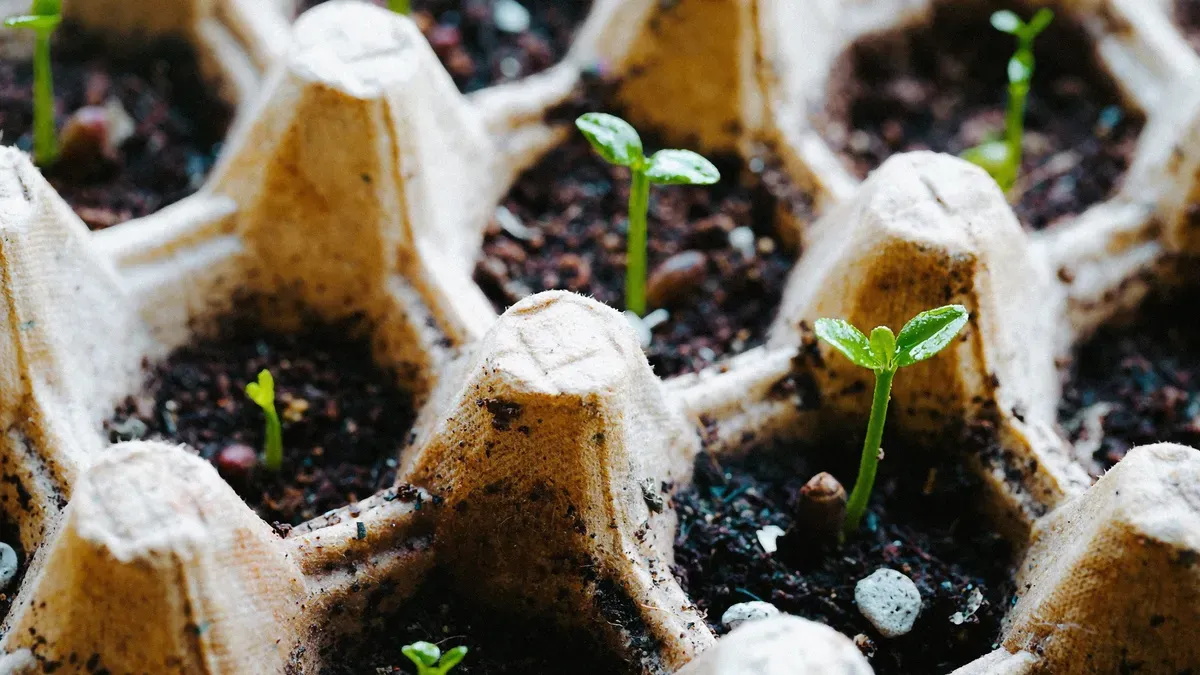
Ecolipak Biodegradable Cups for Gardening
You want to start your seedlings indoors, but you don’t need fancy pots or expensive kits. Ecolipak’s Biodegradable Nature Color Paper Hot Cups with PLA Lined make perfect recycled seed starting containers. These cups are sturdy and leak-resistant. You can use them for both hot and cold drinks, but they work just as well for gardening. The natural earth-tone design looks great in your kitchen or on your windowsill.
When you use Ecolipak cups, you support a circular lifestyle. You give each cup a second life before it returns to the earth. These cups break down in compost, turning into nutrient-rich soil instead of sitting in a landfill. You avoid microplastics and help keep plastics out of your garden. Take a look at how Ecolipak cups compare to conventional containers:
Feature |
Composted Ecolipak Cup |
Landfilled Conventional Cup |
|---|---|---|
End-of-Life |
Becomes nutrient-rich soil |
Sits in a landfill for decades |
Breakdown Time |
90–180 days (industrial) |
20+ years |
Microplastics |
Avoids microplastic pollution |
Sheds microplastics |
Recycling |
Not designed for recycling |
Not truly recyclable |
You can feel good about using Ecolipak cups for gardening. You help your seedlings grow strong and healthy, and you support a greener planet.
Comparing Other Recycled Containers for Gardening
You have lots of creative ways to use recycled containers for gardening. You don’t have to stick with just one type. Many families use everyday items to start seeds. Here are some popular recycled containers:
Egg cartons
Yogurt containers
Toilet paper tubes
Plastic salad greens containers
Bakery containers
Tin cans
Paper coffee cups
Styrofoam cups
Plastic cups
Plastic glasses
Egg containers
Plastic milk jugs
Plastic beverage bottles
Old newspapers
Grocery bags
Paper towels
Bathroom tissue rolls
Gift paper rolls
Clear plastic fruit trays
Soda bottles
Plastic dessert containers
Styrofoam take-out containers
Cardboard tubes
You can even make homemade newspaper pots. You roll up newspaper and shape it into a pot. This method works well for starting seeds indoors. Newspaper breaks down quickly in the soil, so you don’t have to worry about removing it when you transplant your seedlings.
Each recycled container has its own benefits. Egg cartons and yogurt cups are easy to find. Plastic containers last longer, but you want to avoid plastics in your garden if you can. Newspaper pots are compostable and safe for your plants. Ecolipak cups stand out because they combine durability with compostability. You get a strong container that turns into soil after use.
Preparing and Cleaning Recycled Containers
You want your seedlings to grow healthy and strong. Clean recycled containers help prevent disease and mold. Here’s how you can prepare your containers for gardening:
Clean the area where you will work. You want to avoid contamination.
Prepare a 10% bleach solution in a large container.
Rinse pots to remove soil before submerging.
Submerge pots in the bleach solution for 20 minutes.
Rinse thoroughly with clean water afterward.
Allow pots to dry completely on a clean surface.
If you don’t want to use bleach, blast off soil with a hose and let pots dry in the sun.
You can use this method for all recycled containers, including Ecolipak cups, yogurt containers, and homemade newspaper pots. Clean containers help your seedlings stay healthy. You avoid problems like mold and weak growth.
You can turn cleaning into a family activity. Kids love helping with gardening. They can rinse containers, fold newspaper, and set up pots for starting seeds indoors. You teach them about recycling and responsibility. You show them how to turn everyday items into tools for growing food.
You make gardening fun and eco-friendly. You support urban permaculture and creative parenting. You build a circular kitchen garden that uses recycled seed starting containers and keeps plastics out of the soil.
Step-by-Step Gardening with Recycled Containers
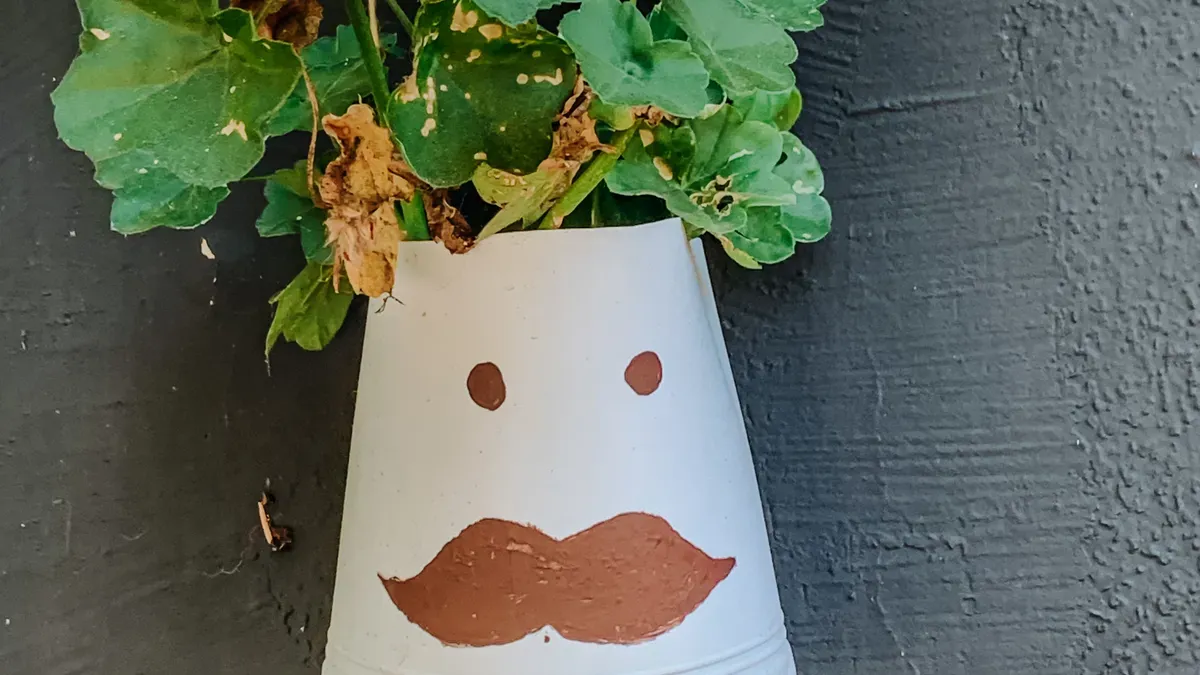
Starting your seedlings in recycled containers is a fun, hands-on way to kick off your garden. You can turn your kitchen into a mini greenhouse and teach your family about upcycling, all while getting a head start on growing vegetables, herbs, or microgreens. Let’s walk through the process together.
Filling and Sowing Seeds
You want your seedlings to get the best start possible. Here’s how you can use Ecolipak’s PLA-lined hot cups as safe for gardening seedling starters:
Gather your clean containers. Ecolipak cups work great because they’re sturdy, moisture-resistant, and compostable. The PLA lining keeps the cup from getting soggy, which helps your seedlings stay healthy during early spring.
Poke a few small holes in the bottom of each cup for drainage. This step is important for preventing root rot.
Mix your soil. You can blend one part loamy garden soil, one part peat moss, one part coarse sand, and a bit of slow-release fertilizer. This mix gives your seeds the nutrients they need for strong growth.
Fill each cup about four-fifths full with your soil mix. Leave a little space at the top for watering and mulch.
Plant your seeds according to the packet instructions. Most seeds need to be covered with a fine layer of soil, about two times their diameter.
Water the seeds gently. You want the soil to be moist but not soggy.
If you want to boost humidity, cover the top of each cup with plastic wrap until you see sprouts.
You can use these steps for starting all kinds of seeds, from tomatoes to microgreens. The moisture-resistant lining in Ecolipak cups keeps the soil damp, which is perfect for starting seedlings indoors. When your seedlings are ready for the garden, you can plant the whole cup in the ground. The cup will break down naturally, acting as a root vault and supporting a zero-waste gardening solution.
Tip: Use clear plastic produce containers as mini greenhouses. They help retain heat and moisture, giving your seedlings a cozy environment for growing.
Watering and Light Tips
Seedlings need the right amount of water and light to thrive. Here’s how you can keep your garden growing strong:
Check your seedlings every day. The soil should stay damp but not wet. If the top feels dry, add a little water.
Use a spray bottle for gentle watering. This helps avoid washing away seeds or damaging tiny seedlings.
Place your containers in a bright spot, like a sunny windowsill. If you don’t get enough sunlight, use grow lights to keep your seedlings happy.
Make sure your containers have good drainage. Water should never pool at the bottom.
Keep the temperature warm. Most seeds sprout best between 65°F and 75°F.
Ecolipak cups are safe for gardening and help maintain the right moisture level for your seedlings. Their sturdy design means you don’t have to worry about leaks or spills, even when you water daily.
Note: A good quality potting mix with fertilizer can give your seedlings an extra boost. Healthy soil means healthy plants!
Labeling and Organizing Seedlings
When you start a lot of seeds, it’s easy to lose track of what you planted. Staying organized helps your garden run smoothly:
Write the name and date of each seed on a wooden stick or a piece of masking tape. Stick it on the side of the cup.
Use a binder with sheet protectors to keep your seed packets organized and visible. This makes it easy to check planting instructions.
Try a photo organizer or an open box to sort your seedlings by type. You can use repurposed containers for this step.
If you want extra protection from pests, use a crack box with a locking lid for your seeds and seedlings.
You can turn labeling into a creative project with your kids. Let them decorate the cups or make colorful labels. This makes starting seedlings a fun family activity and helps everyone learn about the garden.
Pro Tip: Keep a simple garden journal. Write down what you plant, when you start your seeds, and how your seedlings grow. This helps you improve your garden every year.
Starting your seeds in recycled containers like Ecolipak cups is more than just a gardening hack. It’s a way to teach your family about sustainability, creative parenting, and the power of upcycling. You give your seedlings a strong start, keep your garden safe for gardening, and help the planet—all at the same time.
Transplanting and Reusing Recycled Containers
When and How to Transplant
You have watched your seedlings grow strong in their recycled containers. Now, you want to move them into your garden. But how do you know when the time is right? Look for these signs:
The roots form a solid plug and hold the soil together when you tip the cup.
The roots look white and healthy, not brown or tangled.
You see small support roots above the soil, showing the plant is ready for more space.
When you see these signs, your seedlings are ready for the garden. Water them well before transplanting. Gently squeeze the Ecolipak cup to loosen the soil. Slide the seedling out, keeping the root ball together. Dig a small hole in your garden and place the seedling inside. Cover the roots with soil and press gently. Water again to help the roots settle.
If you want a zero-waste garden, you can plant the whole cup. Ecolipak cups break down in the soil, so you do not need to remove the seedling. This method keeps your garden free from plastics and supports a healthy, circular system.
Tip: Transplant on a cloudy day or in the evening. Your seedlings will adjust better and avoid sun shock.
Reusing or Composting Ecolipak Cups
After you move your seedlings to the garden, you have a choice. You can reuse the Ecolipak cups for more seed starting or crafts. Wash them out and let them dry. Many families use them for garden use, like organizing seeds or making plant markers.
If you want to compost, add the used cups to your compost pile. The cups break down and feed your garden soil. Biodegradable cups improve soil health over time. They add organic matter and help your plants grow strong. You avoid adding more plastics to your garden and keep waste out of landfills.
This closed-loop system fits perfectly with urban permaculture and creative parenting. You teach your family how to upcycle, reduce waste, and care for the earth. Every cup you reuse or compost helps your garden and the planet.
Remember: Upcycling is not just a trend. It is a smart way to build a greener, healthier garden for your family.
Troubleshooting Upcycled Plant Nurseries
Preventing Mold and Overwatering
You want your garden to thrive, but sometimes seedlings in recycled containers face problems like mold or soggy soil. Mold often appears when you overwater or when air cannot move around your seedlings. You can stop these issues before they start.
Use a spray bottle set to mist. This helps you water gently and keeps soil moist without soaking it.
Always check that your containers have drainage holes. Good drainage stops water from pooling and keeps roots healthy.
Place your seedling cups in a spot with good airflow. This helps prevent mold from growing on the soil surface.
Keep the soil moist but not soggy. Too much water can cause leaching of nutrients and lead to weak plants.
Watch for signs of leaching. If you see water draining out quickly or white crusts on the soil, you may be watering too much.
You can make this a fun family project. Kids love using spray bottles and checking on their garden every day. This hands-on care teaches them about the balance of water, air, and soil.
Tip: If you see mold, scrape it off gently and let the soil dry out a bit before watering again. Your garden will bounce back quickly.
Common Mistakes in Recycled Gardening
Many gardeners make the same mistakes when starting seeds in recycled containers. You can avoid these and help your garden grow strong.
Forgetting to clean containers can bring in plant diseases. Always wash and dry your cups before planting.
Not adding drainage holes leads to waterlogged soil. Roots can drown, and leaching of nutrients becomes a problem.
Using containers made from old plastics can cause unwanted chemicals to enter your garden. Choose compostable cups to keep your garden safe.
Overwatering is common. Too much water causes leaching and weak seedlings.
Ignoring signs of leaching can lead to poor plant growth. Watch for changes in soil color or texture.
You can learn from other families who use Ecolipak cups. They say their gardens stay healthy because they clean containers, add drainage, and use gentle watering. These simple steps help you avoid problems and enjoy a lush, green garden.
Remember: Upcycled gardening is about creativity and care. Every step you take helps your garden, your family, and the planet.
You can make a real difference by starting your seedlings in upcycled containers like Ecolipak’s biodegradable cups. This simple switch helps you cut down on waste, avoid plastic, and support a greener lifestyle. Upcycling turns everyday items into creative tools for your kitchen garden.
You reduce trash and help the planet.
You teach your family about eco-friendly habits.
You enjoy gardening in a fun, hands-on way.
Start collecting egg cartons, paper cups, or even citrus peels. Join the Ecolipak community and grow your garden the sustainable way!
FAQ
Can I use Ecolipak cups for all types of seeds?
Yes, you can start vegetables, herbs, or flowers in Ecolipak cups. The sturdy design works for most seeds. You get a safe, compostable container that supports healthy roots.
How do I make drainage holes in the cups?
You can poke holes in the bottom using a pencil or scissors. Make three or four small holes. This helps water drain and keeps roots healthy.
Are Ecolipak cups safe for kids to use in gardening projects?
Absolutely! Kids can handle Ecolipak cups easily. The cups are BPA-free and compostable. You can turn gardening into a fun family activity and teach creative upcycling.
What should I do with the cups after transplanting seedlings?
You can compost the cups or reuse them for crafts. If you plant the cup with the seedling, it breaks down in the soil. This supports a circular kitchen garden.
Why choose upcycled cups instead of plastic pots?
Upcycled cups help you reduce waste and avoid plastic in your garden. You support urban permaculture and creative parenting. You make gardening eco-friendly and fun for your family. 🌱