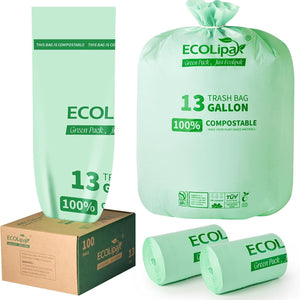
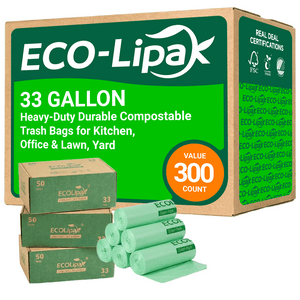
You can make fridge clean-out day easy and guilt-free. Simple swaps, like compostable trash bags, help you get rid of plastic waste. When you clean out your fridge, you build better habits that protect the planet. Ecolipak makes it simple to start fresh in your kitchen. Ready to take action? Your kitchen and the earth will thank you.
Key Takeaways
-
Gather reusable supplies like glass containers and beeswax wraps before starting your fridge clean-out. This helps reduce plastic waste and keeps your food fresh.
-
Set up compost and donation bins to sort food scraps and unopened items. Composting reduces landfill waste, while donating helps those in need.
-
Use Ecolipak compostable trash bags for waste. They break down naturally and help keep plastic out of landfills, supporting a zero waste lifestyle.
-
Plan meals smartly to use up perishables and avoid waste. Create a weekly meal plan that incorporates leftover ingredients.
-
Label and rotate food in your fridge to minimize spoilage. Use the FIFO method to ensure older items are consumed first.
Getting Ready for Fridge Clean-Out Day
Gather Reusable Supplies
Before you start your fridge clean-out, grab your favorite reusable supplies. These tools make the process smoother and help you avoid single-use plastics. Here’s a quick checklist to get you started:
-
Reusable food storage containers (glass, stainless steel, or silicone) keep leftovers fresh and prevent spills.
-
Beeswax wraps or plant-based food covers work great for wrapping cheese, herbs, or half-used veggies.
-
Reusable produce bags made from cotton mesh or recycled polyester are perfect for sorting fruits and veggies.
-
Cloth towels or rags replace paper towels for wiping down shelves.
You’ll also want a sturdy, eco-friendly trash bag for anything that can’t be saved. Ecolipak Compostable Trash Bags fit the bill. They’re strong, easy to use, and break down quickly in composting conditions. Take a look at how they compare to regular plastic bags:
|
Type of Bag |
Composition |
Decomposition Rate |
|---|---|---|
|
Compostable Bags |
Plant-based materials (cornstarch) |
Break down within a few months in composting conditions |
|
Traditional Plastic Bags |
Petroleum-based materials |
Can take 500-1,000 years to decompose |
Compostable bags reduce landfill waste and greenhouse gas emissions. When you use them, you help return nutrients to the soil and lower methane emissions. Their production also creates fewer carbon emissions than traditional plastics.
Set Up Compost and Donation Bins
Now, set up two bins before you start sorting. One bin is for composting food scraps like wilted greens, coffee grounds, and veggie peels. This step keeps organic waste out of landfills and gives you rich fertilizer for your garden. The other bin is for donations. If you find unopened or still-good food, place it here. Donating helps others and keeps usable items out of the trash.
Composting during your fridge clean-out makes a big difference. You’ll see less waste in your trash can and more nutrients going back to the earth. Make this a regular habit, and you’ll notice how easy it is to keep your kitchen clean and green. Composting isn’t just for big projects—try adding a small compost bin under your sink for everyday scraps. With these simple steps, you’re ready to tackle your fridge and make composting part of your routine.
Tip: Clean out your fridge every week or two. Toss expired items into your compost bin and donate what you won’t use. This keeps your fridge organized and supports a zero waste lifestyle.
How to Clean Out Your Fridge Sustainably
Remove and Sort All Items
Ready to clean out your fridge? Start by taking everything out, shelf by shelf. This helps you see what you have and makes it easier to spot expired foods. Here’s a simple way to tackle the job:
-
Begin with the freezer. Pull out anything with freezer burn or items you know you won’t eat. Use laundry baskets or bins to sort things into “Keep” and “Ditch” piles.
-
Move to the fridge section. Take out all containers, bottles, and jars. Check the dates and look for signs of spoilage.
-
Remove leftovers that are past their prime. Place them in a pile for composting your food or disposal.
-
If you find produce that’s not fresh but still safe, set it aside for soups or smoothies. Stale bread? Try making French toast or croutons.
-
Wipe down shelves as you go. This keeps your fridge clean and helps prevent future food waste.
-
Keep leftovers at the front, clearly labeled, and in reusable containers. This encourages you to eat them before they spoil.
Tip: Maintain your refrigerator at 40°F or below. This slows spoilage and helps you keep food safe longer.
Identify Food to Keep, Donate, or Compost
Now that everything is out, it’s time to decide what stays and what goes. Use these steps to make smart choices:
-
Pitch expired foods and drinks. Don’t risk your health by keeping anything past its date.
-
Donate extra food that’s still good but you know you won’t use. Many local food banks accept unopened, non-expired items. When you donate to a food bank, you help families in need and support your community.
-
Compost any food scraps, wilted greens, or peels. This keeps organic waste out of landfills and returns nutrients to the earth.
Donating food does more than clear space. It reduces food waste and gives essential support to local charities. You’ll feel good knowing your clean out your fridge routine helps others and the planet.
Use Ecolipak Compostable Trash Bags for Waste
When you clean out your fridge, you’ll probably find some spoiled food that can’t be saved. Instead of using regular plastic bags, reach for Ecolipak’s compostable trash bags. These PLA-based bags are strong, tear-resistant, and made from plant-based materials. They break down naturally, so you protect the oceans and keep plastic out of landfills.
Here’s why Ecolipak compostable bags are a smart choice:
-
They handle heavy loads without leaking or tearing.
-
They control odors, making your clean out your fridge day much more pleasant.
-
They fit standard kitchen bins, so you don’t need to buy special containers.
-
They decompose in just a few months under composting conditions.
Note: Using compostable bags supports a zero waste lifestyle. Every time you clean out your fridge, you make a positive impact by reducing food waste and plastic pollution.
Make it a habit to clean out your fridge every week or two. Toss expired foods, donate extra food, and compost what you can. With Ecolipak compostable trash bags, you can manage waste responsibly and keep your kitchen—and the planet—clean.
Eco-Friendly Fridge Cleaning Tips
Choose Natural Cleaners
You want your fridge to sparkle, but you don’t need harsh chemicals to get the job done. Natural cleaners work just as well and are much safer for your home and the planet. Green cleaning products break down easily and don’t leave behind toxic residues. When you use homemade cleaners, you know exactly what goes into them, so you avoid hidden irritants.
Here are some reasons to switch to natural cleaners:
-
Green cleaning products are biodegradable and non-toxic, so they protect the environment.
-
Traditional chemical cleaners can contain harmful ingredients that damage ecosystems.
-
Homemade cleaners are gentle on your skin and easy to make with simple ingredients.
One of the best natural cleaning agents for your fridge is baking soda. Check out how it works:
|
Cleaning Agent |
Ingredients |
Effectiveness |
|---|---|---|
|
Baking Soda |
2 Tbsp baking soda, 1 quart warm water |
Cleans and deodorizes your fridge. Make a paste for tough spots. |
Tip: Wipe down your fridge shelves every time you do a clean-out. This keeps odors away and makes your next cleaning even easier.
Use Reusable Cloths and Tools
Skip the paper towels and single-use wipes. You can use reusable cloths, loofahs, or Swedish dishcloths to clean your fridge. These tools last a long time and help you cut down on plastic waste. When you use them, you save money and keep trash out of landfills.
Try these swaps for a greener clean:
-
Reusable paper towels help you reduce waste and save cash.
-
Glass spray bottles can be refilled again and again.
-
Cloth produce bags keep your fruits and veggies safe without plastic.
On fridge clean-out days, grab your favorite reusable tools. You’ll find that cleaning feels easier and more rewarding. Wash your cloths after each use, and they’ll be ready for the next round. By making these small changes, you help the planet and keep your kitchen fresh.
Remember: Regular cleaning and using reusable tools make your fridge last longer and keep your food safe.
Organizing After Fridge Clean-Out Day
Store Food in Glass or Silicone
You finished your fridge clean-out. Now, you want to keep your food fresh and safe. Glass and silicone containers make this easy. Glass containers last a long time. You can use them in the oven, freezer, or fridge. They resist stains and odors. Silicone containers are flexible. You can squeeze them into tight spaces or pop out frozen food with no trouble. Both options help you cut down on plastic waste.
Here’s how you can get the most out of your glass or silicone containers:
-
Choose containers with airtight seals. This keeps air and moisture out, so your food stays fresh longer.
-
Try vacuum sealing for extra freshness. Removing air before sealing slows down spoilage.
-
Store pantry items at room temperature. Keep refrigerated foods at 40°F or below. Freeze items at 0°F or lower.
-
For dry goods, add a food-safe desiccant packet. This absorbs moisture and prevents clumping.
Glass containers are recyclable. They help you build a sustainable kitchen. Silicone containers make portion control simple. You can use them for snacks, leftovers, or meal prep. Both choices support your zero waste goals.
Tip: Wash containers right after use. This keeps them clean and ready for your next fridge clean-out.
Label and Rotate for Reducing Food Waste
You want to avoid tossing food. Proper labeling and rotation help you use what you have before it spoils. Start by labeling each container with the date you stored the food. Use a marker or stick-on label. Write the expiration date or a “use by” note.
Here’s how you can organize your fridge to cut waste:
-
Place older items in front. This makes it easy to grab them first.
-
Use the FIFO (First In, First Out) method. Always use the oldest food before newer items.
-
Accurate labels remind you when food will expire. You can see at a glance what needs to be eaten soon.
-
Organize foods by type and date. This helps you spot what’s running low or what needs to go.
Rotating your inventory keeps your fridge tidy. You use up food before it goes bad. This simple system saves money and reduces waste. You help the planet every time you eat what you have and compost what you can’t use.
Note: Make fridge clean-outs a regular habit. Label, rotate, and compost expired organic waste. You’ll keep your kitchen organized and support a greener lifestyle.
Preventing Waste Between National Clean Out Your Refrigerator Day
Smart Meal Planning
You do not have to wait for national clean out your refrigerator day to keep your kitchen waste-free. Smart meal planning helps you use up what you have and avoid food wastage. Start by checking your refrigerator before you shop. Write down foods to use up first. This step keeps perishables from getting lost in the back. Try to create a meal plan that uses these items early in the week.
-
Make a weekly food plan and include a “fridge-cleaner” meal. Use leftover spinach, mushrooms, or other produce in omelets or stir-fries.
-
Plan meals that build on each other. For example, roast veggies one night and use leftovers in a salad the next day.
-
Take inventory of your refrigerator and freezer often. This habit helps you avoid buying what you already have.
Tip: Purchase imperfect produce. These fruits and veggies taste great and help reduce food wastage.
Smart planning cuts down on food wastage and lowers your carbon footprint. When you plan, you buy only what you need and use it up before it spoils.
Repurpose Leftovers
Leftovers do not have to be boring. You can turn them into new dishes and save money at the same time. Nearly 40% of food in the United States goes to waste, much of it at home. Repurposing leftovers helps you fight food wastage and keeps your refrigerator tidy.
-
Add leftover vegetables to burritos, wraps, or salads.
-
Mix leftover grains into soups or fried rice.
-
Use cooked proteins as pizza toppings or in quesadillas.
-
Blend leftover fruit into smoothies or yogurt.
Sharing extra food with friends or freezing it for later also helps. You save time and money, and you avoid tossing good food.
Buy Only What You Need
You can prevent food wastage by buying only what you know you will eat. Before you shop, check your refrigerator and make a list. Stick to your plan at the store. Choose smaller meal sizes if you often have leftovers. Store food properly and freeze what you cannot eat right away.
Remember: A regular fridge clean-out day keeps your refrigerator organized and helps you spot food before it spoils. Compost expired organic waste to support a greener planet.
By following these habits between each national clean out your refrigerator day, you keep your kitchen clean, save money, and help the environment.
You can make your kitchen greener with simple steps. Clean out your fridge, sort food, and use compostable bags. Ecolipak’s solutions help you reduce plastic waste and keep your fridge smelling fresh. Small changes, like smart shopping and meal planning, save money and cut food waste.
|
Contribution to Sustainability |
Description |
|---|---|
|
Decomposition |
Ecolipak's products decompose naturally, reducing plastic waste. |
|
Healthier Living |
Compostable bags neutralize odors and support a cleaner fridge. |
|
Certifications |
BPI and OK Compost Home certified for eco-friendly disposal. |
Tip: Clean your fridge regularly and compost expired organic waste. Share your progress and try Ecolipak for your next clean-out!
FAQ
How often should I clean out my fridge?
You should clean out your fridge every one to two weeks. This habit keeps your food fresh and helps you spot expired items before they spoil. Regular cleaning also makes your kitchen smell better.
What is the best way to dispose of expired organic waste?
Compost your expired fruits, veggies, and other organic scraps. Use a compost bin at home or check if your city collects compost. Composting turns waste into soil and keeps it out of landfills.
Can I use Ecolipak compostable trash bags for all types of kitchen waste?
Yes! You can use Ecolipak compostable trash bags for food scraps, leftovers, and even yard waste. These bags are strong and break down naturally, so you help the planet every time you use them.
What should I do with unopened food I won’t use?
Donate unopened, non-expired food to a local food bank or shelter. You help others and reduce waste. Keep a donation bin handy during your fridge clean-out for easy sorting.
How can I keep my fridge organized between clean-outs?
Label leftovers with dates and use clear containers. Place older food in front so you eat it first. Make a quick list of what you have before shopping. These steps help you waste less and save money.