You make a plant latte eco-friendly by considering more than just plant-based milk. True sustainability comes from the choices you make at every step—from the coffee beans and plant-based alternatives to the beverage packaging. The plant-milk revolution drives a new trend in coffee culture, where you demand low-impact, responsibly sourced ingredients and innovative production techniques. Advancements in plant-based milk allow your beverage to match dairy in taste and nutrition. You protect the planet when you select a latte served in a cup with a Leak-Proof CPLA Cup Lid, ensuring your coffee stays safe and compostable. Brands now highlight sustainability to meet your expectations and reduce greenhouse gas emissions.
Many people believe biodegradable packaging means eco-friendly, but proper disposal is key. Industrial composting ensures these cups and lids break down, supporting your commitment to sustainability.
You shape the plant-milk revolution every time you enjoy a plant-based beverage and choose eco-friendly coffee options. Your choices create a positive trend for both coffee lovers and the planet.
Key Takeaways
Choose plant-based milks like oat milk to reduce your environmental impact. They use less water and land than dairy.
Support brands that prioritize sustainable sourcing and ethical practices. Look for local farms and fair trade labels.
Opt for compostable packaging, like CPLA lids, to minimize waste. These break down quickly and help protect the planet.
Enjoy cold brew or iced coffee to save energy. These methods use less power than traditional hot brewing.
Ask your favorite café about their sourcing practices. Your questions can encourage better sustainability in the coffee industry.
The Plant-Milk Revolution and Sustainable Sourcing
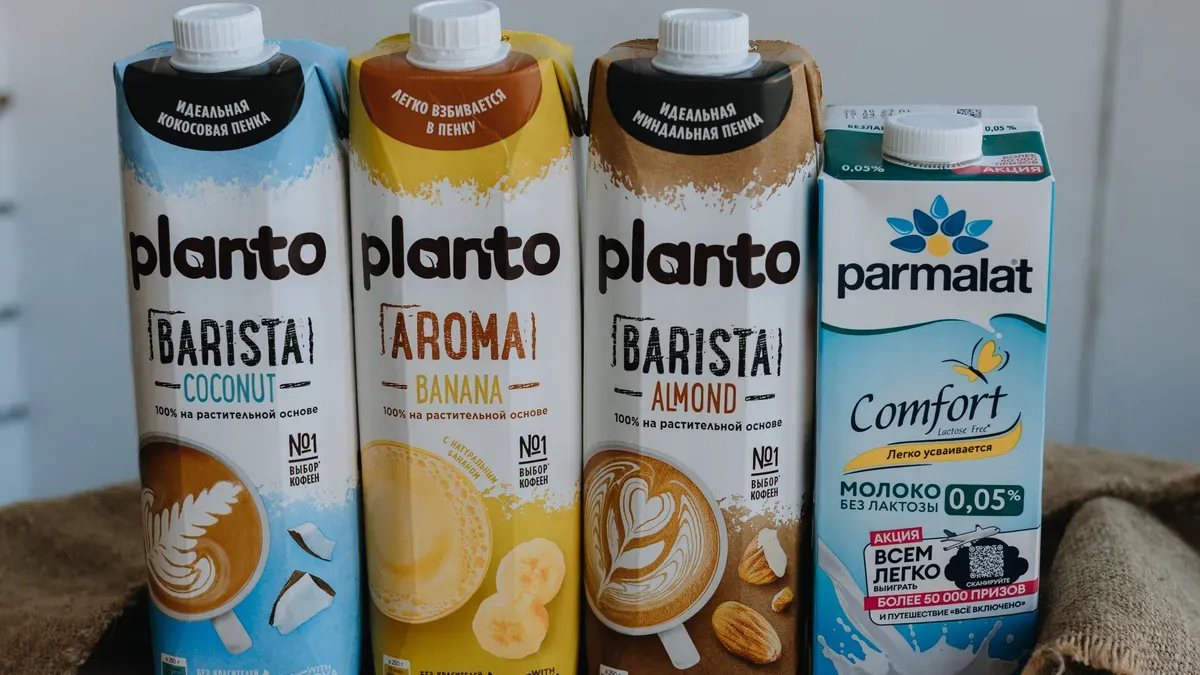
Choosing Low-Impact Plant Milks
You drive the plant-milk revolution every time you order a specialty coffee with a plant-based milk. This trend is changing how you and others think about beverages. You help reduce climate change and protect biodiversity by choosing plant-based alternatives instead of dairy. Plant-based milk uses less water and land than dairy, so you lower your environmental footprint with every cup.
You cut down on methane emissions.
You help reclaim land for nature and carbon storage.
You use fewer resources with each beverage.
The table below shows how different plant-based milks compare to dairy and each other:
Plant Milk |
Carbon Footprint |
Water Footprint |
Protein Content |
|---|---|---|---|
Pea Milk |
Very Low |
Very Low |
High |
Soy Milk |
Low |
Low |
Reasonably High |
Oat Milk |
Lower than Cow's |
Lower than Cow's |
Low |
Coconut Milk |
Lower than Cow's |
Lower than Cow's |
Low |
Almond Milk |
Good for Climate |
Similar to Cow's |
Very Low |
Oat Milk and Coffee Culture
Oat milk has become a favorite in specialty coffee shops. You see oat milk everywhere because it has a creamy taste and works well in hot beverages. This trend started in the mid-2010s and made oat milk the default choice for many coffee lovers. Specialty coffee shops use oat milk because it steams well and blends smoothly with espresso. You also notice that oat milk supports sustainability goals and meets the demand for plant-based alternatives.
Oat milk fits your health goals, too. You get a beverage that is lower in saturated fat than dairy. You also avoid common allergens found in other dairy alternatives. As you follow this trend, you encourage brands to create new flavors and improve the health benefits of plant-based milk.
Responsible Ingredient Sourcing
You make a bigger impact when you choose beverages made with responsibly sourced ingredients. Plant-based drink production uses fewer resources and creates fewer emissions than dairy. You can look for companies that use local farms or regenerative agriculture. These farms protect biodiversity, improve soil, and store more carbon.
Benefit |
Description |
|---|---|
Carbon Sequestration |
Forest-like farms absorb more CO2 than monocultures. |
Biodiversity Protection |
Shade-grown crops support more wildlife. |
Soil Regeneration |
Healthy soil holds water and nutrients. |
Natural Pest Control |
Diverse farms need fewer pesticides. |
You support sustainability and health when you choose coffee made with these ingredients. You help the planet and enjoy a better beverage experience.
Production Impact and Supply Chain
Energy and Water Use
You make a big difference when you choose a beverage made with care for the planet. Coffee and plant milk production both use energy and water. When you pick a cold brew coffee or an iced coffee, you support a process that can use less energy than hot brewing. Cold brew uses time instead of heat, which saves power. Iced coffee also lets you enjoy your beverage cold, which can reduce the need for extra heating.
Water matters, too. Growing coffee and plant ingredients takes water, but some farms use smart methods to save it. You help the planet when you choose a cold brew latte or an iced beverage made from farms that use water conservation. These farms use drip irrigation and collect rainwater. You support a future where every cold brew and iced coffee uses less water.
Reducing Carbon Footprint
You lower your carbon footprint by choosing plant-based milk in your beverage. Plant milks use less land and create fewer emissions than dairy. Coffee farms can also cut emissions by using agroforestry and organic fertilizers. When you pick a cold brew or iced coffee made with these methods, you help reduce greenhouse gases. Roasters who use energy-efficient machines make your beverage even greener.
Transportation adds to the footprint. You can look for coffee and plant milk that travel shorter distances. Local sourcing means your cold brew latte or iced beverage arrives fresher and with less pollution. Every time you choose a cold brew or iced coffee from a responsible source, you help the earth.
Ethical Practices in Coffee Production
You support fair wages and safe working conditions when you choose ethically sourced coffee. Many farms now follow fair trade rules. This means workers get paid fairly and work in safe places. You can look for labels that show your cold brew or iced coffee comes from ethical farms. When you enjoy a cold beverage, you know you are helping people as well as the planet.
Tip: Ask your favorite café about their sourcing. Your questions encourage better practices for every cold brew and iced coffee you enjoy.
Eco Packaging with Ecolipak CPLA Lids
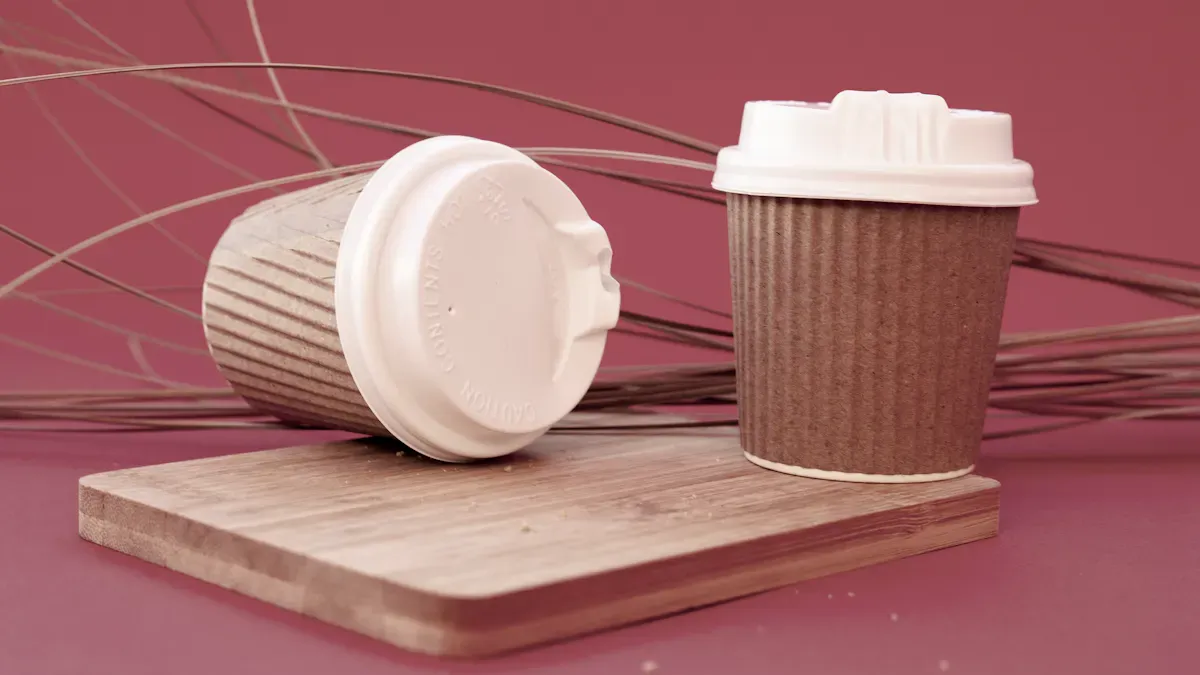
Why Compostable CPLA Lids Matter
You make a difference every time you choose a plant latte served in a compostable cup with a CPLA lid. Packaging plays a huge role in the environmental impact of your beverage. When you use plant-based wrappers and lids made from renewable materials, you help cut down on waste and pollution. You avoid virgin plastic and support a cleaner planet.
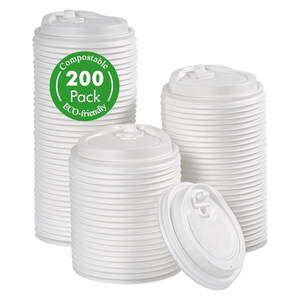
CPLA lids stand out because they are made from plant-based materials. These lids break down naturally within 180 days in commercial composting facilities. You do not leave toxic residues behind. You support a circular economy because these lids return nutrients to the soil. You choose a product that meets strict global standards for compostability.
CPLA lids decompose quickly and safely.
They use renewable resources, not fossil fuels.
They support eco-friendly values and reduce waste.
You also enjoy practical benefits. Ecolipak’s CPLA lids feature advanced thermodynamics and oil-resistant engineering. These lids create a strong barrier against hot steam and high fat content from plant-based milks like oat, almond, and coconut. You prevent warping and leaks. You keep your drink secure and mess-free, even during high-temperature frothing. Cafes and brunch spots trust these lids for reliable performance.
Tip: Choose compostable CPLA lids to keep your coffee plastic-free and support a sustainable future.
Ecolipak’s 12 oz Compostable Coffee Cups
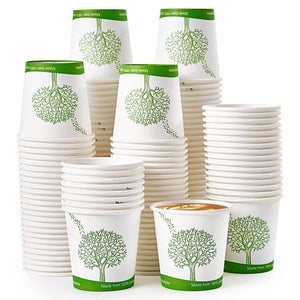
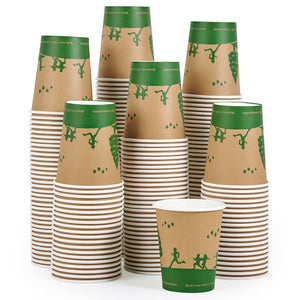
You want a cup that matches your eco-friendly values. Ecolipak’s 12 oz compostable coffee cups deliver on both sustainability and performance. These cups use paper with a renewable starch lining. The lining blocks fat absorption and keeps your cup strong, even with creamy plant-based milks.
You get a leak-proof flip cap and a universal fit. The lid fits snugly on most cup sizes, so you enjoy your drink without spills. The cups resist temperatures up to 140°F. You can use them for hot or cold beverages. You support a product that is BPA-free and plastic-free.
Feature |
Benefit |
|---|---|
Compostable CPLA Lid |
Breaks down in 2–4 months, no toxic residue |
Oil-Resistant Design |
Prevents leaks from plant-based milks |
Universal Fit |
Works with 10–20 oz cups |
Renewable Starch Lining |
Blocks fat absorption, keeps cup sturdy |
Leak-Proof Flip Cap |
Mess-free, secure sipping |
You help protect green spaces. Ecolipak sold over 59 million eco-friendly products in 2024, saving 125,000 square meters of nature. You join a movement that values both convenience and environmental responsibility.
End-of-Life and Compostability
You complete the eco-friendly cycle when you dispose of your cup and lid properly. Compostable packaging uses plant-based films and bioplastics from renewable resources like corn starch and sugarcane. These materials biodegrade under the right conditions.
CPLA lids and cups compost fully in commercial facilities within two to four months.
You reduce waste and lower emissions compared to traditional packaging.
You support sustainable practices that match your values.
Ecolipak’s cups and lids hold certifications like FSC and DIN EN 13432. These certifications guarantee genuine compostability and responsible sourcing. You can trust that your cup will not contribute to microplastic pollution.
Note: Proper composting infrastructure is essential. Always check if your local facility accepts compostable products.
You lead the way in sustainable coffee culture. You choose packaging that protects your drink, your health, and the planet. You inspire others to make greener choices every day.
Taste and Flavour Innovation in Coffee
Barista Performance of Plant Milks
You want every cold brew or iced coffee to deliver a memorable flavour. Taste and flavour innovation is essential for plant-based lattes to win over coffee lovers. Oat milk stands out for its creamy texture and mild, sweet flavour. This makes it perfect for both cold brew and iced coffee. Baristas love oat milk because it froths well and creates a thick, velvety foam. You can enjoy latte art and a smooth coffee experience without dairy. Oat milk’s barista-level functionality means you get a beverage that looks and tastes just as good as any specialty coffee made with dairy. Specialty coffee shops now use oat milk as a default for cold brew lattes and iced drinks. You get a consistent, delicious flavour every time.
Oat milk offers a neutral base for experimenting with new flavours.
Barista-grade oat milk creates stable foam for cold brew lattes.
You enjoy a rich, creamy taste in every iced coffee.
Consumer Experience and Adoption
You care about taste, health, and sustainability. Taste and flavour innovation drives you to try plant-based milk in your cold brew or iced coffee. Younger generations see oat milk as a symbol of sustainability. You choose beverages that taste great and support your health goals. Health-conscious options like plant-based milk offer lower calories and less saturated fat than dairy. You also avoid lactose and support a plant-based lifestyle. The rise of climatarian diets shows that you value both flavour and the planet. You want your cold brew latte or iced coffee to deliver on taste and sustainability.
Health consciousness shapes your beverage choices.
Dietary preferences and environmental concerns drive demand for plant-based options.
Flavour innovations like vanilla and caramel attract you to new cold brew and iced coffee drinks.
Customer Stories with Ecolipak
You want your coffee routine to match your values. Customers love Ecolipak’s compostable cups and lids for their strength and modern look. You can serve cold brew, iced coffee, or a cold brew latte at any event and feel confident in your eco-friendly choice.
“I used Ecolipak’s compostable cups for my daughter’s birthday party. They looked great, held up well, and I felt good knowing we weren’t adding to landfill waste.”
Many users say the cups perform as well as traditional options. You help protect the planet with every cold beverage you serve. Millennials and Gen Z especially value ethical business practices and are willing to pay more for products that align with their beliefs. When you choose Ecolipak, you support a cleaner planet and enjoy a better coffee experience.
You shape a greener coffee culture when you choose sustainable sourcing, responsible production, compostable packaging, and great taste. Oat milk lattes use less water and land, supporting vegan values and health. Cold brew and iced coffee offer refreshing beverage options that reduce energy use. Ecolipak’s compostable cups and lids help preserve green space and create rich soil. You can make a difference by picking oat milk, supporting eco-friendly brands, and choosing compostable CPLA lids. Share your cold beverage stories and inspire others to enjoy iced coffee and cold brew responsibly.
Key Element |
Oat Milk Lattes |
Regular Milk Lattes |
|---|---|---|
Water Usage |
Requires less water than dairy milk due to efficient crop growth. |
Resource-intensive, contributing to high water footprint. |
Agricultural Land Use |
Grown in diverse climates, minimizing deforestation. |
Extensive land use for grazing and feed, leading to deforestation. |
Sustainability & Ethics |
Vegan product, avoids animal exploitation. |
Raises concerns about animal welfare and environmental impact. |
Ecolipak's compostable coffee cups help reduce landfill waste by breaking down quickly in commercial composting facilities.
The brand's use of plant-based materials and certifications for compostability demonstrate a commitment to sustainability.
In 2024, Ecolipak sold over 59 million eco-friendly products, contributing to the preservation of 125,000 square meters of green space.
Ecolipak's products help create up to 4 tonnes of compost, equivalent to 280 bags of rich soil for gardens and parks.
FAQ
What makes a plant latte truly eco-friendly?
You choose a plant latte that uses sustainable ingredients, responsible production, and compostable packaging. You support brands like Ecolipak. You enjoy your cold or hot beverage knowing you help the planet with every sip.
Why should you pick compostable CPLA lids for your coffee?
You keep your drink safe and the environment clean. Compostable CPLA lids break down quickly. You avoid plastic waste. You enjoy your cold brew or hot coffee with peace of mind.
How do you dispose of Ecolipak cups and lids?
You place your used cup and lid in a commercial composting bin. You help create rich soil instead of landfill waste. You make your cold brew or cold drink routine greener.
Can you use Ecolipak cups for both hot and cold drinks?
You can use Ecolipak cups for any beverage. The cups work for cold brew, iced coffee, or hot drinks. You get a sturdy, leak-proof experience every time.
Do plant-based milks taste good in cold brew?
You enjoy a creamy, smooth flavor when you add oat or other plant-based milks to cold brew. You get a delicious cold coffee that matches your taste and values.